Youngstown in Mahoning County, Ohio — The American Midwest (Great Lakes)
First Ohio Settlers in the Mahoning River Valley
John Young • James Hillman • Daniel Shehy
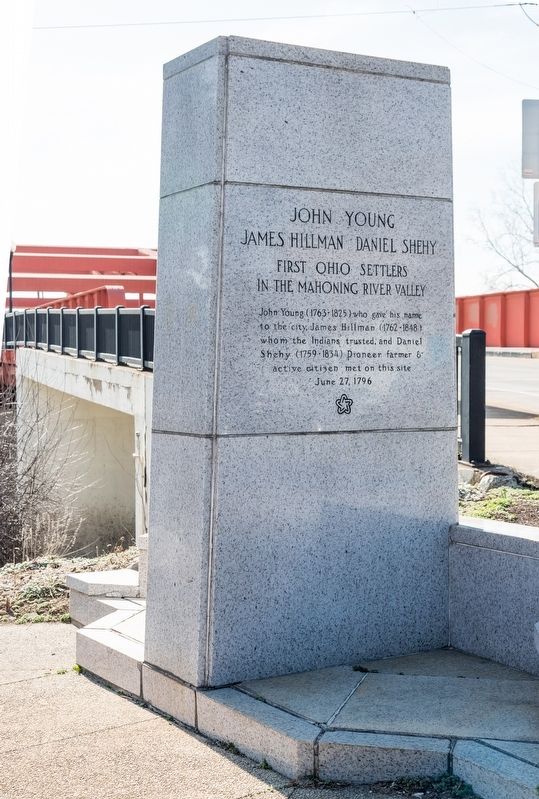
Photographed by J. J. Prats, March 22, 2021
1. First Ohio Settlers in the Mahoning River Valley Marker
John Young (1763–1825) who gave his name to the city, James Hillman (1762–1848) whom the Indians trusted, and Daniel Shehy (1759–1834) pioneer farmer & active citizen, met on this site, June 27, 1796
Erected 1976.
Topics and series. This historical marker is listed in this topic list: Settlements & Settlers. In addition, it is included in the The Spirit of ’76, America’s Bicentennial Celebration series list. A significant historical date for this entry is June 27, 1796.
Location. 41° 6.145′ N, 80° 39.317′ W. Marker is in Youngstown, Ohio, in Mahoning County. It is at the intersection of West Federal Street / Martin Luther King Jr. Blvd and 5th Avenue / Mahoning Avenue, on the left when traveling east on West Federal Street / Martin Luther King Jr. Blvd. It is at the bridge that crosses the Mahoning River. Touch for map. Marker is at or near this postal address: 335 W Federal St, Youngstown OH 44503, United States of America. Touch for directions.

Regionally, this marker is in the Western Reserve and in the Mahoning Valley. It is also in the American Midwest. Globally, it is in North America, the Western Hemisphere, the Western World, and the Anglosphere. Historically, it finds itself in what was once the Haudenosaunee (Iroquois) Confederacy, the territory of the Mississippian Culture, and the Northwest Territory.
Other nearby markers. At least 8 other markers are within walking distance of this marker: The Founding of Youngstown (here, next to this marker); Harry Burt and Good Humor / Ross Radio Company (within shouting distance of this marker); The Warner Theater (about 600 feet away, measured in a direct line); The Mahoning River (about 700 feet away); Working Class Heroes (approx. 0.2 miles away); A Little Bit of Youngstown’s History (approx. ¼ mile away); Little Steel Strike (approx. ¼ mile away); The First Log School (approx. 0.3 miles away). Touch for a list and map of all markers in Youngstown.
Another marker is no longer nearby. Warner Brothers (was about 600 feet away but has been confirmed missing).
Also see . . .
1. John Young (pioneer). Wikipedia entry:
Excerpt:
In 1796, John Young moved with his wife and their son, John Young Jr. to what would become Ohio while(Submitted on March 24, 2021.)he surveyed the area, and settled there soon after. Also in 1796, Young and a party of surveyors made their first visit to the future site of Youngstown, Ohio, an area that Young had considered purchasing. On February 9, 1797, he purchased the entire township of 15,560 acres from the Western Reserve Land Company for $16,085 through a land contact, though the official conveyance was not completed until April 9, 1800, as Young and the Western Reserve Land Company were still negotiating. The 1797 establishment of the town was officially recorded on August 19, 1802. Young lived in the area from 1799 to 1803.
Click or scan to see
this page online
2. James Hillman. Riverside Cemetery Journal website entry (Submitted on April 4, 2022, by Larry Gertner of New York, New York.)
3. Excerpt from History of Youngstown and the Mahoning Valley Volume 1 by Joseph Green Butler. Excerpt from the excerpt of the 1921 book:
Serving until the end of the Revolution, Sheehy located in Connecticut or New York State and met John Young at Albany, New York, in 1796. Sheehy had $2,000 in gold which he wished to invest in land and he accepted John Young’s proposal to emigrate to the Western Reserve. He contracted with Young for 1,000 acres of land, a contract that later caused difficulty between Sheehy and Young. Not having a title himself until 1800, Young could not give title at that time to sub-purchasers and Sheehy alleged that in 1799 Young made a second sale of part of Sheehy's land at an advance of 50 cents an acre. To prove his(Submitted on March 24, 2021.)rights Sheehy was forced to make two trips to Connecticut, both of these being made afoot through the wilderness in the dead of winter. An adjustment was finally reached by which Sheehy retained title to 400 acres of land but relinquished his claim to another 600 acres.Photographed by J. J. Prats, March 22, 20212. First Ohio Settlers in the Mahoning River Valley Monument and Interpretive Panel
For threatening Young’s life during this controversy Sheehy was arrested and fined $25, but that their differences were later settled amicably is apparent from the fact that Sheehy’s second son was named after the founder of the city. According to one account this was a feminine wile adopted by Sheehy’s wife, and really brought about the adjustment of the dispute instead of following it.
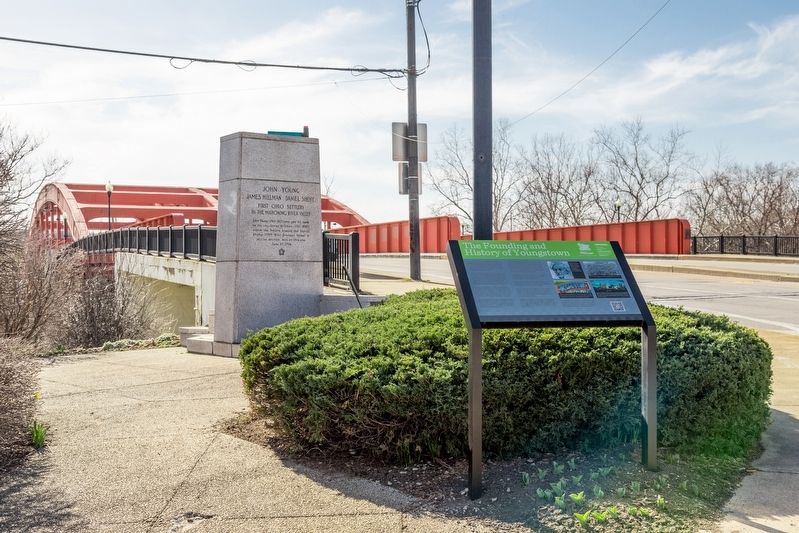
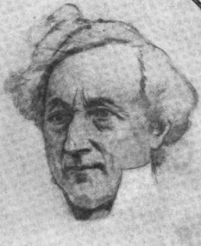
Illustration by Barnum Hitchcock, in the 1921 book History of Youngstown by Joseph G. Butler, circa 1820
3. John Young, Founder of Youngstown
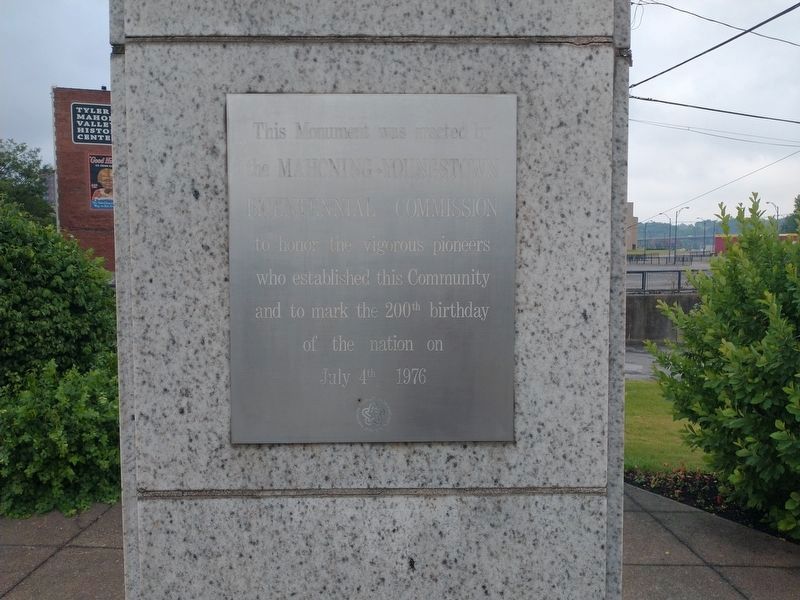
Photographed by Craig Doda, July 2, 2022
4. Additional plaque on the memorial
Credits. This page was last revised on July 20, 2022. It was originally submitted on March 24, 2021, by J. J. Prats of Powell, Ohio. This page has been viewed 2,413 times since then and 1,151 times this year. Photos: 1, 2, 3. submitted on March 24, 2021, by J. J. Prats of Powell, Ohio. 4. submitted on July 18, 2022, by Craig Doda of Napoleon, Ohio.
