Near Thurmont in Frederick County, Maryland — The American Northeast (Mid-Atlantic)
Ironmaster's Mansion
Life and Work Within these Walls
| — | Catoctin Furnace Iron Trail | — |
Photographed by Allen C. Browne, October 18, 2021
1. Ironmaster's Mansion Marker
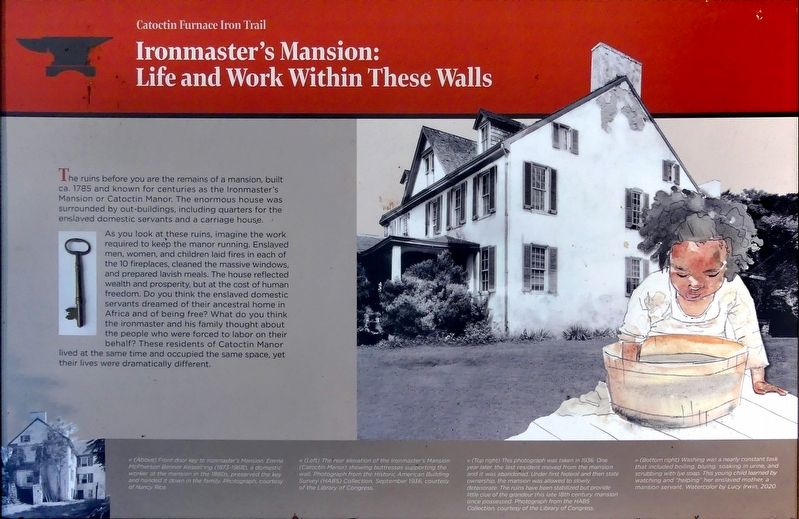
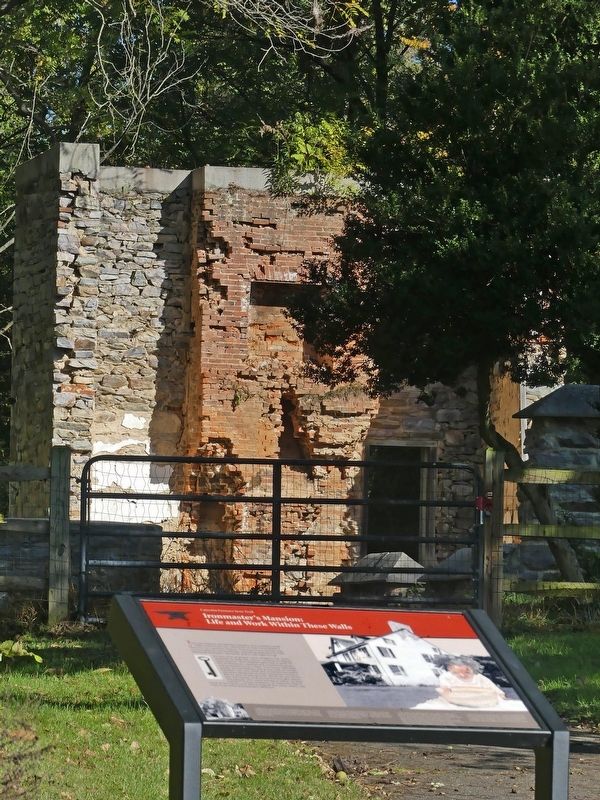
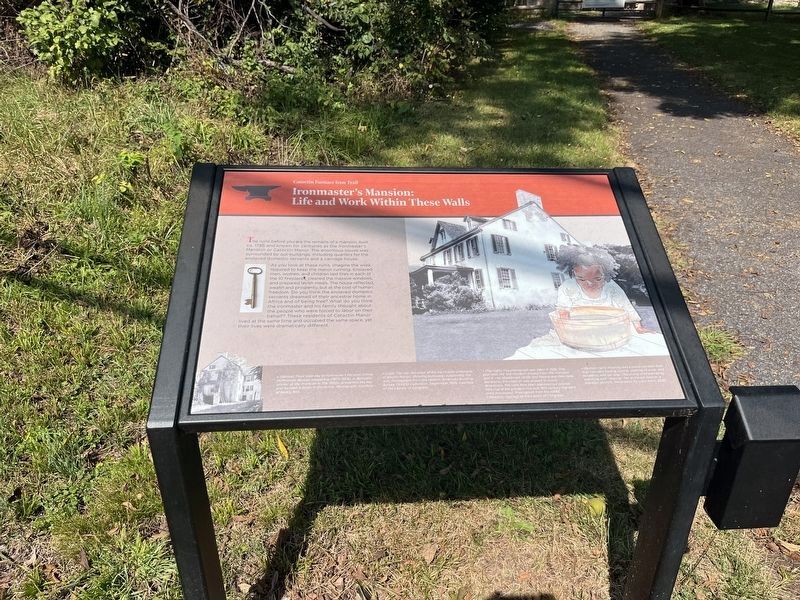
The ruins before you are the remains of a mansion, built ca. 1785 and known for centuries as the Ironmaster's Mansion or Catoctin Manor. The enormous house was surrounded by out-buildings, including quarters for the enslaved domestic servants and a carriage house.
As you look at these ruins, imagine the work required to keep the manor running. Enslaved men, women, and children laid fires in each of the 10 fireplaces, cleaned the massive windows, and prepared lavish meals. The house reflected wealth and prosperity, but at the cost of human freedom. Do you think the enslaved domestic servants dreamed of their ancestral home in Africa and of being free? What do you think the ironmaster and his family thought about the people who were forced to labor on their behalf? These residents of Catoctin Manor lived at the same time and occupied the same space, yet their lives were dramatically different.
Erected by Catoctin Furnace Historical Society; William G. Pomeroy Foundation; Maryland Park Service; Maryland Department of Natural Resources.
Topics and series. This historical marker is listed in these topic lists:
this page online
Location. 39° 34.92′ N, 77° 26.061′ W. Marker is near Thurmont, Maryland, in Frederick County. It can be reached from Catoctin Furnace Road (Maryland Route 806) south of Red Bird Lane, on the right when traveling south. Touch for map. Marker is at or near this postal address: 12700 Catoctin Furnace Rd, Thurmont MD 21788, United States of America. Touch for directions.

Regionally, this marker is in the Washington Metropolitan Area and in Central Maryland. It is also in the American Mid-Atlantic. Globally, it is in North America, the Western Hemisphere, the Western World, and the Anglosphere. Historically, it finds itself in what was once one of the original Thirteen Colonies and also the Antebellum South.
Other nearby markers. At least 8 other markers are within walking distance of this marker: Hidden Labor (a few steps from this marker); From Mules to Motors (within shouting distance of this marker); Catoctin Furnace (within shouting distance of this marker);
Photographed by Allen C. Browne, October 21, 2021
2. Ironmaster's Mansion Marker
Other markers no longer nearby. Prosperity and Power (was here, next to this marker but has been replaced with another marker now near it); Ruins of the Ironmaster’s House (was a few steps from this marker but has been replaced with another marker now near it); Bowstring Arch Bridge (was within shouting distance of this marker but has been replaced with another marker now near it).
More about this marker. This marker replaces HMDB marker #184255, "Prosperity and Power".
Library of Congress
4. Ironmaster's Mansion
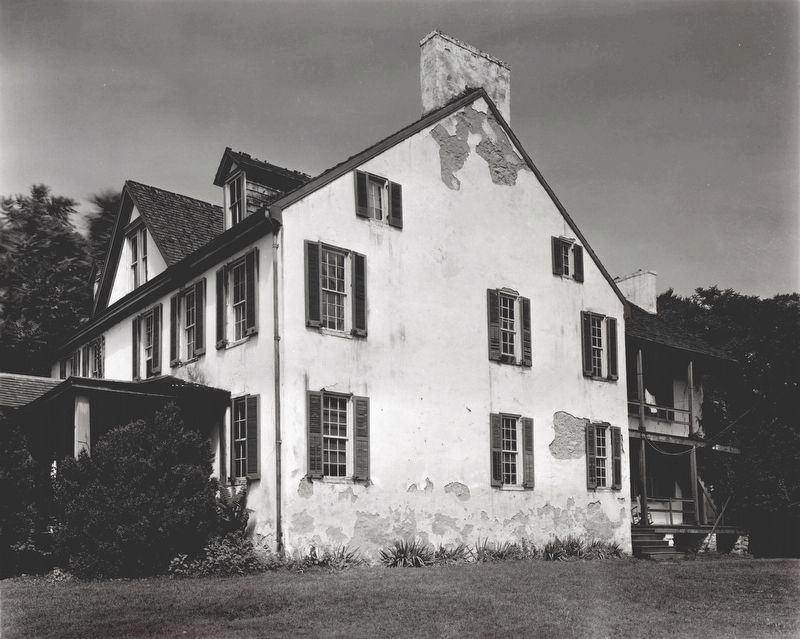
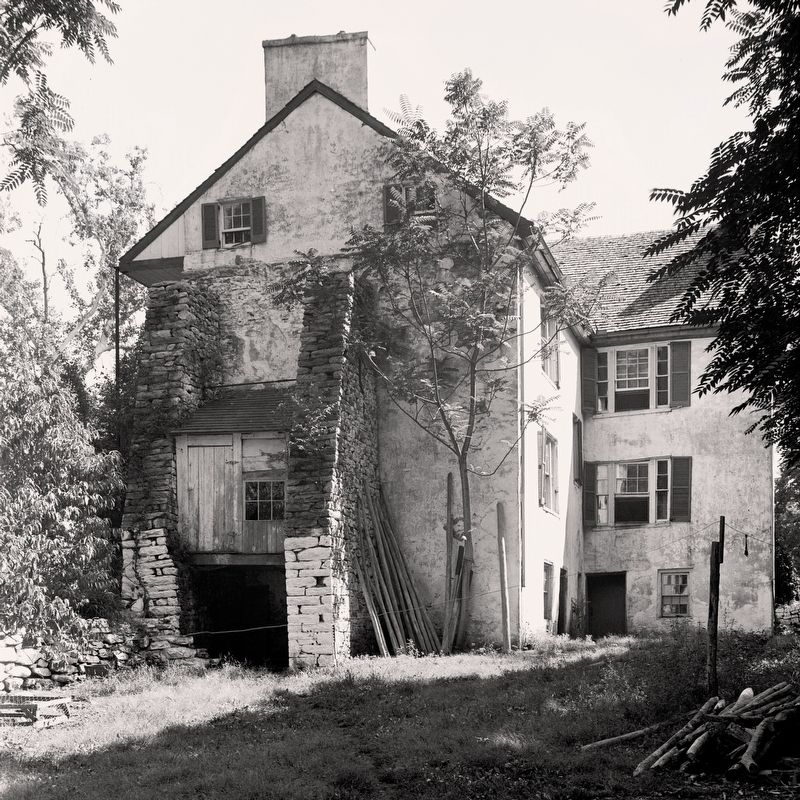
» This photograph was taken in 1936. One year later the last resident moved from the mansion and it was abandoned. Under first federal and then state ownership, the mansion was allowed to slowly deteriorate. The ruins have been stabilized but provide little clue of the grandeur this late 78th century mansion once possessed Photograph from the HABS Collection, courtesy of the Library of Congress.
Photographed by Allen C. Browne, October 18, 2021
5. Front Door Key
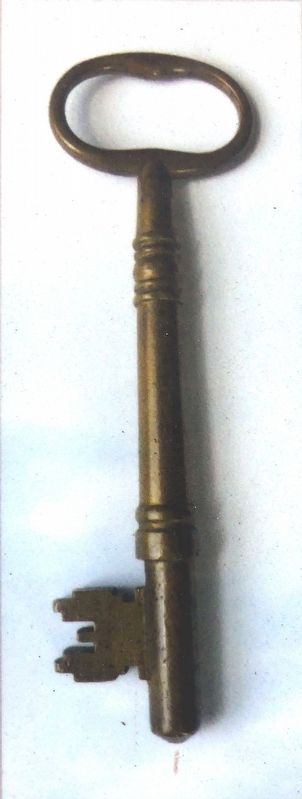
« Front door key to Ironmaster's Mansion: Emma McPherson Benner Kesselring (1873-1968), a domestic worker at the mansion in the 1880s, preserved the key and handed it down in the family. Photograph. Courtesy of Nancy Rice.Close-up of photo on marker
Library of Congress
6. Rear Elevation
« The rear elevation of the Ironmaster's Mansion (Catoctin Manor) showing buttresses supporting the wall. Photograph from the Historic American Building Survey (HABS) Collection, September 1936, courtesy of the Library of Congress.
Photographed by Allen C. Browne, October 18, 2021
7. Washing
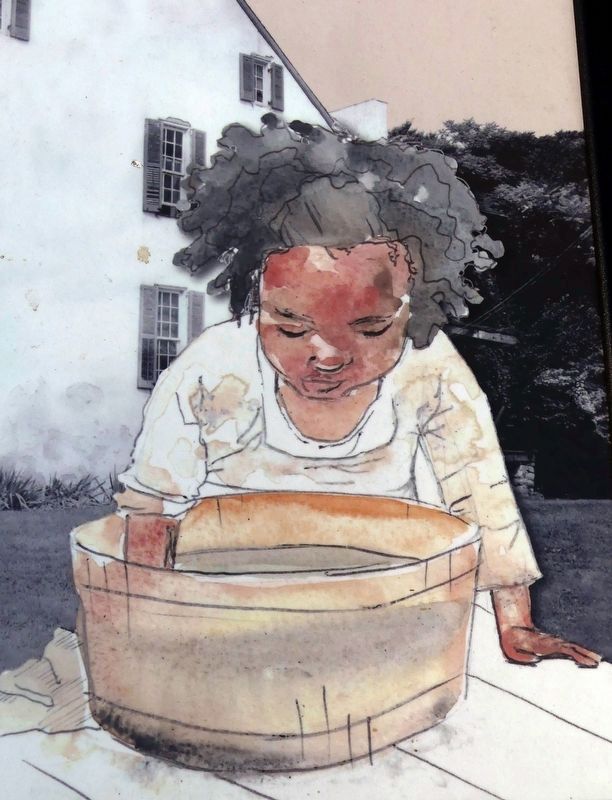
» Washing was a nearly constant task that included boiling, bluing. Soaking in urine, and scrubbing with lye soap. This young child learned by watching and "helping" her enslaved mother, a mansion servant. Watercolor by Lucy Irwin, 2020.Close-up of image on marker.
Photographed by Adam Margolis, September 20, 2025
8. Ironmaster's Mansion Marker
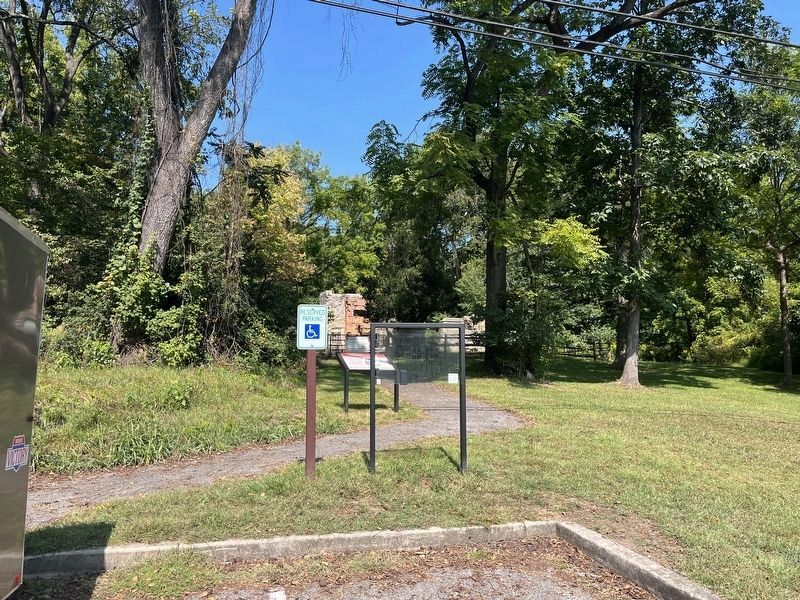
Photographed by Adam Margolis, September 20, 2025
9. Ironmaster's Mansion Marker
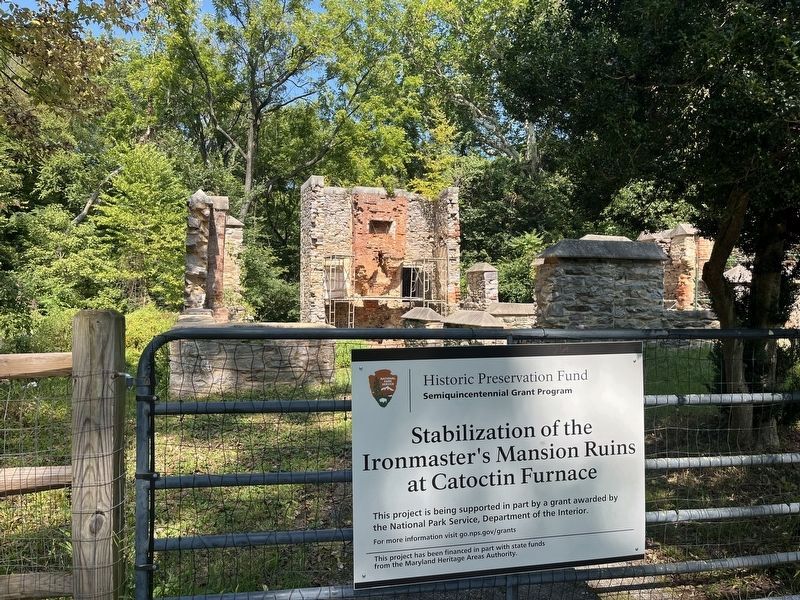
Photographed by Adam Margolis, September 20, 2025
10. Ironmaster's Mansion Marker
Credits. This page was last revised on May 18, 2026. It was originally submitted on October 21, 2021, by Allen C. Browne of Silver Spring, Maryland. This page has been viewed 1,079 times since then and 68 times this year. Photos: 1, 2. submitted on October 21, 2021, by Allen C. Browne of Silver Spring, Maryland. 3. submitted on May 18, 2026, by Devry Becker Jones of Washington, District of Columbia. 4, 5, 6, 7. submitted on October 21, 2021, by Allen C. Browne of Silver Spring, Maryland. 8, 9, 10. submitted on May 7, 2026, by Adam Margolis of Mission Viejo, California. • Mark Hilton was the editor who published this page.
