Homestead in Miami-Dade County, Florida — The American South (South Atlantic)
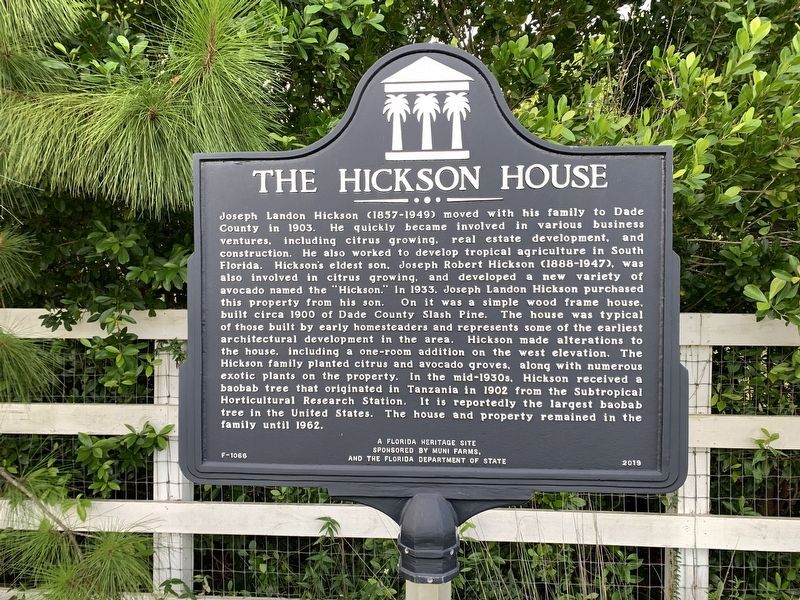
The Hickson House
Photographed by Tim Fillmon, July 12, 2023
1. The Hickson House Marker
this page online
A Florida Heritage Site
Erected 2019 by Muni Farms and the Florida Department of State. (Marker Number F-1066.)
Topics. This historical marker is listed in these topic lists: Architecture • Settlements & Settlers. A significant historical year for this entry is 1900.
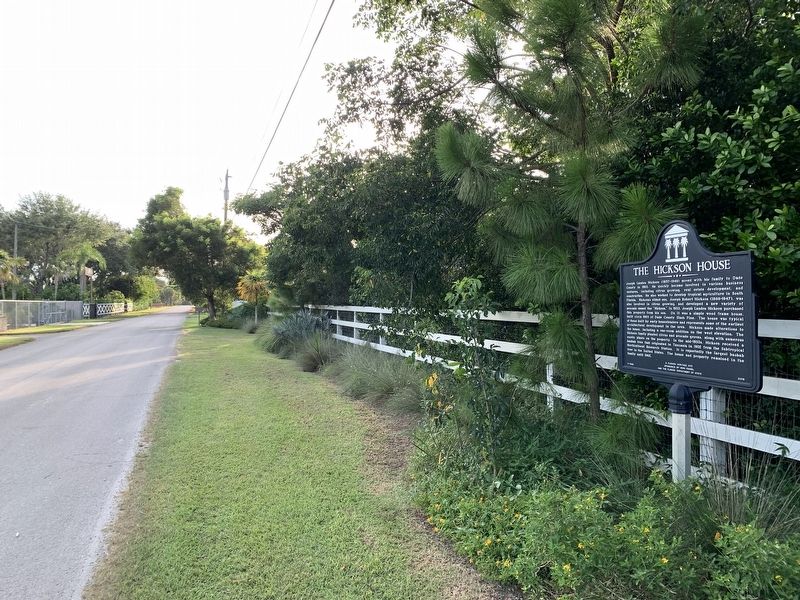
Location. 25° 31.514′ N, 80° 26.498′ W. Marker is in Homestead, Florida, in Miami-Dade County. It is at the intersection of Southwest 260th Street and Southwest 154th Avenue, on the right when traveling west on Southwest 260th Street. Touch for map. Marker is at or near this postal address: 15401 Southwest 260th Street, Homestead FL 33032, United States of America. Touch for directions.

Regionally, this marker is in South Florida, on the Gold Coast, and in Greater Miami. It is also in the American South and on the Eastern Seaboard. Globally, it is in the North Atlantic Region, North America, a Gulf of Mexico state, the Western Hemisphere, the Western World, and the Anglosphere. Historically, it finds itself in what was once New Spain, the territory of the Mississippian Culture, one of the Confederate States of America,
Photographed by Tim Fillmon, July 12, 2023
2. The Hickson House Marker
Other nearby markers. At least 8 other markers are within 4 miles of this marker, measured as the crow flies: Redland Farm Life School (approx. one mile away); Cooper Residence (approx. 1½ miles away); Coral Castle (approx. 1.7 miles away); Silver Palm Historic District (approx. 1.8 miles away); Kosel Homestead (approx. 3.3 miles away); Walton House (approx. 3.6 miles away); Lindeman-Johnson House (approx. 3.9 miles away); Dr. James Archer Smith House (approx. 3.9 miles away). Touch for a list and map of all markers in Homestead.
Another marker is no longer nearby. Palm Lodge (was approx. 3 miles away but has been confirmed missing).
Photographed by Tim Fillmon, July 12, 2023
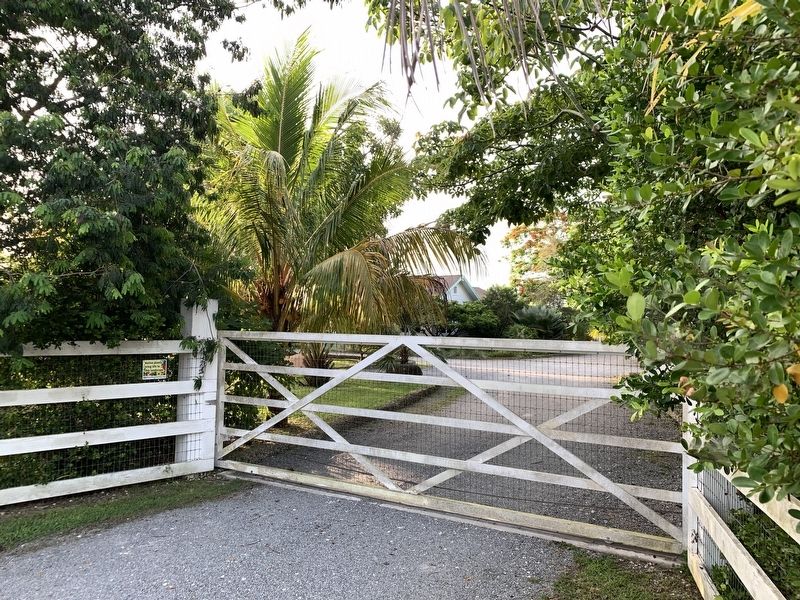
3. The Hickson House
This is the only view available of the house from the road.
Credits. This page was last revised on July 20, 2023. It was originally submitted on July 20, 2023, by Tim Fillmon of Webster, Florida. This page has been viewed 922 times since then and 79 times this year. Photos: 1, 2, 3. submitted on July 20, 2023, by Tim Fillmon of Webster, Florida.
