Burnsville in Yancey County, North Carolina — The American South (South Atlantic)
Nu Wray Inn
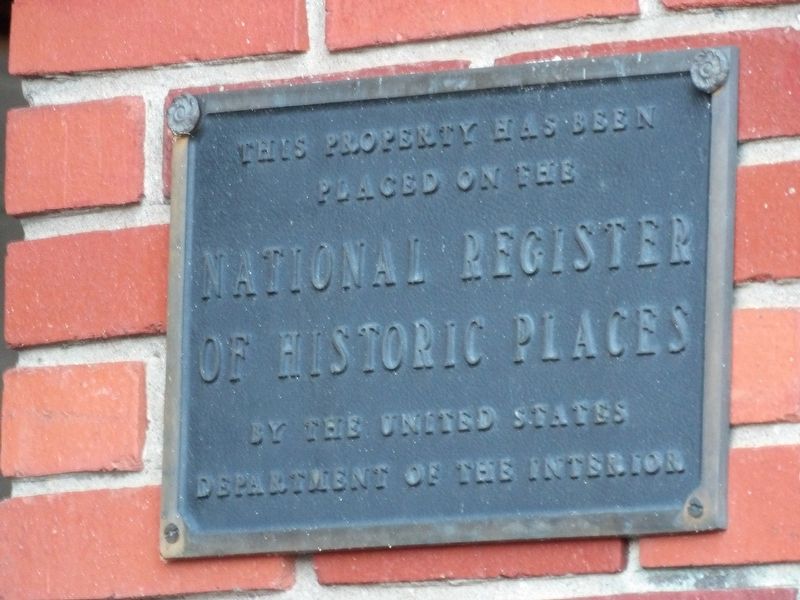
Photographed by Duane and Tracy Marsteller, June 24, 2023
1. Nu Wray Inn Marker
placed on the
National Register
of Historic Places
by the United States
Department of the Interior
Topics and series. This historical marker is listed in these topic lists: Architecture • Industry & Commerce. In addition, it is included in the National Register of Historic Places (NRHP) series list. A significant historical year for this entry is 1833.
Location. 35° 55.012′ N, 82° 17.967′ W. Marker is in Burnsville, North Carolina, in Yancey County. It is at the intersection of Town Square and South Main Street, on the right when traveling east on Town Square. Touch for map. Marker is at or near this postal address: 102 Town Sq, Burnsville NC 28714, United States of America. Touch for directions.

Regionally, this marker is in andspecifically he Mountains in the High Country. It is also in the American South, specifically in the Upper South, in Appalachia, and specifically in Southern Appalachia. Globally, it is in North America, the Western Hemisphere, the Western World, and the Anglosphere. Historically, it finds itself in what was once the original Cherokee Nation, the territory
this page online
Other nearby markers. At least 8 other markers are within walking distance of this marker: John "Yellowjacket John" Bailey (within shouting distance of this marker); Otway Burns Monument (within shouting distance of this marker); Citizens Bank Building (within shouting distance of this marker); Yancey County War Memorial (within shouting distance of this marker); Honoring Yancey County’s Confederate Dead (within shouting distance of this marker); Yancey County Veterans Memorial (within shouting distance of this marker); Yancey Collegiate Institute (within shouting distance of this marker); The Charters of Freedom (within shouting distance of this marker). Touch for a list and map of all markers in Burnsville.
Regarding Nu Wray Inn. Excerpt from the National Register nomination:
Located near the foot of Mount Mitchell , the highest peak in eastern America, Burnsville became the county seat of Yancey County in 1833, and the Nu-Wray Inn has been a landmark on the Burnsville Town Green sincethe earliest years of the establishment of the county and town. The loss of early records obscures the inn's origins , but local tradition attributes the original portions of the structure to Backhaus Smith in the early 1830s. Architectural evidence supports an 1830s date; several early features survive that indicate the original inn was a substantial two-story, double pile structure with a sophistication of detail unusual for the mountain region at the time. The inn was purchased after the Civil War by Garrett and Elizabeth Ray, who made extensive Victorian additions in the 1870s, and the hostelry became known as Ray's Inn. The Rays' daughter Julia married William B. Wray in 1894, and the couple took possession of the inn in 1915. The Wrays made numerous alterations and improvements in the Colonial Revival mode, giving it its present appearance, and renamed it Nu-Wray Inn. Today the inn remains with the Wray family, and thrives as one of the most popular mountain inns in the Southern Appalachians.Photographed by Duane and Tracy Marsteller, June 24, 20232. Nu Wray Inn Marker
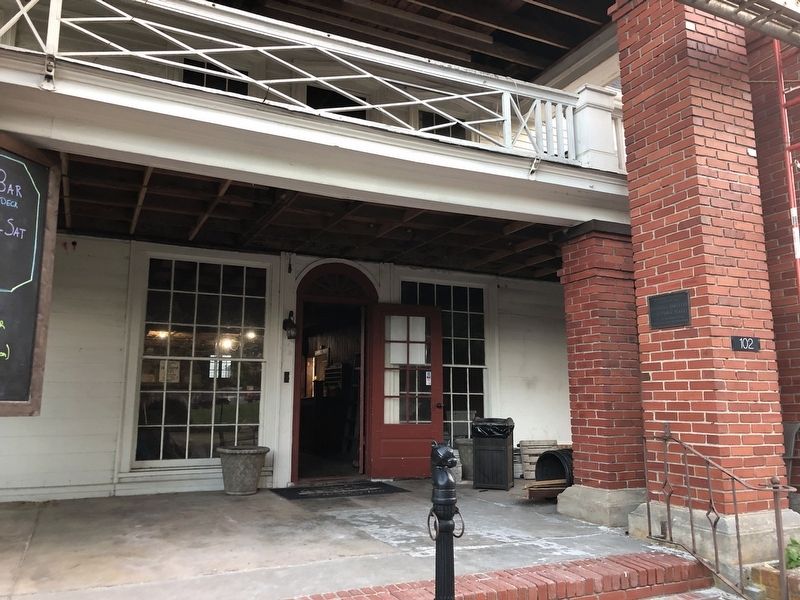
The Wray family sold the inn after the 1985 death of William and Julia Wray's son, Rush Wray. Since then, a succession of owners have attempted
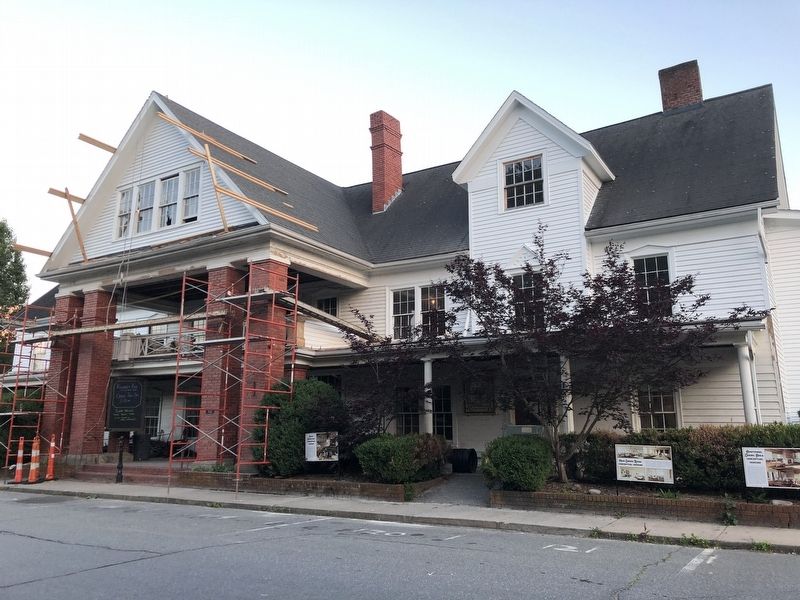
Photographed by Duane and Tracy Marsteller, June 24, 2023
3. The Nu Wray Inn
Also see . . .
1. Nu-Wray Inn (PDF). National Register nomination for the inn, which was listed in 1982. (National Archives) (Submitted on July 27, 2023, by Duane and Tracy Marsteller of Murfreesboro, Tennessee.)
2. History: New Owners, a New Future for Burnsville’s NuWray Inn. Keith and his wife Amanda purchased the cornerstone of Burnsville’s town square: the NuWray Inn. They now hope to restore the 16,500-square-foot hotel to its former glory. But this Herculean task requires wading through several decades of water damage, unsafe patch jobs and gauche wallpaper choices. It also requires unearthing 189 years of history. (Lauren Stepp, The Laurel of Asheville, posted 2022) (Submitted on July 27, 2023, by Duane and Tracy Marsteller of Murfreesboro, Tennessee.)
Credits. This page was last revised on July 27, 2023. It was originally submitted on July 27, 2023, by Duane and Tracy Marsteller of Murfreesboro, Tennessee. This page has been viewed 335 times since then and 34 times this year. Photos: 1, 2, 3. submitted on July 27, 2023, by Duane and Tracy Marsteller of Murfreesboro, Tennessee.
