Valley Furnace in Barbour County, West Virginia — The American South (Appalachia)
Valley Furnace
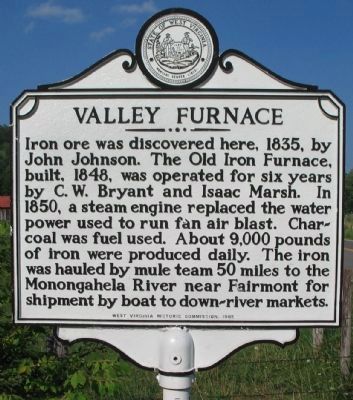
Photographed by Craig Swain, July 24, 2010
1. Valley Furnace Marker
Erected 1965 by West Virginia Historic Commission.
Topics and series. This historical marker is listed in this topic list: Industry & Commerce. In addition, it is included in the Appalachian Iron Furnaces, and the West Virginia Archives and History series lists. A significant historical year for this entry is 1835.
Location. 39° 11.77′ N, 79° 52.017′ W. Marker is in Valley Furnace, West Virginia, in Barbour County. It is on State Highway 38, on the right when traveling west. Touch for map. Marker is in this post office area: Moatsville WV 26405, United States of America. Touch for directions.

Regionally, this marker is in North Central West Virginia. It is also in the American South, specifically in the
this page online
Other nearby markers. At least 8 other markers are within 10 miles of this marker, measured as the crow flies: Preston County / Barbour County (approx. 6.8 miles away); Jonathan Minear (approx. 7½ miles away); Randolph County / Tucker County (approx. 8½ miles away); Seneca Trail (approx. 8.8 miles away); Capture of St. George / Imboden’s Expedition (approx. 9 miles away); St. George (approx. 9 miles away); Saint George Academy (approx. 9.3 miles away); Veterans Memorial (approx. 9½ miles away).
Another marker is no longer nearby. First County Seat / Fort Minear (was approx. 9 miles away but has been confirmed missing).
Also see . . . Antebellum Iron Works in Western Virginia. Photo of the furnace ruins in better days, plus a detailed look at the iron industry in the state. (Submitted on August 2, 2010, by Craig Swain of Leesburg, Virginia.)
Additional commentary.
1.
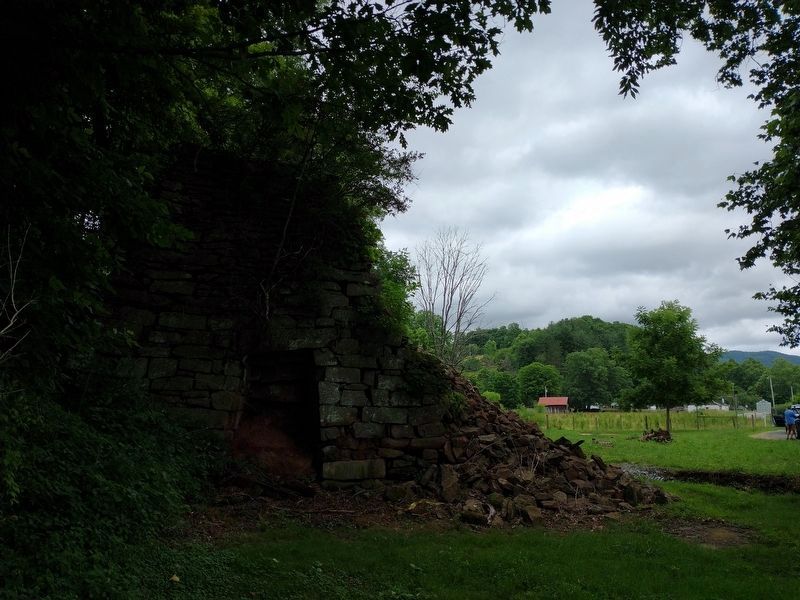
Photographed by Tom Bosse, July 5, 2022
2. Valley Furnace
Felix Ryan was born in Randolph County, Virginia in 1805. His grandfather was an Irish immigrant who settled on land along Licking Creek where it meets the Cheat River, which in 1751 was Augusta County, VA. By the time Felix got together with Isaac Marsh to buy Valley Furnace, he was living along Teter Creek near Nestorville. I believe he and Isaac were cousins. As noted in the history, Valley Furnace became economically untenable in the early 1850s. Felix moved west to Iowa with his wife Leah (Frushour) and family in 1853. Felix was my great-great grandfather and it always pained my Dad that his name never found its way onto the marker. Not that I expect that to change, but I thought I’d set the record straight.
The full story of Valley Furnace can be found here, courtesy of the Barbour County Historical Museum. That matches what we have in our genealogical database.
— Submitted July 24, 2025, by Keith Ryan of Long Valley, New Jersey.
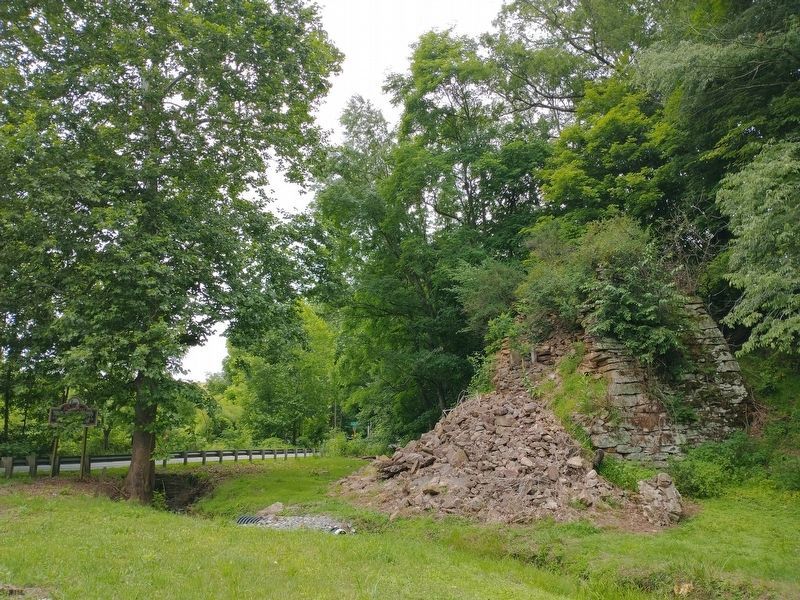
Photographed by Tom Bosse, July 5, 2022
3. Valley Furnace Marker

Photographed by Craig Swain, July 24, 2010
4. Valley Furnace Marker
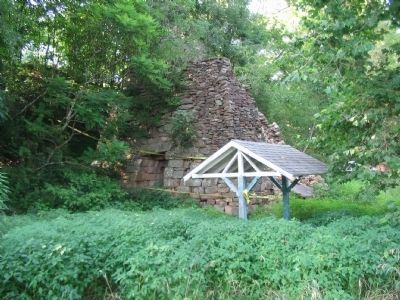
Photographed by Craig Swain, July 24, 2010
5. Furnace Ruins
Photographed by Craig Swain, July 24, 2010
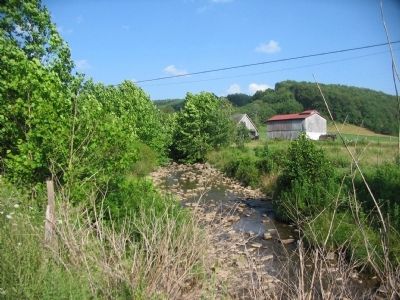
6. Water Power for Furnace
Originally water was diverted from a nearby stream to power air blast machines at the furnace.
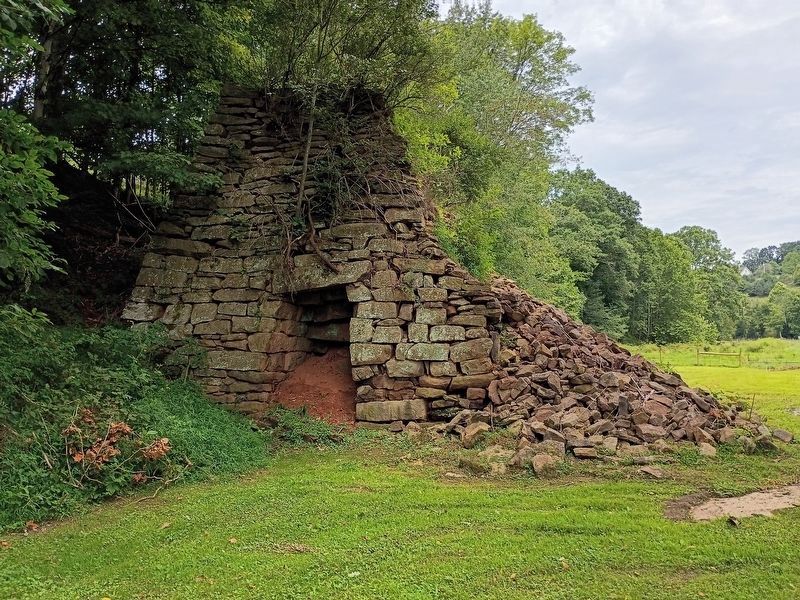
Photographed by Craig Doda, August 1, 2026
7. Valley Furnace Marker
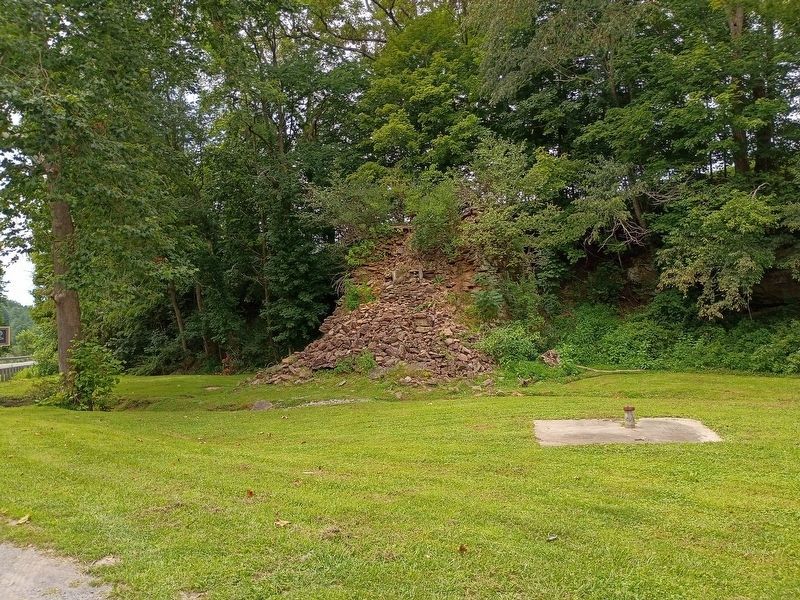
Photographed by Craig Doda, August 1, 2026
8. Valley Furnace Marker
Credits. This page was last revised on August 20, 2026. It was originally submitted on August 2, 2010, by Craig Swain of Leesburg, Virginia. This page has been viewed 2,814 times since then and 135 times this year. Photos: 1. submitted on August 2, 2010, by Craig Swain of Leesburg, Virginia. 2, 3. submitted on August 9, 2022, by Tom Bosse of Jefferson City, Tennessee. 4, 5, 6. submitted on August 2, 2010, by Craig Swain of Leesburg, Virginia. 7, 8. submitted on August 12, 2026, by Craig Doda of Napoleon, Ohio.
