Upper West Side in Manhattan in New York County, New York — The American Northeast (Mid-Atlantic)
George and Ira Gershwin
Photographed by Andrew Ruppenstein, October 3, 2016
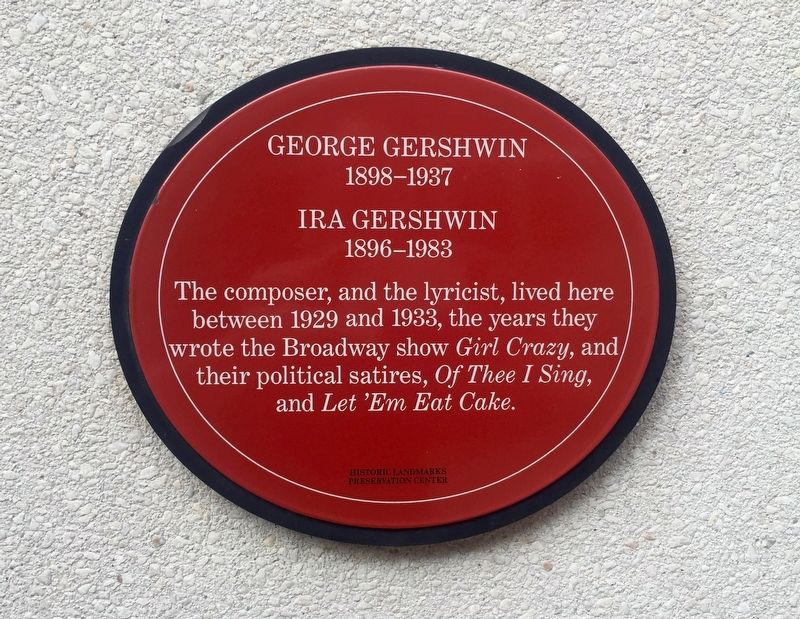
1. George and Ira Gershwin Marker
1898 - 1937
Ira Gershwin
1896 - 1983
The composer, and the lyricist, lived here between 1929–33, the years they wrote Broadway show Girl Crazy and, their political satires, Of Thee I Sing, and Let 'Em Eat Cake.
Erected by Historic Landmarks Preservation Center.
Topics and series. This historical marker is listed in this topic list: Arts, Letters, Music. In addition, it is included in the New York, New York City Historic Landmarks Preservation Center Cultural Medallions series list.
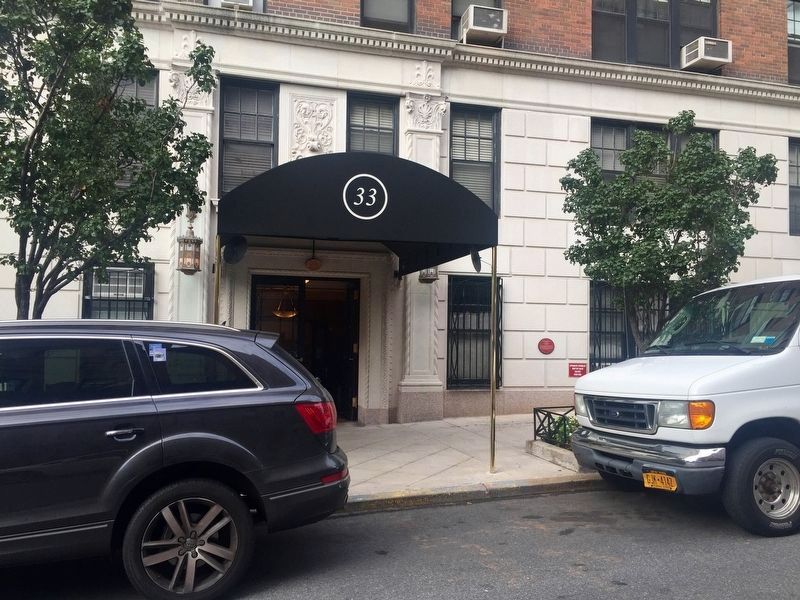
Location. 40° 46.946′ N, 73° 59.063′ W. Marker is in Manhattan, New York, in New York County. It is in the Upper West Side. It is at the intersection of West 75th Street and Riverside Drive, on the right when traveling west on West 75th Street. Touch for map. Marker is at or near this postal address: 33 Riverside Drive, New York NY 10023, United States of America. Touch for directions.

Regionally, this marker is in New York City. It is also in the American Northeast, in the Mid-Atlantic, and on the Eastern Seaboard. Globally, it is in the North Atlantic
this page online
Other nearby markers. At least 8 other markers are within walking distance of this marker: Hamilton Fountain (about 300 feet away, measured in a direct line); West End Collegiate Church and Collegiate School (about 700 feet away); Eleanor Roosevelt Monument (about 700 feet away); Anna Eleanor Roosevelt (about 800 feet away); a different marker also named West End Collegiate Church and Collegiate School (approx. 0.2 miles away); Riverside Park South (approx. 0.2 miles away); 246 West End Avenue (approx. 0.2 miles away); The Apthorp Apartments (approx. 0.2 miles away). Touch for a list and map of all markers in Manhattan.
Other markers no longer nearby. Hamilton Fountain (was about 300 feet away but has been replaced with another marker now near it); Riverside Park (was approx. 0.2 miles away but has been permanently removed).
More about this marker. The building the Gershwins lived in has a Riverside Drive Street address,
Photographed by Andrew Ruppenstein, October 3, 2016
2. George and Ira Gershwin Marker - Wide View (W. 75th St. Entrance of 33 Riverside Dr. Building)
The marker is visible here to the right of the entrance.
Also see . . . The Gershwin Brothers: Ira and George. American Composers. Part 5. Composer Marvin Hamlisch discusses the lives and music of George and Ira Gershwin. (Submitted on October 7, 2016.)
Photographed by Allen C. Browne, July 22, 2017
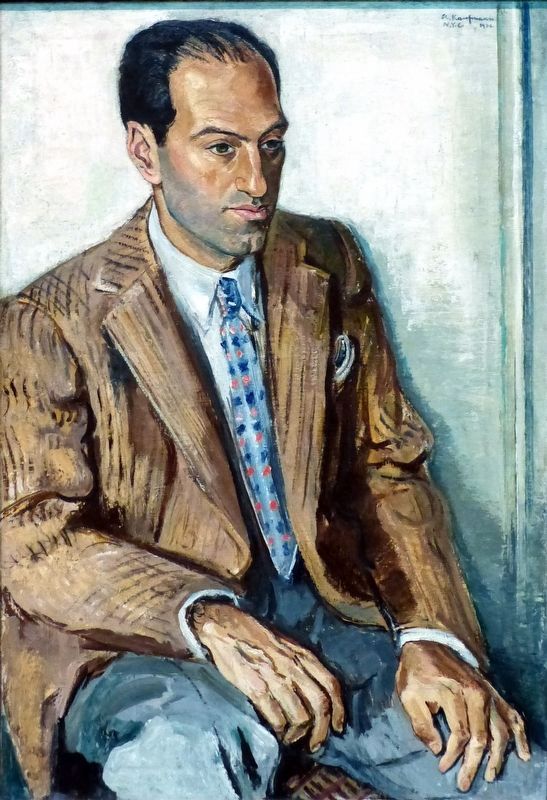
3. George Gershwin
This 1936 portrait of George Gershwin (1898-1937) by Arthur Kaufman hangs in the National Portrait Gallery in Washington, DC.
“In the early decades of the twentieth century, when waves of immigration and explosive urban growth transformed the face of America, George Gershwin emerged as a transcendent voice of modernism. His staccato- paced, syncopated rhythms helped define the Jazz Age on Broadway in the 1920s in such shows as Lady Be Good and Girl Crazy. At the height of the Great Depression, his ‘folk opera’ Porgy and Bess attempted to catch the clash and blends of cultural ‘interfusions’ that he saw as distinctively American. And he was part of the Hollywood scene during the golden age of the silver screen, notably completing with his lyricist brother Ira the score for The Goldwyn Follies just before his death in 1937, at age thirty-nine. Gershwin had become a centrifugal force in the lively arts in years marked by a search for a modern American identity.” — National Portrait Gallery
“In the early decades of the twentieth century, when waves of immigration and explosive urban growth transformed the face of America, George Gershwin emerged as a transcendent voice of modernism. His staccato- paced, syncopated rhythms helped define the Jazz Age on Broadway in the 1920s in such shows as Lady Be Good and Girl Crazy. At the height of the Great Depression, his ‘folk opera’ Porgy and Bess attempted to catch the clash and blends of cultural ‘interfusions’ that he saw as distinctively American. And he was part of the Hollywood scene during the golden age of the silver screen, notably completing with his lyricist brother Ira the score for The Goldwyn Follies just before his death in 1937, at age thirty-nine. Gershwin had become a centrifugal force in the lively arts in years marked by a search for a modern American identity.” — National Portrait Gallery
Photographed by Unknown, unknown
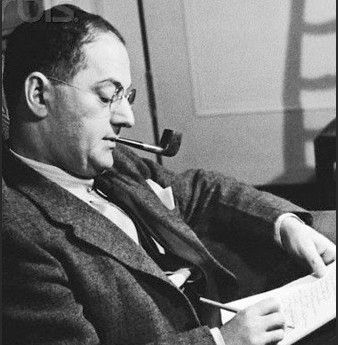
4. Ira Gershwin
Credits. This page was last revised on January 31, 2023. It was originally submitted on October 7, 2016, by Andrew Ruppenstein of Lamorinda, California. This page has been viewed 1,509 times since then and 112 times this year. Photos: 1, 2. submitted on October 7, 2016, by Andrew Ruppenstein of Lamorinda, California. 3. submitted on September 19, 2017, by Allen C. Browne of Silver Spring, Maryland. 4. submitted on April 9, 2020, by Larry Gertner of New York, New York.
