Cotati in Sonoma County, California — The American West (Pacific Coastal)
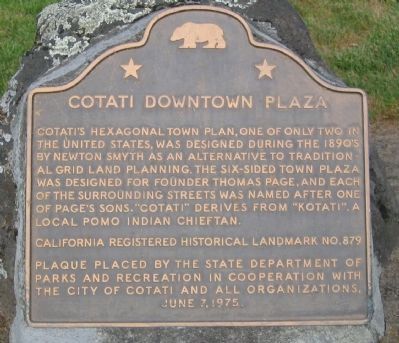
Cotati Downtown Plaza
Photographed by Syd Whittle, May 12, 2006
1. Cotati Downtown Plaza Marker
Erected 1975 by The State Department of Parks and Recreation in cooperation with The City of Cotati and all organizations, June 7, 1975. (Marker Number 879.)
Topics and series. This historical marker is listed in these topic lists: Landmarks • Notable Places • Settlements & Settlers. In addition, it is included in the California Historical Landmarks series list.
Location. 38° 19.593′ N, 122° 42.37′ W. Marker is in Cotati, California, in Sonoma County. It can be reached from the intersection of Old Redwood Highway and East Cotati Avenue. Touch for map. Marker is in this post office area: Rohnert Park CA 94926, United States of America. Touch for directions.

Regionally,
this page online
Other nearby markers. At least 8 other markers are within 8 miles of this marker, measured as the crow flies: Veronda/Falletti Ranch (approx. ¼ mile away); Washoe House (approx. 1.8 miles away); Penngrove (approx. 3.1 miles away); The Willow Creek Inn (approx. 5.1 miles away); Wilmar Union Elementary School District And Wilson Elementary School (approx. 5.8 miles away); "Dos Piedras" (approx. 6.3 miles away); Sergeant Richard A. Penry (approx. 7.1 miles away); Volpi's Grocery (approx. 7.2 miles away).
Another marker is no longer nearby. Vallejo’s Petaluma Adobe (was approx. 2½ miles away but has been reported to have been replaced with another marker now near it).
Regarding Cotati Downtown Plaza. This
Photographed by Syd Whittle, September 2, 2006
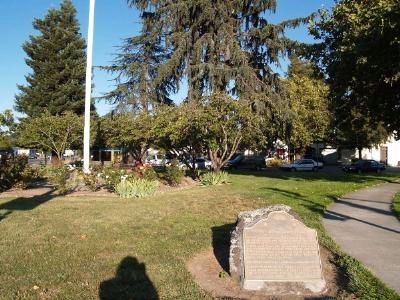
2. Cotati Downtown Plaza and Marker
Also see . . . City of Cotati: 19th Century Cotati. Excerpt:
The exact source of the design for the city center remains a mystery, but there are at least two very good possibilities. First is that it was patterned after the hexagonal barn at the Page ranch, which in turn may have been built along lines that were in fashion at the time of its construction. Another possibility is that it was fashioned after the radiating star plan which is prevalent in the layout of many European cities, as well as Washington, D.C. and Detroit, Michigan. Whatever the reason for its design, it was deemed unique enough to gain State Historical Landmark status in 1973.(Submitted on October 2, 2008, by Syd Whittle of Mesa, Arizona.)
Additional commentary.
1. Landmark has multiple errors
The 1975 petition for this landmark was based on erroneous information that has been repeated endlessly ever since. Local historians are working to have a new one made.
There is no evidence of another hexagonal town plan like this in the United States. It is unique in the
Photographed by Syd Whittle, May 12, 2006
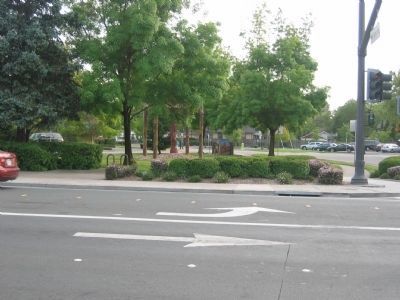
3. Cotati Downtown Plaza
Also there never was a local chief named Cotati. This area is Coast Miwok territory, not Pomo, and they do not have “chiefs.” The name comes from a traditional Coast Miwok village. Also, “Chieftan” is misspelled.
This plaque is a mess that needs fixing. For more information, contact the Cotati Historical Society and Museum, www.cotatimuseum.org
— Submitted May 3, 2025, by Marie Thomas McNaughton of Cotati, California.
Photographed by City of Cotati - History
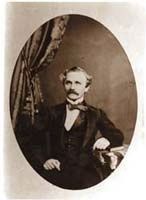
4. Dr. Thomas Stokes Page
Credits. This page was last revised on May 4, 2025. It was originally submitted on October 2, 2008, by Syd Whittle of Mesa, Arizona. This page has been viewed 1,833 times since then and 96 times this year. Photos: 1, 2, 3, 4. submitted on October 2, 2008, by Syd Whittle of Mesa, Arizona.
