Pencader Hundred near Glasgow in New Castle County, Delaware — The American Northeast (Mid-Atlantic)
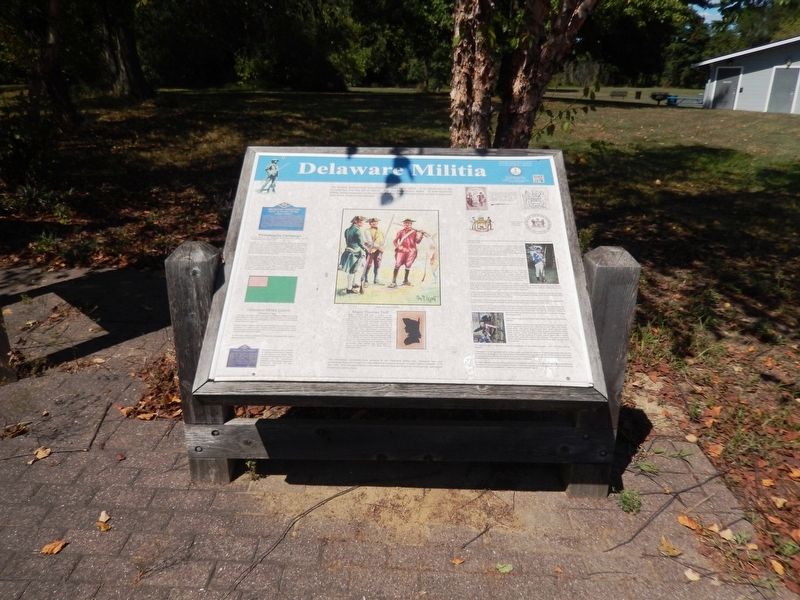
Delaware Militia
Photographed by Don Morfe, September 8, 2019
1. Delaware Militia Marker
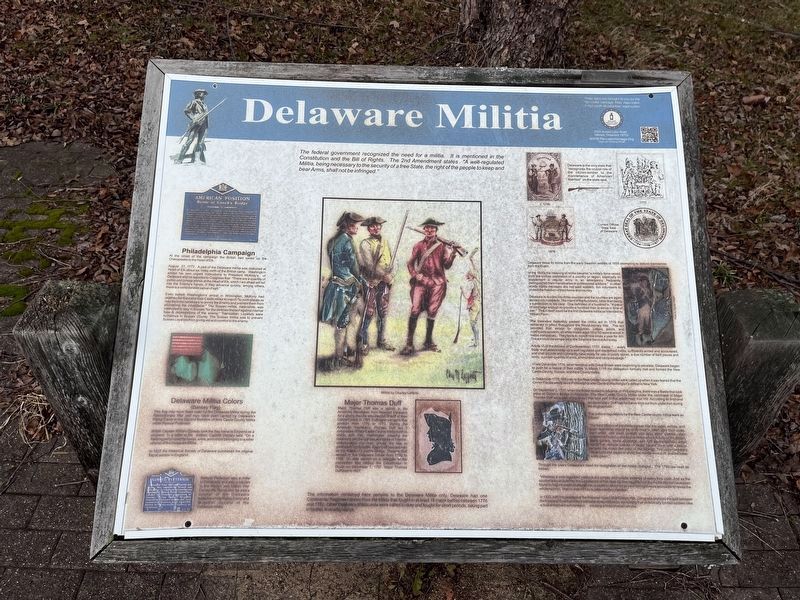
The federal government recognized the need for a militia. It is mentioned in the Constitution and the Bill of Rights. The 2nd Amendment states “A well-regulated Militia, being necessary to the security of a free State, the right of the people to keep and bear Arms, shall not be infringed.”
Delaware dates its militia from the early Swedish settlers of 1656 attempting to defend the territories from the Dutch. In the 1600s the meaning of militia became “a military force raised from the civilian population of a country or region, especially to supplement a regular army in an emergency, frequently distinguished from mercenaries or professional soldiers.” In other works militia members are not paid soldiers but volunteers to protect the freedom of their home and country. Delaware is divided into three counties and the counties are again divided into hundreds. The intent of the hundreds, other than being a subdivision, is not clear. One definition of a hundred is; “A piece of land large enough to provide a hundred men to serve in time of war.” This in itself could be the first Delaware militia as intended by William Penn.
this page online
Photographed by Devry Becker Jones (CC0), December 30, 2023
2. Delaware Militia Marker
Unfortunately, the marker has significantly weathered.
Photographed by Don Morfe, September 8, 2019
3. Delaware Militia Marker
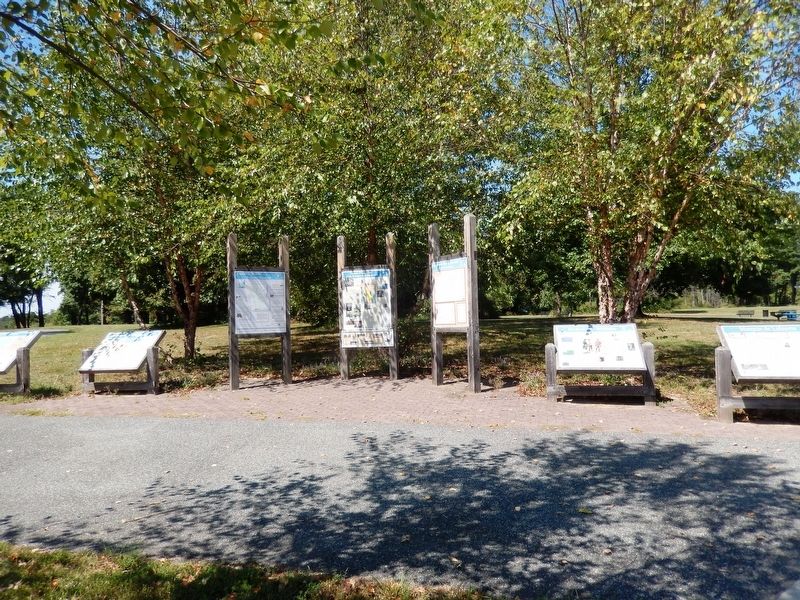
Erected by Pencader Heritage Area Association.
Topics and series. This memorial is listed in this topic list: War, US Revolutionary. In addition, it is included in the Former U.S. Presidents: #01 George Washington series list.
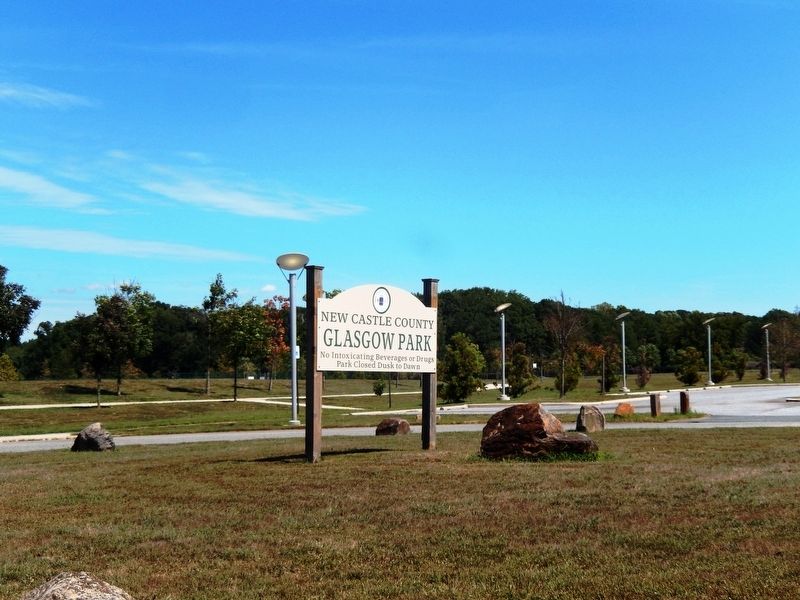
Location. Memorial is missing. It was located near 39° 36.463′ N, 75° 43.61′ W. Memorial was near Glasgow, Delaware, in New Castle County. It was in Pencader Hundred. It was on Pulaski Highway (U.S. 40). The marker is located in Glasgow Park. Touch for map. Memorial was at or near this postal address: 2275 Pulaski
Photographed by Don Morfe, September 8, 2019
4. Signage at Glasgow Park

Regionally, this memorial was in Greater Wilmington and in Greater Philadelphia. It was also in the American Mid-Atlantic, on the Delmarva Peninsula, and on the Eastern Seaboard. Globally, it was in the North Atlantic Region, North America, the Western Hemisphere, the Western World, and the Anglosphere. Historically, it found itself in what was once New Netherland and also one of the original Thirteen Colonies.
Other nearby markers. At least 8 other markers are within walking distance of this location: The March Through Pencader (here, next to this marker); Mason Dixon Line & the Boundaries of Delaware (here, next to this marker); Exploring the Past of Pencader Hundred (here, next to this marker); The Hundreds of Delaware (a few steps from this marker); Historic Iron Ore Mining (a few steps from this marker); In the Beginning … (approx. half a mile away); a different marker also named The March Through Pencader (approx. half a mile away); The Battle of Cooch's Bridge (approx. half a mile away). Touch for a list and map of all markers in Glasgow.
Another
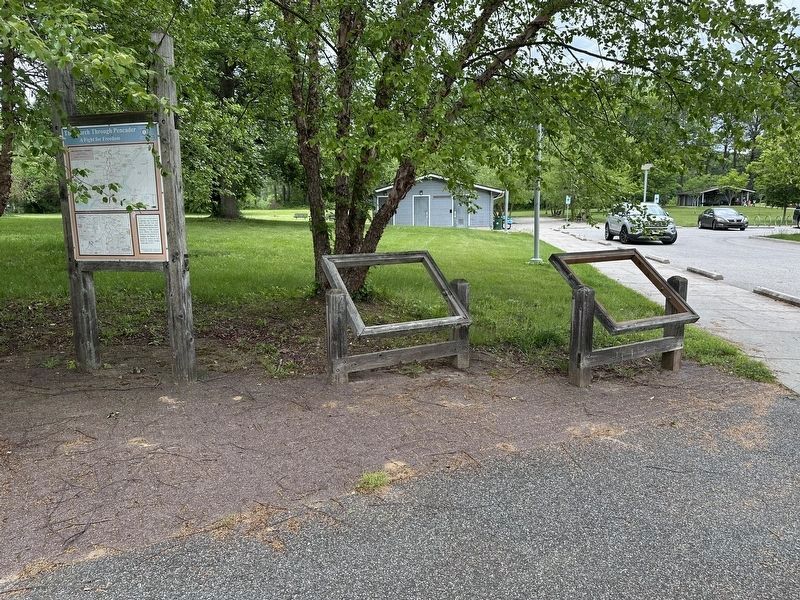
Photographed by Pete Skillman, May 18, 2025
5. Delaware Militia Marker - damaged / missing
Credits. This page was last revised on May 20, 2026. It was originally submitted on September 26, 2019, by Don Morfe of Baltimore, Maryland. This page has been viewed 699 times since then and 42 times this year. Photos: 1. submitted on September 26, 2019, by Don Morfe of Baltimore, Maryland. 2. submitted on December 31, 2023, by Devry Becker Jones of Washington, District of Columbia. 3, 4. submitted on September 26, 2019, by Don Morfe of Baltimore, Maryland. 5. submitted on May 18, 2025, by Pete Skillman of Wilmington, Delaware. • Bill Pfingsten was the editor who published this page.
