Waconia in Carver County, Minnesota — The American Midwest (Upper Plains)
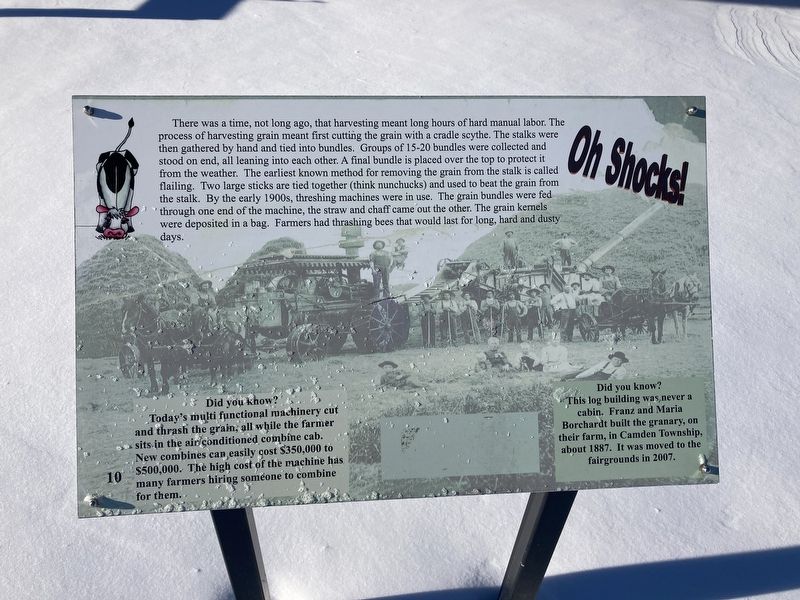
Oh Shocks!
Photographed by Connor Olson, December 25, 2020
1. Oh Shocks! Marker
Did you know?
Today's multi functional machinery cut
and thrash the grain, all while the farmer
sits in the air conditioned combine cab.
New combines can easily cost $350,000 to
$500,000. The high cost of the machine has
many farmers hiring someone to combine
for them.
Did you know?
this page online
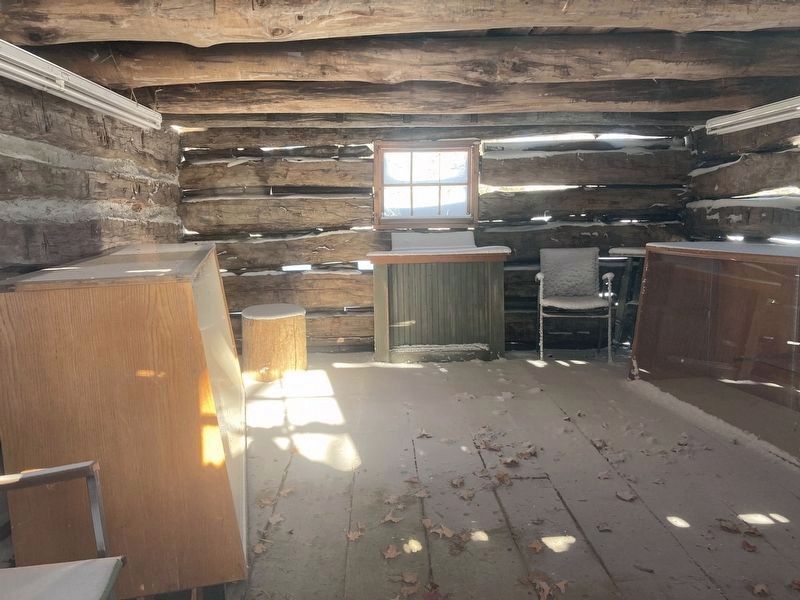
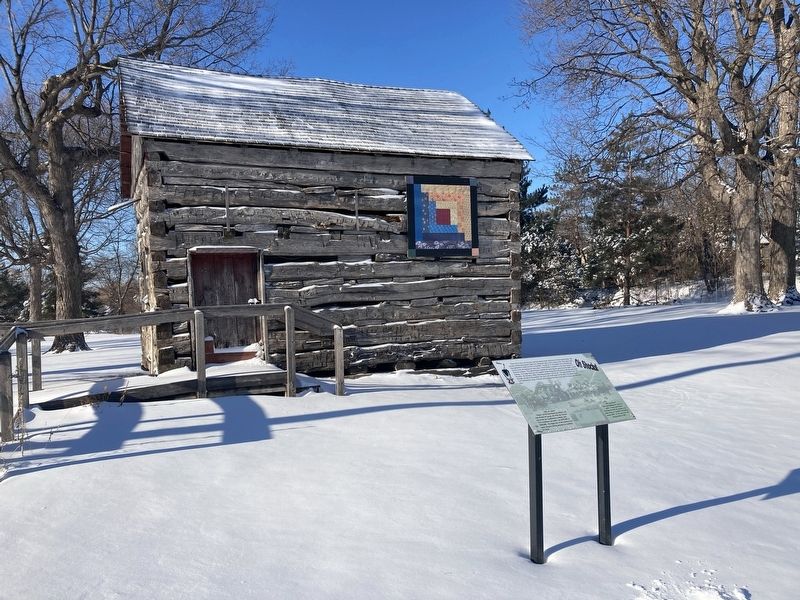
This log building was never a cabin. Franz and Maria Borchardt built the granary, on their farm, in Camden Township, about 1887. It was moved to the fairgrounds in 2007.
Topics. This historical marker is listed in these topic lists: Agriculture • Industry & Commerce. A significant historical year for this entry is 1887.
Location. 44° 50.745′ N, 93° 47.839′ W. Marker is in Waconia, Minnesota, in Carver County. It is on Burandt Boulevard, on the left when traveling south. Located on the Carver County Fairgrounds near Partridge Cir. Touch for map. Marker is in this post office area: Waconia MN 55387, United States of America. Touch for directions.

Regionally, this marker is in the Minnesota River Valley and in the Twin Cities Metropolitan Area. It is also in the American Midwest and in the Corn Belt. Globally, it is in North America, the Western Hemisphere, the Western World, and the Anglosphere. Historically, it finds itself in what was once Rupert’s Land, the territory of the Mississippian Culture, and the Louisiana Purchase.
Other nearby markers. At least 8 other markers are within 5 miles of this marker, measured
Photographed by Connor Olson, December 25, 2020
2. Borchardt Cabin Interior
Photographed by Connor Olson, December 25, 2020
3. Borchardt Cabin
Credits. This page was last revised on December 27, 2020. It was originally submitted on December 26, 2020, by Connor Olson of Menomonee Falls, Wisconsin. This page has been viewed 362 times since then and 16 times this year. Photos: 1, 2, 3. submitted on December 26, 2020, by Connor Olson of Menomonee Falls, Wisconsin. • Mark Hilton was the editor who published this page.
