LeClaire in Scott County, Iowa — The American Midwest (Upper Plains)
LeClaire's Rapid Pilots
| — | Quad Cities Riverway | — |
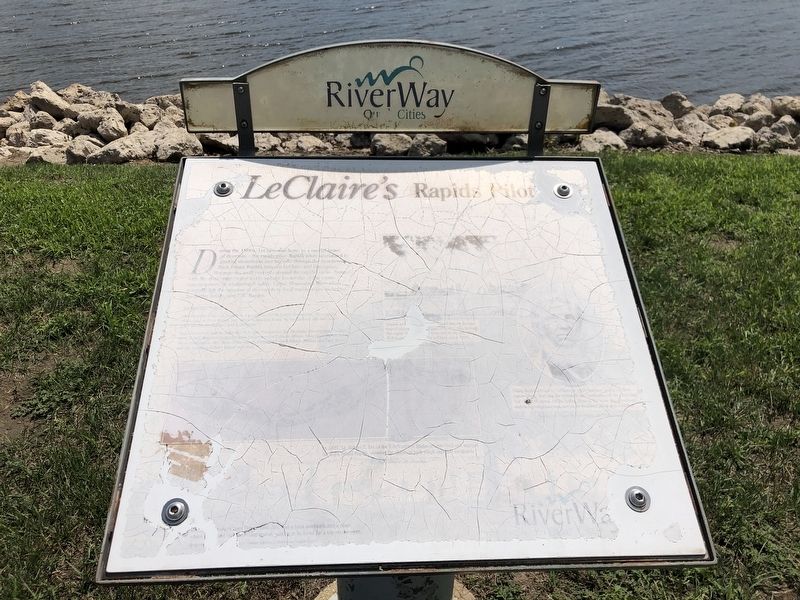
Photographed by Duane and Tracy Marsteller, July 8, 2023
1. LeClaire's Rapid Pilots Marker
[Captions (left to right)]
• In 1837, Lt. Robert E. Lee of the U.S. Corps of Engineers surveyed and mapped the Rock Island Rapids, showing the chains of rock which impeded navigation.
• (unreadable)
• Philip Suiter arrived in LeClaire in 1836 and was one of the first rapids pilots, learning the rapids by the landmarks on the riverbanks. For almost 100 years, Philip Suiter, three of his sons, two grandsons and two great-grandsons served as riverboat pilots and captains.
Topics. This historical marker is listed in this topic list: Waterways & Vessels. A significant historical year for this entry is 1836.
Location. 41° 35.846′ N,
this page online

Regionally, this marker is in the Quad Cities and in Eastern Iowa. It is also in the American Midwest, in the Corn Belt, and in the Great River Road Region. Globally, it is in North America, the Western Hemisphere, the Western World, and the Anglosphere. Historically, it finds itself in what was once the territory of the Mississippian Culture and also the Louisiana Purchase.
Other nearby markers. At least 8 other markers are within walking distance of this location: LeClaire Veterans Monument (a few steps from this marker); Green Tree / Buffalo Bill Trail (within shouting distance of this marker); Buffalo Bill Museum (about 400 feet away, measured in a direct line); LeClaire City Hall (about 500 feet away); The Horton-Suiter House (about 700 feet away); The George Tromley, Jr. House (about 800
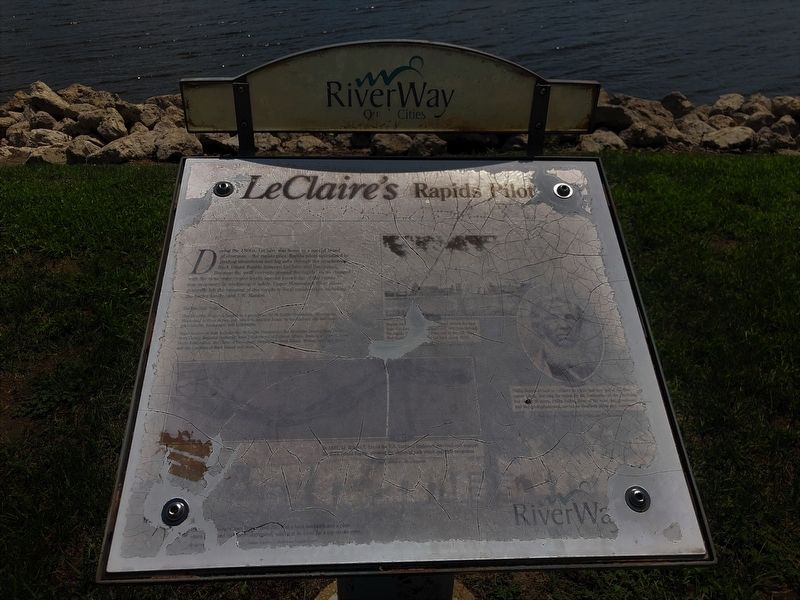
Photographed by Duane and Tracy Marsteller, July 8, 2023
2. LeClaire's Rapid Pilots Marker
Image has been altered to make it more legible.
Also see . . . Tales of boat-killing rapids still fascinate. The Upper Rock Island Rapids:
Rock Island Argus/Dispatch website entry (Submitted on September 6, 2026, by Larry Gertner of New York, New York.)
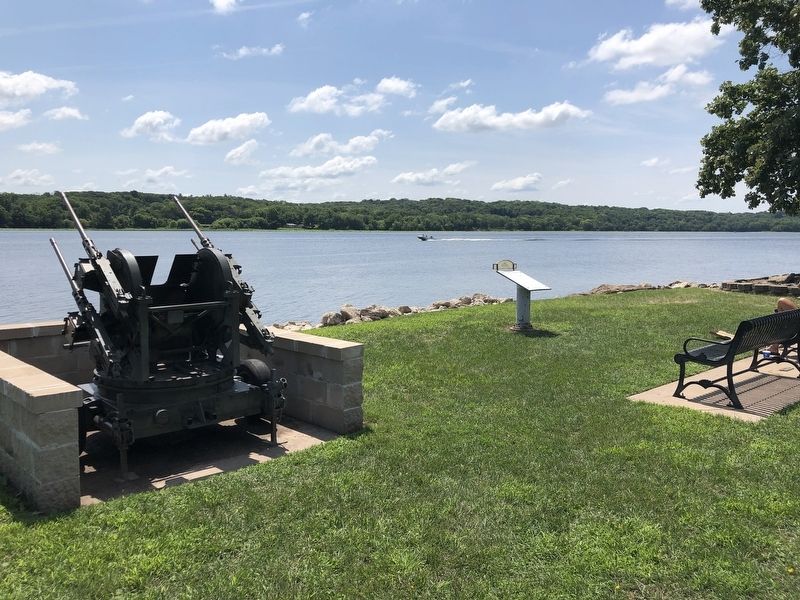
Photographed by Duane and Tracy Marsteller, July 8, 2023
3. LeClaire's Rapid Pilots Marker
Credits. This page was last revised on September 6, 2026. It was originally submitted on August 9, 2023, by Duane and Tracy Marsteller of Murfreesboro, Tennessee. This page has been viewed 412 times since then and 61 times this year. Photos: 1, 2, 3. submitted on August 9, 2023, by Duane and Tracy Marsteller of Murfreesboro, Tennessee.
