Noblesville in Hamilton County, Indiana — The American Midwest (Great Lakes)
Conner Street Historic District
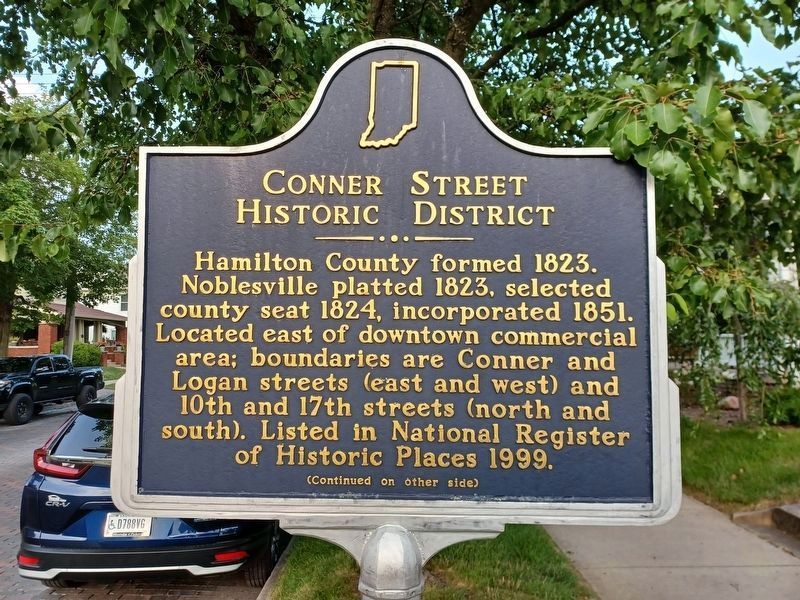
Photographed by Joel Seewald, July 24, 2023
1. Conner Street Historic District Marker — side 1
Hamilton County formed 1823. Noblesville platted 1823, selected county seat 1824, incorporated 1851. Located east of downtown commercial area; boundaries are Conner and Logan streets (east and west) and 10th and 17th streets (north and south). Listed in National Register of Historic Places 1999.
Available railroad transportation after 1851 and discovery of natural gas (1887) helped town to grow. District was a significant neighborhood, including a mix of structures and styles of the middle-class and affluent citizens who were active in business, politics, and civic affairs of the town.
Erected 2005 by Indiana Historical Bureau and Noblesville Preservation Alliance. (Marker Number 29.2005.1.)
Topics and series. This historical marker is listed in these topic lists: Architecture • Industry & Commerce • Political Subdivisions • Settlements & Settlers. In addition, it is included in the Indiana Historical Bureau Markers series list. A significant historical year for this entry is 1823.
Location. 40° 2.79′ N, 86° 0.715′ W. Marker is in Noblesville, Indiana, in Hamilton County. It is on Logan Street east
this page online

Regionally, this marker is in Central Indiana and specifically in Greater Indianapolis. It is also in the American Midwest and in the Corn Belt. Globally, it is in North America, the Western Hemisphere, the Western World, and the Anglosphere. Historically, it finds itself in what was once the territory of the Mississippian Culture and also the Northwest Territory.
Other nearby markers. At least 8 other markers are within walking distance of this marker: Cherokee Lodge (within shouting distance of this marker); Neal Block (within shouting distance of this marker); Dedicated to All Veterans (about 300 feet away, measured in a direct line); Grand Hotel (about 300 feet away); U.S. Post Office (about 300 feet away); J.G. Heylmann & Sons (about 400 feet away); Heylmann Repository (about 400 feet away); First National Bank (about 400 feet away). Touch for a list and map of all markers in Noblesville.
More about this marker.
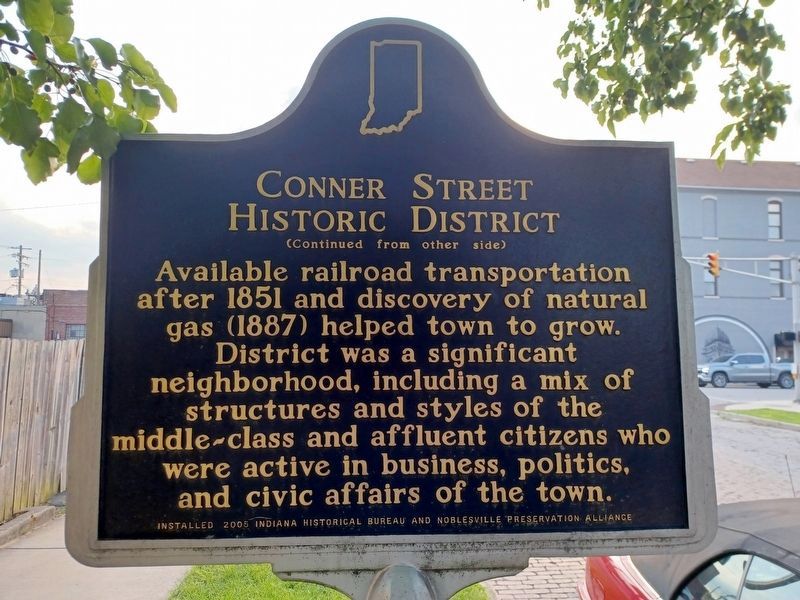
Photographed by Joel Seewald, July 24, 2023
2. Conner Street Historic District Marker — side 2
Also see . . .
1. Noblesville, Indiana. Wikipedia entry (Submitted on May 13, 2022, by Larry Gertner of New York, New York.)
2. National Register of Historic Places Registration Form. "The Conner Street Historic District is a locally significant residential district for architecture, community planning and development, and social history... The area's development began with the original Noblesville plat and contains additions dating back to 1851. There are several architecturally significant homes as well as many structures that contribute to the integrity of the residential district. This area is a reflection of the commercial development of Noblesville in that many citizens who were active in Noblesville's business, political and civic development lived along Conner and Logan Streets. As they prospered, the construction of new homes and the additions to existing ones increased." (Submitted on September 20, 2023, by Joel Seewald of Madison Heights, Michigan.)
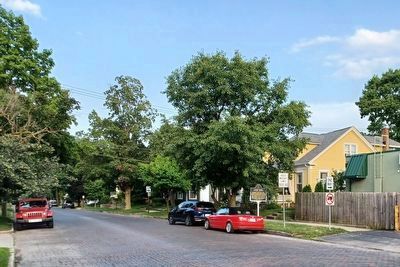
Photographed by Joel Seewald, July 24, 2023
3. Conner Street Historic District and Marker
View looking to the east along Logan street from North 10th Street.
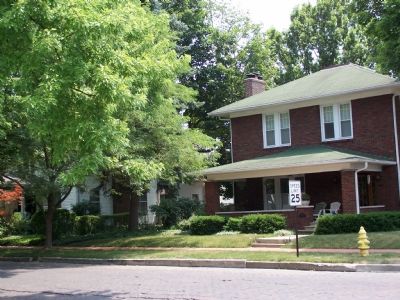
Photographed by M. Bowyer, June 16, 2007
4. A house on Logan Street, in the historic district.
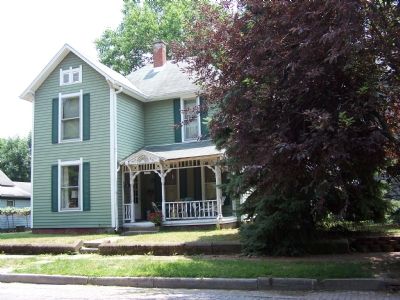
Photographed by M. Bowyer, June 16, 2007
5. A house on Logan Street, in the historic district.
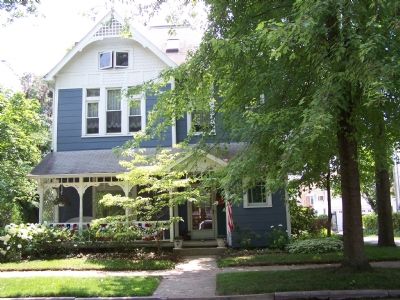
Photographed by M. Bowyer, June 16, 2007
6. A house on Logan Street, in the historic district.
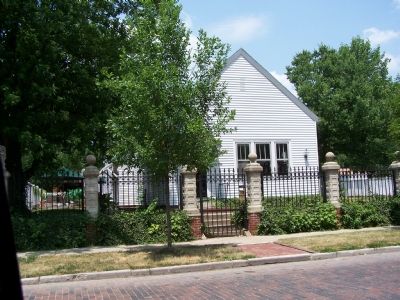
Photographed by M. Bowyer, June 16, 2007
7. A house on Logan Street, in the historic district.
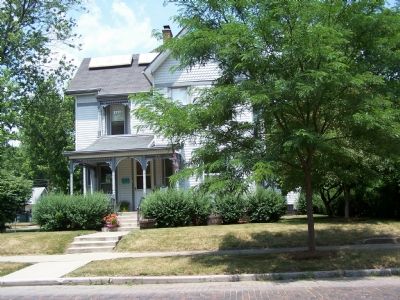
Photographed by M. Bowyer, June 16, 2007
8. A house on Logan Street, in the historic district.
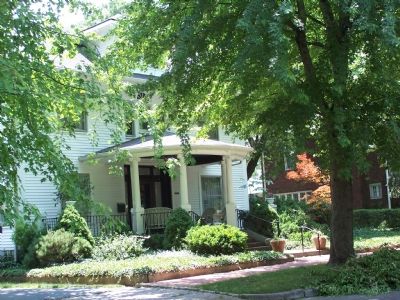
Photographed by M. Bowyer, June 16, 2007
9. A house on Logan Street, in the historic district.
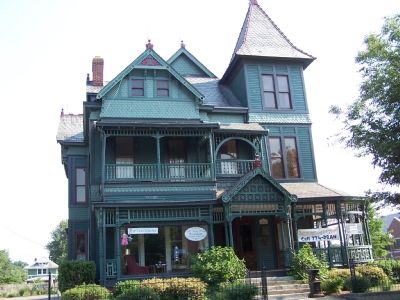
Photographed by M. Bowyer, June 16, 2007
10. A house on Conner Street, in the historic district.
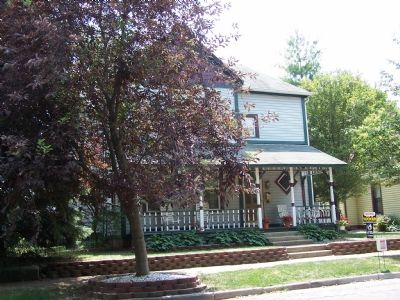
Photographed by M. Bowyer, June 16, 2007
11. A house on Logan Street, in the historic district.
Logan Street has a cobblestone/brick road. There have been several battles in the city over replacing the cobblestone/brick with concrete painted to look like brick.
Credits. This page was last revised on October 20, 2025. It was originally submitted on April 10, 2006, by M. Bowyer of Indianapolis, Indiana. This page has been viewed 2,987 times since then and 72 times this year. Last updated on October 12, 2024, by Trevor L Whited of Kokomo, Indiana. Photos: 1, 2, 3. submitted on September 20, 2023, by Joel Seewald of Madison Heights, Michigan. 4, 5, 6, 7, 8, 9, 10, 11. submitted on June 16, 2007, by M. Bowyer of Indianapolis, Indiana. • J. Makali Bruton was the editor who published this page.
Editor’s want-list for this marker. A link to the National Register of Historic Places nomination form with the historical significance of the historic district cited. • Can you help?
