Brentwood in Williamson County, Tennessee — The American South (East South Central)
Enslaved Cabins
Photographed by Darren Jefferson Clay, May 26, 2025
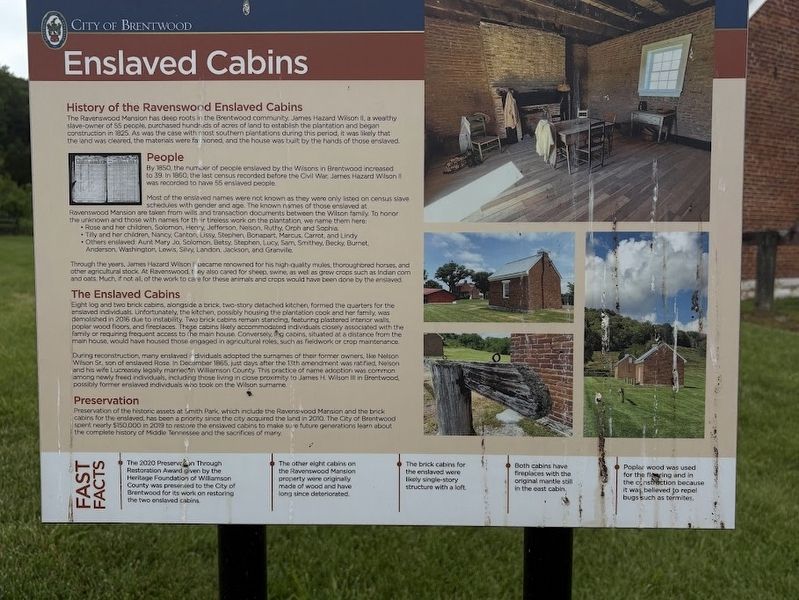
1. Enslaved Cabins Marker
The Ravenswood Mansion has deep roots in the Brentwood community. James Hazard Wilson II, a wealthy slave-owner of 55 people, purchased hundreds of acres of land to establish the plantation and began construction in 1825. As was the case with most southern plantations during this period, it was likely that the land was cleared, the materials were fashioned, and the house was built by the hands of those enslaved.
People
By 1850, the number of people enslaved by the Wilsons in Brentwood increased to 39. In 1860, the last census recorded before the Civil War. James Hazard Wilson II was recorded to have 55 enslaved people. Most of the enslaved names were not known as they were only listed on census slave schedules with gender and age. The known names of those enslaved at Ravenswood Mansion are taken from wills and transaction documents between the Wilson family. To honor the unknown and those with names for their tireless work on the plantation, we name them here:
• Rose and her children, Solomon, Henry, Jefferson, Nelson, Ruthy, Orph and Sophia
• Tilly and her children,
this page online
• Others enslaved: Aunt Mary Jo, Solomon, Betsy, Stephen, Lucy, Sam, Smithey, Becky, Burnet, Anderson, Washington, Lewis, Silvy, Landon, Jackson, and Granville.
Through the years, James Hazard Wilson became renowned for his high-quality mules, thoroughbred horses, and other agricultural stock. At Ravenswood they also cared for sheep, swine, as well as grew crops such as Indian com and oats. Much, if not all, of the work to care for these animals and crops would have been done by the enslaved.
The Enslaved Cabins
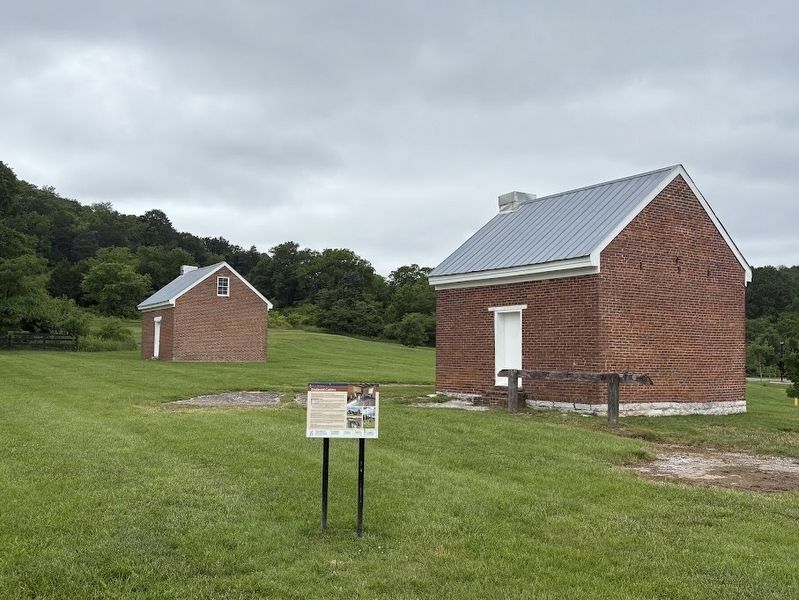
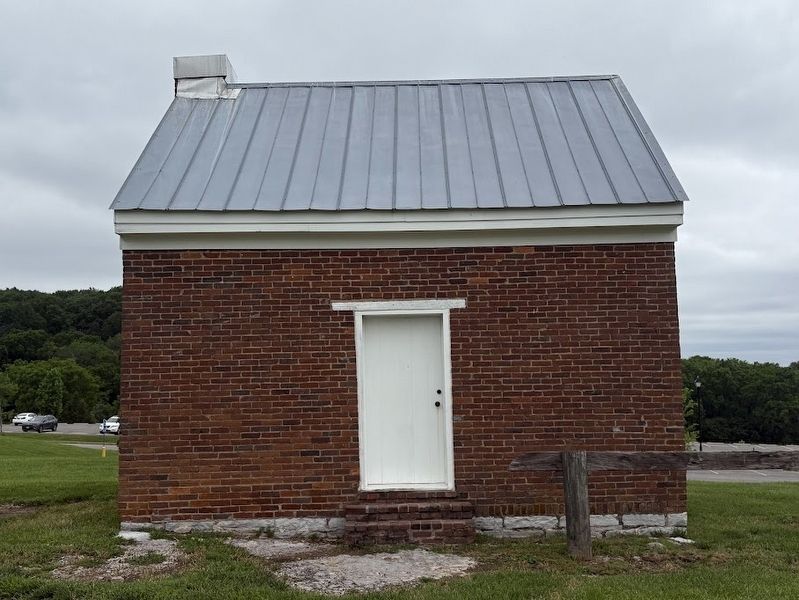
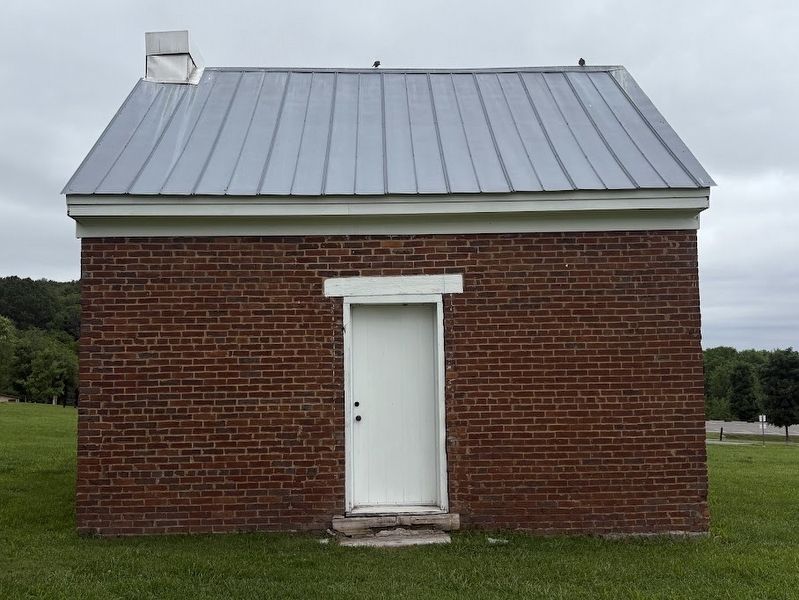
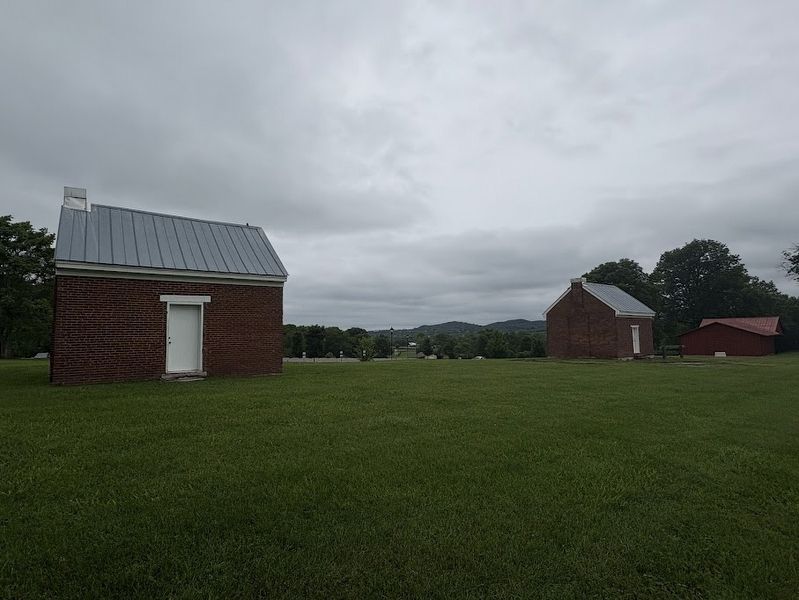
Eight log and two brick cabins, alongside a brick, two-story detached kitchen, formed the quarters for the enslaved individuals. Unfortunately, the kitchen, possibly housing the plantation cook and her family, was demolished in 2016 due to instability. Two brick cabins remain standing, featuring plastered interior walls, poplar wood floors, and fireplaces. These cabins likely accommodated individuals closely associated with the family or requiring frequent access to the main house. Conversely, log cabins, situated at a distance from the main house, would
Photographed by Darren Jefferson Clay, May 26, 2025
2. Enslaved Cabins Marker
During reconstruction, many enslaved individuals adopted the surnames of their former owners, like Nelson Wilson Sr., son of enslaved Rose. In December 1865, just days after the 13th amendment was ratified, Nelson and his wife Lucreasey legally married in Williamson County. This practice of name adoption was common among newly freed individuals, including those living in close proximity to James H. Wilson III in Brentwood, possibly former enslaved individuals who took on the Wilson surmame.
Preservation
Preservation of the historic assets at Smith Park, which include the Ravenswood Mansion and the brick cabins for the enslaved, has been a priority since the city acquired the land in 2010. The City of Brentwood spent nearly $150,000 in 2019 to restore the enslaved cabins to make sure future generations learn about the complete history of Middle Tennessee and the sacrifices of many.
Fast Facts
• The 2020 Preserve on Through Restoration Award given by the Heritage Foundation of Williamson County was presented to the City of Brentwood for its
Photographed by Darren Jefferson Clay, May 26, 2025
3. Enslaved Cabin at Ravenswood
• The other eight cabins on the Ravenswood Mansion property were originally made of wood and have long since deteriorated.
• The brick cabins for the enslaved were likely single-story structure with a loft.
Both cabins have fireplaces with the original mantle still in the east cabin.
• Poplar wood was used for the flooring and in the construction because it was believed to repel bugs such as termites.
Erected by City of Brentwood.
Topics. This historical marker is listed in this topic list: Notable Buildings.
Location. 35° 56.786′ N, 86° 46.331′ W. Marker is in Brentwood, Tennessee, in Williamson County. It can be reached from Wilson Pike west of Marcella Vivrette Smith Park Road, on the right when traveling south. Touch for map. Marker is at or near this postal address: 1825 Wilson Pike, Brentwood TN 37027, United States of America. Touch for directions.

Regionally, this marker is in Middle Tennessee and in Greater Nashville. It is also in the American South and specifically in the Upper South. Globally, it is in North
Photographed by Darren Jefferson Clay, May 26, 2025
4. Enslaved Cabin at Ravenswood
Other nearby markers. At least 8 other markers are within 2 miles of this marker, measured as the crow flies: Cistern and Root Cellar (about 300 feet away, measured in a direct line); Ravenswood Mansion (about 300 feet away); Spring House (about 700 feet away); Seward Hall (approx. 1.4 miles away); Primm Historic Park (approx. 1.4 miles away); Clovercroft Road and Wilson Pike Area / Breezeway (approx. 1.4 miles away); The Boiling Spring Site (approx. 1.4 miles away); Prehistoric Native American Indian Town (approx. 1.4 miles away). Touch for a list and map of all markers in Brentwood.
Photographed by Darren Jefferson Clay, May 26, 2025
5. Enslaved Cabins at Ravenswood
Credits. This page was last revised on June 3, 2025. It was originally submitted on June 1, 2025, by Darren Jefferson Clay of Duluth, Georgia. This page has been viewed 283 times since then and 62 times this year. Photos: 1, 2, 3, 4, 5. submitted on June 1, 2025, by Darren Jefferson Clay of Duluth, Georgia. • James Hulse was the editor who published this page.
