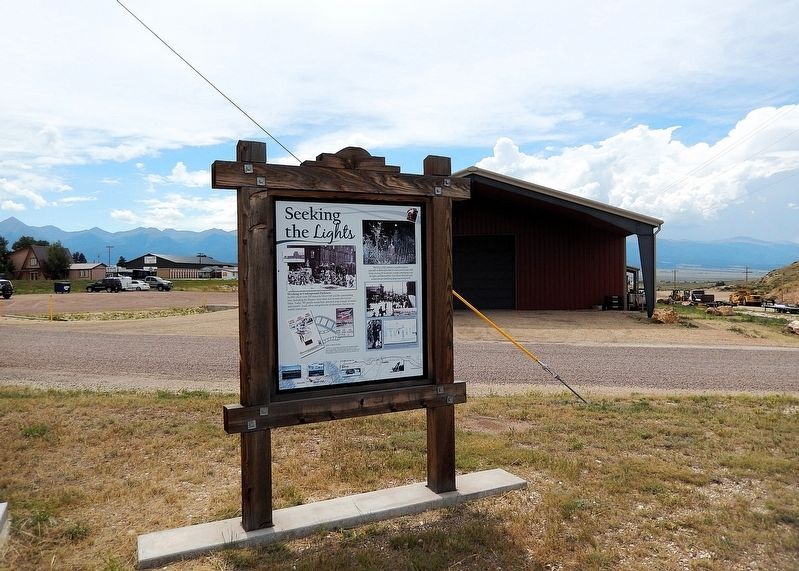
Seeking the Lights
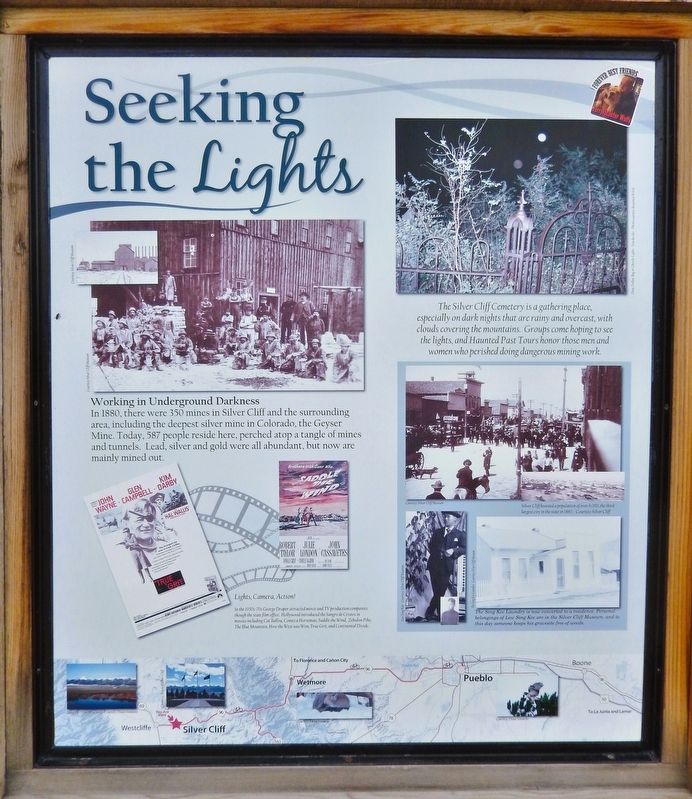
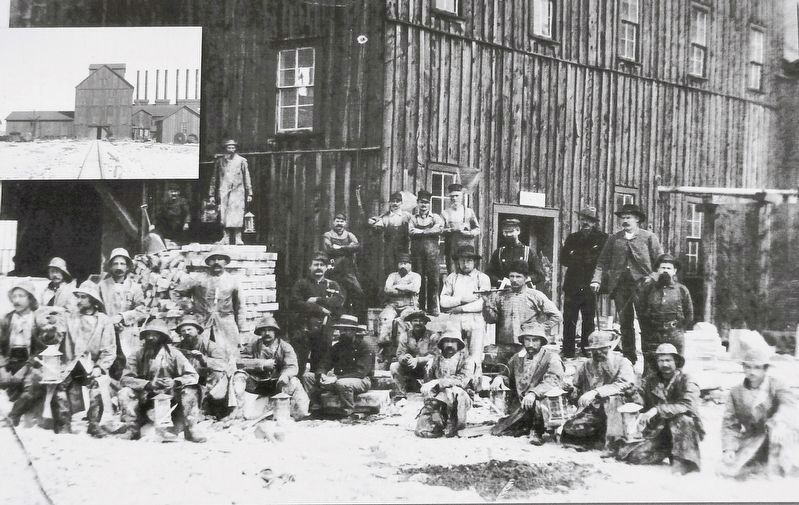
Working in Underground Darkness
In 1880, there were 350 mines in Silver Cliff and the surrounding area, including the deepest silver mine in Colorado, the Geyser Mine. Today, 587 people reside here, perched atop a tangle of mines and tunnels. Lead, silver and gold were all abundant, but now are mainly mined out.
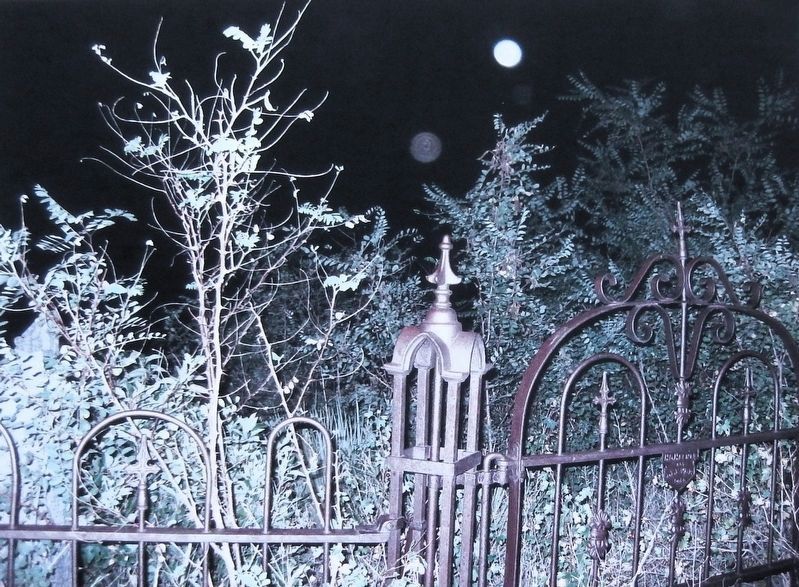
The Silver Cliff Cemetery is a gathering place, especially on dark nights that are rainy and overcast, with clouds covering the mountains. Groups come hoping to see the lights, and Haunted Past Tours honor those men and women who perished doing dangerous mining work.
Lights, Camera, Action!
In the 1950s-70s George Draper attracted movie and TV production companies through the state film office. Hollywood introduced the Sangre de Cristos in movies including Cat Ballou, Comes a Horseman, Saddle the Wind, Zebulon Pike, The Blue Mountain, How the West was Won, True Grit, and Continental Divide.
Topics. This historical marker is listed in these topic lists: Entertainment • Industry & Commerce. A significant historical year for this entry is 1880.
Location. 38° 8.206′ N, 105° 26.43′ W. Marker is in Silver Cliff, Colorado,
this page online

Regionally, this marker is in the American Mountain West. Globally, it is in North America, the Rocky Mountains, the Western Hemisphere, the Western World, and the Anglosphere. Historically, it finds itself in what was once the Comanchería and also the Republic of Texas.
Other nearby markers. At least 8 other markers are within 2 miles of this marker, measured as the crow flies: Silver Cliff Mine (a few steps from this marker); Silver Cliff Museum (approx. ¼ mile away); The Men Who Explored with Zebulon Pike (approx. ¼ mile away); The Spirit of '76 Century Time Capsule (approx. 1.4 miles away); Westcliff School (approx. 1.4 miles away); For God and Country (approx. 1½ miles away); Hope Lutheran Church (approx. 1½ miles away); The Wolff Hotel (approx. 1½ miles away). Touch for a list and map
Also see . . .
1. Silver Cliff History (SilverCliffCo.com).
Excerpt: Silver Cliff is indicative of the "boom and bust" cycle that was typical of many Colorado mining communities in the late 19th century. Perhaps the best description was provided by Crofutt, in his 1881 Grip-Sack Guide, who described Silver Cliff as "the infant of September 1878, the mushroom of 1879, and the giant of 1880." By 1881, estimates of the number of people living in Silver Cliff ranged from 6,000 to 16,000. The official census, conducted in June 1880, listed a population of 5,040. This figure placed Silver Cliff as the state's third largest city, behind only Denver and Leadville.(Submitted on August 21, 2025, by Cosmos Mariner of Cape Canaveral, Florida.)Despite its large population, the terminus of the D&RG RR was placed a mile to the west in 1881, securing the existence of Westcliffe. And by 1882, the process of decline for Silver Cliff had begun. The mining boom was over, and with the closing of mines and mills, businesses began to close and the population decreased. Many businessmen and home owners put their buildings on rollers and moved them to Westcliffe. Abandonment of a nearby
railroad line in 1888 further isolated the town and by 1900, the official census records listed a population of 576.Courtesy Benjamin Welch3. Marker detail: Silver Cliff CemeteryDust, Pollen, Bug or Ghostly Lights ~ You decide!
2. George Calvin Draper (1926-2013) (Find A Grave).
(from Wet Mountain Tribune, Westcliffe, CO, 1/31/2013) Excerpt: A resident of Wetmore nearly his entire life, Draper came from a long line of pioneers. His father acquired the current ranch holdings in 1930, and the 5,000-acre property, which straddles portions of Custer and Fremont counties. Draper worked hard in his cattle and quarter horse operation and was an avid rodeo competitor. In those capacities he was active in a variety of state and national organizations.(Submitted on August 21, 2025, by Cosmos Mariner of Cape Canaveral, Florida.)Draper worked closely with his cousin Karol Smith of Cañon City, head of the state film commission, to bring scores of movie and television production companies to Custer and Fremont Counties in the 1950s, ‘60s and ‘70s. Some were important Hollywood epics: Saddle the Wind, How the West Was Won, True Grit. Draper provided livestock and served as a double in many of these ventures, which poured tens of
thousands of dollars into the local economy and which brought plenty of attention to the region (what movie-goer’s jaw didn’t drop when viewing the Sangre de Cristos in, say, Cat Ballou or Comes A Horseman, and then checked the credits to locate this special place?)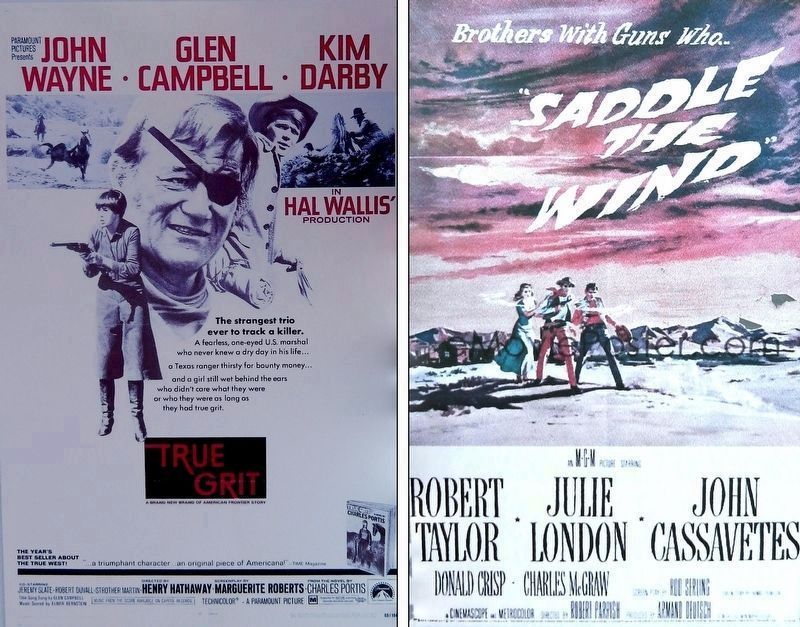 4. Marker detail: Cinema PostersTrue Grit (1975) and Saddle the Wind (1958) movie posters

[bottom] The Sing Kee Laundry is now converted to a residence. Personal belongings of Lew Sing Kee are in the Silver Cliff Museum, and to this day someone keeps his graveside free of weeds.
Credits. This page was last revised on August 21, 2025. It was originally submitted on August 18, 2025, by Cosmos Mariner of Cape Canaveral, Florida. This page has been viewed 99 times since then and 33 times this year. Photos: 1, 2, 3, 4, 5, 6. submitted on August 21, 2025, by Cosmos Mariner of Cape Canaveral, Florida.
