Sant in Roma in Città metropolitana di Roma Capitale, Latium, Rome, Italy — Central Italy (Tyrrhenian Coast)
San Luigi dei Francesi
Chiesa Giubilare
⎯⎯⎯ Saint Louis of the French
Jubilee Church
Photographed by Sean P. Flynn, August 4, 2025
1. San Luigi dei Francesi / Saint Louis of the French Marker
Inscription.
San Luigi dei Francesi, also, Saint Louis of the French. Chiesa Giubilare, also, Jubilee Church.
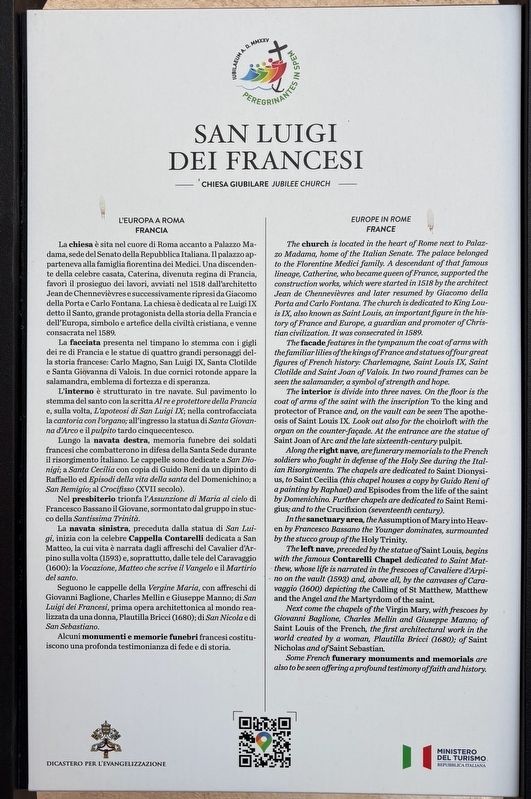
L'Europa a Roma Francia. La chiesa è sita nel cuore di Roma accanto a Palazzo Madama, sede del Senato della Repubblica Italiana. Il palazzo apparteneva alla famiglia fiorentina dei Medici. Una discendente della celebre casata, Caterina, divenuta regina di Francia, favori il prosieguo dei lavori, avviati nel 1518 dall'architetto Jean de Chennevièvres e successivamente ripresi da Giacomo della Porta e Carlo Fontana, La chiesa è dedicata al re Luigi IX detto il Santo, grande protagonista della storia della Francia e dell'Europa, simbolo e artefice della civiltà cristiana, e venne consacrata nel 1589. La facciata presenta nel timpano lo stemma con i gigli dei re di Francia e le statue di quattro grandi personaggi della storia francese: Carlo Magno, San Luigi IX, Santa Clotilde e Santa Giovanna di Valois. In due cornici rotonde appare la salamandra, emblema di fortezza e di speranza. L'interno è strutturato in tre navate. Sul pavimento lo stemma del santo con la scritta Al re e protettore della Francia e, sulla volta, L'apoteosi di San Luigi IX, nella controfacciata la cantoria con l'organo, all'ingresso la statua di Santa Giovanna d'Arco e il pulpito tardo cinquecentesco. Lungo la navata destra, memoria funebre dei soldati francesi che combatterono in difesa della Santa Sede durante il risorgimento italiano. Le cappelle sono dedicate a San Dionigi, a Santa Cecilia con copia di Guido Reni da un dipinto di Raffaello ed Episodi della vita della santa del Domenichino; a San Remigio, al Crocifisso (XVII secolo). Nel presbiterio trionfa l'Assunzione di Maria al cielo di Francesco Bassano il Giovane, sormontato dal gruppo in stucco della Santissima Trinità. La navata sinistra, preceduta dalla statua di San Luigi, inizia con la celebre Cappella Contarelli dedicata a San Matteo, la cui vita è narrata dagli affreschi del Cavalier d'Arpino sulla volta (1593) e, soprattutto, dalle tele del Caravaggio (1600): la Vocazione, Matteo che scrive il Vangelo e il Martirio del santo. Seguono le cappelle della Vergine Maria, con affreschi di Giovanni Baglione, Charles Mellin e Giuseppe Manno, di San Luigi dei Francesi, prima opera architettonica al mondo realizzata da una donna, Plautilla Bricci (1680); di San Nicola e di San Sebastiano. Alcuni monumenti e memorie funebri francesi costituiscono una profonda testimonianza di fede e di storia.
Europe in Rome France. The church is located in the heart of Rome next to Palazzo Madama, home of the Italian Senate. The palace belonged to the Florentine Medici family. A descendant of that famous lineage, Catherine, who became queen of France, supported the construction works, which were started in 1518 by the architect Jean de Chennevièvres and later resumed by Giacomo della Porta and Carlo Fontana. The church is dedicated to King Louis IX, also known as Saint Louis, an important figure in the his tory of France and Europe, a guardian and promoter of Christian civilization. It was consecrated in 1589. The facade features in the tympanum the coat of arms with the familiar lilies of the kings of France and statues of four great figures of French history: Charlemagne, Saint Louis IX, Saint Clotilde and Saint Joan of Valois. In two round frames can be seen the salamander, a symbol of strength and hope. The interior is divide into three naves. On the floor is the coat of arms of the saint with the inscription To the king and protector of France and, on the vault can be seen The apotheosis of Saint Louis IX. Look out also for the choirloft with the organ on the counter-façade. At the entrance are the statue of Saint Joan of Arc and the late sixteenth-century pulpit. Along the right nave, are funerary memorials to the French soldiers who fought in defense of the Holy See during the Ital lan Risorgimento. The chapels are dedicated to Saint Dionysius, to Saint Cecilia (this chapel houses a copy by Guido Reni of a painting by Raphael) and Episodes from the life of the saint by Domenichino. Further chapels are dedicated to Saint Remigius; and to the Crucifixion (seventeenth century). In the sanctuary area, the Assumption of Mary into Heaven by Francesco Bassano the Younger dominates, surmounted by the stucco group of the Holy Trinity. The left nave, preceded by the statue of Saint Louis, begins with the famous Contarelli Chapel dedicated to Saint Matthew, whose life is narrated in the frescoes of Cavaliere d'Arpi no on the vault (1593) and, above all, by the canvases of Caravaggio (1600) depicting the Calling of St Matthew, Matthew and the Angel and the Martyrdom of the saint. Next come the chapels of the Virgin Mary, with frescoes by Giovanni Baglione, Charles Mellin and Giuseppe Manno; of Saint Louis of the French, the first architectural work in the world created by a woman, Plautilla Bricci (1680); of Saint Nicholas and of Saint Sebastian. Some French funerary monuments and memorials are also to be seen offering a profound testimony of faith and history.
L'Europa a Roma
Francia
La chiesa è sita nel cuore di Roma accanto a Palazzo Madama, sede del Senato della Repubblica Italiana. Il palazzo apparteneva alla famiglia fiorentina dei Medici. Una discendente della celebre casata, Caterina, divenuta regina di Francia, favori il prosieguo dei lavori, avviati nel 1518 dall'architetto Jean de Chennevièvres e successivamente ripresi da Giacomo della Porta e Carlo Fontana, La chiesa è dedicata al re Luigi IX detto il Santo, grande protagonista della storia della Francia e dell'Europa, simbolo e artefice della civiltà cristiana, e venne consacrata nel 1589.
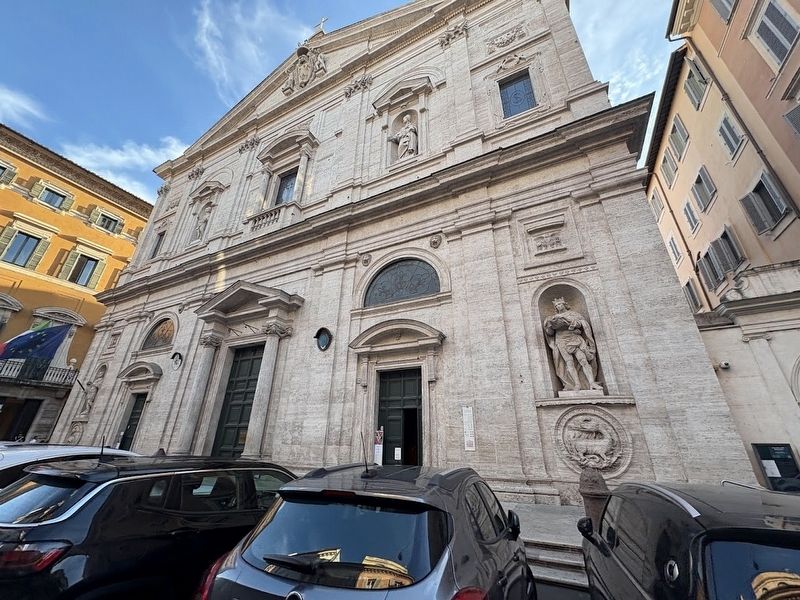
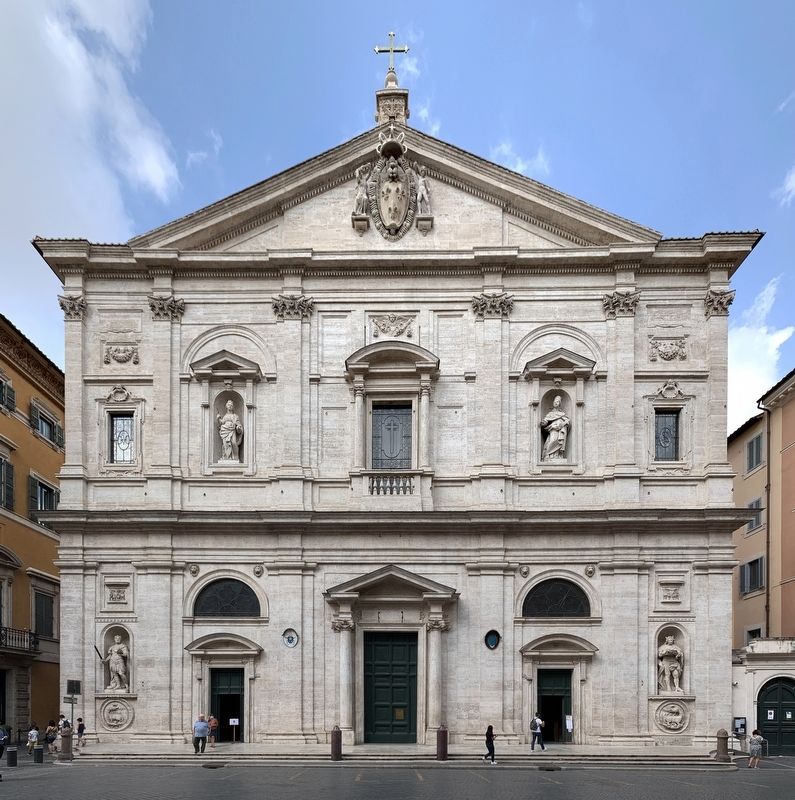
La facciata presenta nel timpano lo stemma con i gigli dei re di Francia e le statue di quattro grandi personaggi della storia francese: Carlo Magno, San Luigi IX, Santa Clotilde e Santa Giovanna di Valois. In due cornici rotonde appare la salamandra, emblema di fortezza e di speranza.
L'interno è strutturato in tre navate. Sul pavimento lo stemma del santo con la scritta Al re e protettore della Francia e, sulla volta, L'apoteosi di San Luigi IX, nella controfacciata la cantoria con l'organo, all'ingresso la statua di Santa Giovanna d'Arco e il pulpito tardo cinquecentesco.
Lungo la navata destra, memoria funebre dei
Click or scan to see this page online
soldati francesi che combatterono in difesa della Santa Sede durante il risorgimento italiano. Le cappelle sono dedicate a San Dionigi, a Santa Cecilia con copia di Guido Reni da un dipinto di Raffaello ed Episodi della vita della santa del Domenichino; a San Remigio, al Crocifisso (XVII secolo).
Nel presbiterio trionfa l'Assunzione di Maria al cielo di Francesco Bassano il Giovane, sormontato dal gruppo in stucco della Santissima Trinità.
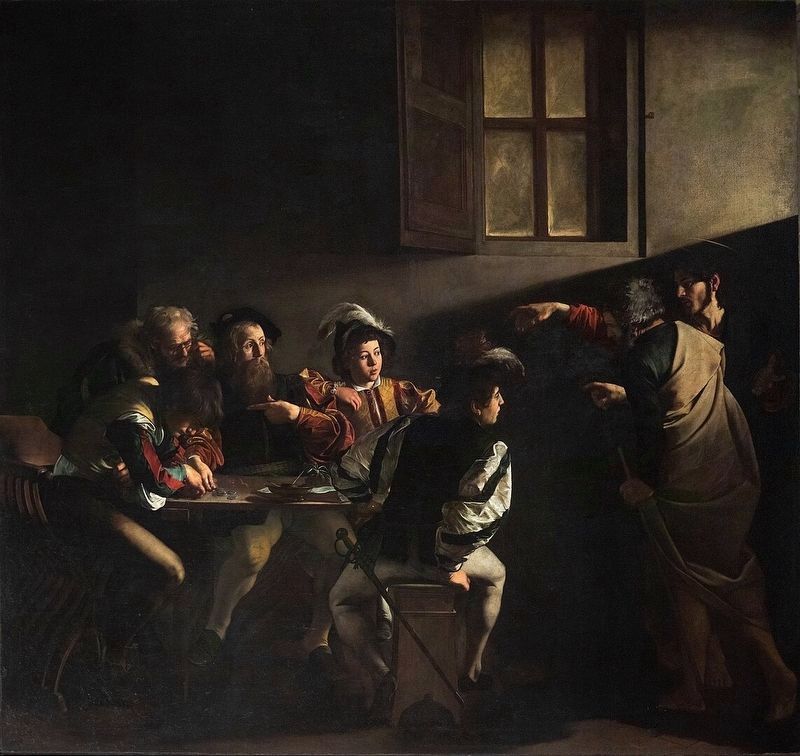
La navata sinistra, preceduta dalla statua di San Luigi, inizia con la celebre Cappella Contarelli dedicata a San Matteo, la cui vita è narrata dagli affreschi del Cavalier d'Arpino sulla volta (1593) e, soprattutto, dalle tele del Caravaggio (1600): la Vocazione, Matteo che scrive il Vangelo e il Martirio del santo.
Seguono le cappelle della Vergine Maria, con affreschi di Giovanni Baglione, Charles Mellin e Giuseppe Manno, di San Luigi dei Francesi, prima opera architettonica al mondo realizzata da una donna, Plautilla Bricci (1680); di San Nicola e di San Sebastiano.
Alcuni monumenti e memorie funebri francesi costituiscono una profonda testimonianza di fede e di storia.
Europe in Rome
France
The church is located
Photographed by Sean P. Flynn, August 4, 2025
2. San Luigi dei Francesi church
in the heart of Rome next to Palazzo Madama, home of the Italian Senate. The palace belonged to the Florentine Medici family. A descendant of that famous lineage, Catherine, who became queen of France, supported the construction works, which were started in 1518 by the architect Jean de Chennevièvres and later resumed by Giacomo della Porta and Carlo Fontana. The church is dedicated to King Louis IX, also known as Saint Louis, an important figure in the his tory of France and Europe, a guardian and promoter of Christian civilization. It was consecrated in 1589.
The facade features in the tympanum the coat of arms with the familiar lilies of the kings of France and statues of four great figures of French history: Charlemagne, Saint Louis IX, Saint Clotilde and Saint Joan of Valois. In two round frames can be seen the salamander, a symbol of strength and hope.
The interior is divide into three naves. On the floor is the coat of arms of the saint with the inscription To the king and protector of France and, on the vault can be seen The apotheosis of Saint Louis IX. Look out also for the choirloft with the organ on the counter-façade. At the entrance are the statue of Saint Joan of Arc and the late sixteenth-century pulpit.
Along the right nave, are funerary memorials to the French
Chabe01 (CC BY-SA 4.0), via Wikimedia Commons, August 28, 2021
3. San Luigi dei Francesi
soldiers who fought in defense of the Holy See during the Ital lan Risorgimento. The chapels are dedicated to Saint Dionysius, to Saint Cecilia (this chapel houses a copy by Guido Reni of a painting by Raphael) and Episodes from the life of the saint by Domenichino. Further chapels are dedicated to Saint Remigius; and to the Crucifixion (seventeenth century).
In the sanctuary area, the Assumption of Mary into Heaven by Francesco Bassano the Younger dominates, surmounted by the stucco group of the Holy Trinity.
The left nave, preceded by the statue of Saint Louis, begins with the famous Contarelli Chapel dedicated to Saint Matthew, whose life is narrated in the frescoes of Cavaliere d'Arpi no on the vault (1593) and, above all, by the canvases of Caravaggio (1600) depicting the Calling of St Matthew, Matthew and the Angel and the Martyrdom of the saint.
Next come the chapels of the Virgin Mary, with frescoes by Giovanni Baglione, Charles Mellin and Giuseppe Manno; of Saint Louis of the French, the first architectural work in the world created by a woman, Plautilla Bricci (1680); of Saint Nicholas and of Saint Sebastian.
Some French funerary monuments and memorials are also to be seen offering
Photographed by Gleb Simonov (CC0), via Wikimedia Commons
4. Caravaggio's The Calling of St. Matthew
a profound testimony of faith and history.
Erected 2025 by The Roman Catholic Church Dicastery for Evangelization; Italian Tourism Ministry.
Location. 41° 53.988′ N, 12° 28.492′ E. Marker is in Roma, Lazio (Latium, Rome), in Città metropolitana di Roma Capitale. It is in Sant. It is on Piazza di San Luigi de' Francesi. Touch for map. Marker is at or near this postal address: Piazza di S Luigi de' Francesi 22, Roma, Lazio 00186, Italy. Touch for directions.

Regionally, it is in Europe, the European Union, the Schengen Area, a coastal Mediterranean country, and the Western World. Historically, it finds itself in what was once the Byzantine Empire and specifically also the Roman Empire.
More about this marker. The marker is one of many
erected in front of churches in Rome to honor the 2025 Jubilee, titled "Pilgrims of Hope."
Also see . . . St. Louis of the French. The church's official website, in French (Submitted on September 17, 2025, by Sean P. Flynn of Oak Park, Illinois.)
Credits. This page was last revised on September 17, 2025. It was originally submitted on September 17, 2025, by Sean P. Flynn of Oak Park, Illinois. This page has been viewed 68 times since then and 12 times this year. Photos:1, 2, 3, 4. submitted on September 17, 2025, by Sean P. Flynn of Oak Park, Illinois.
