Olde Town Arvada in Jefferson County, Colorado — The American Mountains (Southwest)
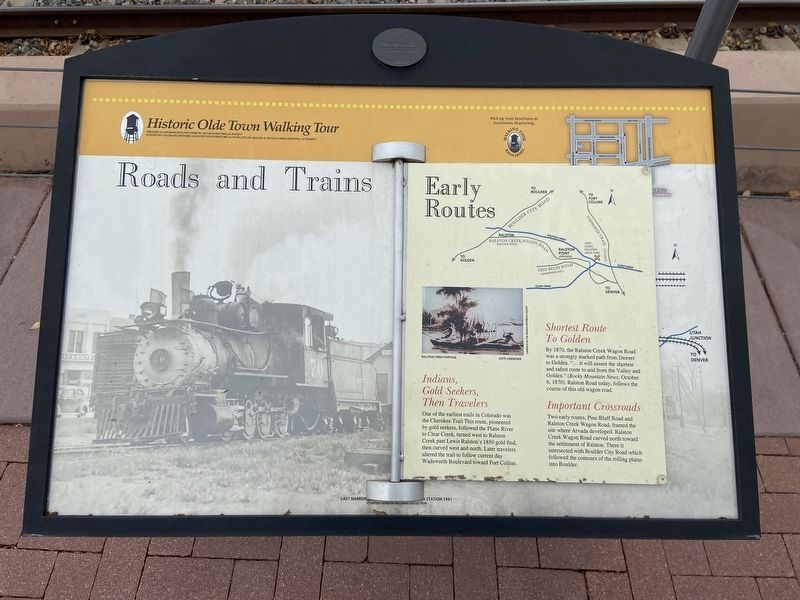
Roads and Trains
Historic Olde Town Walking Tour
Photographed by Susan Fishburne, November 21, 2025
1. Roads and Trains Marker
Early Routes
Indians, Gold Seekers, Then Travelers
One of the earliest trails in Colorado was the Cherokee Trail. This route, pioneered by gold seekers, followed the Platte Rive to Clear Creek, turned west to Ralston Creek past Lewis Ralston’s 1850 gold find, then curved west and north. Later travelers altered the trail to follow current day Wadsworth Boulevard toward Fort Collins.
Shortest Route to Golden
By 1870, the Ralston Creek Wagon Road was a strongly marked path from Denver to Golden. “…it will assure the shortest and safest route to and from the Valley and Golden.” (Rocky Mountain News, October 6, 1870). Ralston Road today, follows the course of this old wagon road.
Important Crossroads
Two early routes, Pine Bluff Road and Ralston Creek Wagon Road, framed the site where Arvada developed. Ralston Creek Wagon Road curved north toward the settlement of Ralston. There it intersected with Boulder City Road which followed the contours of the rolling plains into Boulder.
(page 2)
All Aboard!
Rails Through Arvada
In the 1870s, the Colorado Central Railroad (later called the Colorado and Southern
this page online
Narrower Track—More Efficiency
At Golden, the rails and trains changed to narrow gauge trails (three feet apart). The tracks carried passengers and goods through the tight turns of Clear Creek Canyon to the mining districts. By 1879, a third rail was laid between the standard gauge rails, allowing narrow gauge traffic to run into Denver without changing trains at Golden.
Rails Mean Growth
When the railroad came, the pace of commerce quickened and many new businesses opened to serve Arvada’s growing population. Narrow gauge rails and the Arvada Station disappeared in the 1940’s. In the 1950’s steam power locomotion gave way to diesel. Today this railroad line (now operated by the Burlington Northern Sante Fe) serves Coors Brewery and other industries near Golden.
It is one of the oldest railroad lines in Colorado.
Topics. This historical marker is listed in these
Photographed by Susan Fishburne, November 21, 2025
2. Roads and Trains Marker
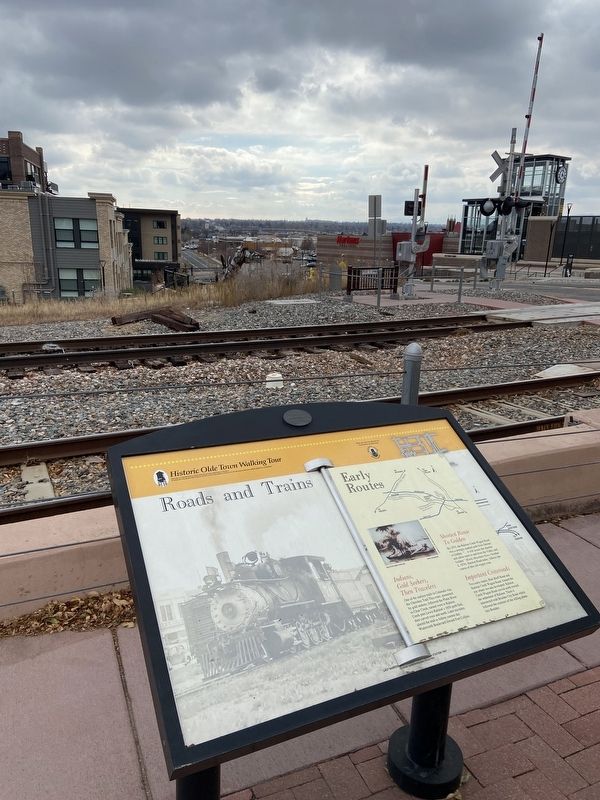
Wide angle view
Location. 39° 47.966′ N, 105° 4.734′ W. Marker is in Arvada, Colorado, in Jefferson County. It is in Olde Town Arvada. It is on Grandview Avenue, on the left when traveling west. It is located on Grandview Ave. just west of Vance St. Touch for map. Marker is in this post office area: Arvada CO 80002, United States of America. Touch for directions.

Regionally, this marker is in the Front Range. It is also in the American Mountain West. Globally, it is in North America, the Rocky Mountains, the Western Hemisphere, the Western World, and the Anglosphere. Historically, it finds itself in what was once the Louisiana Purchase.
Other nearby markers. At least 8 other markers are within walking distance of this marker: Olde Town - New Town (here, next to this marker); Doctor’s Office 7401 Grandview (here, next to this marker); Arvada's Trolleys (within shouting distance of this marker); McIlvoy House (within shouting distance of this marker); A Grand View (within shouting distance of this marker);
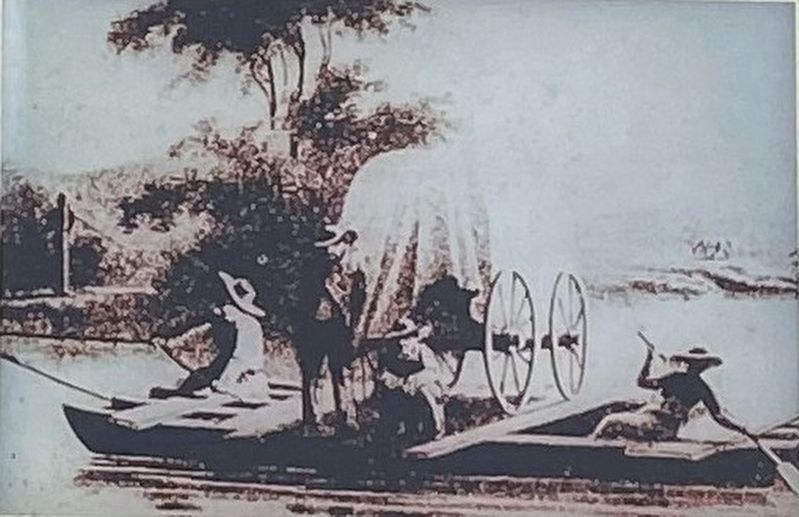
3. Ralston Creek Portage
Date Unknown.
Courtesy of the Arvada Historical Society
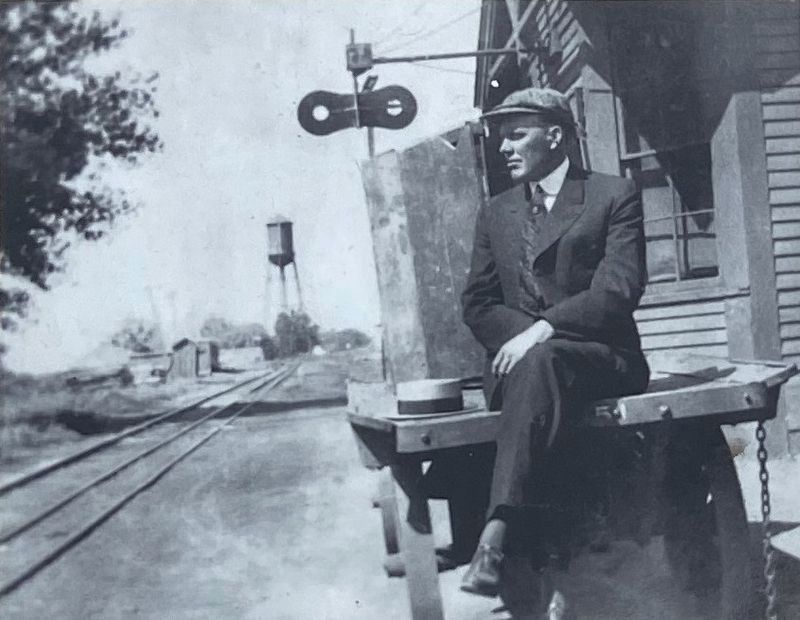
4. John Banks
Station Agent from 1913-1946. Courtesy Arvada Historical Society
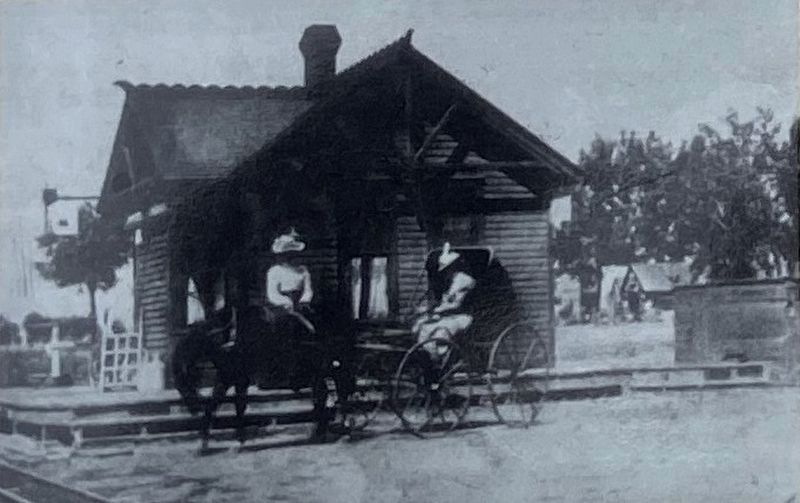
5. Arvada Was the Principal Station Between Golden and Denver
with Trains Stopping on Monday, Wednesday and Friday. The fare was 65 cents.
Courtesy of the Arvada Historical Society
Credits. This page was last revised on December 29, 2025. It was originally submitted on December 29, 2025, by Susan Fishburne of Lakewood, Colorado. This page has been viewed 51 times since then and 32 times this year. Photos: 1, 2, 3, 4, 5. submitted on December 29, 2025, by Susan Fishburne of Lakewood, Colorado. • Andrew Ruppenstein was the editor who published this page.
