Heuchling in Lauf an der Pegnitz in Nürnberger Land, Bavaria, Germany — Central Europe
Wenzelschloß
⎯⎯⎯
Castle of St. Wenceslas
Photographed by James Hulse, March 3, 2026
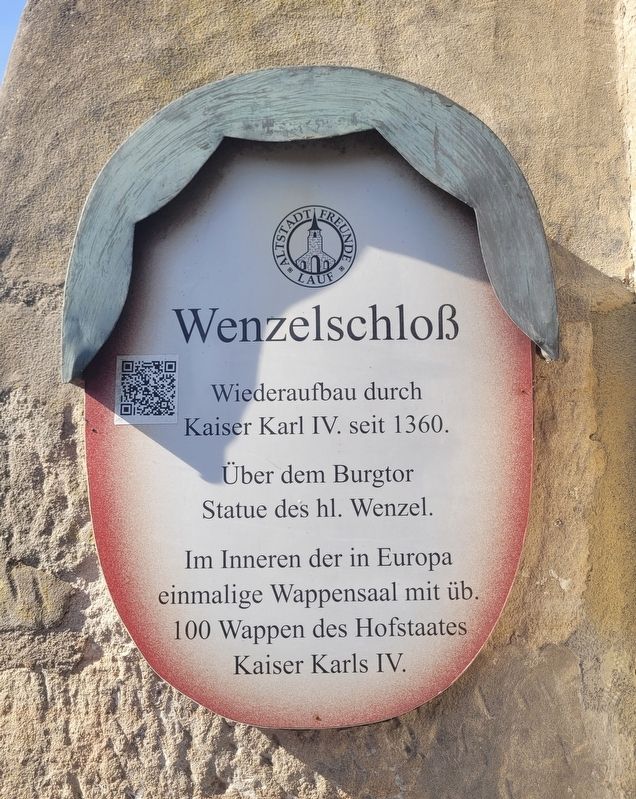
1. Wenzelschloß / Castle of St. Wenceslas Marker

Wiederaufbau durch
Kaiser Karl IV. seit 1360.
Über dem Burgtor Statue
des hl. Wenzel.
Im Inneren der in Europa
einmalige Wappensaal mit üb.
100 Wappen des Hofstaates
Kaiser Karls IV.
Castle of St. Wenceslas rebuilt by Emperor Charles IV beginning in 1360. Above the castle gate stands a statue of St. Wenceslas. Inside is a unique coat-of-arms hall in Europe, containing over 100 coats of arms of the court of Emperor Charles IV.
Erected by Old Town Friends of Lauf e.V.
Topics. This historical marker is listed in this topic list: Forts and Castles. A significant historical year for this entry is 1360.
Location. 49° 30.59′ N, 11° 16.915′ E. Marker is in Lauf an der Pegnitz, Bayern (Bavaria), in Nürnberger Land. It is in Heuchling. It is on Schloßinsel just east of Siebenkeesstraße. Touch for map. Marker is at or near this postal address: Schloßinsel 1, Lauf an der Pegnitz BY 91207, Germany. Touch for directions.

Regionally, this marker is in German Franconia. Globally, it is in Europe, the European Union, Atlantic Europe, Central Europe, the Schengen Area, Western Europe, and the Western World. Historically, it finds itself in what was once the Holy Roman Empire and also the former West Germany.
Other nearby markers. At least 8 other markers are within walking distance of this marker: Laufer Wenzelburg -Lieblingsort des Kaisers? / Lauf Wenceslas Castle – the Emperor’s favorite place? (a few steps from this marker); Schlicht'sche Kunstmühle und Schleifmühle Reichel / Schlicht Roller Mill and Reichel Grinding Mill (within shouting distance
this page online
Also see . . . The Wenceslas Castle in Lauf (German language). Excerpt (in translation):
Lauf Castle was built on the site of a 12th-century ministerial residence. It was first mentioned in 1243, when the imperial ministerialis Liupold took his name from his official residence, Liupoldus de Laufe. He belonged to a family that was among the higher ranks of the imperial ministeriales in the Nuremberg region. With the fall of the Hohenstaufen dynasty in 1268, the fortification passed to the Dukes of Bavaria. During the war between Duke Rudolf of Bavaria and the king's supporters, the castle was destroyed in a reprisal attack by Count Gebhard von Hirschberg in 1301.(Submitted on March 24, 2026, by James Hulse of Medina, Texas.)
The second castle, which is still largely intact today, dates back to Emperor Charles IV, who had it completely rebuilt between 1357 and 1360 in his capacity as King of Bohemia.
Photographed by James Hulse, March 3, 2026
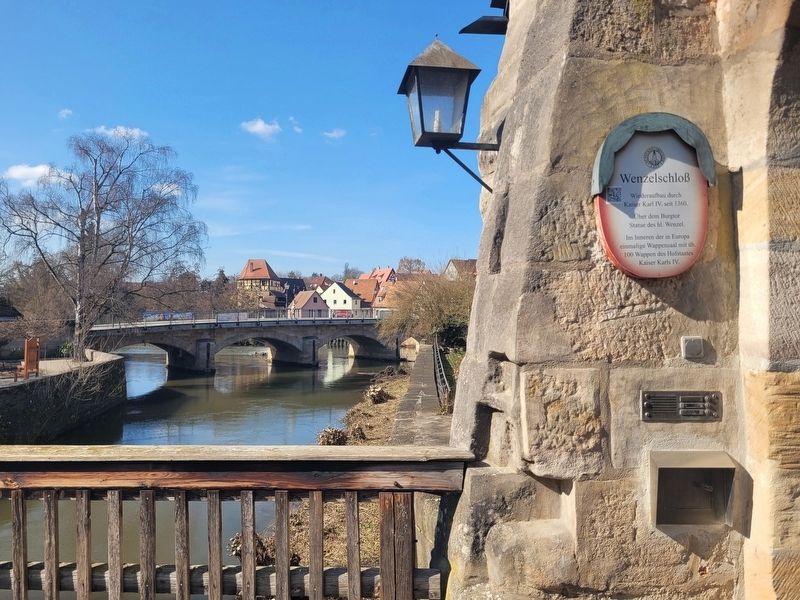
2. Wenzelschloß / Castle of St. Wenceslas Marker
The marker is located on the side wall of the gate at the entrance to the castle.
Photographed by James Hulse, March 3, 2026
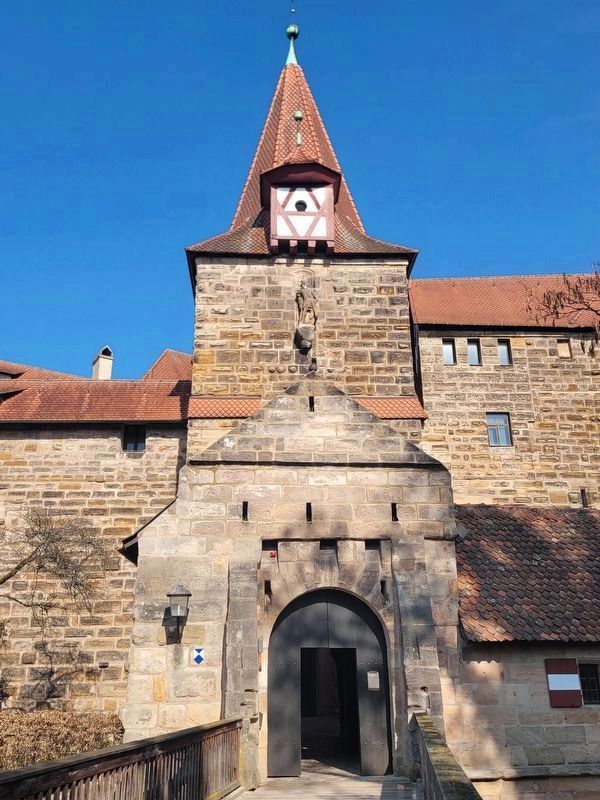
3. Wenzelschloß / Castle of St. Wenceslas Marker
The marker is located on the left side wall at the castle entrance. The statue of St. Wenceslas is located above the gateway on the exterior wall of the castle.
Photographed by James Hulse, March 3, 2026
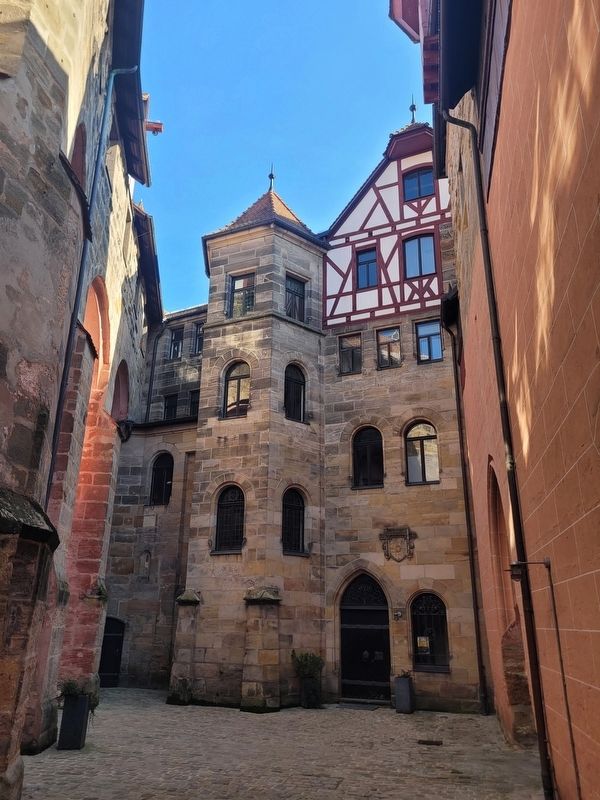
4. Wenzelschloß / Castle of St. Wenceslas Marker
The interior courtyard of the castle.
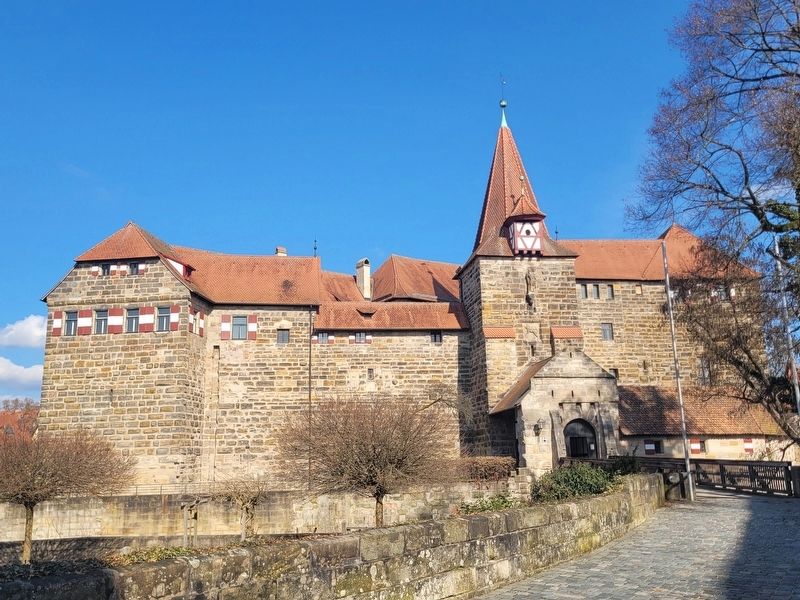
Photographed by James Hulse, March 3, 2026
5. Wenzelschloß / Castle of St. Wenceslas
Credits. This page was last revised on March 25, 2026. It was originally submitted on March 24, 2026, by James Hulse of Medina, Texas. This page has been viewed 11 times since then. Photos: 1, 2, 3, 4, 5. submitted on March 25, 2026, by James Hulse of Medina, Texas.
