Mitte in Hannover in Region Hannover, Lower Saxony, Germany — Central Europe
Johann Anton Leisewitz
Photographed by James Hulse, October 9, 2026
1. Johann Anton Leisewitz Marker

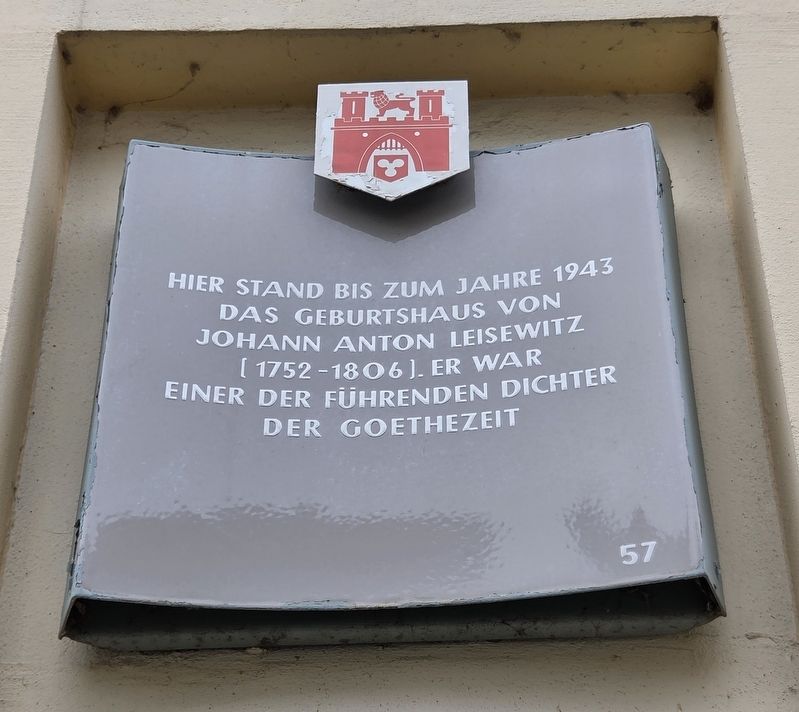
das Geburtshaus von
Johann Anton Leisewitz
[1752-1806]. Er war
einer der führenden Dichter
der Goethezeit
The birthplace of Johann Anton Leisewitz [1752-1806] stood here until 1943. He was one of the leading poets of Goethe's era.
Erected by Landeshauptstadt Hannover. (Marker Number 57.)
Topics. This historical marker is listed in this topic list: Notable Buildings. A significant historical year for this entry is 1943.
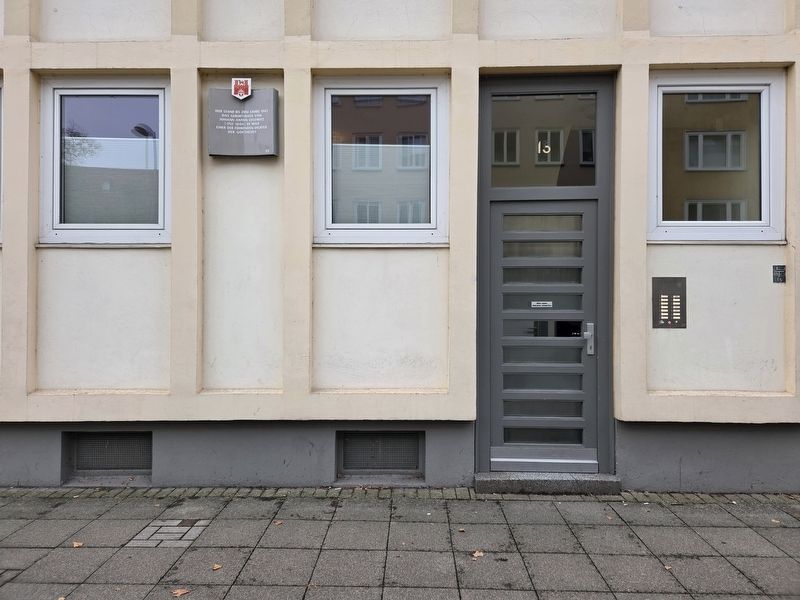
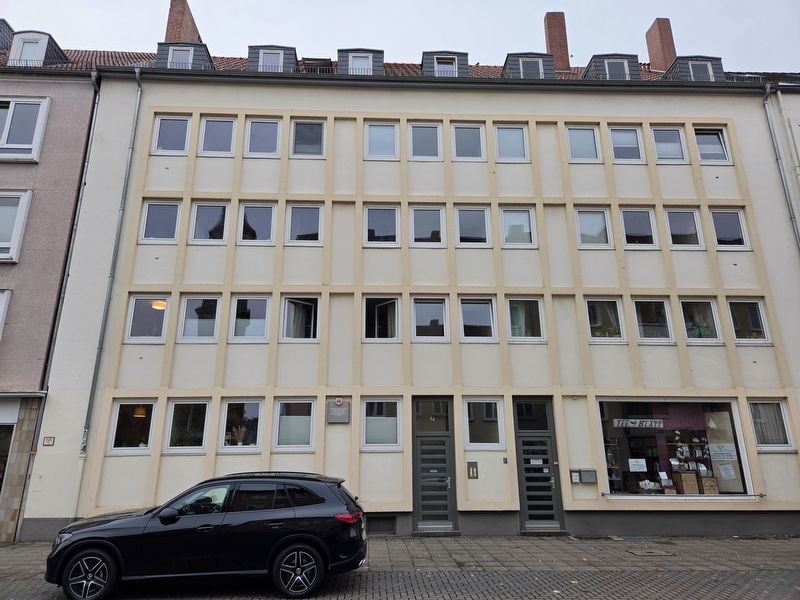
Location. 52° 22.219′ N, 9° 43.694′ E. Marker is in Hannover, Niedersachsen (Lower Saxony), in Region Hannover. It is in Mitte. It is at the intersection of Calenberger Straße and Rote Reihe, on the left when traveling west on Calenberger Straße. Touch for map. Marker is at or near this postal address: Calenberger Str 15, Hannover NI 30169, Germany. Touch for directions.

Regionally, it is in Europe, the European Union, Atlantic Europe, Central Europe, the Schengen Area, Western Europe, and the Western World. Historically, it finds itself in what was once the Holy Roman Empire and also the former West Germany.
Other nearby markers. At
this page online
Also see . . . Johann Anton Leisewitz. Wikipedia
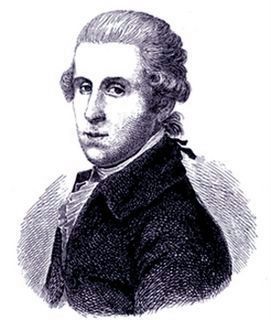
Johann Anton Leisewitz (9 May 1752 – 10 September 1806) was a German lawyer and dramatic poet, and a central figure of the Sturm und Drang era. He is best known for his only play Julius of Taranto (1774). The play, with its theme of the conflict between two brothers and the woman loved by both, is one of the most characteristic of the Sturm und Drang(Submitted on November 2, 2026, by James Hulse of Medina, Texas.)era. It was a major inspiration on Friedrich Schiller and especially his quintessential Sturm und Drang work The Robbers (1781).Photographed by James Hulse, October 9, 20262. Johann Anton Leisewitz Marker
Photographed by James Hulse, October 9, 2026
3. Johann Anton Leisewitz Marker
Public Domain via Wikipedia, unknown author, May 22, 1998
4. Johann Anton Leisewitz
Credits. This page was last revised on November 2, 2026. It was originally submitted on November 1, 2026, by James Hulse of Medina, Texas. This page has been viewed 4 times since then. Photos: 1, 2, 3, 4. submitted on November 2, 2026, by James Hulse of Medina, Texas.
