Greenville in Greenville County, South Carolina — The American South (South Atlantic)
The Old Record Building
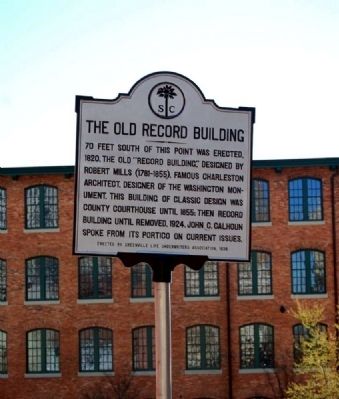
Photographed by Brian Scott, March 22, 2009
1. The Old Record Building Marker (Repainted)
Erected 1938 by Greenville Life Underwriters Association. (Marker Number 23-1.)
Topics. This historical marker is listed in these topic lists: Architecture • Communications. A significant historical year for this entry is 1820.
Location. 34° 50.923′ N, 82° 23.977′ W. Marker is in Greenville, South Carolina, in Greenville County. It can be reached from South Main Street. This marker is behind a seating area. Touch for map. Marker is in this post office area: Greenville SC 29601, United States of America. Touch for directions.

Regionally, this marker is in Upstate. It is also in the American South, specifically in the Deep South, in Appalachia, and specifically in Southern Appalachia. Globally, it is in North America, the Western Hemisphere, the Western World, and the
this page online
Other nearby markers. At least 10 other markers are within walking distance of this marker: Vardry McBee (here, next to this marker); Joel Roberts Poinsett (within shouting distance of this marker); a different marker also named Joel Roberts Poinsett (within shouting distance of this marker); Chamber of Commerce Building (within shouting distance of this marker); Poinsett's Spring (within shouting distance of this marker); a different marker also named Poinsett's Spring (within shouting distance of this marker); South Carolina's First National Bank (about 300 feet away, measured in a direct line); a different marker also named South Carolina's First National Bank (about 300 feet away); Spirit of Freedom (about 300 feet away); City of Greenville 9-11 Memorial (about 300 feet away). Touch for a list and map of all markers in Greenville.
Regarding The Old Record Building. The building described
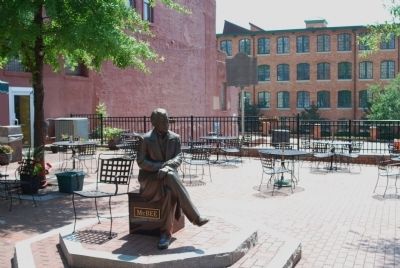
Photographed by Brian Scott, May 26, 2008
2. Vicinity of Records Building Marker
Also shown here is a statue of Vardry McBee, the “Father of Greenville.” The building in the right rear is the old American Cigar Factory (1902), the largest brick building in downtown Greenville and listed on the National Register July 1, 1982.
Also see . . .
1. Robert Mills. Robert Mills (August 12, 1781 – March 3, 1855) is sometimes called the first native born American to become a professional architect, though Charles Bulfinch perhaps has a clearer claim to this honor. (Submitted on February 2, 2009, by Brian Scott of Anderson, South Carolina.)
2. Washington Monument. The Washington Monument is an obelisk near the west end of the National Mall in Washington, D.C., built to commemorate the first U.S. president, General George Washington. (Submitted on March 14, 2010, by Brian Scott of Anderson, South Carolina.)
3. John C. Calhoun. John Caldwell Calhoun (March 18, 1782 – March 31, 1850) was a leading United States Southern politician from South Carolina during the first half of the 19th century. (Submitted on February 2, 2009, by Brian Scott of Anderson, South Carolina.)
Additional commentary.
1. About William B. Coxe
The historical photographs shown were taken by William B. Coxe, a photographer by trade, who moved to Greenville
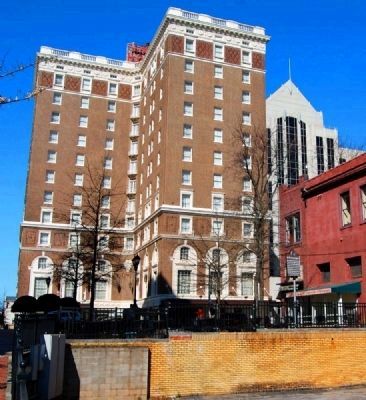
Photographed by Brian Scott, February 20, 2010
3. The Old Record Building Marker—Poinsett Hotel in Background
— Submitted September 13, 2009, by Brian Scott of Anderson, South Carolina.
2. Early Greenville County Courthouses
The South Carolina General Assembly created Greenville County in 1786 and appointed nine county judges The site of the first court session is unclear and a matter of dispute. Eventually a courthouse was constructed on land belonging to Lemuel Alston in the middle of what is today called Court Square on Greenville's current South Main Street. In 1822 construction of the graceful building shown above was begun. It was undoubtedly Greenville's most notable architectural landmark. Later, when a new courthouse was completed in 1855, this building was used to house county records and also offices for the chamber of commerce. The Second Empire-style cupola was added in
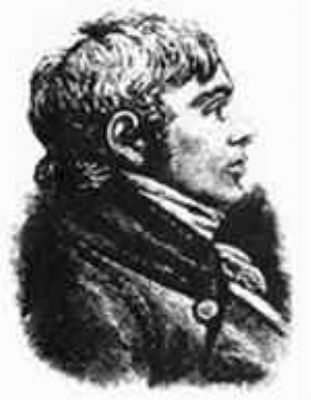
Photographed by Wikipedia
4. Robert Mills
1781–1855
1781–1855
— Submitted March 14, 2010, by Brian Scott of Anderson, South Carolina.
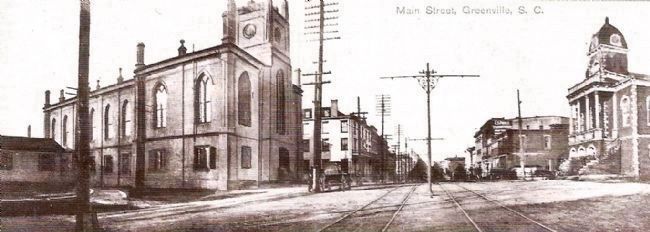
William B. Coxe Collection, Greenville County Historical Society, 1900
5. Panorama View of Main Street, Looking North -
Old Record Building in Far Right
Old Record Building in Far Right
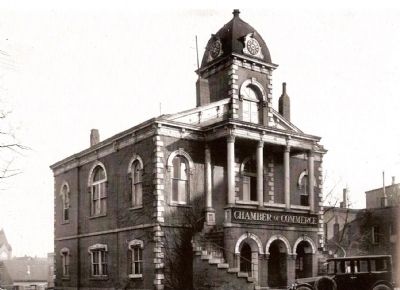
William B. Coxe Collection, Greenville County Historical Society, circa 1905
6. Second Greenville County Courthouse -
Later Known as the Old Record Building
Later Known as the Old Record Building
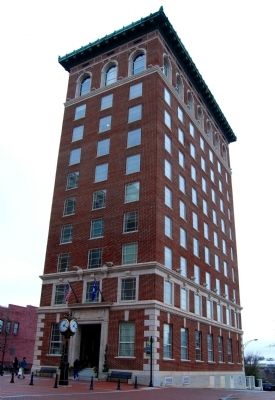
Photographed by Brian Scott, December 24, 2008
7. Old Chamber of Commerce Building
Site of the Old Record Building
Site of the Old Record Building
Credits. This page was last revised on November 17, 2020. It was originally submitted on May 26, 2008, by Brian Scott of Anderson, South Carolina. This page has been viewed 3,481 times since then and 84 times this year. Photos: 1. submitted on March 23, 2009, by Brian Scott of Anderson, South Carolina. 2. submitted on May 26, 2008, by Brian Scott of Anderson, South Carolina. 3. submitted on March 13, 2010, by Brian Scott of Anderson, South Carolina. 4. submitted on March 14, 2010, by Brian Scott of Anderson, South Carolina. 5, 6. submitted on September 13, 2009, by Brian Scott of Anderson, South Carolina. 7. submitted on March 20, 2009, by Brian Scott of Anderson, South Carolina. • Kevin W. was the editor who published this page.
