Near Goshen in Pike County, Alabama — The American South (East South Central)
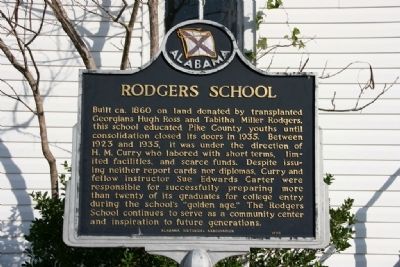
Rodgers School
Photographed by Tim & Renda Carr, December 11, 2010
1. Rodgers School Marker
Erected 1995 by Alabama Historical Association.
Topics and series. This historical marker is listed in these topic lists: Education • Notable Buildings. In addition, it is included in the Alabama Historical Association series list. A significant historical year for this entry is 1860.
Location. 31° 47.282′ N, 86° 6.706′ W. Marker is near Goshen, Alabama, in Pike County. It is on County Road 2203 south of County Road 2204, on
this page online

Regionally, this marker is in the American South, specifically in the Deep South, in the Black Belt, and in the Wiregrass. Globally, it is in North America, a Gulf of Mexico state, the Western Hemisphere, the Western World, and the Anglosphere. Historically, it finds itself in what was once the territory of the Mississippian Culture, one of the Confederate States of America, and the Antebellum South.
Other nearby markers. At least 8 other markers are within 8 miles of this marker, measured as the crow flies: Elam Primitive Baptist Church (approx. 2.8 miles away); Memorial (approx. 4.9 miles away); Little Oak United Methodist Church (approx. 5.2 miles away); Camp Ground Methodist Church (approx. 5.4 miles away); Allred House & Cemetery (approx. 6 miles away); Town of Petrey (approx. 7 miles away); The Great Pensacola Trading Path (approx. 7.3 miles away); Logging Locomotive (approx. 7.3 miles away). Touch for a list and map of all markers in Goshen.
Another marker is
Photographed by Tim & Renda Carr, December 11, 2010
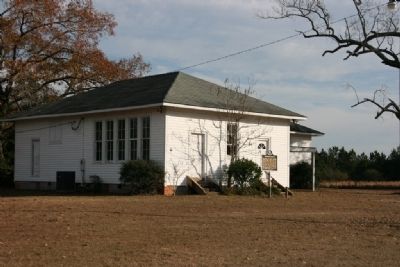
2. Rodgers School and Marker
Photographed by Tim & Renda Carr, December 11, 2010
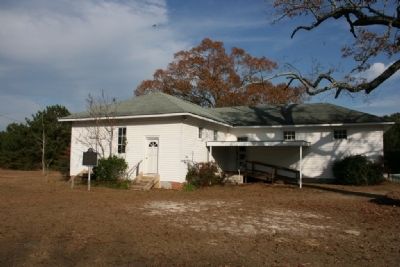
3. Rodgers School and Marker
Photographed by Tim & Renda Carr, December 11, 2010
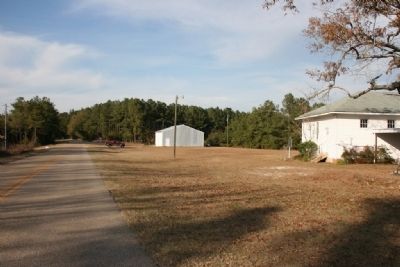
4. Looking North On County Road 2203
County Road 2204 intersect with County Road 2203 just past the next building on the right.
Photographed by Tim & Renda Carr, December 11, 2010
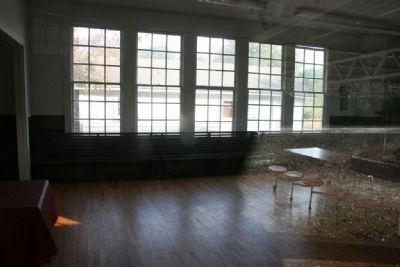
5. Inside View Of Rodgers School.
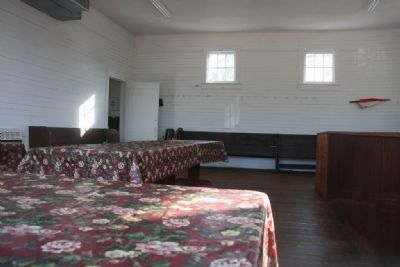
The building is still used as a community meeting center for the area.
Photographed by Tim & Renda Carr, December 11, 2010
6. Inside View Of The Rodgers School
Credits. This page was last revised on June 16, 2016. It was originally submitted on December 12, 2010, by Timothy Carr of Birmingham, Alabama. This page has been viewed 2,211 times since then and 84 times this year. Last updated on February 22, 2016, by Betty Folmar Adair of Goshen, Alabama. Photos: 1, 2, 3, 4, 5, 6. submitted on December 12, 2010, by Timothy Carr of Birmingham, Alabama. • Bill Pfingsten was the editor who published this page.
