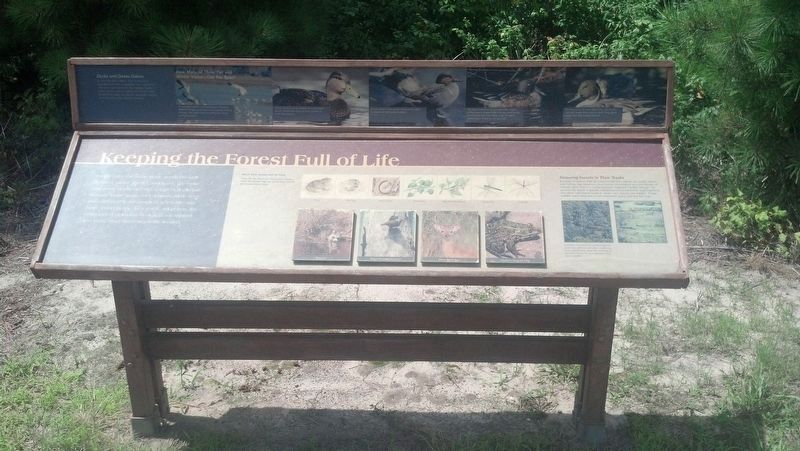
Keeping the Forest Full of Life
Keeping the Forest Full of Life
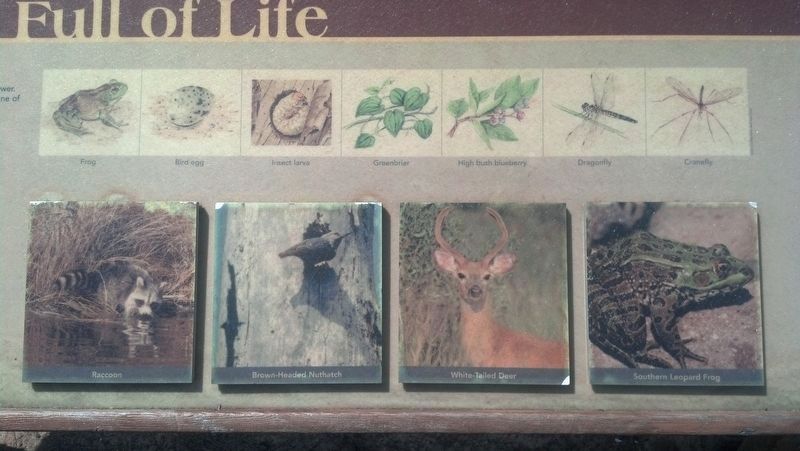
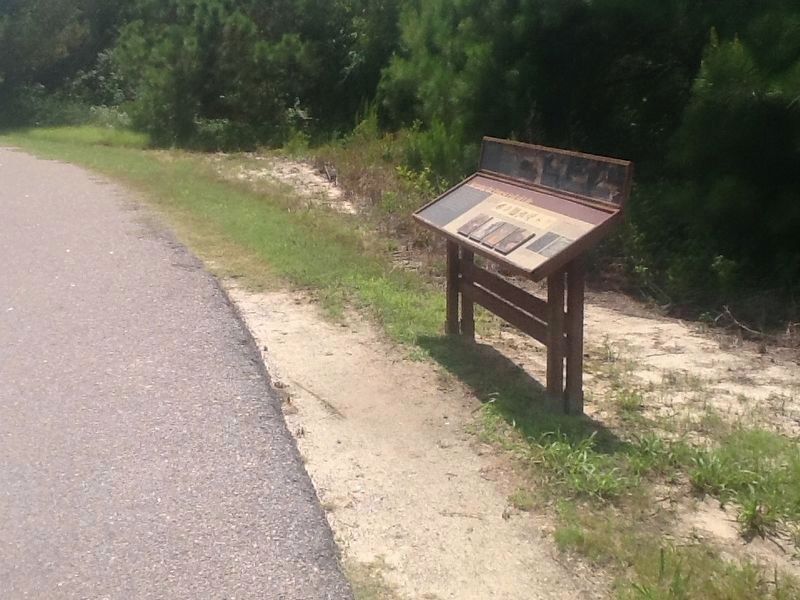
Wildlife have the same basic needs humans do—food, water, shelter, and space. To make sure those needs are met, refuge staff carefully manage forest areas. They remove some trees, plant others that are beneficial to wild life, and battle insect pests. As a result, songbirds, the endangered Delmarva Peninsula for squirrel, and many other kinds of wildlife flourish.
[Inset]
Stopping insects in Their Tracks
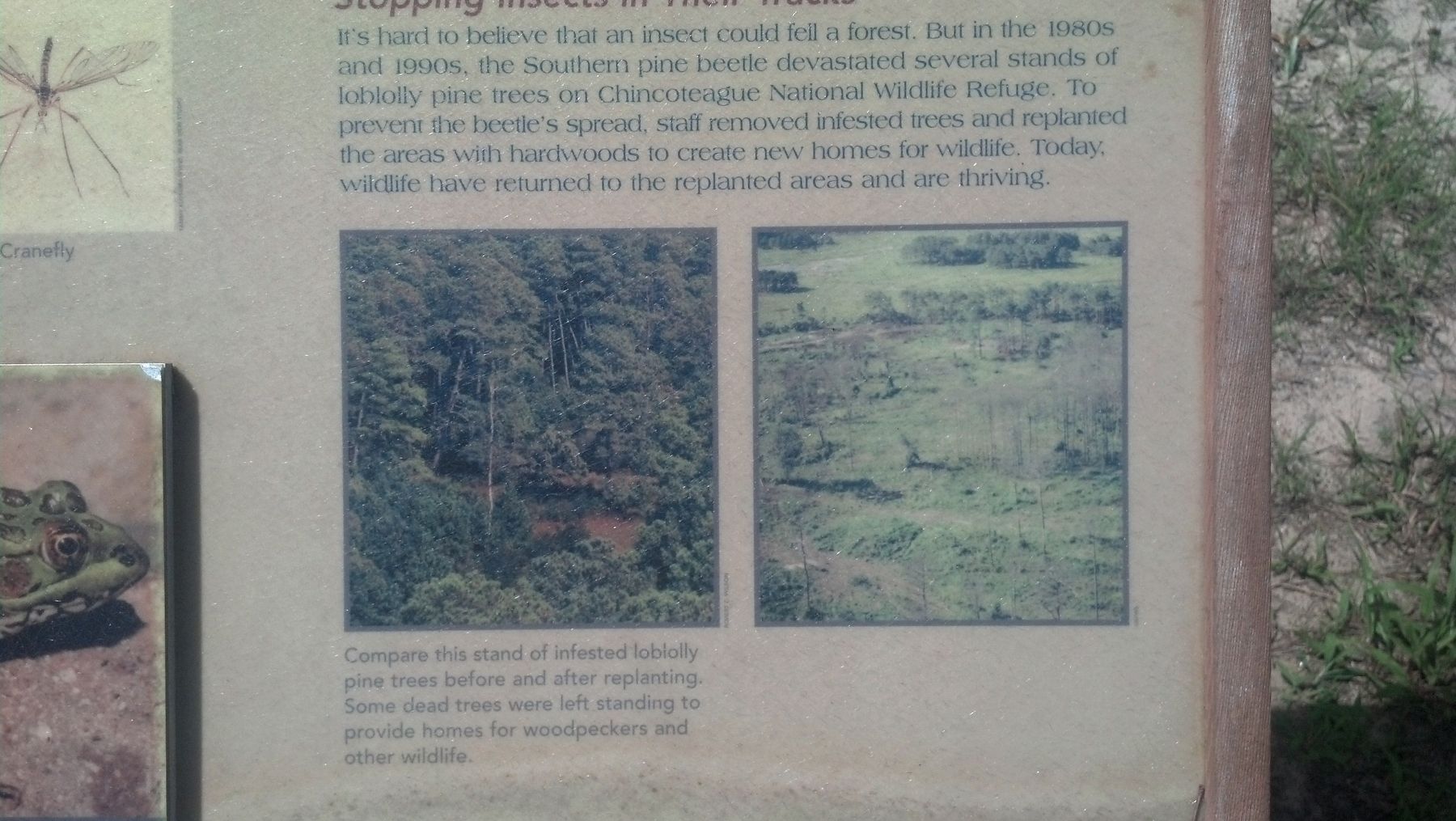
It's hard to believe that an insect could fell a forest. But in the 1980s and 1990s, the Southern pine beetle devastated several stands of loblolly pine trees on Chincoteague National Wildlife Refuge. To prevent the beetle's spread, staff removed infected trees and replanted the areas with hardwoods to create new homes for wildlife. Today, wildlife have returned to replanted areas and are thriving.
(Caption: Compare this stand of infested loblolly pine trees before and after replanting. Some dead trees were left standing to provide homes for woodpeckers and other wildlife.)
[Top Panel]
Ducks and Geese Galore
In the fall and winter, this wetland is transformed into a paradise
this page online
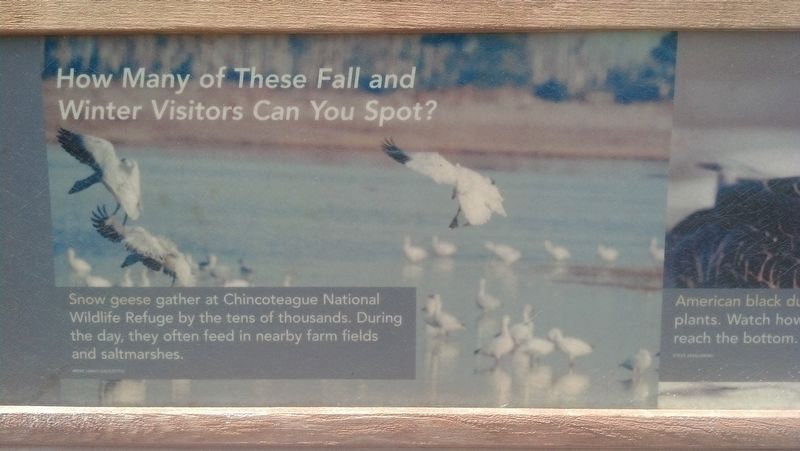
How Many of These Fall and Winter Visitors Can You Spot?
Snow geese gather at Chincoteague National Wildlife Refuge by the tens of thousands. During the day, they often feed in nearby farm fields and saltmarshes.
American black ducks dabble for submerged plants. Watch how they tip their bodies to reach the bottom.
Green-winged teals gather along pond edges to munch on soft parts of plants.
Northern shovelers use the teeth-like edges of their spoon-shaped bills to scoop small plants and animals from the water. Look for them swimming in circles to stir up mud.
Northern pintails have distinctive, needle-like tails that make them easy to spot. They glean seeds from the muddy bottom.
Topics. This historical marker is listed in these topic lists: Animals • Environment • Horticulture & Forestry. A significant historical year for this entry is 1980.
Location. 37° 54.204′ N, 75° 20.337′ W. Marker is near Chincoteague, Virginia, in Accomack County. It

Regionally, this marker is on the Eastern Shore. It is also in the American South, specifically in the Upper South, on the Delmarva Peninsula, in the Tidewater, and on the Eastern Seaboard. Globally, it is in the North Atlantic Region, North America, the Western Hemisphere, the Western World, and the Anglosphere. Historically, it finds itself in what was once the territory of the Mississippian Culture, one of the original Thirteen Colonies, one of the Confederate States of America, and the Antebellum South.
Other nearby markers. At least 8 other markers are within 3 miles of this marker, measured as the crow flies: Assateague Lighthouse (approx. one mile away); Tom’s Cove Shellfishing (approx. one mile away); Coast Guard Station (approx. one mile away); Welcome to Assateague Village (approx. 1.1 miles away); Still Shining…After All These Years (approx. 1.1 miles away); Assateague Light House (approx. 1.1 miles away); The Wild Ponies (approx. 1.2 miles
Credits. This page was last revised on January 19, 2021. It was originally submitted on October 17, 2016, by Michael C. Wilcox of Winston-Salem, North Carolina. This page has been viewed 476 times since then and 20 times this year. Photos: 1, 2, 3, 4, 5, 6. submitted on October 17, 2016, by Michael C. Wilcox of Winston-Salem, North Carolina.
