Near Laurinburg in Scotland County, North Carolina — The American South (South Atlantic)
James Lytch
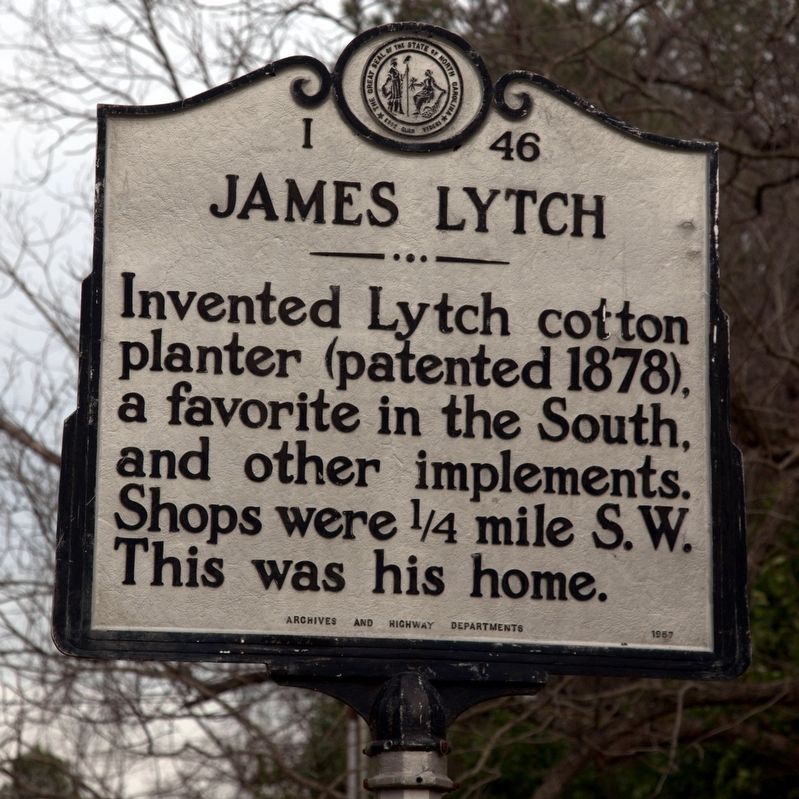
Photographed by J. J. Prats, February 18, 2017
1. James Lytch Marker
Erected 1957 by Archives and Highway Department. (Marker Number I-46.)
Topics and series. This historical marker is listed in these topic lists: Agriculture • Industry & Commerce. In addition, it is included in the North Carolina Division of Archives and History series list. A significant historical year for this entry is 1878.
Location. 34° 44.877′ N, 79° 31.406′ W. Marker is near Laurinburg, North Carolina, in Scotland County. It is at the intersection of X-Way Road (Road 1108) and Blue Woods Road (Road 1116), on the right on X-Way Road. A signpost at the marker lists Gibson as five miles southwest and Laurinburg at three miles northeast. Touch for map. Marker is in this post office area: Laurinburg NC 28352, United States of America. Touch for directions.

Regionally, this marker is in North Carolina’s Piedmont. It is also in the American South and specifically in the Upper South. Globally, it is in North America, the Western Hemisphere, the Western World,
this page online
Other nearby markers. At least 8 other markers are within 4 miles of this marker, measured as the crow flies: St. Andrews Presbyterian College (approx. 1.9 miles away); Original Springfield Cotton Mill (approx. 2.4 miles away); Ida Yarn Mill (approx. 3.6 miles away); J. Dickson Phillips, Jr. (approx. 3.8 miles away); Vietnam Memorial (approx. 3.8 miles away); Terry Sanford (approx. 3.8 miles away); Edwin Gill (approx. 3.8 miles away); a different marker also named Laurinburg (approx. 3.9 miles away). Touch for a list and map of all markers in Laurinburg.
Another marker is no longer nearby. Laurinburg (was approx. 3.9 miles away but has been replaced with another marker now near it).
Also see . . . NCpedia entry for James Lytch. “Lytch was raised and educated in the tradition of his Scottish Presbyterian family, but his mechanical ingenuity appears to have been a natural gift. His first
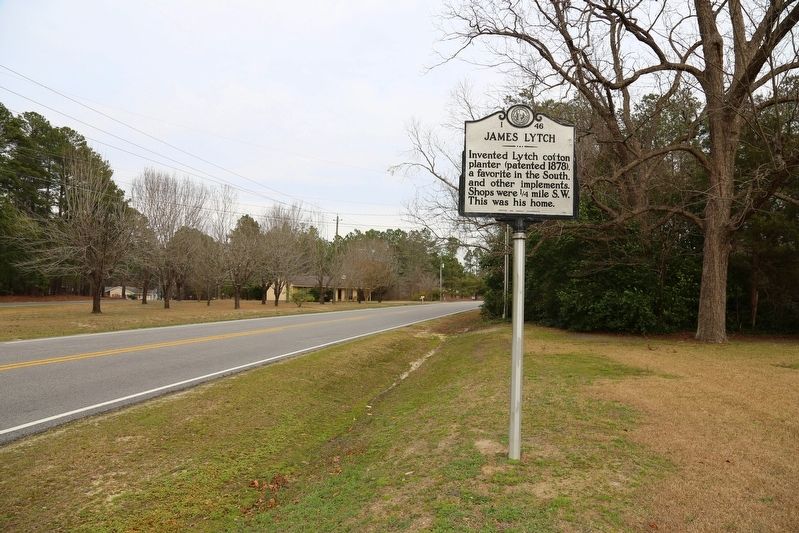
Photographed by J. J. Prats, February 18, 2017
2. James Lytch Marker
“The Lytch planter was manufactured in shops Lytch built near his home at X-Way in Richmond (now Scotland) County. He also built and operated a gristmill at the site. As of 1980 this mill was still in operation, producing cornmeal and whole wheat flour under the X-Way brand. The Lytch home and grounds are included on the National Register of Historic Places. In 1957 the state of North Carolina erected a historical marker near the Lytch home on State Road 1108 to honor James Lytch and his accomplishments.” (Submitted on March 17, 2017.)
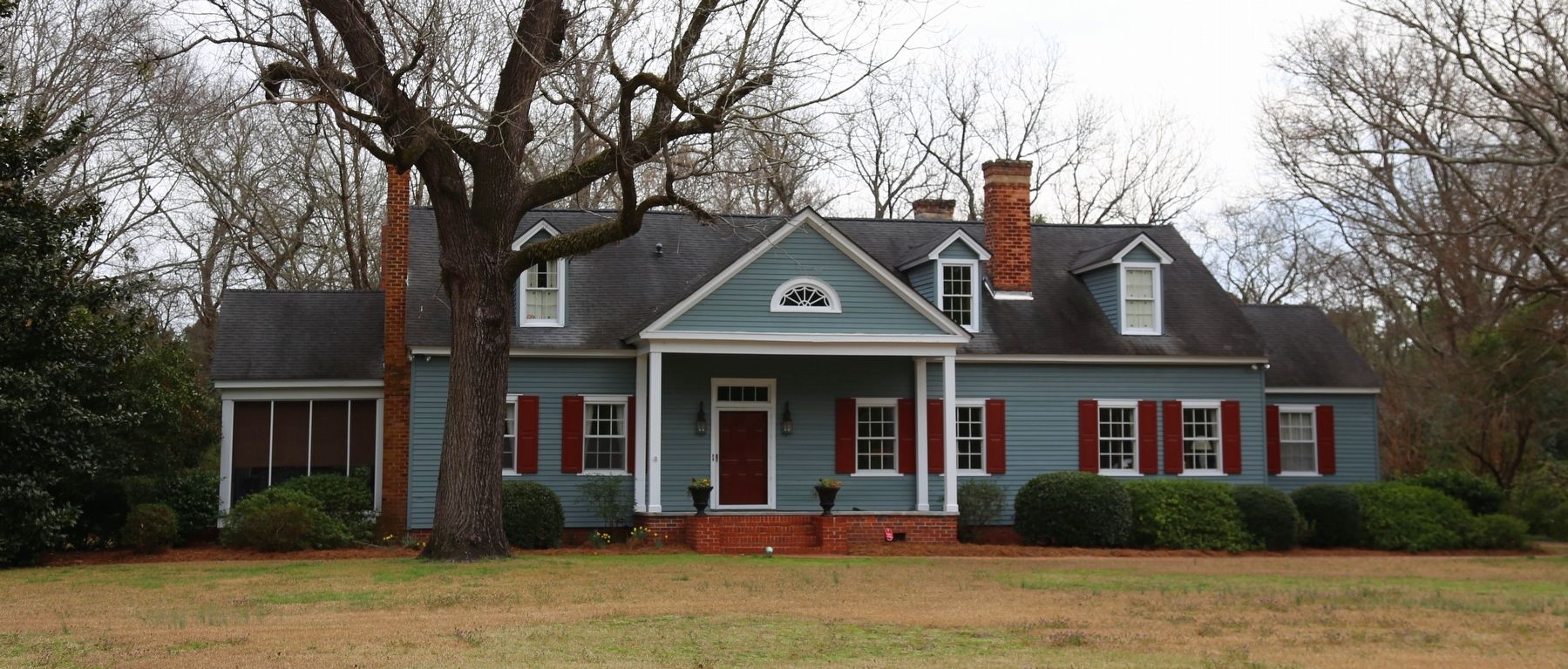
Photographed by J. J. Prats, February 18, 2017
3. James Lytch Home
Credits. This page was last revised on March 17, 2017. It was originally submitted on March 17, 2017, by J. J. Prats of Powell, Ohio. This page has been viewed 1,199 times since then and 101 times this year. Photos: 1, 2, 3. submitted on March 17, 2017, by J. J. Prats of Powell, Ohio.
