Augusta in Kennebec County, Maine — The American Northeast (New England)
Garden of Remembrance
Photographed by Don Morfe
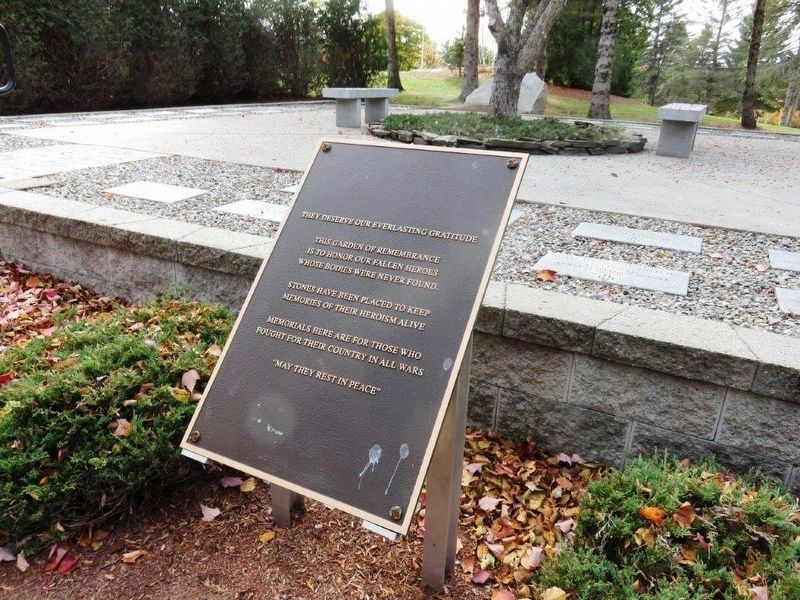
1. Garden of Remembrance Marker
They deserve our everlasting gratitude.
This garden of remembrance is to honor our fallen heroes whose bodies were never found.
Stones have been placed to keep memories of their heroism alive.
Memorials here are for those who fought for their country in all wars.
“May they rest in peace”
Topics. This memorial is listed in these topic lists: War, US Civil • War, Vietnam • War, World I.
Location. 44° 21.174′ N, 69° 47.244′ W. Memorial is in Augusta, Maine, in Kennebec County. It can be reached from Blue Star Avenue. Touch for map. Memorial is at or near this postal address: 143 Blue Star Ave, Augusta ME 04330, United States of America. Touch for directions.

Regionally, this memorial is in the Kennebec Valley. It is also in the American Northeast and in New England. Globally, it is in North America, the Western Hemisphere, the Western World, and the Anglosphere.
Other nearby markers. At least 8 other markers are within 3 miles of this marker, measured as the crow flies: Augusta, Maine – The Civil War (approx. 2½ miles away); Cony U.S. Hospital / Hôpital Militaire Cony
this page online
Photographed by Don Morfe
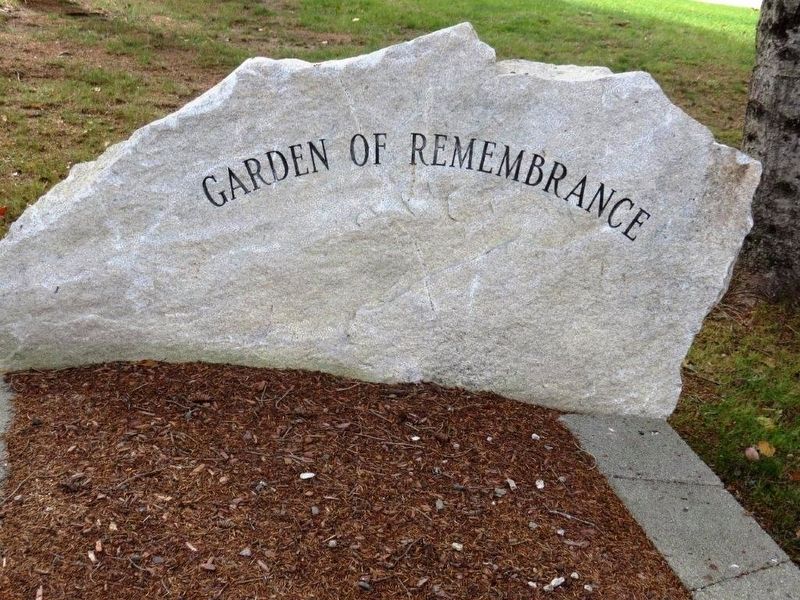
2. Garden of Remembrance Marker
Photographed by Don Morfe
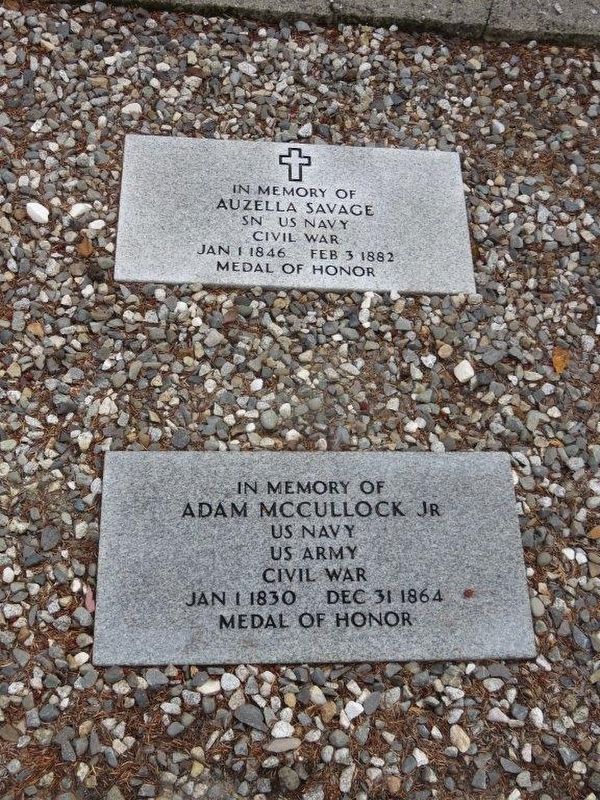
3. Adam McCullock marker
Civil War Congressional Medal of Honor Recipient. His Medal of Honor information and citation is: McCULLOCK, ADAM
• Rank and organization: Seaman, U.S. Navy
• Accredited to: Maine
• G.O. No.: 45, 31 December 1864
Citation: On board the U.S.S. Lackawanna during successful attacks against Fort Morgan, rebel gunboats and the ram Tennessee in Mobile Bay, on 5 August 1864. Wounded when an enemy shell struck, and ordered to go below, McCullock refused to leave his station and continued to perform his duties throughout the prolonged action which resulted in the capture of the prize ram Tennessee and in the damaging and destruction of Fort Morgan.
Credits. This page was last revised on May 11, 2023. It was originally submitted on December 2, 2018, by Don Morfe of Baltimore, Maryland. This page has been viewed 294 times since then and 16 times this year. Last updated on December 3, 2018, by Don Morfe of Baltimore, Maryland. Photos: 1, 2, 3. submitted on December 2, 2018, by Don Morfe of Baltimore, Maryland. • Andrew Ruppenstein was the editor who published this page.
