Mount Vernon in Baltimore, Maryland — The American Northeast (Mid-Atlantic)
Walters Art Museum
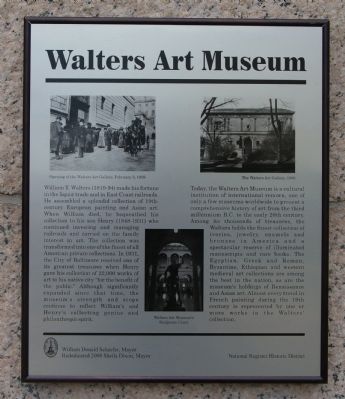
Photographed by Christopher Busta-Peck, August 7, 2008
1. Walters Art Museum Marker
Today, the Walters Art Museum is a cultural institution of international renown, one of only a few museums worldwide to present a comprehensive history of art from the third millennium B.C. to the early 20th century. Among its thousands of treasures, the Walters holds the finest collection of ivories, jewelry, enamels and bronzes in America and a spectacular
this page online
Erected 2008 by the City of Baltimore, William Donald Schaefer, mayor, Rededicated 2008, Sheila Dixon, mayor.
Topics and series. This historical marker is listed in this topic list: Arts, Letters, Music. In addition, it is included in the Maryland, Baltimore City historical markers series list.
Location. 39° 17.787′ N, 76° 36.952′ W. Marker is in Baltimore, Maryland. It is in Mount Vernon. It is at the intersection of Washington Place and West Centre Street, on the left when traveling north on Washington Place. Touch for map. Marker is in this post office area: Baltimore MD 21201, United States of America. Touch for directions.

Regionally, this marker is in Central Maryland. It is also in the American Mid-Atlantic, in the
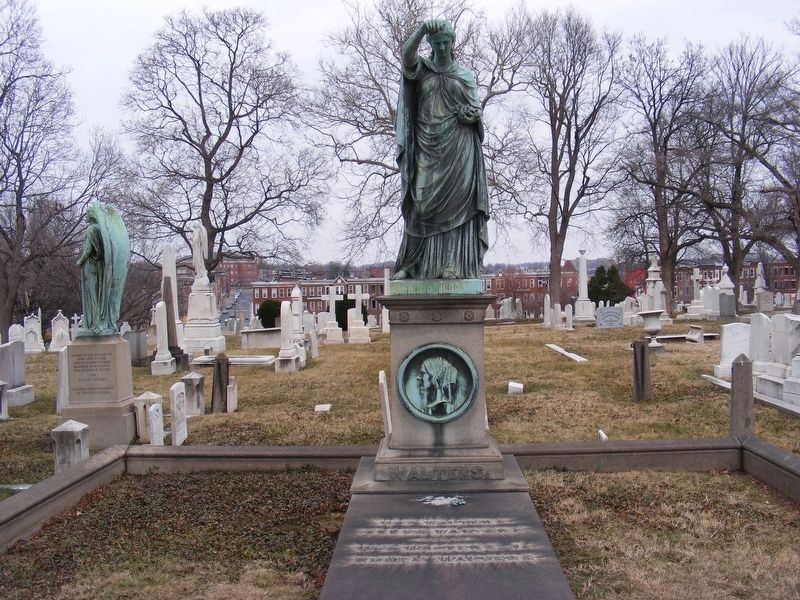
Photographed by Don Morfe, March 13, 2009
2. William Walters tombstone
He is buried in Green Mount Cemetery, Baltimore MD
Other nearby markers. At least 8 other markers are within walking distance of this marker: Memorial To Edward Berge (within shouting distance of this marker); Hackerman House (about 300 feet away, measured in a direct line); To George Washington (about 300 feet away); Lafayette Monument (about 300 feet away); Murnaghan House (about 300 feet away); The Peabody Library (about 300 feet away); The Peabody Conservatory (about 300 feet away); Exercising Freedom: Overcoming Racial and Religious Boundaries (about 400 feet away). Touch for a list and map of all markers in Baltimore.
Other markers no longer nearby. Freedom & Equality for All (was within shouting distance of this marker but has been permanently removed); A Monumental Honor (was about 300 feet away but has been permanently removed).
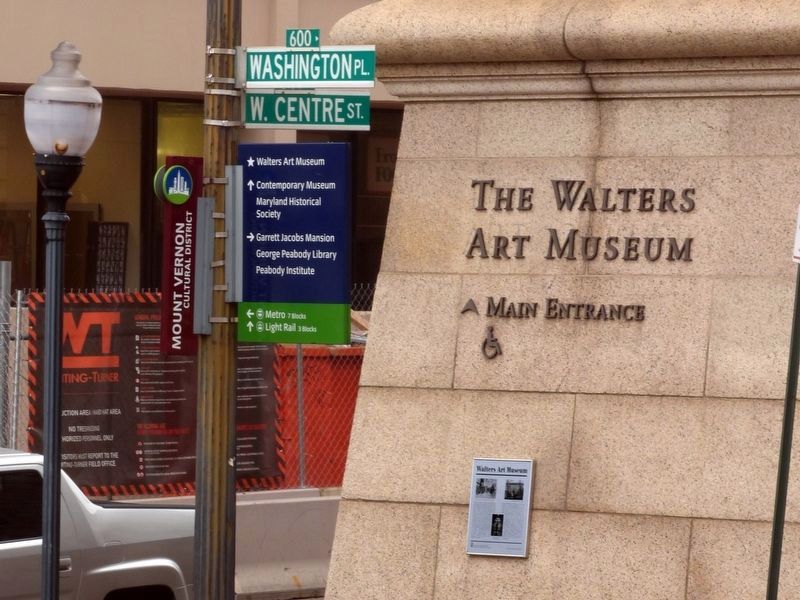
Photographed by Allen C. Browne, February 19, 2018
3. Walters Art Museum Marker
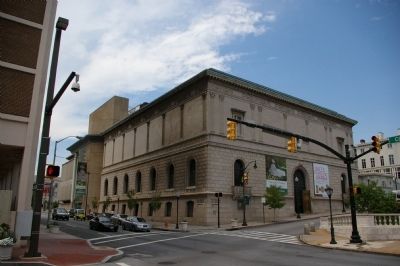
Photographed by Christopher Busta-Peck, August 7, 2008
4. The Walters Art Museum
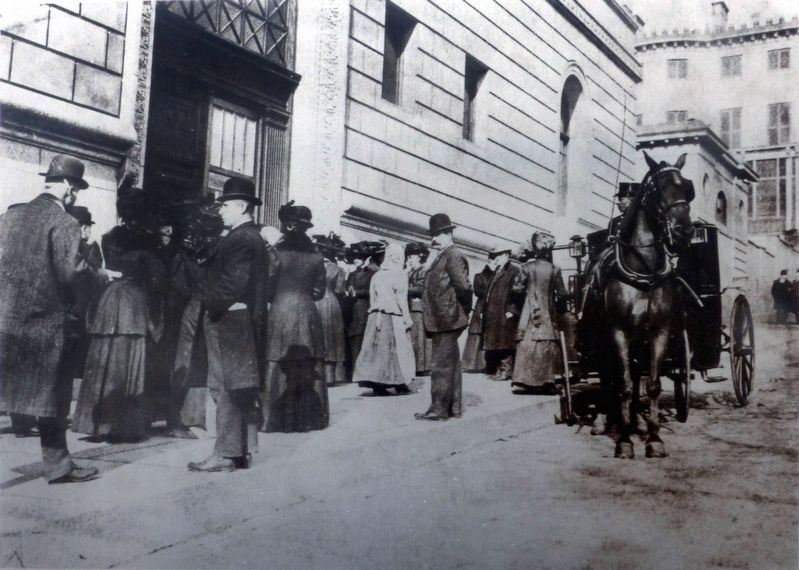
Photographed by Allen C. Browne, February 19, 2018
5. Opening of Walters Art Gallery, February 3, 1909
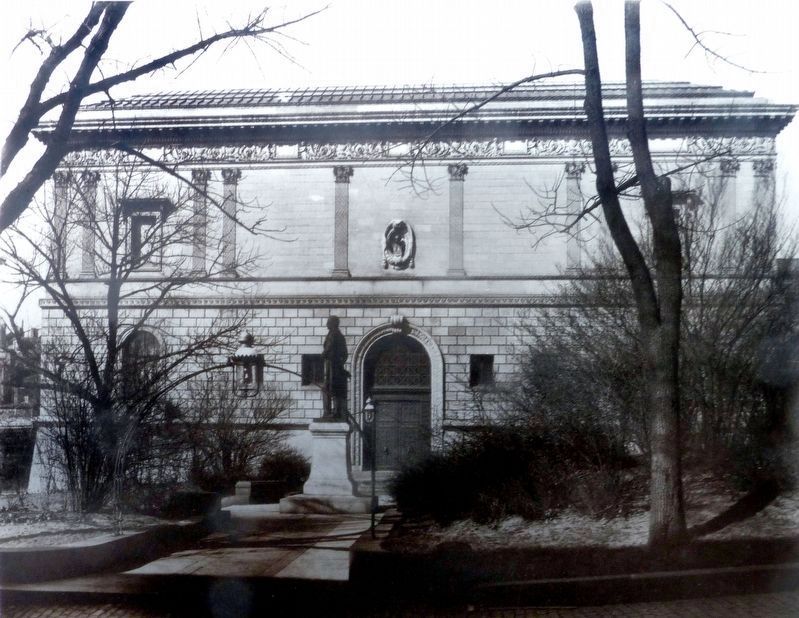
Photographed by Allen C. Browne, February 19, 2018
6. Walters Art Gallery, 1909
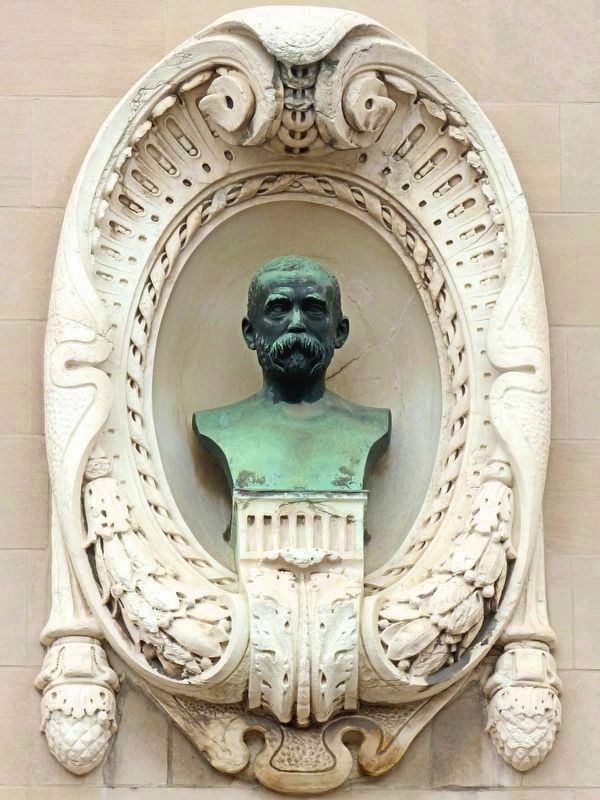
Photographed by Allen C. Browne, February 19, 2018
7. William T. Walters
William Henry Rinehart's 1907 bust of William T. Walters sits in an elaborate niche above the front door of the Walters Art Museum.
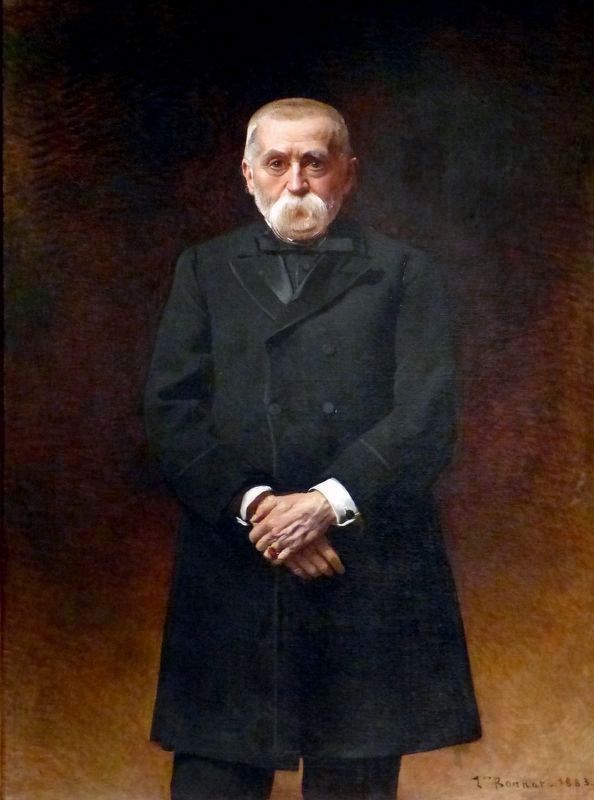
Photographed by Allen C. Browne, May 28, 2016
8. William T. Walters
This 1883 portrait of William T. Walters by Leon Bonnat hangs in the Walters Art Museum.
“William Thompson Walters (May 23, 1820 – November 22, 1894) was an American businessman and art collector, whose collection formed the basis of the Walters Art Museum.” — Wikipedia
“William Thompson Walters (May 23, 1820 – November 22, 1894) was an American businessman and art collector, whose collection formed the basis of the Walters Art Museum.” — Wikipedia
Photographed by Allen C. Browne, May 28, 2016
9. Henry Walters
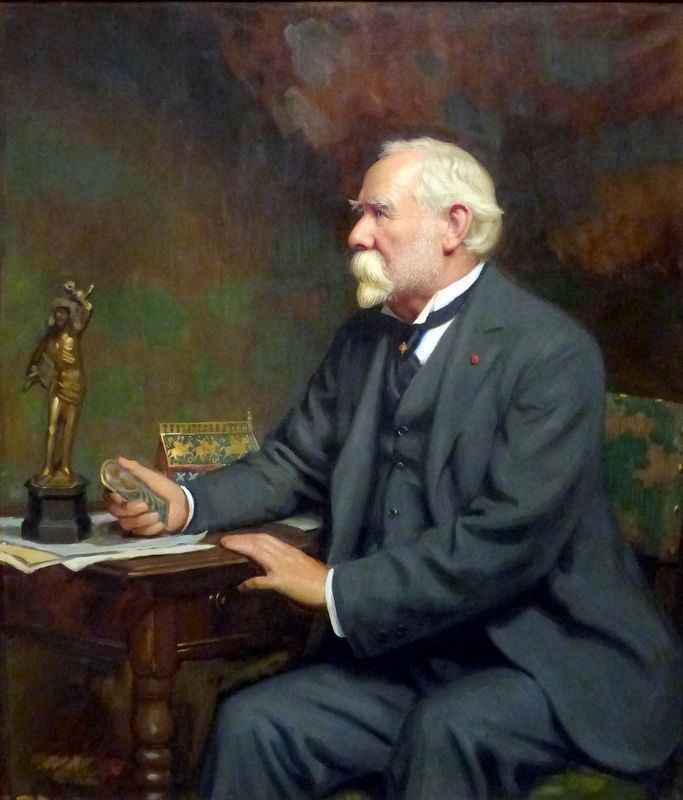
This 1938 portrait of Henry Walters by Thomas Cromwell Corner hangs in the Walters Art Museum.
“Henry Walters (September 26, 1848–November 30, 1931) was noted as an art collector and philanthropist, a founder of the Walters Art Gallery (now the Walters Art Museum) in Baltimore, Maryland, which he donated to the city in his 1931 will for the benefit of the public. From the late 19th Century, Walters lived most of the time in New York City, where from 1903 on, he served on the executive committee of the Metropolitan Museum of Art in Manhattan on Fifth Avenue. He was selected as second vice president in 1913, a position he held until his death.
Like his father William Thompson Walters, (1820-1894), he was a businessman in the railroad industry, serving as president of the Atlantic Coast Line Railroad (1894-1902), which had been established by his father.” — Wikipedia
“Henry Walters (September 26, 1848–November 30, 1931) was noted as an art collector and philanthropist, a founder of the Walters Art Gallery (now the Walters Art Museum) in Baltimore, Maryland, which he donated to the city in his 1931 will for the benefit of the public. From the late 19th Century, Walters lived most of the time in New York City, where from 1903 on, he served on the executive committee of the Metropolitan Museum of Art in Manhattan on Fifth Avenue. He was selected as second vice president in 1913, a position he held until his death.
Like his father William Thompson Walters, (1820-1894), he was a businessman in the railroad industry, serving as president of the Atlantic Coast Line Railroad (1894-1902), which had been established by his father.” — Wikipedia
Credits. This page was last revised on April 17, 2020. It was originally submitted on August 14, 2008, by Christopher Busta-Peck of Shaker Heights, Ohio. This page has been viewed 1,228 times since then and 21 times this year. Last updated on February 25, 2020, by Bruce Guthrie of Silver Spring, Maryland. Photos: 1. submitted on August 14, 2008, by Christopher Busta-Peck of Shaker Heights, Ohio. 2. submitted on September 14, 2017, by Don Morfe of Baltimore, Maryland. 3. submitted on February 20, 2018, by Allen C. Browne of Silver Spring, Maryland. 4. submitted on August 14, 2008, by Christopher Busta-Peck of Shaker Heights, Ohio. 5, 6, 7, 8, 9. submitted on February 20, 2018, by Allen C. Browne of Silver Spring, Maryland. • Bill Pfingsten was the editor who published this page.
