Gramercy Park in Manhattan in New York County, New York — The American Northeast (Mid-Atlantic)
Peter’s Field
1.591 acres
Photographed by Larry Gertner, June 16, 2016
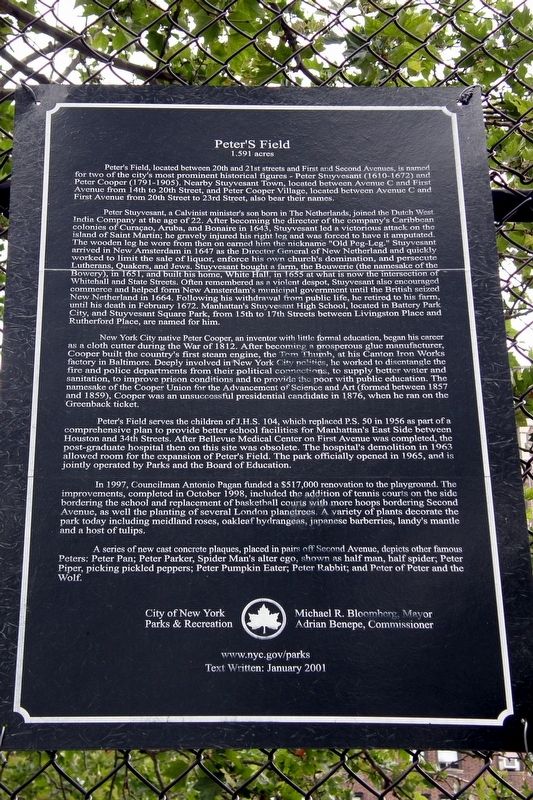
1. Peter’s Field Marker
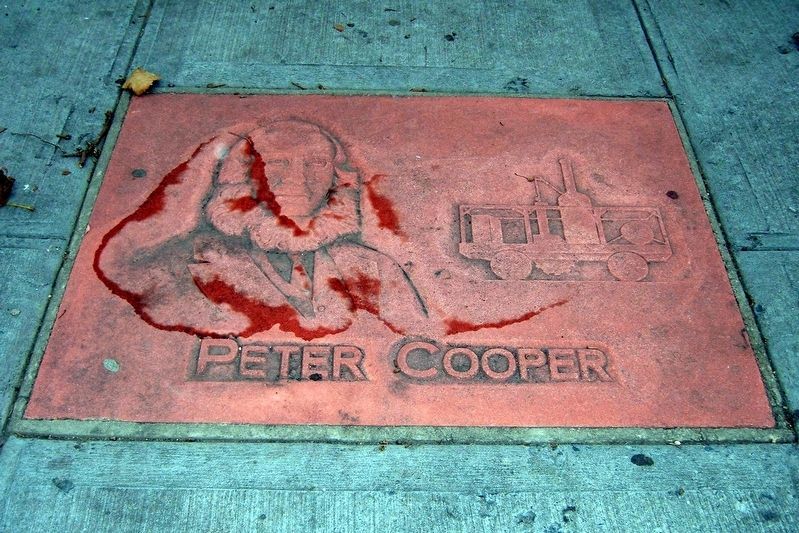
Peter’s Field, located between 20th and 21st Streets and First and Second Avenues, is named for two of the city’s most prominent historical figures—Peter Stuyvesant (1610-1672) and Peter Cooper (1791-1905). Nearby Stuyvesant Town, located between Avenue C and First Avenues from 14th to 20th Streets, and Peter Cooper Village, located between Avenue C and First Avenues from 20th Street to 23rd Streets, also bear their names.
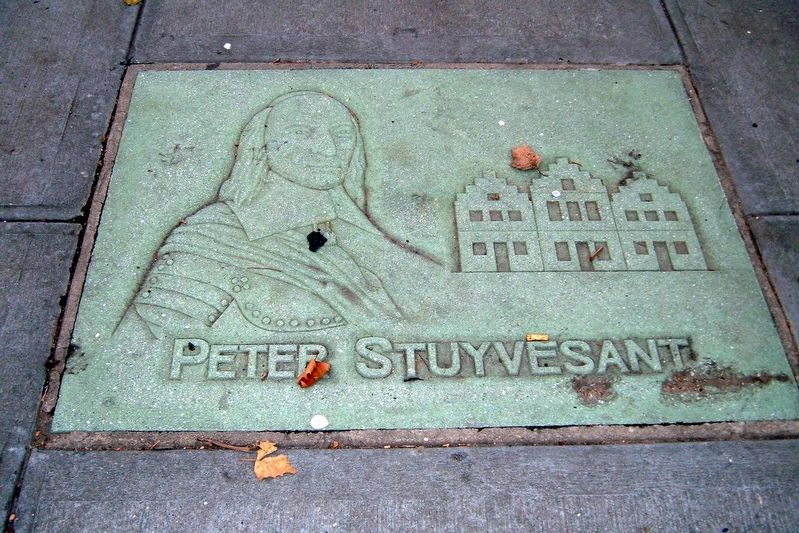
Peter Stuyvesant, a Calvinist minister’s son, born in The Netherlands, joined the Dutch West India Company at the age of 22. After becoming the director of the company’s Caribbean colonies of Curaçao, Aruba, and Bonaire in 1643, Stuyvesant led a victorious attack on the island of Saint Martin; he gravely injured his right leg and was forced to have it amputated. The wooden leg he wore from then on earned him the nickname “Old Peg-Leg.” Stuyvesant arrived in New Amsterdam in 1647 as the Director General of New Netherland and quickly worked to limit the sale of liquor, enforce his own church’s domination, and persecute Lutherans, Quakers, and Jews. Stuyvesant bought a farm, the Bouwerie (the namesake of the Bowery), in 1651, and built his home, White Hall, in 1655 at what is now the intersection of Whitehall and State Streets. Often remembered as a violent despot, Stuyvesant also encouraged commerce and helped form New Amsterdam’s municipal government until the British seized New Netherland in 1664. Following his withdrawal from public life, he retired to his farm where he lived until his death in February 1672. Manhattan’s Stuyvesant High School, located in Battery Park City, and Stuyvesant Square Park, from 15th to 17th Streets between Livingston Place and Rutherford Place, are named for him.
New York City native Peter Cooper, an inventor with little formal education,
this page online
Peter’s Field serves the children of J.H.S. 104, which replaced P.S. 50 in 1956 as part of a comprehensive plan to provide better school facilities for Manhattan’s East Side between Houston and 34th Streets. The post-graduate hospital originally on this site was obsolete after Bellevue Medical Center on First Avenue was completed. The hospital’s demolition in 1963 allowed room for the expansion of Peter’s Field. The park officially opened in 1965, and is jointly operated by NYC Parks
Photographed by Larry Gertner, September 29, 2019
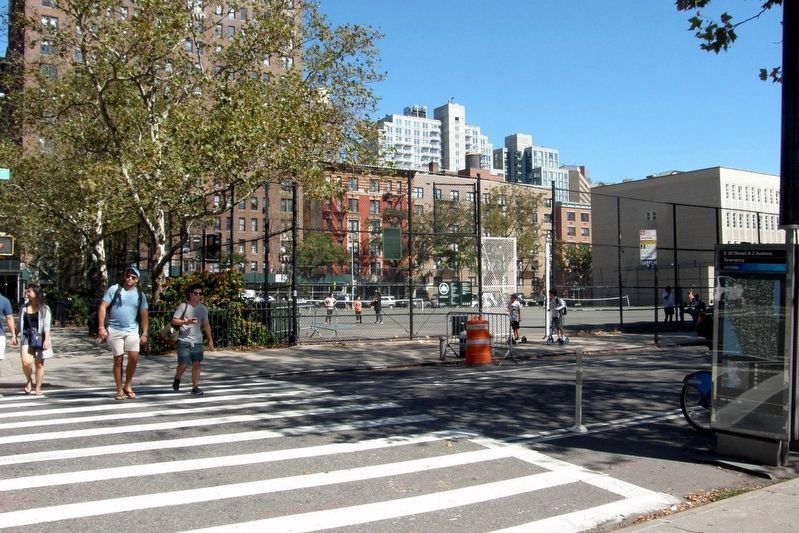
2. Peter’s Field Marker
The playground; the marker is center screen.
In 1997, Councilman Antonio Pagan funded a $517,000 renovation to the playground. The improvements, completed in October 1998, included the addition of tennis courts on the side bordering the school and replacement of basketball courts with more hoops bordering Second Avenue, as well the planting of several London plane trees. A variety of plants decorate the park today including meidland roses, oakleaf hydrangeas, Japanese barberries, lady's mantle and a host of tulips.
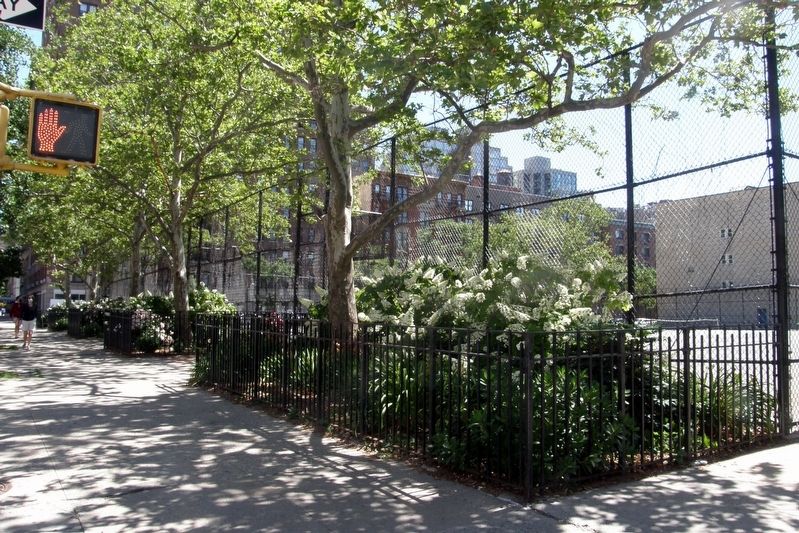
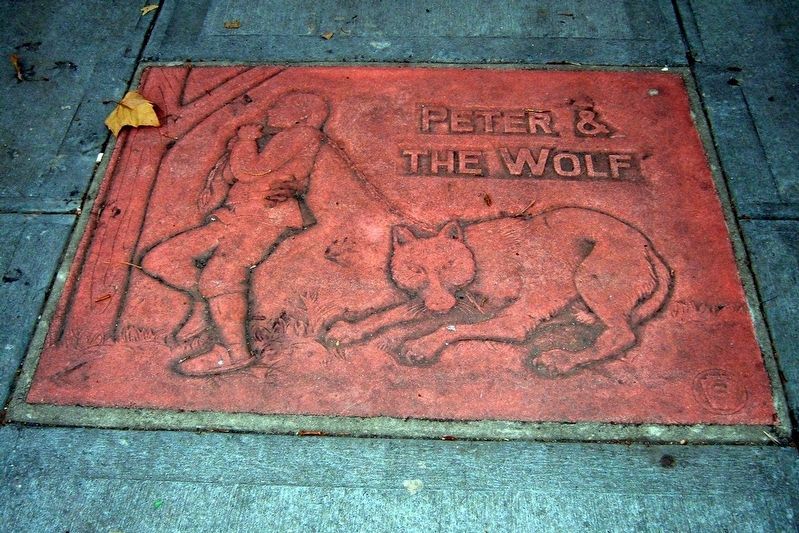
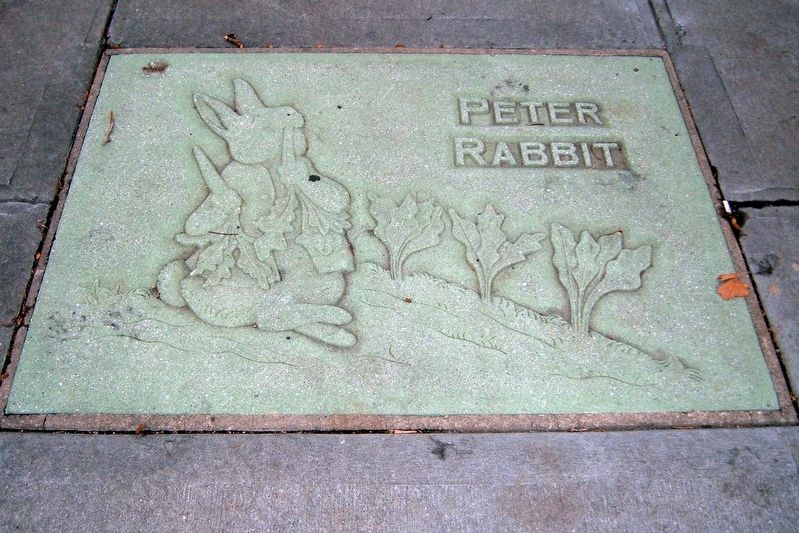
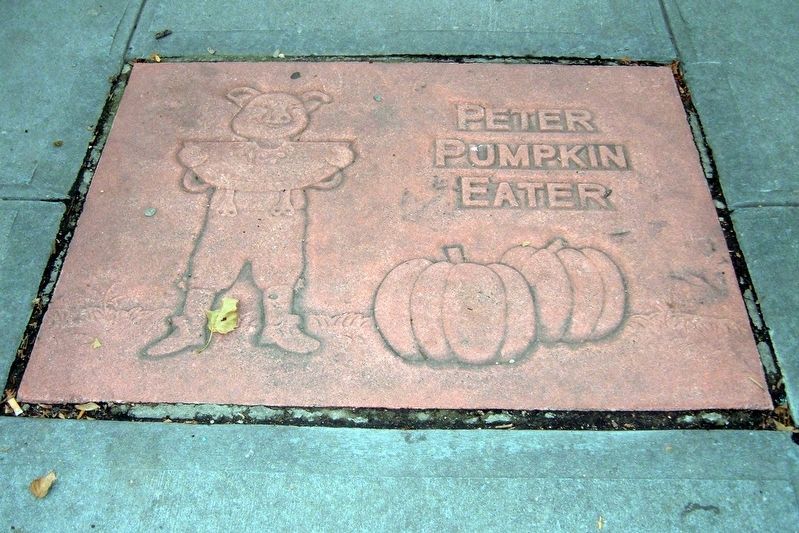
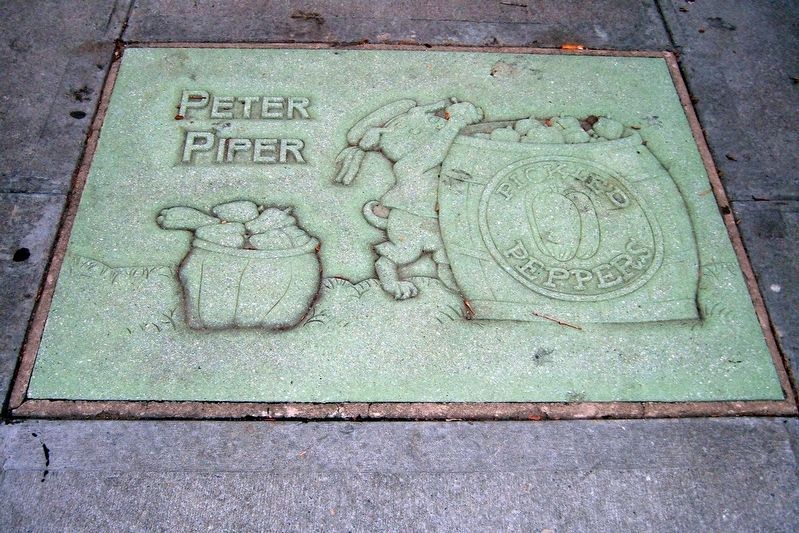
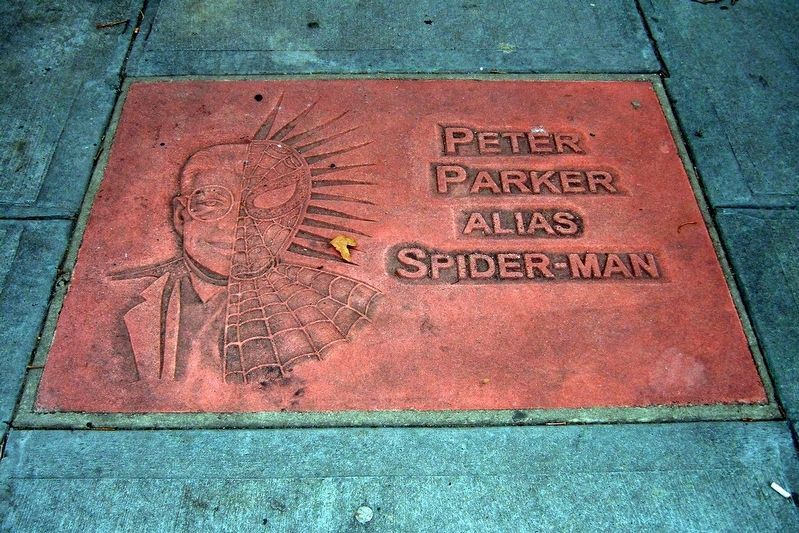
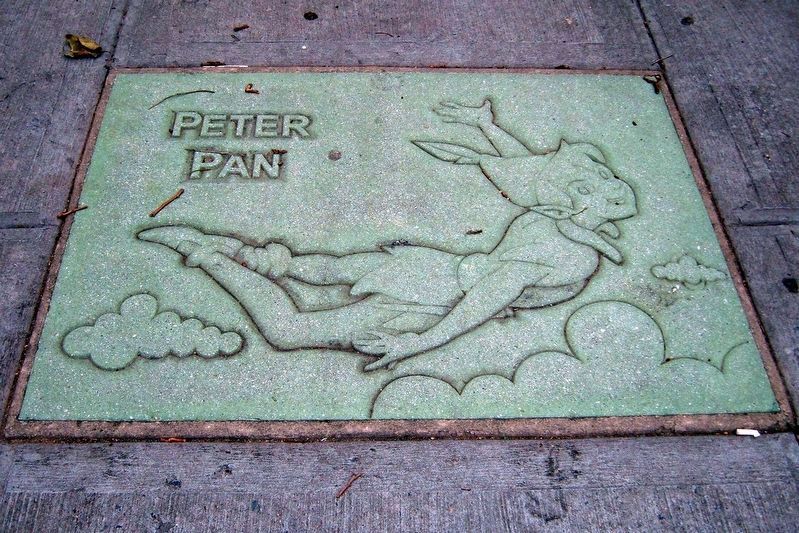
A series of cast concrete plaques, placed in pairs along Second Avenue, depicts other famous Peters: Peter Pan; Peter Parker, Spider Man’s alter ego, shown as half-man, half-spider; Peter Piper, picking pickled peppers; Peter Pumpkin Eater; Peter Rabbit; and Peter of Peter and the Wolf.
Erected 2001 by NYC Parks & Recreation.
Topics. This historical marker is listed in this topic list: Parks & Recreational Areas. A significant historical month for this entry is February 1672.
Location. 40° 44.159′ N, 73° 58.927′ W. Marker is in Manhattan, New York, in New York County. It is in Gramercy Park. It is on Second Avenue east of East 20th Street,
Photographed by Larry Gertner, June 13, 2020
3. Peter’s Field
Along Second Avenue. The whimsical plaques are within the insets.

Regionally, this marker is in New York City. It is also in the American Northeast, in the Mid-Atlantic, and on the Eastern Seaboard. Globally, it is in the North Atlantic Region, North America, the Western Hemisphere, the Western World, and the Anglosphere. Historically, it finds itself in what was once New Netherland and also one of the original Thirteen Colonies.
Other nearby markers. At least 8 other markers are within walking distance of this marker: Works by Augustus Saint-Gaudens (within shouting distance of this marker); Augustus Saint-Gaudens (within shouting distance of this marker); Augustus Saint-Gaudens Playground (within shouting distance of this marker); September 11 Memorial (about 400 feet away, measured in a direct line); The Original Epiphany Church Cross (about 400 feet away); Site of Rose Hill (about 400 feet away); The Epiphany Peace Garden (about 500 feet away); Rutherford Medical (about 600 feet away). Touch for a list and map of all markers in Manhattan.
Another
Photographed by Larry Gertner, March 8, 2015
4. Peter’s Stuyvesant plaque
Also see . . . Peter's Field. Official NYC Parks description. (Submitted on June 14, 2020, by Larry Gertner of New York, New York.)
Photographed by Larry Gertner, March 8, 2015
5. Peter and the Wolf plaque
Photographed by Larry Gertner, March 8, 2015
6. Peter Rabbit plaque
Photographed by Larry Gertner, March 8, 2015
7. Peter Pumpkin Eater plaque
Photographed by Larry Gertner, March 8, 2015
8. Peter Piper plaque
Photographed by Larry Gertner, March 8, 2015
9. Peter Parker alias Spiderman plaque
Photographed by Larry Gertner, March 8, 2015
10. Peter Pan plaque
Photographed by Larry Gertner, March 8, 2015
11. Peter Cooper plaque
Credits. This page was last revised on January 31, 2023. It was originally submitted on June 14, 2020, by Larry Gertner of New York, New York. This page has been viewed 907 times since then and 83 times this year. Photos: 1, 2, 3, 4, 5, 6, 7, 8, 9, 10, 11. submitted on June 14, 2020, by Larry Gertner of New York, New York.
