Tobacco and Mount Harmon
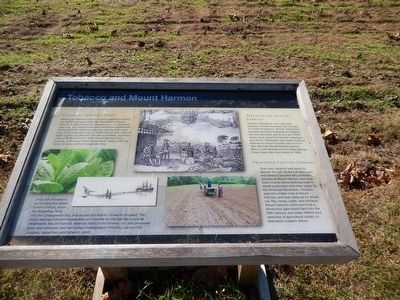
Colonial Tobacco Trade
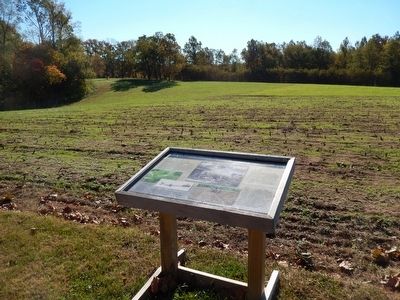
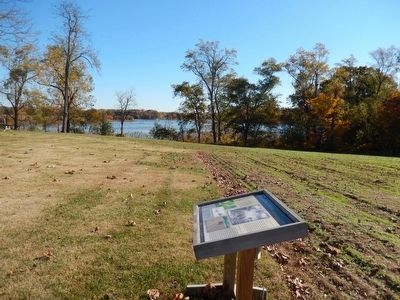
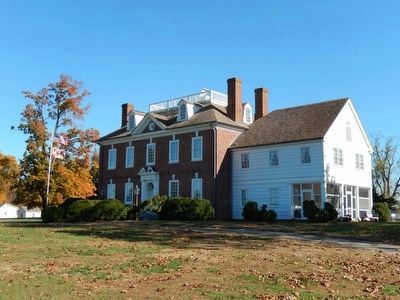
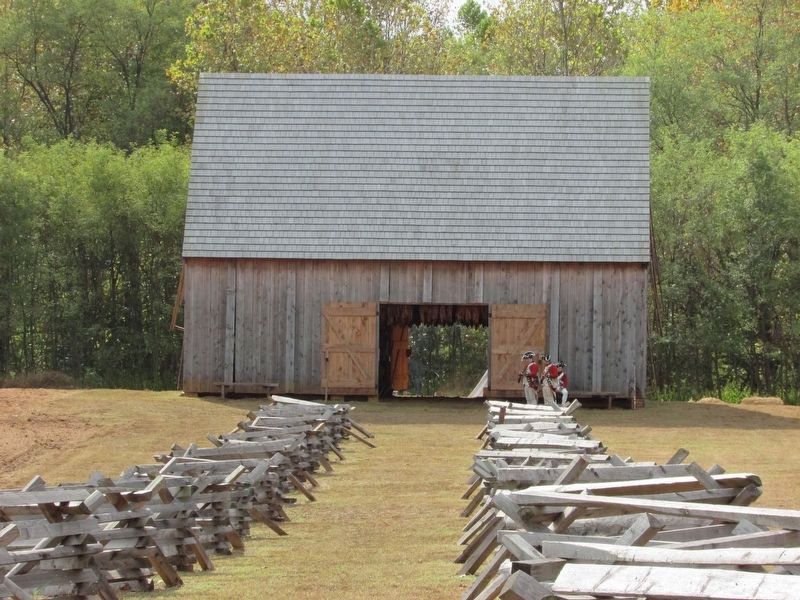
Before you stands a crop of tobacco planted to reflect the historic tobacco trade that flourished at Mount Harmon in the colonial era. Tobacco was an important cash crop that helped build early American settlements, and by the mid-1600s had evolved into the main cash crop of the Tidewater region. Tobacco was even used as legal currency by planters to make purchases, pay fines, and taxes! By the mid-1700s, Mount Harmon was a bustling 1,200-acre tobacco plantation, trading with the British Empire via the Chesapeake Bay.
Seventeenth Century Farming
Tobacco plantations were very labor intensive. It took one person to cultivate 2-3 acres of tobacco. At first, indentured servants and other European immigrants did this hard work, but by the late 1600s slaves were imported from the Caribbean and Africa. Slave labor was used on Mount Harmon by tenant farmers until the Civil War, although Mount Harmon owners, Mary Louttit George and Ann Eliza George Fisher, freed their own slaves in 1808.
Twentieth Century Farming
Over time, tobacco was found to deplete the soil. As the soil grew poor and tobacco became less
this page online
[Inscription next to the image at the left bottom]
Ships full of tobacco sailed from the Mount Harmon wharf, down the Sassafras River, into the Chesapeake Bay, and across the Atlantic Ocean to England. The ships returned full with necessities and luxuries for the plantation and its inhabitants. Mount Harmon relied on tobacco for income, but also produced grain and livestock, and had skilled tradespeople including blacksmiths, coopers, carpenters and tobacco agent.
[Inscription on sketch at top center]
A Tobacco Plantation
Topics. This historical marker is listed in these topic lists: African Americans • Agriculture • Industry & Commerce • Settlements & Settlers. A significant historical year for this entry is 1808.
Location. 39° 22.882′ N,

Regionally, this marker is in Greater Wilmington, on the Eastern Shore, and in Greater Philadelphia. It is also in the American Mid-Atlantic, on the Delmarva Peninsula, in the Tidewater, in the Chesapeake Bay Region, and on the Eastern Seaboard. Globally, it is in the North Atlantic Region, North America, the Western Hemisphere, the Western World, and the Anglosphere. Historically, it finds itself in what was once one of the original Thirteen Colonies and also the Antebellum South.
Other nearby markers. At least 8 other markers are within walking distance of this marker: Mount Harmon Plantation at World's End (within shouting distance of this marker); a different marker also named Mount Harmon Plantation at World’s End (within shouting distance of this marker); Plantation Life in the Colonial Era (about 300 feet away, measured
Credits. This page was last revised on September 21, 2020. It was originally submitted on November 17, 2015. This page has been viewed 1,097 times since then and 39 times this year. Last updated on September 21, 2020, by Carl Gordon Moore Jr. of North East, Maryland. Photos: 1, 2, 3, 4. submitted on November 17, 2015, by Don Morfe of Baltimore, Maryland. 5. submitted on October 13, 2019, by Bill Coughlin of Woodland Park, New Jersey. • J. Makali Bruton was the editor who published this page.
