Broadus in Powder River County, Montana — The American West (Mountains)
Southeastern Montana
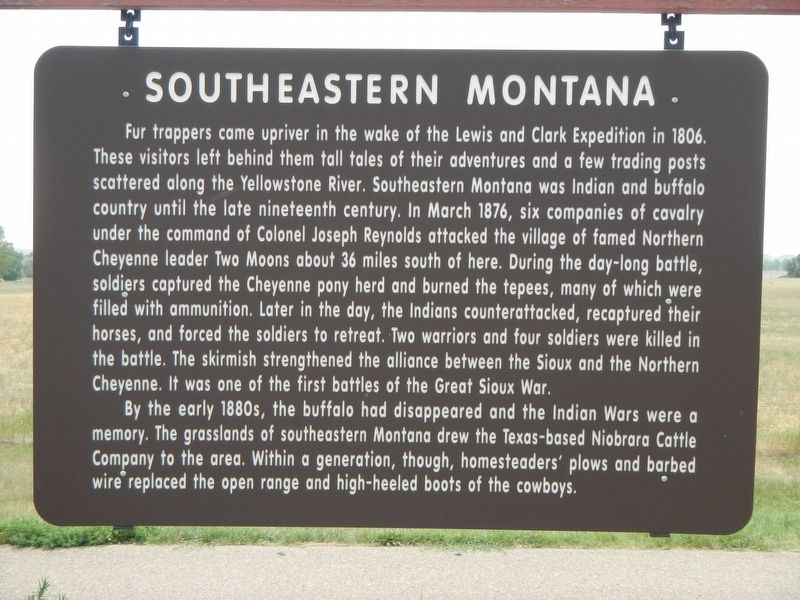
Photographed by Barry Swackhamer, July 18, 2021
1. Southeastern Montana Marker
By the early 1880s, the buffalo had disappeared and the Indian Wars were a memory. The grasslands of southeastern Montana, drew the Texas-based Niobrara Cattle Company to the area. Within a generation, though, homesteaders'
this page online
Erected by Montand Department of Transportation.
Topics. This historical marker is listed in this topic list: Wars, US Indian. A significant historical month for this entry is March 1876.
Location. 45° 26.604′ N, 105° 24.811′ W. Marker is in Broadus, Montana, in Powder River County. It is on Holt Street (U.S. 212) near Jensen Avenue, on the left when traveling west. Touch for map. Marker is at or near this postal address: 319 Holt Street, Broadus MT 59317, United States of America. Touch for directions.

Regionally, this marker is in Southeast Montana, in Custer Country and in the Powder River Basin. It is also in the American Mountain West, in the Lewis & Clark Corridor, on the Great Plains, and specifically on the Northern Plains. Globally, it is in North America, the Western Hemisphere, the Western World, and the Anglosphere. Historically, it finds itself in what was once Rupert’s Land and also the Louisiana Purchase.
Other nearby markers. At least 6 other markers are within 2 miles of this marker, measured as the crow flies: A Community Formed
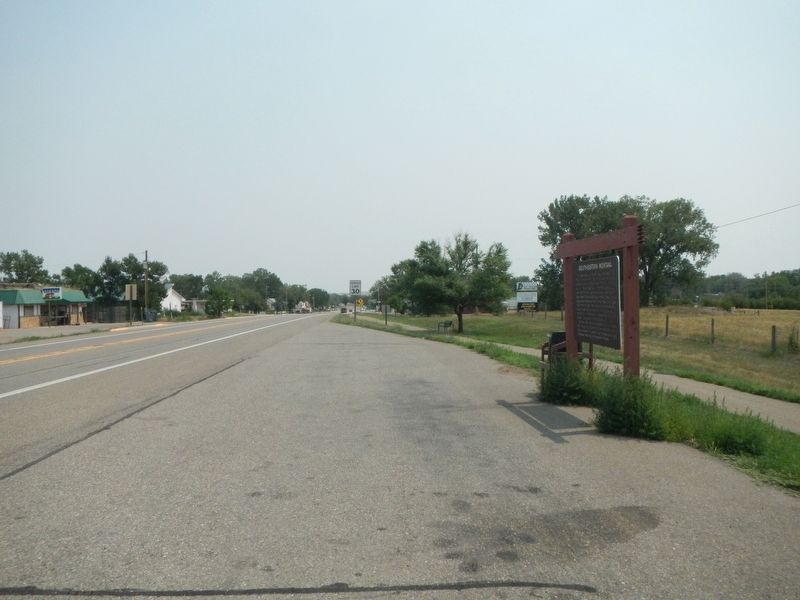
Photographed by Barry Swackhamer, July 18, 2021
2. Southeastern Montana Marker
Also see . . . Battle of Powder River -- Wikipedia. Colonel Reynolds was accused of dereliction of duty (and court-martialed) for failing to properly support the first charge with his entire command; for burning the captured supplies, food, blankets, buffalo robes, and ammunition instead of keeping them for army use; and most of all, for losing hundreds of the captured horses. (Submitted on December 29, 2021, by Barry Swackhamer of Brentwood, California.)
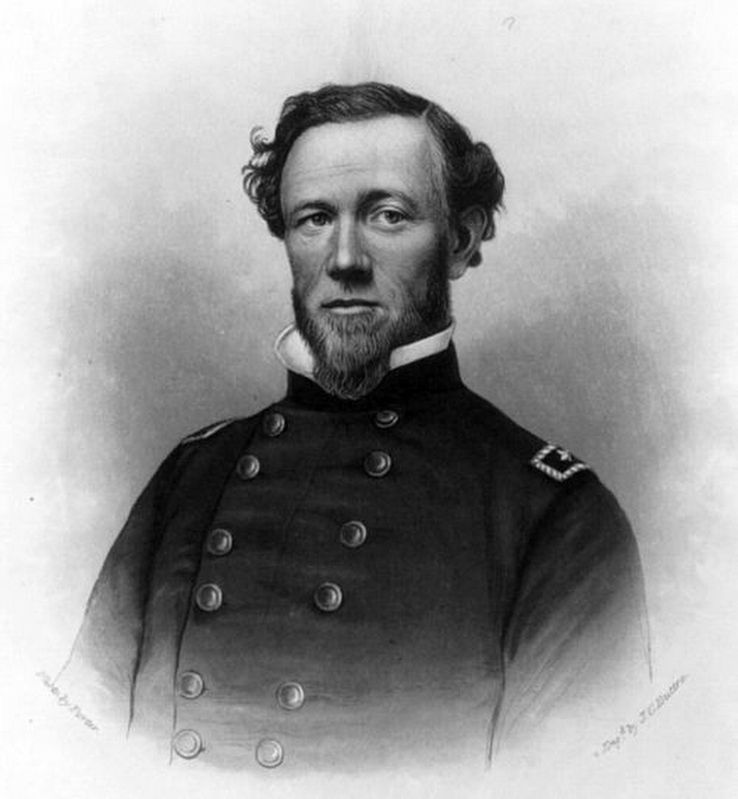
Photographed by Wikipedia
3. Brevet Major General, Colonel Joseph Jones Reynolds
Credits. This page was last revised on December 29, 2021. It was originally submitted on December 29, 2021, by Barry Swackhamer of Brentwood, California. This page has been viewed 327 times since then and 40 times this year. Photos: 1, 2, 3. submitted on December 29, 2021, by Barry Swackhamer of Brentwood, California.
