
Burbank in Clay County, South Dakota — The American Midwest (Upper Plains)
Burbank
April 15, 2023
1. Burbank Marker
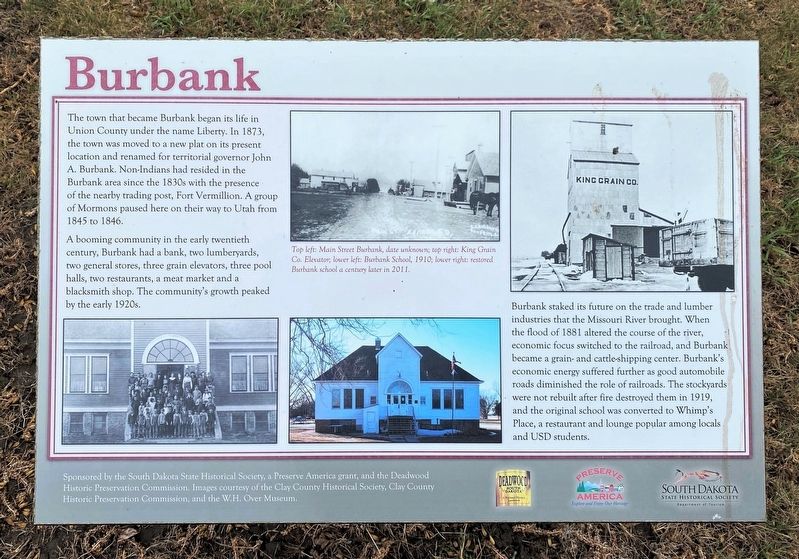
A booming community in the early twentieth century, Burbank had a bank, two lumberyards, two general stores, three grain elevators, three pool halls, two restaurants, a meat market and a blacksmith shop. The community's growth peaked by the early 1920s.
Burbank staked its future on the trade and lumber industries that the Missouri River brought. When the flood of 1881 altered the course of the river, economic focus switched to the railroad, and Burbank became a grain- and cattle-shipping center. Burbank's economic energy suffered further as good automobile roads diminished the role of railroads. The stockyards were not rebuilt after fire destroyed them in 1919, and the original school was converted to Whimp's Place, a restaurant
this page online
Caption:
Top left: Main Street Burbank, date unknown; top right: King Grain Co. Elevator; lower left: Burbank School, 1910; lower right: restored Burbank school a century later in 2011.
Erected by the South Dakota State Historical Society, a Preserve America grant, and the Deadwood Historic Preservation Commission. Images courtesy of the Clay County Historical Society, Clay County Historic Preservation Commission, and the W.H. Over Museum.
Topics. This historical marker is listed in these topic lists: Industry & Commerce • Settlements & Settlers • Waterways & Vessels. A significant historical year for this entry is 1873.
Location. 42° 44.882′ N, 96° 49.667′ W. Marker is in Burbank, South Dakota, in Clay County. It is on White Street (469th Avenue) north of Madison Street, on the left when traveling north. Touch for map. Marker is at or near this postal address: 32013 White St, Burbank SD 57010, United States of America. Touch for directions.

Regionally, this marker is in East River. It is also in the American Lewis & Clark Corridor, on the prairies, and on the
April 15, 2023
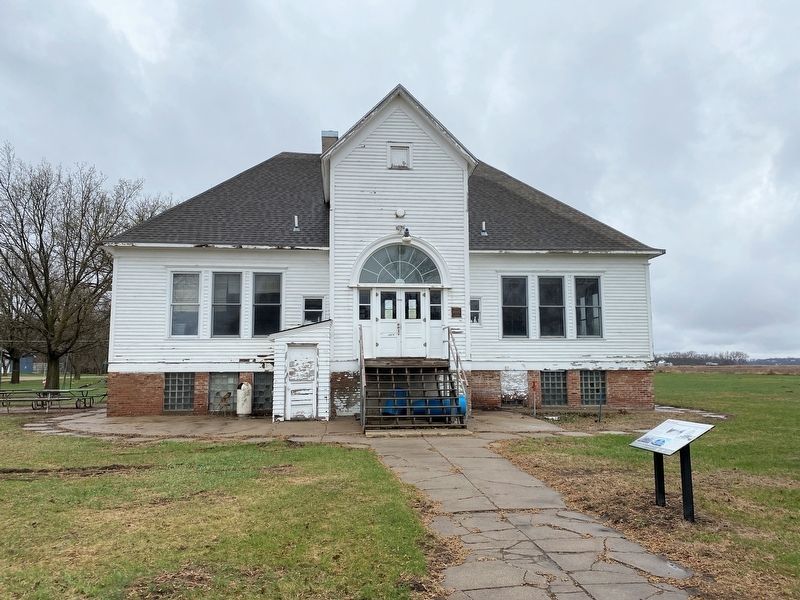
2. Burbank Marker & Burbank School
Other nearby markers. At least 8 other markers are within 6 miles of this marker, measured as the crow flies: First Rural Electric Cooperative (approx. 2.6 miles away); a different marker also named First Rural Electric Cooperative (approx. 2.7 miles away); Bruyer Church (approx. 2.9 miles away); Jerry Seaman (approx. 3 miles away); The Great Missouri River (approx. 3.2 miles away); Homestead Rest Area (approx. 3.3 miles away); Buhrstone (approx. 5.1 miles away); Prentis Park (approx. 5.2 miles away). Touch for a list and map of all markers in Burbank.
April 15, 2023
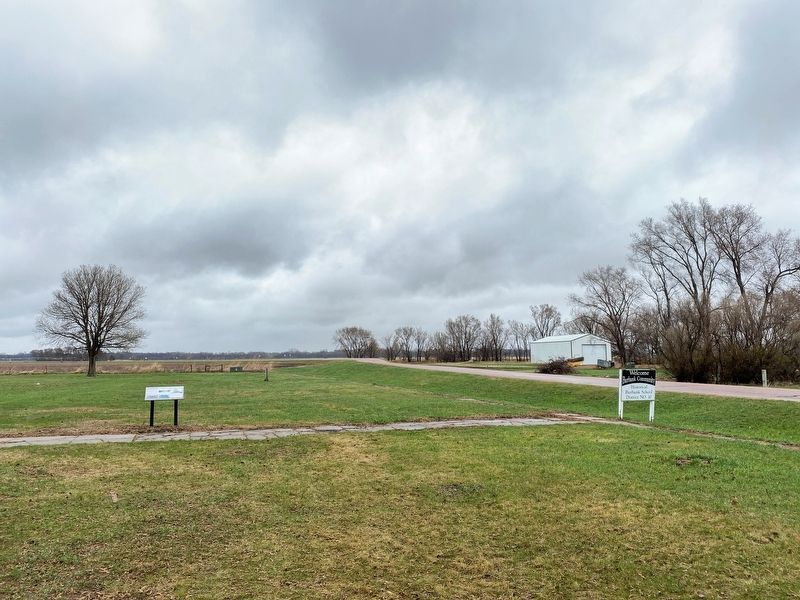
3. Burbank Marker, from the south
April 15, 2023
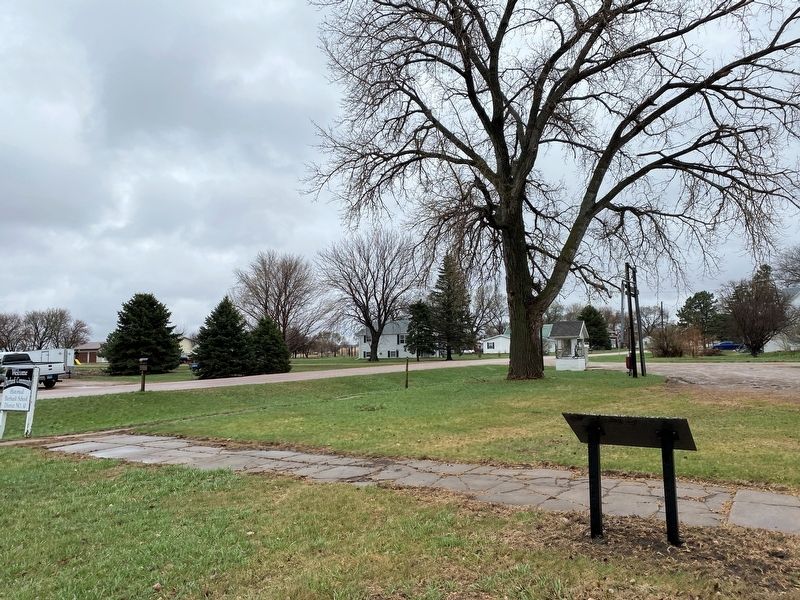
4. Burbank Marker, from the north
April 15, 2023
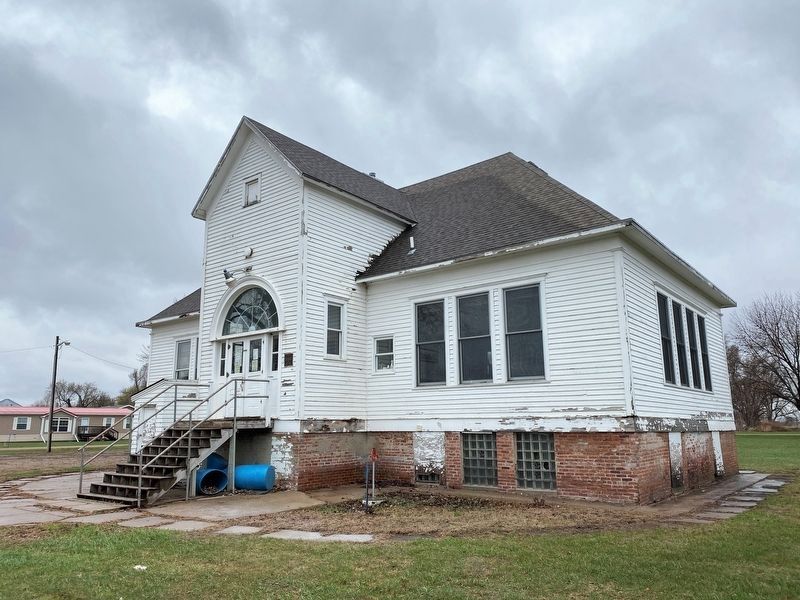
5. Burbank School
April 15, 2023
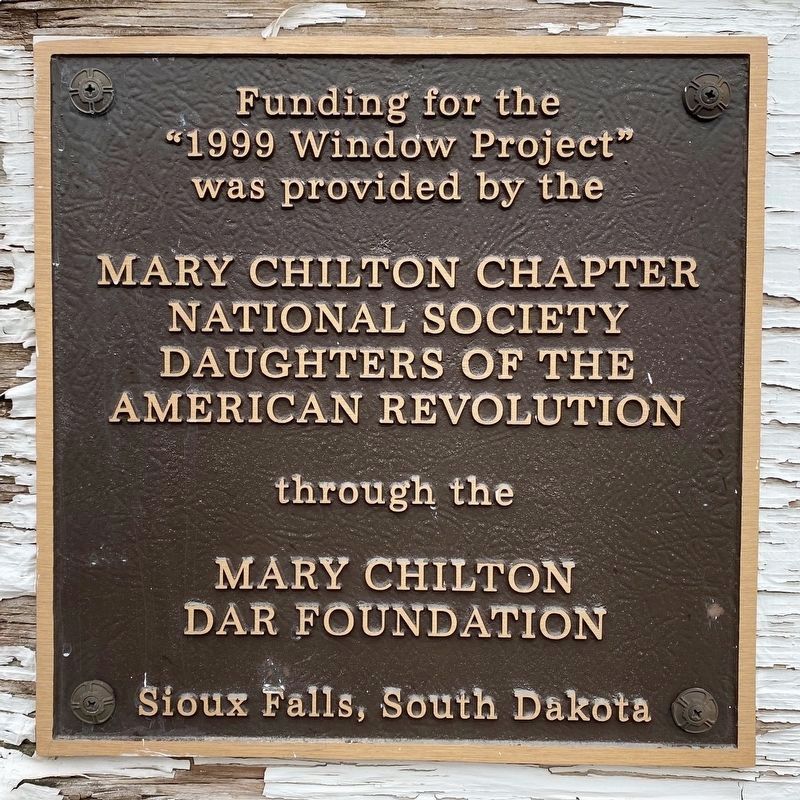
6. DAR Marker on Burbank School
Funding for the "1999 Window Project" was provided by the
Mary Chilton Chapter
National Society Daughters of the American Revolution
through the
Mary Chilton DAR Foundation Sioux Falls, South Dakota
Credits. This page was last revised on December 26, 2024. It was originally submitted on April 27, 2023. This page has been viewed 875 times since then and 74 times this year. Photos: 1, 2, 3, 4, 5, 6. submitted on April 27, 2023.
