Near Caldwell in Burleson County, Texas — The American South (West South Central)
Kings Highway Camino Real — Old San Antonio Road
Marker #53
| — | El Camino Real de los Tejas National Historic Trail | — |
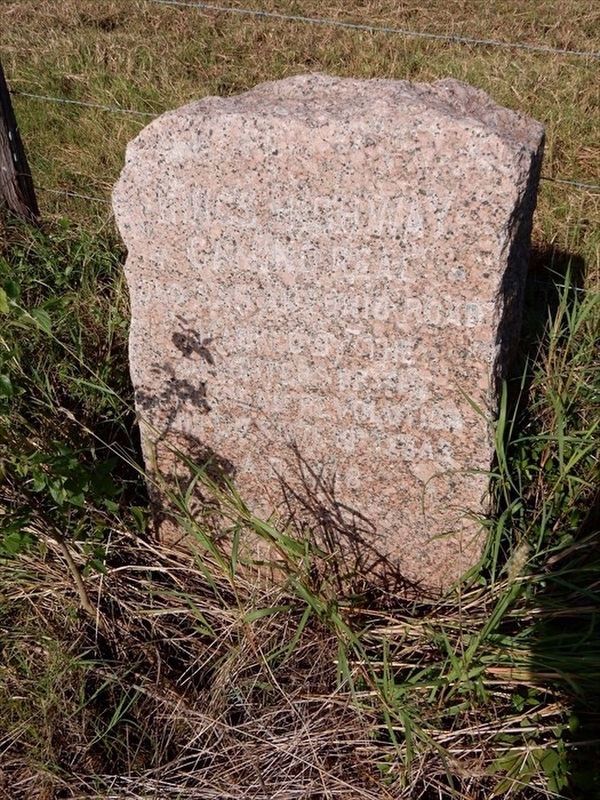
Photographed by WayBetterFinder
1. Kings Highway Camino Real — Old San Antonio Road Marker
Erected 1918 by The Daughters of The American Revolution (DAR) and The State of Texas. (Marker Number 53.)
Topics and series. This historical marker is listed in this topic list: Roads & Vehicles. In addition, it is included in the Daughters of the American Revolution (DAR) series list.
Location. 30° 28.313′ N, 96° 46.122′ W. Marker is near Caldwell, Texas, in Burleson County. It is on Texas Route 21 0.3 miles County Route 116, on the right when traveling south. Touch for map. Marker is in this post office area: Caldwell TX 77836, United States of America. Touch for directions.

Regionally, this marker is in the Prairies & Lakes Region. It is also in the American South. Globally, it is in North America, a Gulf of Mexico state, the Western Hemisphere, the Western World, and the Anglosphere. Historically, it finds itself in what was once New Spain, the Republic of Texas, one of the Confederate States of America, and the
this page online
Other nearby markers. At least 8 other markers are within 6 miles of this marker, measured as the crow flies: Deanville (approx. 2.9 miles away); St. John's Lutheran Church (approx. 2.9 miles away); Chisholm Cattle Trail (approx. 3 miles away); a different marker also named Kings Highway Camino Real — Old San Antonio Road (approx. 3.1 miles away); Belltown Community (approx. 3.7 miles away); Site of El Camino Real (approx. 4.7 miles away); a different marker also named Kings Highway Camino Real — Old San Antonio Road (approx. 5.1 miles away); Caldwell Masonic Cemetery (approx. 5.3 miles away). Touch for a list and map of all markers in Caldwell.
Regarding Kings Highway Camino Real — Old San Antonio Road. “During the Spanish colonial period in North America, numerous “royal roads”—or caminos reales—tied far-flung regions of the empire to Mexico City. One particular collection of indigenous trails and trade routes became known as El Camino Real de los Tejas, the primary overland route for the Spanish colonization of what is today Texas and northwestern Louisiana. The trail’s name is derived not only from its geographic
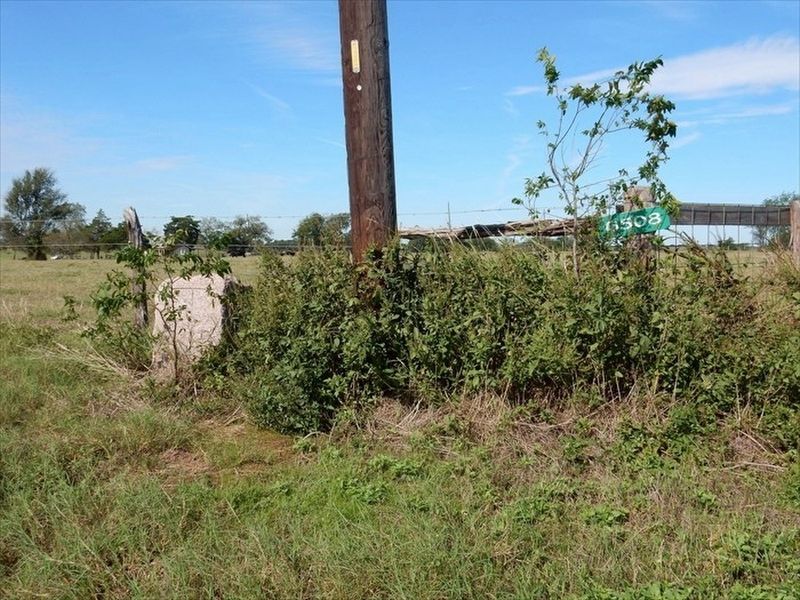
Photographed by WayBetterFinder
2. Kings Highway Camino Real — Old San Antonio Road Marker
El Camino Real de los Tejas served as a political, economic, and cultural link between Mexico City and Los Adaes (and all points in between). Settlers, missionaries, soldiers, servants, and indigenous allies followed various roads and trails along the 2,500 miles of this route to populate the settlements, missions, and presidios of eastern Texas and northwestern Louisiana. Linking a variety of cultural and linguistic groups, the royal road served as an agent for cultural diffusion, biological exchange, and communication and as a conduit for exploration, trade, migration, settlement, and livestock drives. Spanish, Mexican, French, American, Black, and American Indian travelers along El Camino Real de los Tejas created a mix of traditions, laws, and cultures that is reflected in the people, landscapes, place names, languages, music, and arts of Texas and Louisiana today.” (NPS)
In 1915 the Texas legislature appropriated $5,000 to survey and mark the route. The Daughters of the American Revolution and other organizations sponsored and endorsed the project, and professional surveyor V. N. Zivley was commissioned to make the study. From 1915-18, the State of Texas and the Daughters of the American Revolution together placed 123 pink granite markers about every five miles along the King’s Highway, also known as Camino Real or Old San Antonio Road
The El Camino Real de los Tejas National Historic Trail is a national historic trail covering the U.S. section of El Camino Real de Los Tejas, a thoroughfare from the 18th-century Spanish colonial era in Spanish Texas, instrumental in the settlement, development, and history of Texas. The National Park Service designated El Camino Real de los Tejas National Historic Trail as a unit in the National Trails System in 2004. (Wiki)
Credits. This page was last revised on May 8, 2023. It was originally submitted on May 7, 2023, by Carolyn Sanders of Plano, Texas. This page has been viewed 230 times since then and 18 times this year. Photos: 1, 2. submitted on May 7, 2023, by Carolyn Sanders of Plano, Texas. • James Hulse was the editor who published this page.
