
Anna Maria in Manatee County, Florida — The American South (South Atlantic)
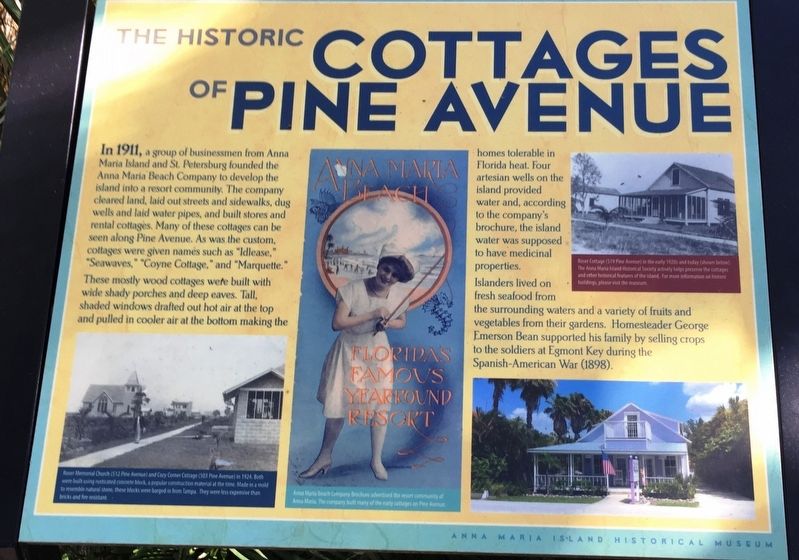
The Historic Cottages of Pine Avenue
Photographed by Brandon D Cross, March 6, 2019
1. The Historic Cottages of Pine Avenue Marker
In 1911, a group of businessmen from Anna Maria Island and St. Petersburg founded the Anna Maria Beach Company to develop the island into a resort community. The company cleared land, laid out streets and sidewalks, dug wells and laid water pipes, and built stores and rental cottages. Many of these cottages can be seen along Pine Avenue. As was custom, cottages were given names such as “Idlease,” “Seawaves,” “Coyne Cottage,” and “Marquette.”
These mostly wood cottages were built with wide shady porches and deep eaves. Tall, shaded windows drafted out hot air at the top and pulled cooler air at the bottom making the homes tolerable in Florida heat. Four artesian wells on the island provided water and according to the company’s brochure, the island water was supposed to have medicinal properties.
Islanders lived on fresh seafood from the surrounding waters and a variety of fruits and vegetables from their gardens. Homesteader George Emerson Bean supported his family by selling crops to the soldiers at Egmont Key during the Spanish-American War (1898).
Erected by Anna Maria Island Historical Museum.
Topics.
this page online
Location. 27° 31.789′ N, 82° 44.08′ W. Marker is in Anna Maria, Florida, in Manatee County. It can be reached from Pine Avenue 0.1 miles north of Crescent Drive, on the right when traveling south. Marker located in Anna Maria Island Historical Park. Touch for map. Marker is at or near this postal address: 402 Pine Ave, Anna Maria FL 34216, United States of America. Touch for directions.

Regionally, this marker is on Florida’s Gulf Coast and on Tampa Bay. It is also in the American South and on the Gulf Coast. Globally, it is in the North Atlantic Region, North America, a Gulf of Mexico state, the Western Hemisphere, the Western World, and the Anglosphere. Historically, it finds itself in what was once New Spain, the territory of the Mississippian Culture, one of the Confederate States of America, and the Antebellum South.
Other nearby markers. At least 8 other markers are within walking distance of this marker: The Homes on the End of the Pier (here, next
Anna Maria Historical Society, March 6, 2019
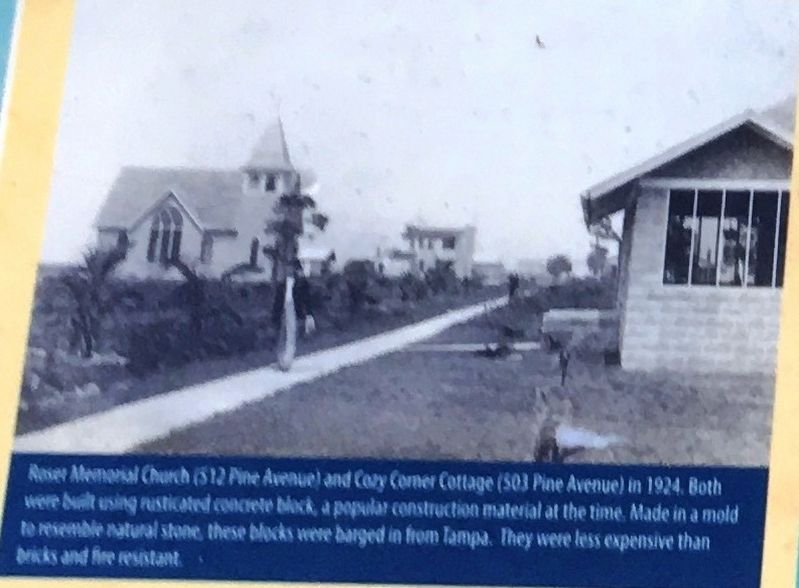
2. Marker detail: Roser Memorial Church and Cory Corner Cottage
Roser Memorial Church (512 Pine Avenue) and Cory Corner Cottage (501 Pine Avenue) in 1924.Both were built using rusticated concrete block, a popular construction material at the time. Made a mold to resemble natural stone, these blocks were barged in from Tampa. They were less expensive than bricks and fire resistant.
Also see . . . Anna Maria Island Historical Park. (Submitted on March 28, 2019.)
Anna Maria Historical Society, March 6, 2019
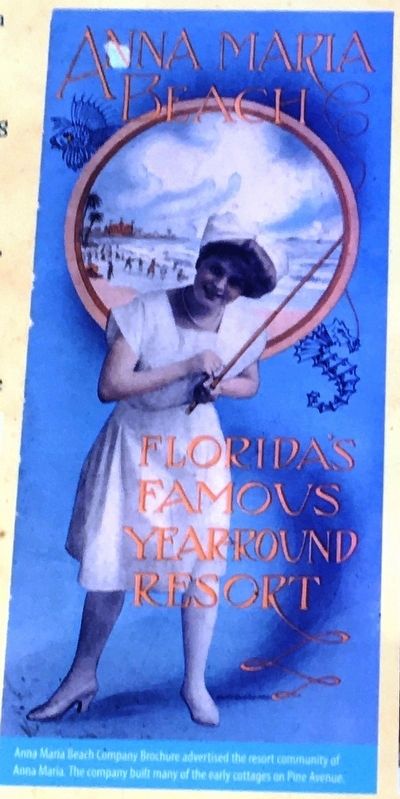
3. Marker detail: Anna Maria Beach Company Brochure
Anna Maria Beach Brochure advertised the resort community of Anna Maria. The company built many of the early cottages on Pine Avenue.
Anna Marie Historical Society, March 6, 2019
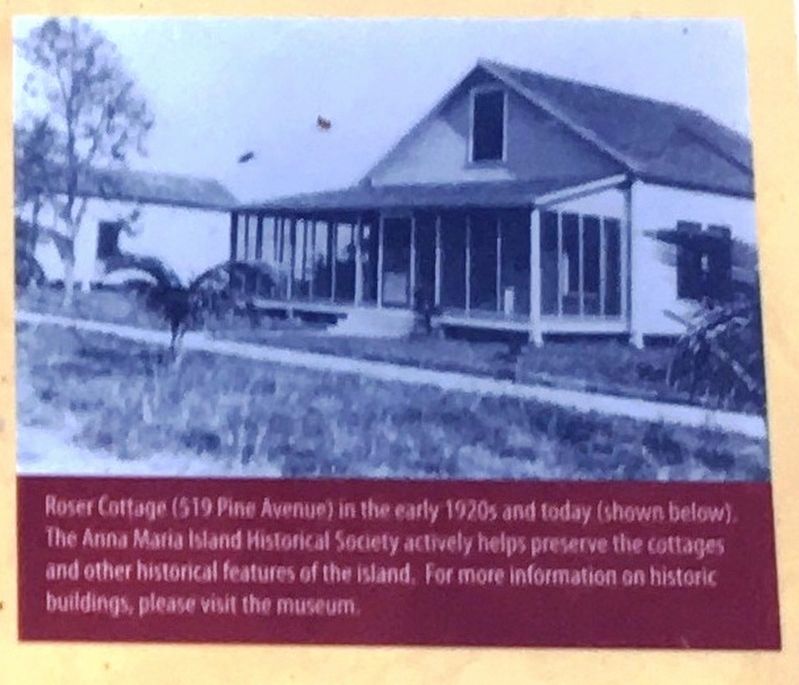
4. Marker detail: Roser Cottage
Roser Cottage (519 Pine Avenue) in the early 1920s and today (shown below). The Anna Maria Island Society actively helps preserve the cottages and other historical features of the island. For more information on historic buildings, please visit the museum.
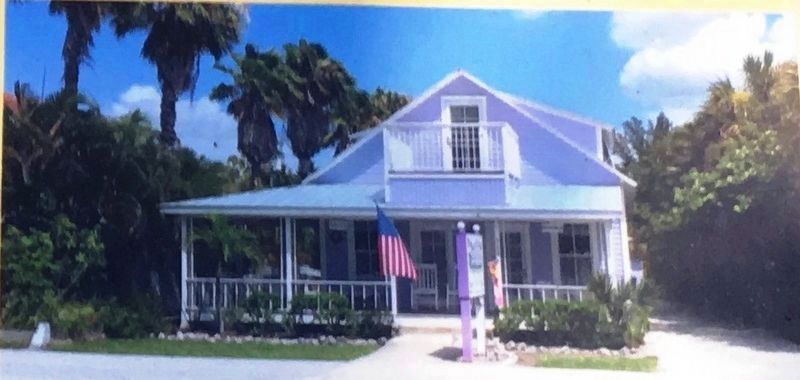
Anna Marie Island Historical Museum, March 6, 2019
5. Anna Maria Historical Museum
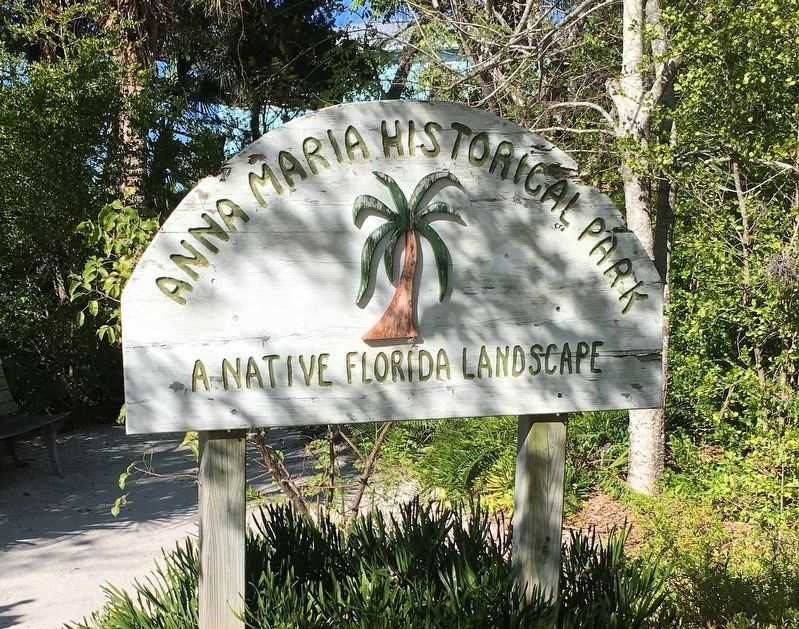
Photographed by Brandon D Cross, March 6, 2019
6. Anna Maria Historical Park
Credits. This page was last revised on February 23, 2024. It was originally submitted on March 24, 2019, by Brandon D Cross of Flagler Beach, Florida. This page has been viewed 632 times since then and 32 times this year. Last updated on February 18, 2024, by McGhiever of Minneapolis, Minnesota. Photos: 1, 2, 3, 4, 5, 6. submitted on March 24, 2019, by Brandon D Cross of Flagler Beach, Florida. • Bernard Fisher was the editor who published this page.
