New Dundee in Waterloo Region, Ontario — Central Canada (North America)
William J. Wintemberg 1876-1941
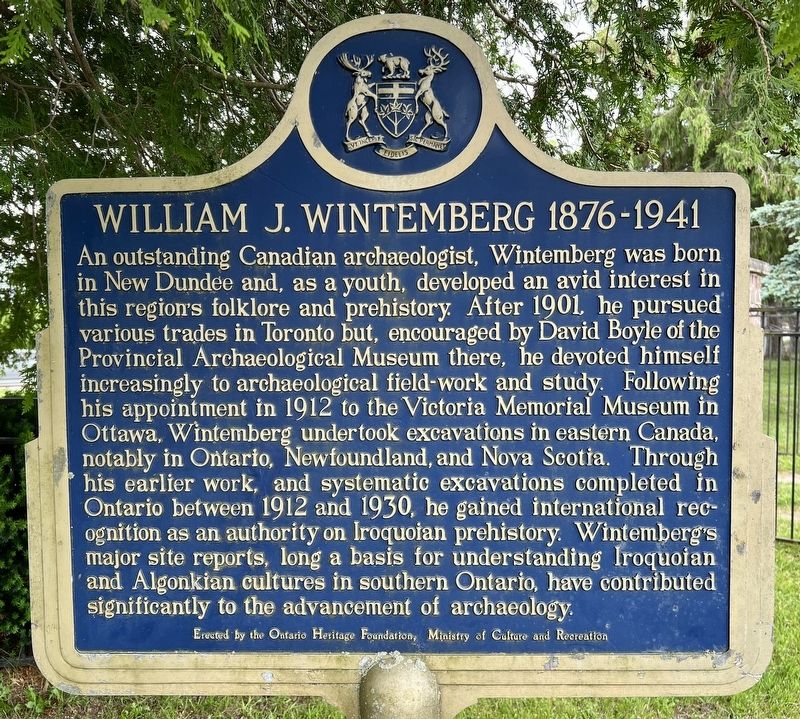
Photographed by Tim Boyd, June 11, 2024
1. William J. Wintemberg 1876-1941 Marker
Erected by the Ontario Heritage Foundation, Ministry of Culture and Recreation
Erected by Ontario Heritage Foundation.
Topics and series. This historical marker is listed in this topic list: Anthropology & Archaeology. In
this page online
Location. 43° 21.032′ N, 80° 31.705′ W. Marker is in New Dundee, Ontario, in Waterloo Region. It is on Bridge Street 0.1 kilometers west of Main Street, on the left when traveling east. Marker is inside the Memorial Gate entrance the the New Dundee Memorial park. Touch for map. Marker is at or near this postal address: 1370 Bridge Street, New Dundee ON N0B 2E0, Canada. Touch for directions.

Regionally, this marker is in the Huron-Perth-Waterloo-Wellington Area and in Southwestern Ontario. It is also in Central Canada. Globally, it is in North America, the Western Hemisphere, the Western World, and the Anglosphere. Historically, it finds itself in what was once a British colony, the Viceroyalty of New France, the Haudenosaunee (Iroquois) Confederacy, and Rupert’s Land.
Other nearby markers. At least 8 other markers are within 10 kilometers of this marker, measured as the crow flies: New Dundee Women’s Institute (within shouting distance of this marker); The Founding of New Dundee (approx. 0.6 kilometers
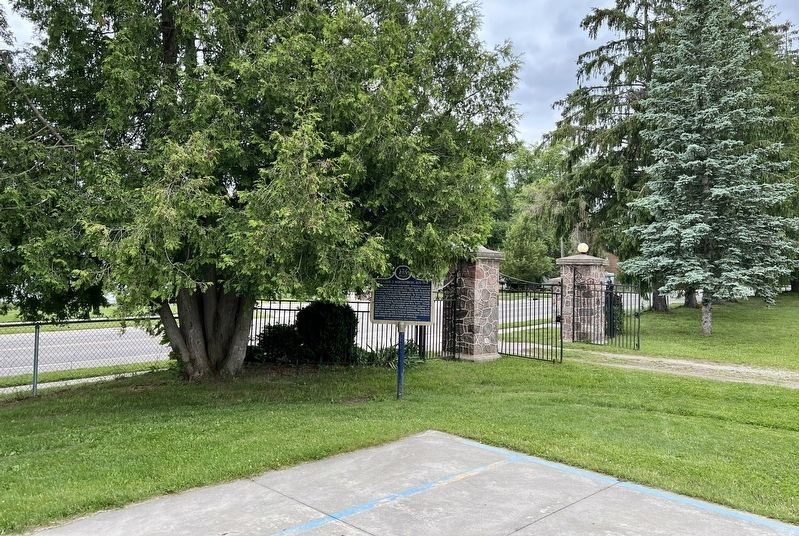
Photographed by Tim Boyd, June 11, 2024
2. William J. Wintemberg 1876-1941 Marker
Also see . . . Waterloo Region Generations - William John Wintemberg.
One of his first major achievements was the excavation, in 1912 and 1915, of the old Indian village at Roebuck, forty miles south of Ottawa. His careful description and analysis of the Roebuck remains have been a basis for all later investigations into Ontario archaeology. After this came studies of other Ontario sites, and brief outlines of his discoveries in Quebec and the Maritimes, until in 1929 he was ready to publish his "Distinguishing Characteristics of Algonkian and Iroquoian Cultures," which has been an unfailing reference work for amateur and professional archaeologists alike.(Submitted on June 14, 2024, by Tim Boyd of Hamilton, Ontario.)
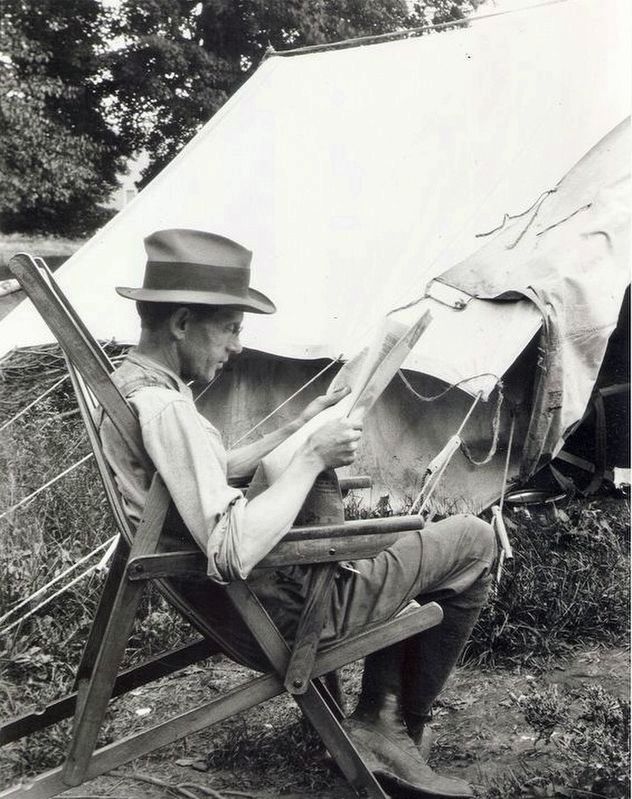
1921
3. William J. Wintemberg at the Lawson archeological site, 1921
(Public domain)
Credits. This page was last revised on June 14, 2024. It was originally submitted on June 14, 2024, by Tim Boyd of Hamilton, Ontario. This page has been viewed 298 times since then and 21 times this year. Photos: 1, 2, 3. submitted on June 14, 2024, by Tim Boyd of Hamilton, Ontario. • Andrew Ruppenstein was the editor who published this page.
