Mississauga in Peel Region, Ontario — Central Canada (North America)
Remembering the War of 1812
Photographed by Tim Boyd, September 14, 2024
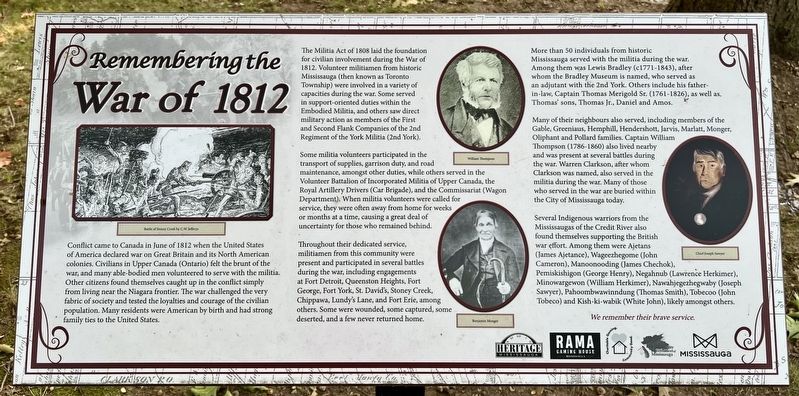
1. Remembering the War of 1812 Marker
Other citizens found themselves caught up in the conflict simply from living near the Niagara frontier. The war challenged the very fabric of society and tested the loyalties and courage of the civilian population. Many residents were American by birth and had strong family ties to the United States. The Militia Act of 1808 laid the foundation for civilian involvement during the War of 1812. Volunteer militiamen from historic Mississauga (then known as Toronto Township) were involved in a variety of capacities during the war. Some served in support-oriented duties within the Embodied Militia, and others saw direct military action as members of the First and Second Flank Companies of the 2nd Regiment of the York Militia (2nd York).
Some militia volunteers participated in the transport of supplies, garrison duty, and road maintenance, amongst other duties,
this page online
Throughout their dedicated service, militiamen from this community were present and participated in several battles during the war, including engagements at Fort Detroit, Queenston Heights, Fort George, Fort York, St. David's, Stoney Creek, Chippawa, Lundy's Lane, and Fort Erie, among others. Some were wounded, some captured, some deserted, and a few never returned home.
More than 50 individuals from historic Mississauga served with the militia during the war. Among them was Lewis Bradley (c1771-1843), after whom the Bradley Museum is named, who served as an adjutant with the 2nd York. Others include his father-in-law, Captain Thomas Merigold Sr. (1761-1826), as well as Thomas' sons, Thomas Jr., Daniel and Amos.
Many of their neighbours also served, including members of the Gable,
Photographed by Tim Boyd, September 14, 2024
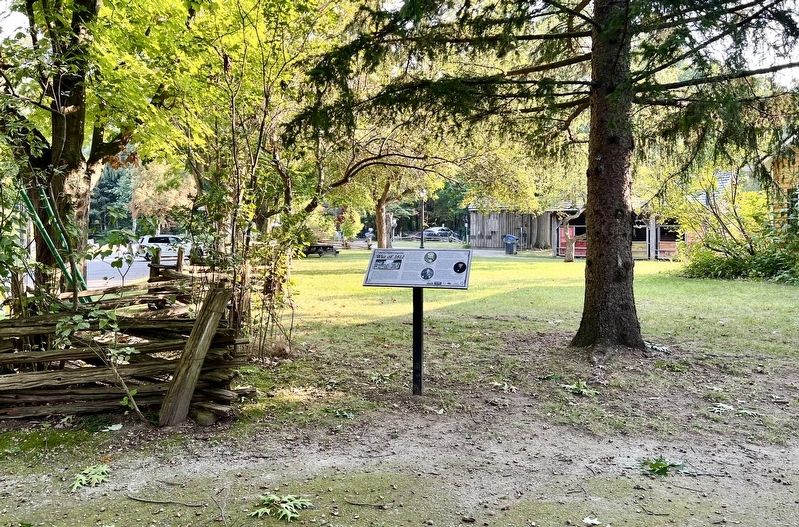
2. Remembering the War of 1812 Marker
Several Indigenous warriors from the Mississaugas of the Credit River also found themselves supporting the British war effort. Among them were Ajetans (James Ajetance), Wageezhegome (John Cameron), Manoonooding (James Chechok), Pemiskishigon (George Henry), Negahnub (Lawrence Herkimer), Minowargewon (William Herkimer), Nawahjegezhegwaby (Joseph Sawyer), Pahoombwawindung (Thomas Smith), Tobecoo (John Tobeco) and Kish-ki-wabik (White John), likely amongst others.
We remember their brave service.
Topics. This memorial is listed in these topic lists: Indigenous Peoples and Communities • War of 1812. A significant historical year for this entry is 1812.
Location. 43° 30.729′ N, 79° 36.67′ W. Memorial is in Mississauga, Ontario, in Peel Region. It is on Orr Road half
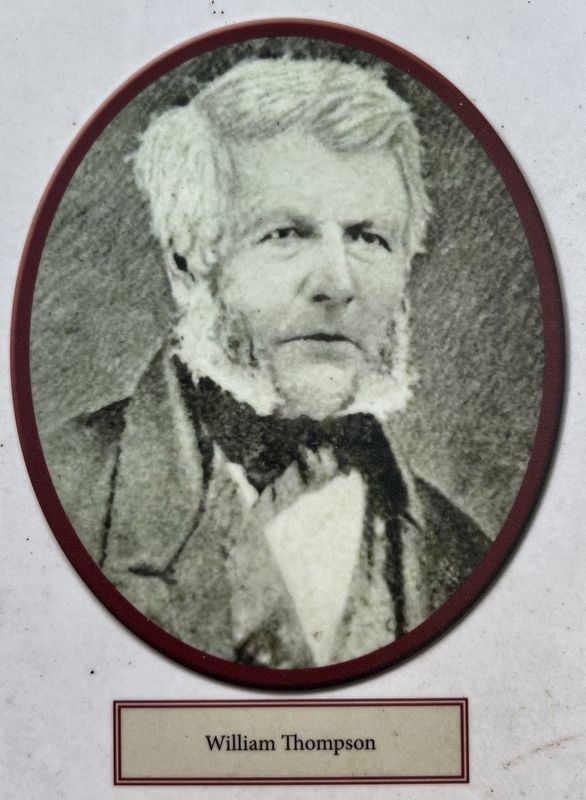
3. Remembering the War of 1812 marker detail

Regionally, this memorial is in Greater Toronto, specifically on the Golden Horseshoe, and in the Toronto Metropolitan Area. It is also in Central Canada. Globally, it is in North America, on the Great Lakes, in the Western Hemisphere, in the Western World, and in the Anglosphere. Historically, it finds itself in what was once a British colony, the Viceroyalty of New France, the Haudenosaunee (Iroquois) Confederacy, and Rupert’s Land.
Other nearby markers. At least 8 other markers are within 5 kilometers of this marker, measured as the crow flies: Clarkson. Ont. (Merigold’s Point) (a few steps from this marker); Merigold’s Point (within shouting distance of this marker); Mazo de la Roche (approx. 2.7 kilometers away); Benares Historic House (approx. 2.7 kilometers away); Who We Are (approx. 4.2 kilometers away); We Were Here (approx. 4.2 kilometers away); Voices of Our Ancestors
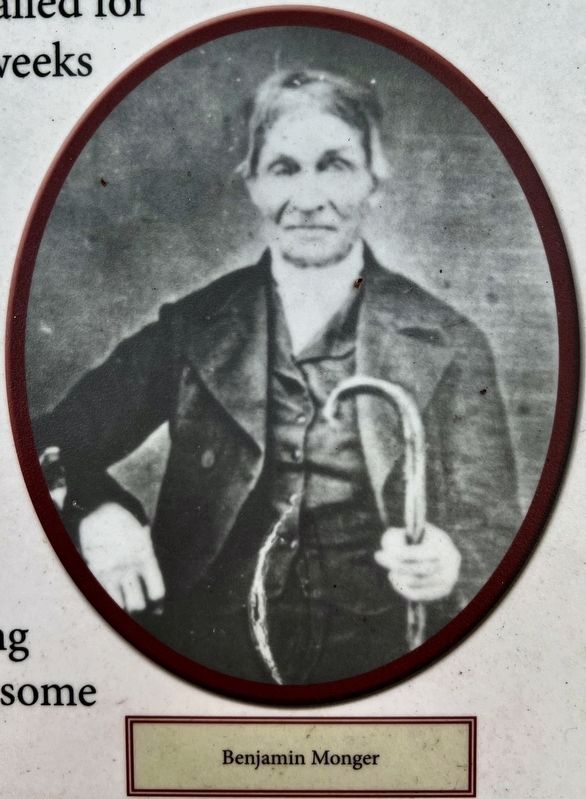
4. Remembering the War of 1812 marker detail
Also see . . .
1. The War of 1812: Militia and Civilian Life (Archives of Ontario).
The bulk of the inhabitants who served in the militia during the war had no previous experience at military life. Some of the senior officers had served in Loyalist regiments during the American War of Independence 30 years earlier or in regular British regiments before settling in the province. The organization of the militia was limited, prior to the war all able bodied males were officially members of the militia, the sedentary force, subject to call out. A much smaller force, the embodied militia, received some level of training but had little equipment.(Submitted on October 2, 2024, by Tim Boyd of Hamilton, Ontario.)
2. First Nations and Métis Peoples in the war of 1812 (The Canadian Encyclopedia).
First Nations and Métis peoples played a significant role in Canada in the War of 1812. The conflict forced various Indigenous peoples to overcome longstanding differences and unite against a common(Submitted on October 2, 2024, by Tim Boyd of Hamilton, Ontario.)enemy. It also strained alliances, such as those in the Iroquois (Haudenosaunee) Confederacy in which some branches were allied with American forces. Most First Nations strategically allied themselves with Great Britain during the war, seeing the British as the lesser of two colonial evils and the group most interested in maintaining traditional territories and trade.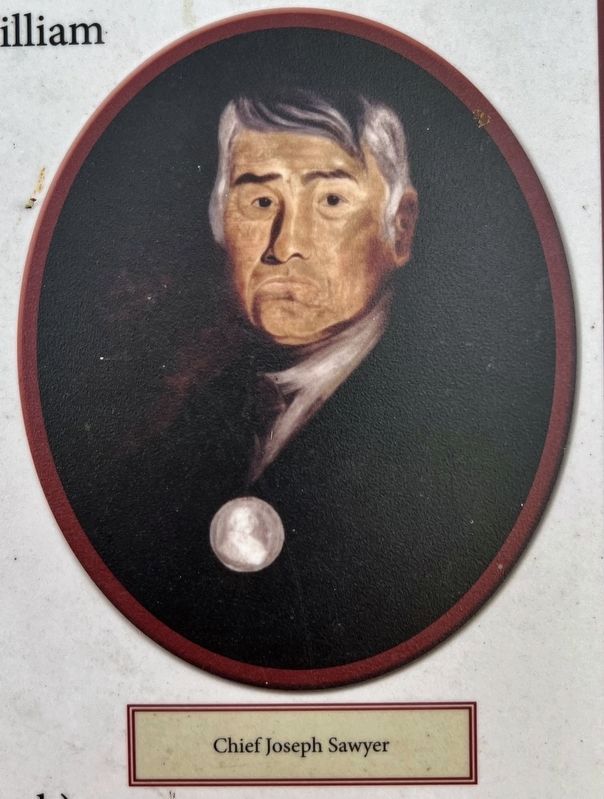 5. Remembering the War of 1812 marker
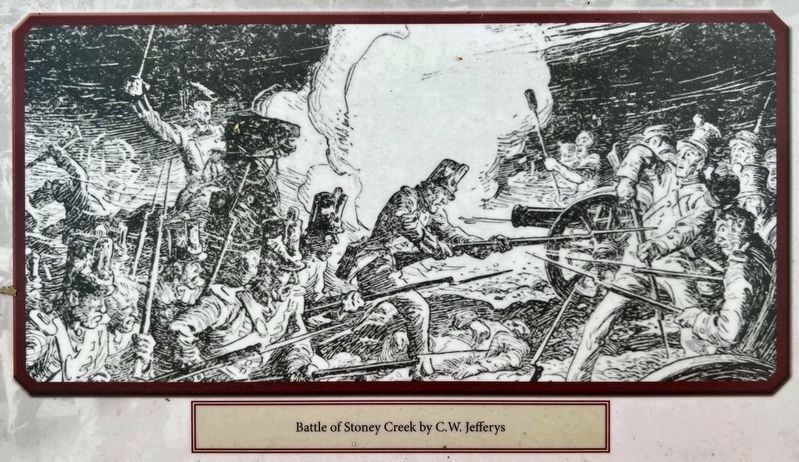
Photographed by C.W. Jeffreys
6. Remembering the War of 1812 marker photo detail
Credits. This page was last revised on October 9, 2024. It was originally submitted on October 2, 2024, by Tim Boyd of Hamilton, Ontario. This page has been viewed 275 times since then and 99 times this year. Photos: 1, 2, 3, 4, 5, 6. submitted on October 2, 2024, by Tim Boyd of Hamilton, Ontario. • Andrew Ruppenstein was the editor who published this page.
