Suffolk, Virginia — The American South (Mid-Atlantic)
Riddick’s Folly
Avant-Garde Greek Revival Masterpiece
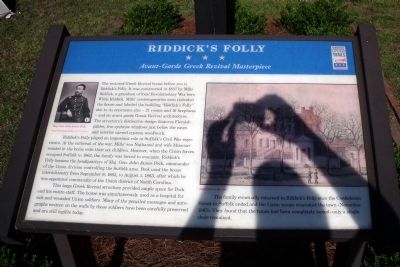
Photographed by Bernard Fisher, April 18, 2009
1. Riddick’s Folly Marker
Riddick’s Folly played an important role in Suffolk’s Civil War experience. At the outbreak of the war, Mill’s son Nathaniel and wife Missouri resided in the home with their six children. However, when the Union forces occupied Suffolk in 1862, the family was forced to evacuate. Riddick’s Folly became the headquarters of Maj. Gen. John James Peck, commander of the Union division controlling the Suffolk area. Peck used the house intermittently from September 8, 1862, to August 1, 1863, after which he was appointed commander of the Union district of North Carolina.
This large Greek Revival structure provided ample space for
this page online
The family eventually returned to Riddick’s Folly once the Confederate threat to Suffolk ended and the Union troops evacuated the town (November 1865). They found that the house had been completely looted - only a single chair remained.
(captions)
Maj. Gen. John James Peck Courtesy of the Library of Congress
Riddick’s Folly, 1863
Erected by Virginia Civil War Trails.
Topics and series. This historical marker is listed in these topic lists: Notable Buildings • War, US Civil. In addition, it is included in the Virginia Civil War Trails series list. A significant historical month for this entry is September 1862.
Location. This marker has been replaced by another marker nearby. It was located near 36° 44.221′ N, 76° 34.937′ W. Marker was in Suffolk, Virginia. It was on North Main Street near East Constance Road, on the right when traveling north. Touch for map. Marker was at or
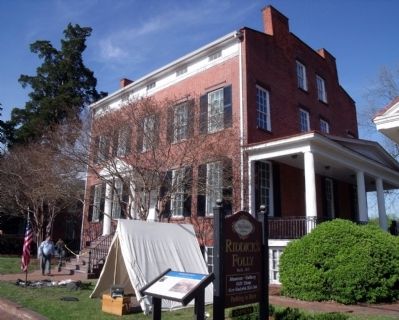
Photographed by Bernard Fisher, April 18, 2009
2. Riddick’s Folly served as Union Headquarters for Gen JJ Peck & staff.

Regionally, this marker was in Hampton Roads, specifically in Coastal Virginia, and in the Hampton Roads Metropolitan Area. It was also in the American South, specifically in the Upper South, in the Tidewater, and on the Eastern Seaboard. Globally, it was in the North Atlantic Region, North America, the Western Hemisphere, the Western World, and the Anglosphere. Historically, it found itself in what was once the territory of the Mississippian Culture, one of the original Thirteen Colonies, one of the Confederate States of America, and the Antebellum South.
Other nearby markers. At least 8 other markers are within walking distance of this location: A different marker also named Riddick's Folly (here, next to this marker); Lafayette’s Tour (within shouting distance of this marker); Cedar Hill Cemetery (about 500 feet away, measured in a direct line); First Suffolk Church (about 500 feet away); The Site of the First Church (about 600 feet away); Nansemond River Crossing (about 700 feet away); Early History of Suffolk
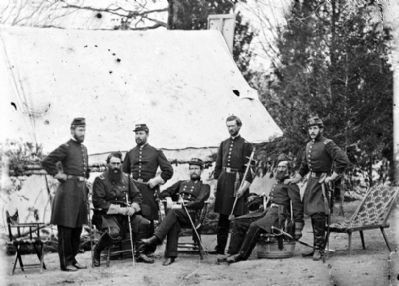
circa 1862
3. Gen. J.J. Peck & staff
Library of Congress (LC-B813- 1907 A)
Related marker. Click here for another marker that is related to this marker. New CWT Marker At This Location also titled "Riddick's Folly".
Also see . . . Riddick’s Folly. (Submitted on April 20, 2009.)
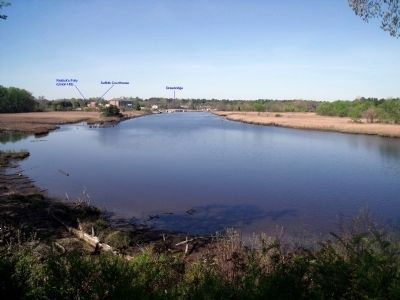
Photographed by Bernard Fisher
4. View of Nansemond River (facing west)
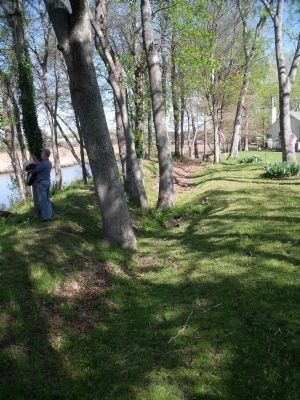
Photographed by Bernard Fisher, April 18, 2009
5. Nansemond River trenches near Battery Onondaga site (Union)
Photographed by Brandon D Cross
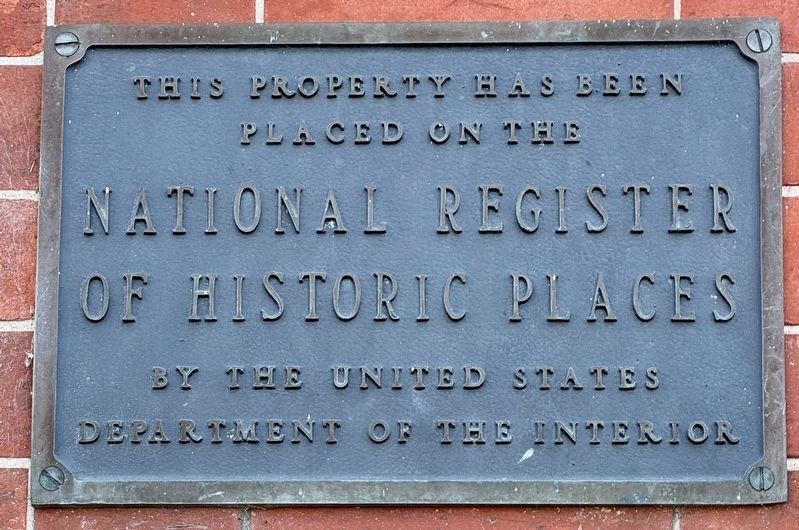
6. The Riddick House
This property has been placed on the National Register of Historic Places by the United States Department of the Interior
Photographed by Brandon D Cross
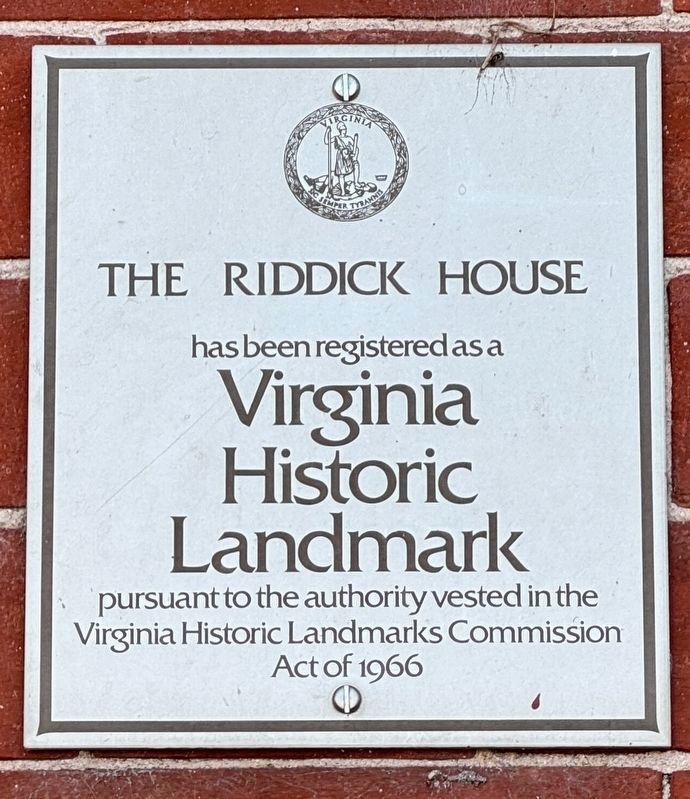
7. Riddick House
The Riddick House has been registered as a Virginia
Historic Landmark pursuant to the authority vested in the Virginia Historic Landmarks Commission Act of 1966
Credits. This page was last revised on September 4, 2025. It was originally submitted on April 20, 2009, by Bernard Fisher of Richmond, Virginia. This page has been viewed 2,716 times since then and 42 times this year. Last updated on September 1, 2025, by Mark P. Brock-Cancellieri of Baltimore, Maryland. Photos: 1, 2. submitted on April 20, 2009, by Bernard Fisher of Richmond, Virginia. 3, 4, 5. submitted on April 21, 2009, by Bernard Fisher of Richmond, Virginia. 6, 7. submitted on February 24, 2025, by Brandon D Cross of Flagler Beach, Florida.
