Luxor, Luxor Governorate, Egypt — مصر (Northeast Africa)
Ancient Luxor
⎯⎯⎯
مدينة الاقصر
Photographed by James Hulse, October 10, 2024
1. Ancient Luxor / مدينة الاقصر Marke
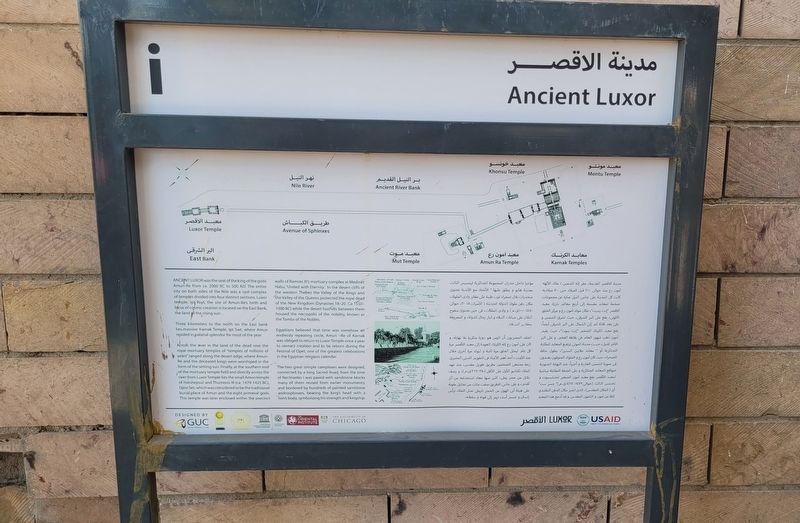
 Ancient Luxor was the seat of the king of the gods Amun-Re from ca. 2000 BC to 500 AD. The entire city on both sides of the Nile was a vast complex of temples divided into four distinct sections. Luxor temple, Ipt Rsyt, the site of Amun-Re's birth and locus of cosmic creation is located on the East Bank, the land of the rising sun.
Three kilometers to the north on the East bank lies massive Karnak Temple, Ipt Swt, where Amun resided in palatial splendor for most of the year.
Across the river in the land of the dead rose the royal mortuary temples of "temples of millions of years" ranged along the desert edge, where Amun-Re and the deceased kings were worshiped in the form of the setting sun. Finally, at the southern end of the mortuary temple field and directly across the river from Luxor Temple lies the small Amun temple of Hatshepsut and Thumosis III (ca. 1479-1425 BC), Djesr Set, which was considered to be the traditional burial place of Amun and the eight primeval gods. This temple was later enclosed within the precinct walls of Ramses III's mortuary complex at Medinet Habu, 'United with Eternity’. In the desert cliffs of the western Thebes the Valley of the Kings and the Valley of the Queens protected the royal dead of the New Kingdom (Dynasties 18-20. Ca 1550-1000 BC) while the desert foothills between them housed the necropolis of the nobility, known as the Tombs of the Nobles.
Egyptians believed that time was somehow an endlessly repeating circle, Amun -Re of Karnak was obliged to return to Luxor Temple once a year to reenact creation and to be reborn during the Festival of Opet, one of the greatest celebrations in the Egyptian religious calendar.
The two great temple complexes were designed, connected by a long Sacred Road, from the time of Nectnaebo I was paved with sandstone blocks many of them reused from earlier monuments, and bordered by hundreds of painted sandstone androsphinxes, bearing the king's head with a lion's body, symbolizing his strength and kingship.
مدينة الاقصر
مدينة الاقصر القديمة، مقر إله الشمس / ملك الآلهه آمون رع منذ حوالى ۲۰۰۰ قبل الميلاد حتى ٥٠٠ ميلاديه كانت كل المدينة على جانبى النيل عبارة عن مجموعات ضخمة لمعابد مقسمة إلى أربع معالم بارزة معبد الاقصر "إبت رسيت ، مكان مولد آمون رع و مرکز الخلق الكونى، يقع على البر الشرقى، حيث تشرق الشمس و على بعد ثلاثة كم إلى الشمال على البر الشرقى أيضاً، يقع معبد الكرنك الضخم "إبت سوت"، حيث يقيم آمون أغلب شهور العام في بلاطه الفخم. و على البر الآخر للنيل، حيث مدينة الموتى ترتفع المعابد الملكية الجنائزية أو " معابد ملايين السنين"، بطول حافة الصحراء، حيث كان آمون رع و الملوك المتوفون يعبدون في صورة الشمس الغاربة و أخيراً، عند النهاية الجنوبية المواقع المعابد الجنائزية و على الضفة المقابلة مباشرة لمعبد الأقصر يقع معبد آمون الصغير لحتشبسوت و تحتمس الثالث (حوالى ١٤٧٩ - ١٤٢٥ ق . م " جسر ست" أى ( المكان المقدس)، الذي اعتبر مكان الدفن التقليدي لكلا من آمون و الثامون المقدس. وقد أدمج هذا المعبد مؤخرا داخل جدران المجموعة الجنائزية لرمسيس الثالث بمدينة هابو و يطلق عليها " الأتحاد مع الأبدية تحتوى منحدرات تلال صحراء غرب طيبة على مقابر وادى الملوك مكان

Click or scan to see
this page online
دفن ملوك الدولة الحديثة ( الأسرات ۱۸-۲۰ ، حوالى ١٥٥٠ - ١٠٠٠ ق. م ) و وادى الملكات، فى حين تحتوى سفوحالتلال على جبانات النبلاء وكبار رجال الدولة، و المعروفة بمقابر النبلاء.
اعتقد المصريون أن الزمن هو دورة متكررة بلا نهاية، و كان على آمون رع إله الكرنك العودة إلى معبد الأقصر مرة كل عام ليمثل الخلق مرة ثانية و ليولد مرة آخرى خلال عيد الأوبت، أحد أهم الأعياد فى التقويم الديني المصري. ربط مجمعى الضخمين بطريق طويل مقدس، منذ عهد الملك نكتانبو الأول على الأقل ( ۳۸۰-٣٦۲ ق.م)، و رصف بكتل من حجر رملى كثير منها معاد استخدامه من آثر أقدم ، و على جانبى الطريق صفت مئات من تماثيل ملونة على هيئة أبي الهول من الحجر الرملى تمثل الملك برأس إنسان و جسم أسد، ترمز إلى قوته و سلطته.
مدينة الاقصر القديمة، مقر إله الشمس / ملك الآلهه آمون رع منذ حوالى ۲۰۰۰ قبل الميلاد حتى ٥٠٠ ميلاديه كانت كل المدينة على جانبى النيل عبارة عن مجموعات ضخمة لمعابد مقسمة إلى أربع معالم بارزة معبد الاقصر "إبت رسيت ، مكان مولد آمون رع و مرکز الخلق الكونى، يقع على البر الشرقى، حيث تشرق الشمس و على بعد ثلاثة كم إلى الشمال على البر الشرقى أيضاً، يقع معبد الكرنك الضخم "إبت سوت"، حيث يقيم آمون أغلب شهور العام في بلاطه الفخم. و على البر الآخر للنيل، حيث مدينة الموتى ترتفع المعابد الملكية الجنائزية أو " معابد ملايين السنين"، بطول حافة الصحراء، حيث كان آمون رع و الملوك المتوفون يعبدون في صورة الشمس الغاربة و أخيراً، عند النهاية الجنوبية المواقع المعابد الجنائزية و على الضفة المقابلة مباشرة لمعبد الأقصر يقع معبد آمون الصغير لحتشبسوت و تحتمس الثالث (حوالى ١٤٧٩ - ١٤٢٥ ق . م " جسر ست" أى ( المكان المقدس)، الذي اعتبر مكان الدفن التقليدي لكلا من آمون و الثامون المقدس. وقد أدمج هذا المعبد مؤخرا داخل جدران المجموعة الجنائزية لرمسيس الثالث بمدينة هابو و يطلق عليها " الأتحاد مع الأبدية تحتوى منحدرات تلال صحراء غرب طيبة على مقابر وادى الملوك مكان
this page online
اعتقد المصريون أن الزمن هو دورة متكررة بلا نهاية، و كان على آمون رع إله الكرنك العودة إلى معبد الأقصر مرة كل عام ليمثل الخلق مرة ثانية و ليولد مرة آخرى خلال عيد الأوبت، أحد أهم الأعياد فى التقويم الديني المصري. ربط مجمعى الضخمين بطريق طويل مقدس، منذ عهد الملك نكتانبو الأول على الأقل ( ۳۸۰-٣٦۲ ق.م)، و رصف بكتل من حجر رملى كثير منها معاد استخدامه من آثر أقدم ، و على جانبى الطريق صفت مئات من تماثيل ملونة على هيئة أبي الهول من الحجر الرملى تمثل الملك برأس إنسان و جسم أسد، ترمز إلى قوته و سلطته.
Erected by Ministry of Tourism & Antiquity.
Topics. This historical marker is listed in this topic list: Anthropology & Archaeology. A significant historical year for this entry is 2000.
Location. 25° 42.032′ N, 32° 38.436′ E. Marker is in Luxor, Luxor Governorate. It is on Mabad Al Oksor just north of Al Mahata. The marker is located on the grounds of the Luxor Temple. Touch for map. Marker is at or near this postal address: Mabad Al Oksor, Luxor, Luxor Governorate 13625-01, Egypt. Touch for directions.

Regionally, it is in Africa, specifically in North Africa, in the Middle East, on the Red Sea, and in a coastal Mediterranean country. Historically, it finds itself in what was once the Byzantine Empire, the Ottoman Empire, a British colony, and the Roman Empire.
Other nearby markers. At least 8 other markers are within walking distance of this marker: Avenue of Sphinxes/ طريق الكباش (within shouting distance of this marker); Hatshepsut (within shouting distance of this marker); Amenhotep III (within shouting distance of this marker); Tutankhamun (within shouting distance of this marker); Ramses II (within shouting distance of this marker); Pinedjem I (within shouting distance of this marker); Nectanebo I (within shouting distance of this marker); Luxor Temple / معبد الأقصر (about 90 meters away, measured in a direct line). Touch for a list and map of all markers in Luxor.
Also see . . . Luxor Temple. Wikipedia
The Luxor Temple (Arabic: معبد الأقصر) is a large Ancient Egyptian temple complex located on the east bank of the Nile River in the city today known as Luxor (ancient Thebes) and was constructed approximately 1400 BCE. In the Egyptian language it was known as ipet resyt, "the southern sanctuary". It was one of the two primary temples on the east bank, the other being Karnak. Unlike the other temples in Thebes, Luxor temple is not dedicated to a cult god or a deified version of the pharaoh in death. Instead, Luxor temple is dedicated to the rejuvenation of kingship; it may have been where many of the pharaohs of Egypt were crowned in reality or conceptually (as in the case of Alexander the Great, who claimed he was crowned at Luxor but may never have traveled south of Memphis, near modern Cairo).(Submitted on November 13, 2025, by James Hulse of Medina, Texas.)
Photographed by James Hulse, October 10, 2024
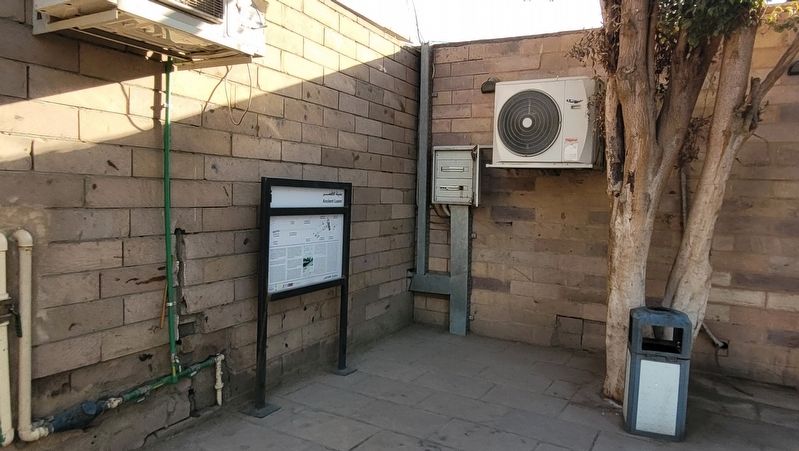
2. The view of the Ancient Luxor Marker at the front gate to Luxor
Photographed by James Hulse, October 10, 2024
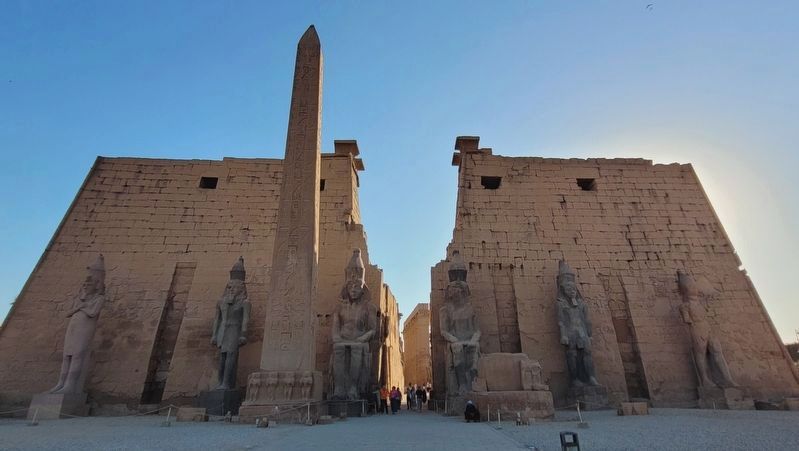
3. The First Pylon of the Luxor Temple
Photographed by James Hulse, October 10, 2024
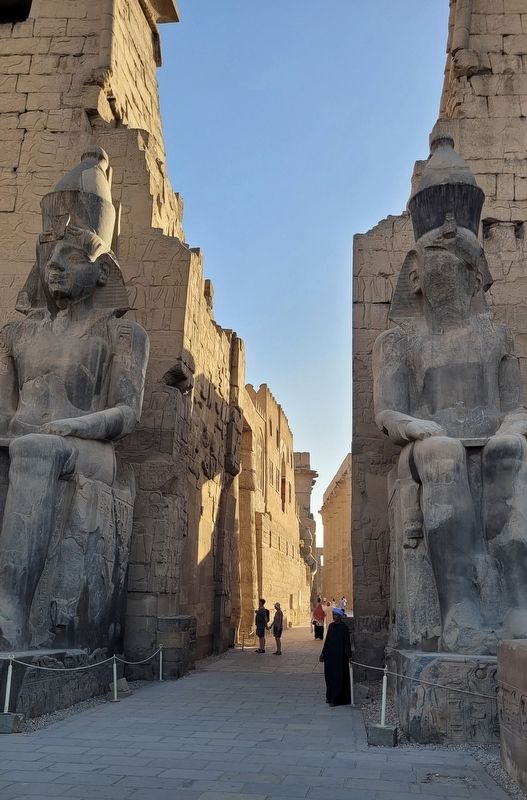
4. The main entrance to Luxor Temple
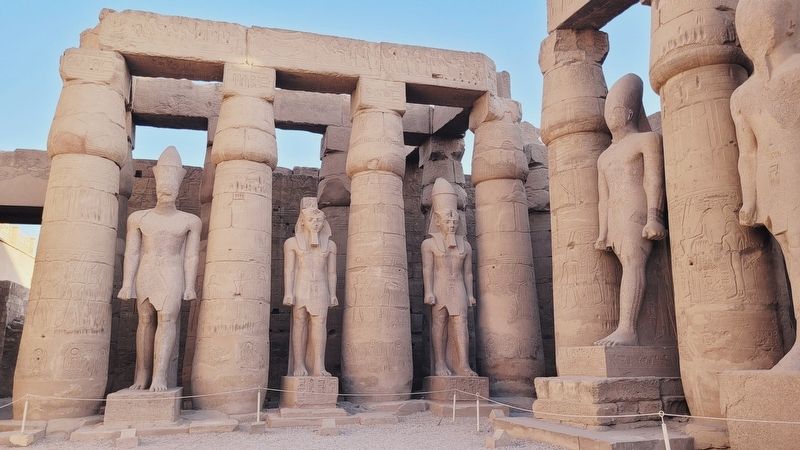
Photographed by James Hulse, October 10, 2024
5. The interior view of the Luxor Temple
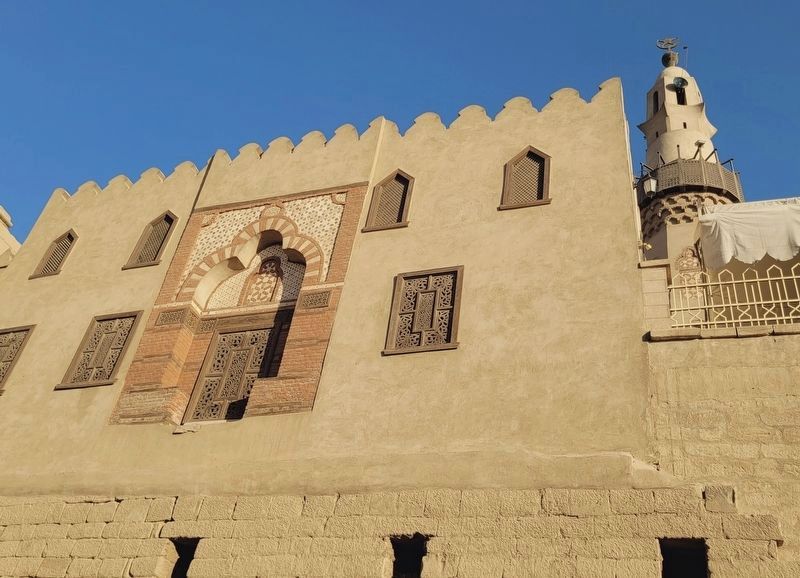
Photographed by James Hulse, October 10, 2024
6. The back wall of the mosque inside the Courtyard of Ramses
Credits. This page was last revised on November 13, 2025. It was originally submitted on November 12, 2025, by James Hulse of Medina, Texas. This page has been viewed 77 times since then and 40 times this year. Photos: 1, 2, 3, 4, 5, 6. submitted on November 13, 2025, by James Hulse of Medina, Texas.
