Mitte in Leipzig, Saxony, Germany — Central Europe
Theodor Körner
Photographed by James Hulse, March 11, 2026
1. Theodor Körner Marker

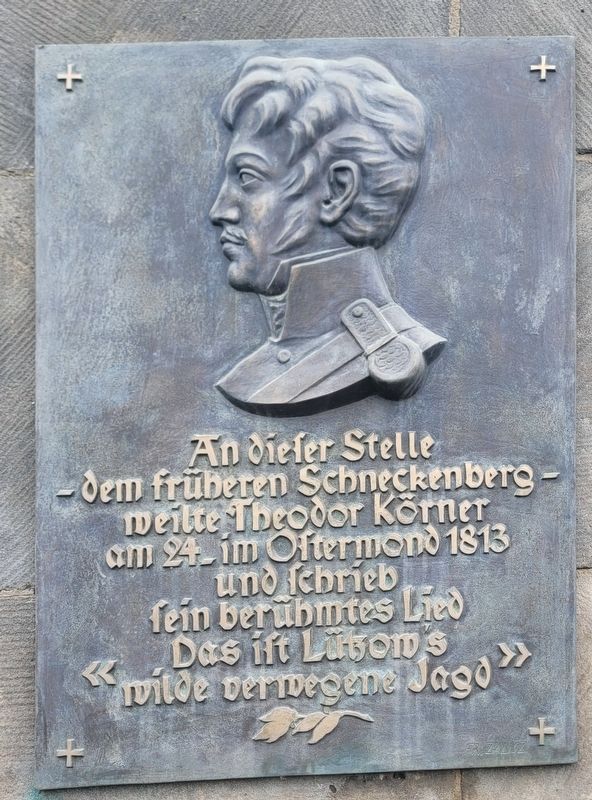
An dieser Stelle – dem früheren Schneckenberg – weilte Theodor Körner am 24. im Ostermond 1813 und schrieb sein berühmtes Lied »Das ist Lützows wilde, verwegene Jagd«.
At this site—formerly known as the Schneckenberg—Theodor Körner stayed on April 24, 1813, and wrote his famous poem »Lützow's Wild, Daring Hunt«.
Topics. This historical marker is listed in these topic lists: Arts, Letters, Music • Wars, Non-US. A significant historical date for this entry is April 24, 1813.
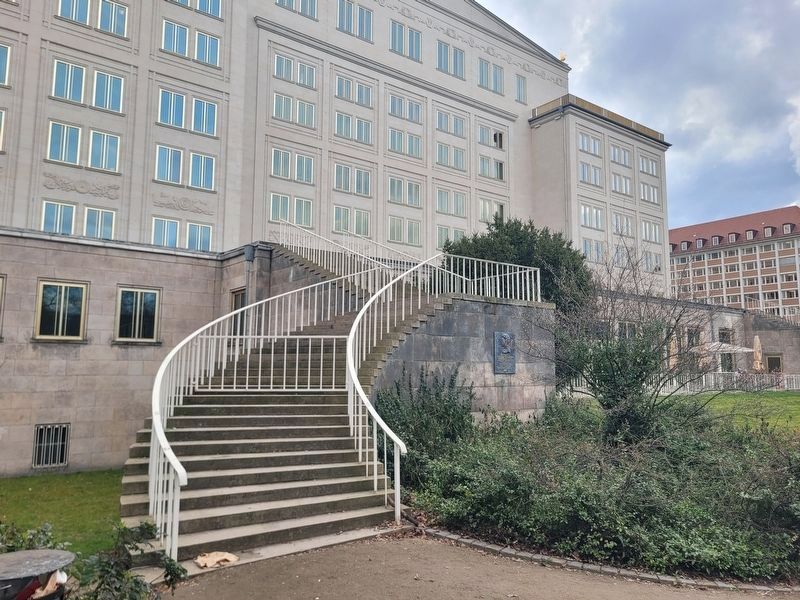
Location. 51° 20.461′ N, 12° 22.916′ E. Marker is in Leipzig, Sachsen (Saxony). It is in Mitte. It is at the intersection of Augustusplatz and Schützenstraße on Augustusplatz. The marker is located on a wall supporting the stairs at the northeast corner of the Leipzig Opera Building. Touch for map. Marker is at or near this postal address: Augustuspl 12, Leipzig SN 04109, Germany. Touch for directions.

Regionally, this marker is in Central Germany. Globally, it is in Europe, the European Union, Atlantic Europe, Central Europe, the Schengen Area, Western Europe, and the Western World. Historically, it finds
this page online
Other nearby markers. At least 8 other markers are within walking distance of this marker: Wagner-Denkmal / Wagner Memorial (within shouting distance of this marker); Oper Leipzig / Leipzig Opera House (about 120 meters away, measured in a direct line); Tympanon-Fries des Leipziger Neuen Theaters / Tympanum Frieze of Leipzig's New Theater (about 120 meters away); Freie Wahlen / Free Elections (about 150 meters away); Rotes Kolleg / Red College (about 150 meters away); Christian Fürchtegott Gellert (about 180 meters away); Bursa Bavarica / Bavarian Residence Hall (about 180 meters away); Allgemeiner Deutscher Frauenverein / General German Women's Association (about 180 meters away). Touch for a list and map of all markers in Leipzig.
Also see . . . Theodor Körner (author). Wikipedia
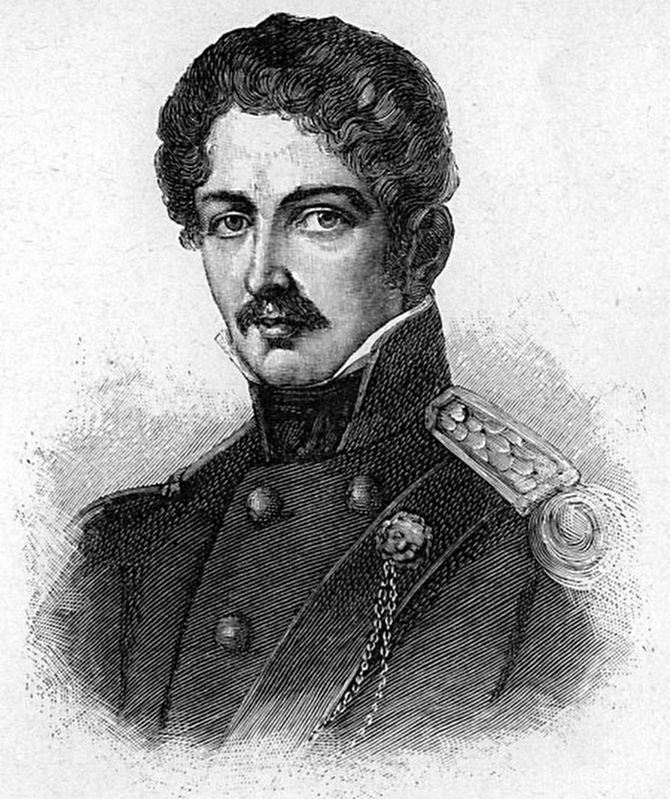
Carl Theodor Körner (23 September 1791 – 26 August 1813) was a German poet and soldier. After having lived for some time in Vienna, where he wrote some light comedies and other works for the Burgtheater, he became a soldier and joined the Lützow Free Corps in the(Submitted on June 22, 2026, by James Hulse of Medina, Texas.)German uprising against Napoleon. During this time, he displayed personal courage in many fights, and inspired his comrades by fiery patriotic lyrics he composed. One of these was the "Schwertlied" ('Sword Song'), composed during a lull in fighting, only a few hours before his death, and "Lützow's wilde Jagd", each set to music by both Carl Maria von Weber and Franz Schubert. He was often called the "German Tyrtaeus".Photographed by James Hulse, March 11, 20262. Theodor Körner Marker
Photographed by James Hulse, March 11, 2026
3. Theodor Körner Marker
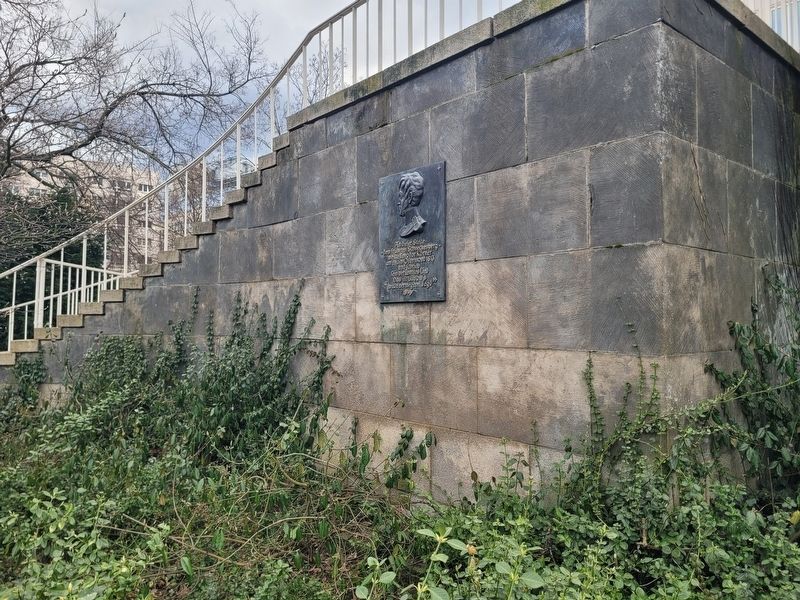
The marker is located on a wall supporting the stairs at the northeast corner of the Leipzig Opera Building.
Public Domain via Wikipedia Commons and Bibliothek des allgemeinen und praktischen Wissens. Bd. 5", circa 1810s
4. Theodor Körner
Credits. This page was last revised on June 22, 2026. It was originally submitted on June 19, 2026, by James Hulse of Medina, Texas. This page has been viewed 6 times since then. Photos: 1, 2, 3, 4. submitted on June 22, 2026, by James Hulse of Medina, Texas.
