Ketchikan in Ketchikan Gateway Borough, Alaska — Northwest (North America)
Understanding Totem Poles
Photographed by Bill Coughlin, September 2, 2026
1. Understanding Totem Poles Marker
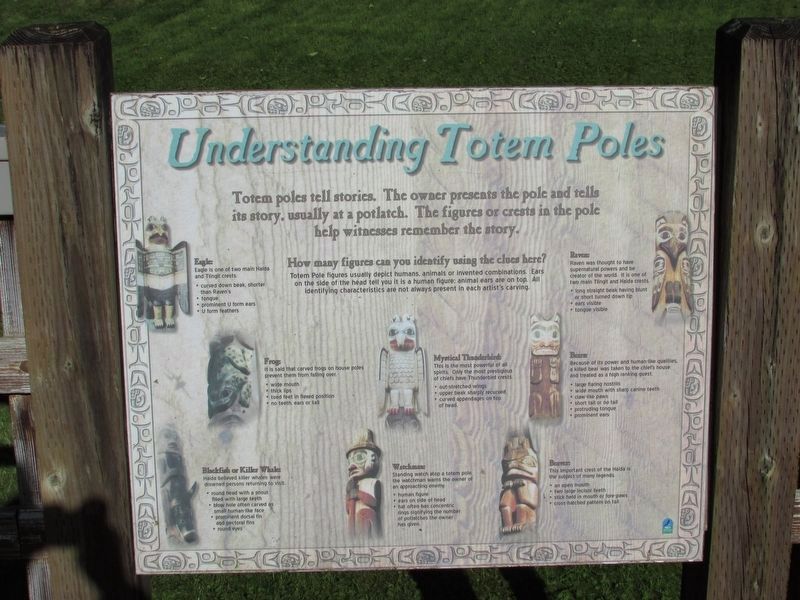
Totem poles tell stories. The owner presents the pole and tells its story, usually at a potlatch. The figures or crests in the pole help witnesses remember the story.
How many figures can you identify using the clues here?
Totem Pole figures usually depict humans, animals or invented combinations. Ears on the side of the head tell you it is a human figure; animal ears are on top. All identifying characteristics are not always present in each artist’s carving.
Eagle:
Eagle is one of two main Haida and Tlingit crests.
• curved down beak, shorter than Raven’s
• tongue
• prominent U form ears
• U form feathers
Frog:
It is said that carved frogs on house poles prevent them from falling over.
• wide mouth
• thick lips
• toed feet in flexed position
• no teeth, ears or tail
Blackfish or Killer Whale:
Haida believed killer whales were drowned persons returning to visit.
• round head with a snout filled with large teeth
• blow hole often carved as small human-like face
• prominent dorsal fin and pectoral fins
• round eyes
Mystical Thunderbird:
This is the most powerful of all spirits. Only the most prestigious of chiefs have Thunderbird
this page online
• out-stretched wings
• upper beak sharply recurved
• curved appendages on top of head
Watchman:
Standing watch atop a totem pole, the watchman warns the owner of an approaching enemy.
• human figure
• ears on side of head
• hat often has concentric rings signifying the number of potlatches the owner has given
Raven:
Raven was thought to have supernatural powers and be creator of the world. It is one of the two main Tlingit and Haida crests.
• Long straight beak having blunt or short turned down tip
• ears visible
• tongue visible
Bears:
Because of its power and human-like qualities, a killed bear was taken to the chief’s house and treated as a high ranking quest.
• large flaring nostrils
• wide mouth with sharp canine teeth
• claw-like paws
• short tail or no tail
• protruding tongue
• prominent ears
Beaver:
This important crest of the Haida is the subject of many legends.
• an open mouth
• two large incisor teeth
• stick held in mouth or fore-paws
• cross-hatched pattern on tail
Topics. This historical marker is listed in this topic list: Indigenous Peoples and Communities.
Location. 55° 25.199′ N, 131° 46.404′ W.

Photographed by Bill Coughlin, September 2, 2026
2. Understanding Totem Poles Marker

Regionally, this marker is in Southeast Alaska, in Tlingit and Haida & Tsimshian Region. It is also on the American Pacific Coast. Globally, it is in North America, in the Inside Passage, on the Pacific Rim, in the Western Hemisphere, in the Western World, and in the Anglosphere. Historically, it finds itself in what was once the Russian Empire.
Other nearby markers. At least 8 other markers are within walking distance of this marker: Harvest from the Sea (a few steps from this marker); Symbols and Society (within shouting distance of this marker); Types of Totem Poles (within shouting distance of this marker); Preserving the Past (within shouting distance of this marker); Aging in the Elements (within shouting distance of this marker); A Look Into the Clan House (within shouting distance of this marker); Houses of Heritage
Photographed by Bill Coughlin, September 2, 2026
3. Understanding Totem Poles Marker
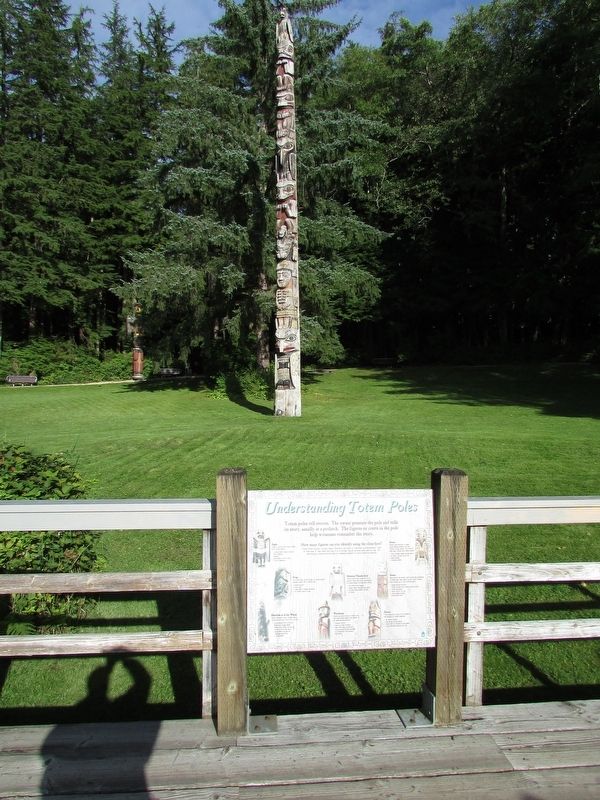
More about this marker. Pictures of each of the figures found on totems appear on the marker.
Photographed by Bill Coughlin, September 2, 2026
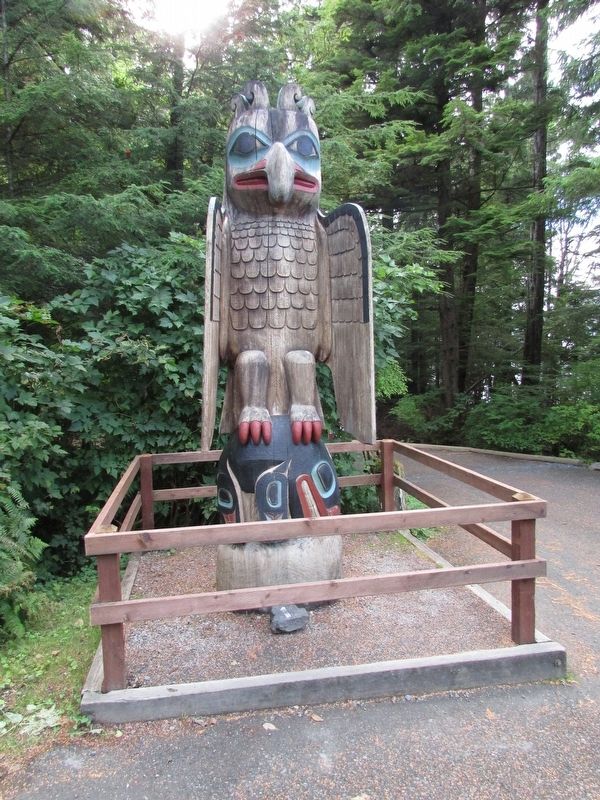
4. Thunderbird
Photographed by Bill Coughlin, August 23, 2026
5. Watchman
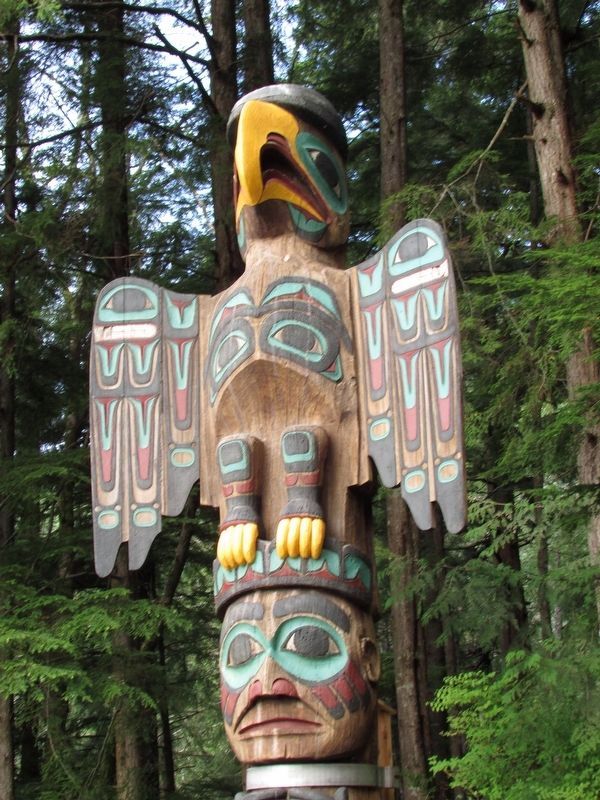
Photographed by Bill Coughlin, September 2, 2026
6. Eagle
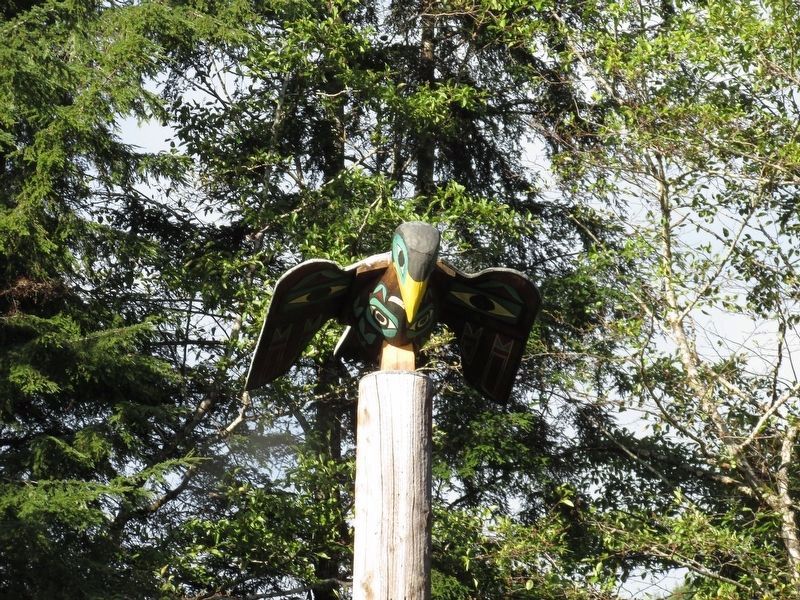
Photographed by Bill Coughlin, September 2, 2026
7. Raven
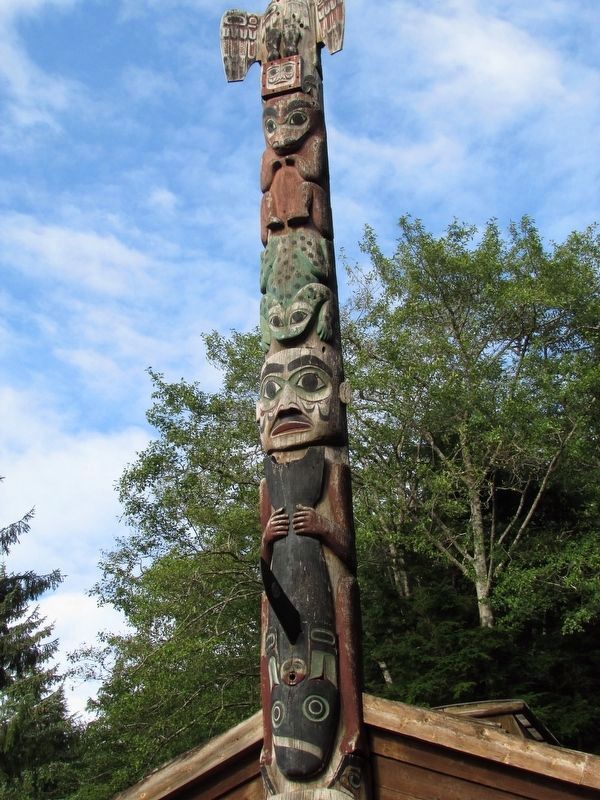
Photographed by Bill Coughlin, September 2, 2026
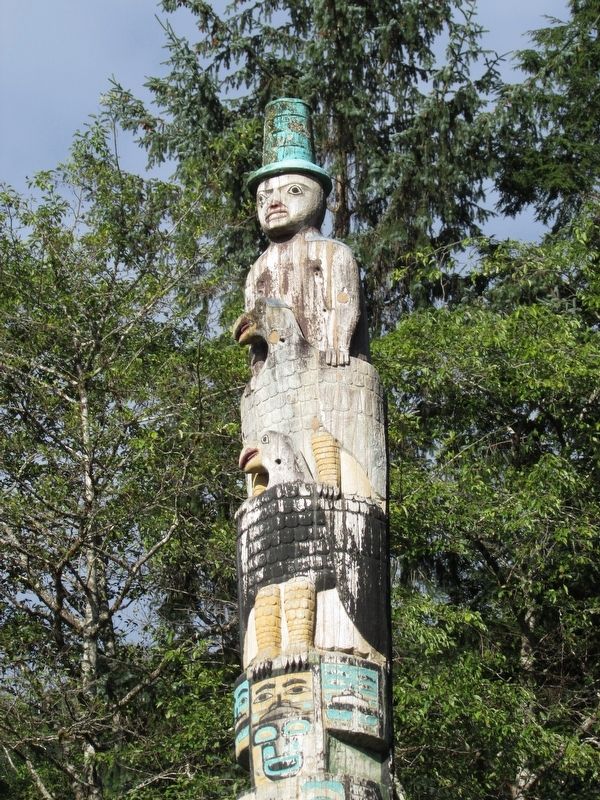
8. Multiple figures on the Totem Pole
Figures seen here include the bear, frog and killer whale.
Credits. This page was last revised on September 15, 2026. It was originally submitted on September 15, 2026, by Bill Coughlin of Woodland Park, New Jersey. This page has been viewed 10 times since then. Photos: 1, 2, 3, 4, 5, 6, 7, 8. submitted on September 15, 2026, by Bill Coughlin of Woodland Park, New Jersey.
