Southwest Jacksonville in Duval County, Florida — The American South (South Atlantic)
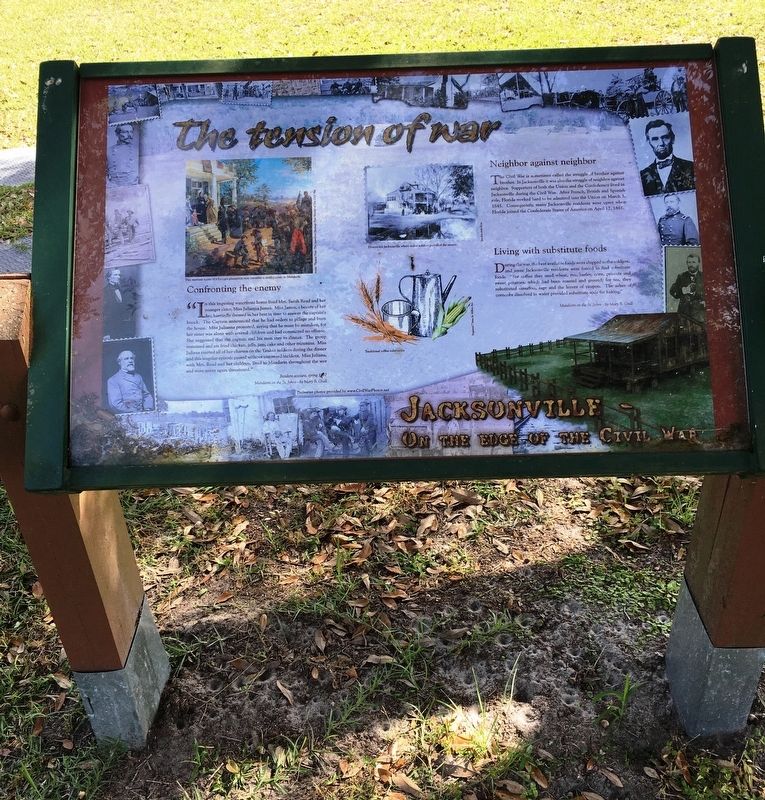
The Tension Of War
Jacksonville - On The Edge Of The Civil War
| — | Camp Milton Historic Preserve | — |
Photographed by Brandon D Cross, November 11, 2019
1. The Tension Of War Marker
Confronting the enemy
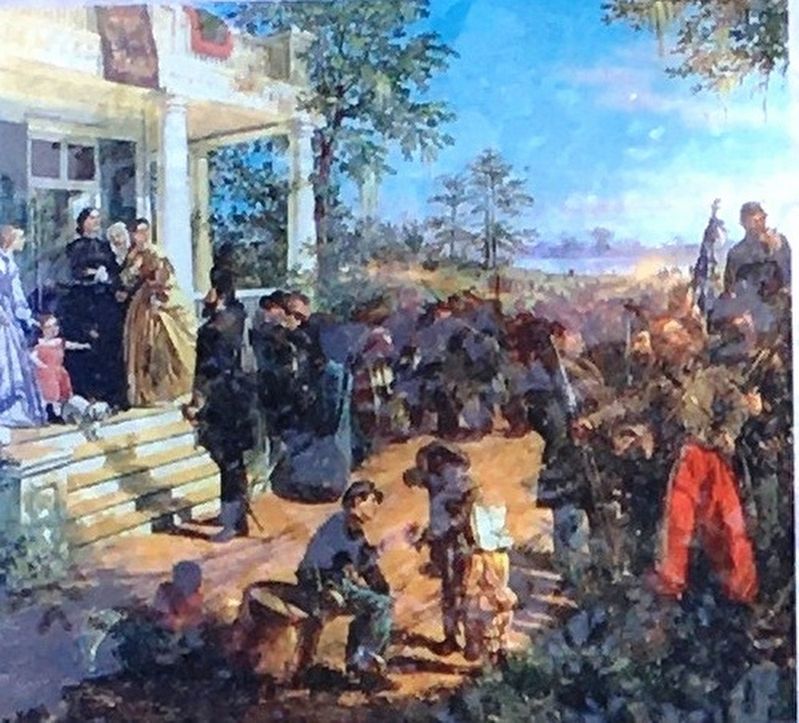
"In this imposing waterfront home lived Mrs. Sarah Reed and her younger sister , Miss Julianna James. Miss James, a beauty of her day, hurriedly dressed in her best in time to answer the captain’s knock. The Captain announced that he had orders to pillage and burn the house. Miss Julianna protested, saying that he must be mistaken, for her sister was alone with several children and had committed no offense. She suggested the captain and his men stay for dinner. The group remained and ate fried chicken ,jelly, jam, cake and other trimmins. Miss Julianna exerted all her charms on the Yankee soldiers during the dinner and this singular episode passed without untoward incident. Miss Julianna, with Mrs. Read and her children, lived in Mandarin throughout the war and were never again threatened."
Resident account, spring 1862
Mandarin on the St. Johns – by Mary B. Grall
Neighbor against neighbor
The Civil War is sometimes called the brother against brother. In Jacksonville it was also the struggle of neighbor against neighbor. Supporters of both the Union and the Confederacy lived in Jacksonville
this page online
Living with substitute foods
During the war, the best available foods were shipped to the soldiers, and some Jacksonville residents were forced to find substitute foods. “For coffee they used wheat, rye, barley, corn, peanuts and sweet potatoes, which had been roasted and ground; for tea. They substituted sassafras, sage and the leaves of yaupon. The ashes of corncobs dissolved in water provided substitute soda for baking.”
Mandarin on the St. Johns – by Mary B. Grall
Topics. This historical marker is listed in these topic lists: Food & Drink • War, US Civil. A significant historical date for this entry is March 3, 1845.
Location. 30° 20.132′ N, 81° 52.043′ W. Marker is in Jacksonville, Florida, in Duval County. It is in Southwest Jacksonville. It can be reached from Halsema Road North 0.4 miles Old Plank Road, on the right when traveling north. Located within the Camp Milton Historic
Photographed by Brandon D Cross, November 11, 2019
2. The Tension Of War Marker

Regionally, this marker is in First Coast. It is also in the American South and on the Eastern Seaboard. Globally, it is in the North Atlantic Region, North America, a Gulf of Mexico state, the Western Hemisphere, the Western World, and the Anglosphere. Historically, it finds itself in what was once New Spain, the territory of the Mississippian Culture, one of the Confederate States of America, and the Antebellum South.
Other nearby markers. At least 8 other markers are within walking distance of this marker: Jefferson Davis Live Oak (within shouting distance of this marker); The Third Union Invasion (within shouting distance of this marker); The Harvey Farm (within shouting distance of this marker); Stonewall Jackson Prayer Oak (about 300 feet away, measured in a direct line); Fort Fisher Live Oak (about 400 feet away); Lincoln’s Tomb White Oak (about 400 feet away); Seminary Ridge White Oak (about 400 feet away); Robert E. Lee Sycamore (about 400 feet away). Touch for a list and map
Photographed by Brandon D Cross, November 11, 2019
3. Photo Insert Left
The warfare scenes of a Georgia plantation may resemble a similar event in Mandarin
Photographed by Brandon D Cross, November 11, 2019
4. Photo Insert Center
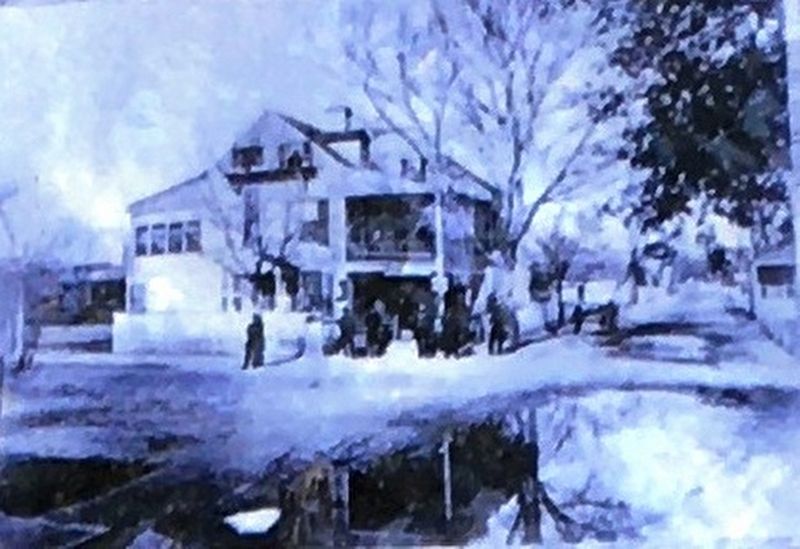
Downtown Jacksonville where soldiers patrolled the streets
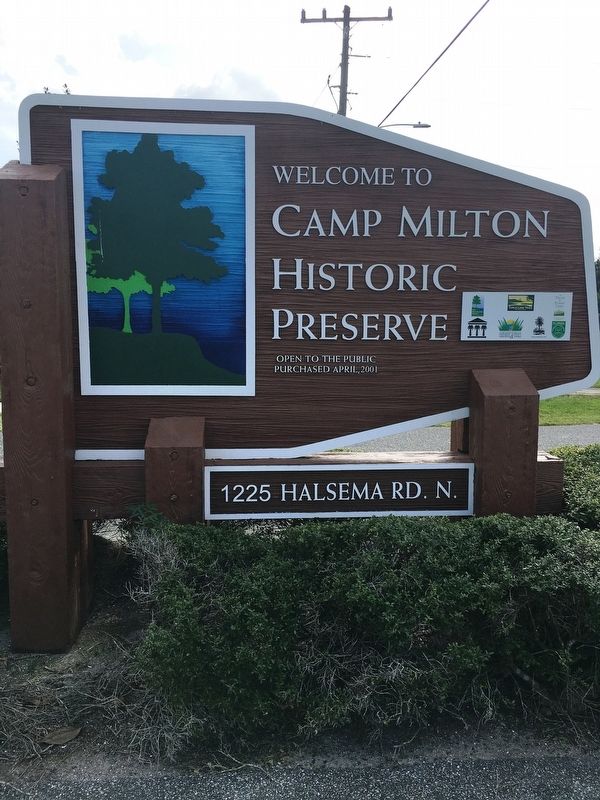
Photographed by Brandon D Cross, November 11, 2019
5. Camp Milton Historic Preserve Sign
Credits. This page was last revised on September 28, 2026. It was originally submitted on December 20, 2019, by Brandon D Cross of Flagler Beach, Florida. This page has been viewed 296 times since then and 32 times this year. Last updated on September 27, 2026, by Trudi Jacobson of Slingerlands, New York. Photos: 1, 2, 3, 4, 5. submitted on December 20, 2019, by Brandon D Cross of Flagler Beach, Florida. • Devry Becker Jones was the editor who published this page.
