Anderson in Anderson County, South Carolina — The American South (South Atlantic)
Anderson Presbyterian Church Cemetery
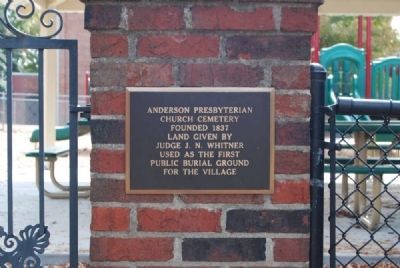
Photographed by Brian Scott, November 8, 2011
1. Anderson Presbyterian Church Cemetery Marker
Church Cemetery
Founded 1837
Land Given by
Judge J.N. Whitner
Used as the First
Public Burial Ground
For the Village
Topics. This historical marker is listed in this topic list: Cemeteries & Burial Sites. A significant historical year for this entry is 1837.
Location. 34° 30.233′ N, 82° 39.233′ W. Marker is in Anderson, South Carolina, in Anderson County. It can be reached from West Whitner Street (State Highway 24). Touch for map. Marker is at or near this postal address: 302 West Whitner Street, Anderson SC 29625, United States of America. Touch for directions.

Regionally, this marker is in Upstate and in the Greater Greenville-Spartanburg Area. It is also in the American South and specifically in the Deep South. Globally, it is in North America, the Western Hemisphere, the Western World, and the Anglosphere. Historically, it finds itself in what was once the territory of the Mississippian Culture, one of the original Thirteen Colonies, one of the Confederate States of America, and the Antebellum South.
Other nearby markers. At least 10 other markers are within walking distance
this page online
Regarding Anderson Presbyterian Church Cemetery. Access to the marker is limited as the cemetery is locked.
Also see . . . James Lawrence Orr. James Lawrence Orr (May 12, 1822 – May 5, 1873) was an American politician who served as Speaker of the United States House of Representatives in the United States Congress. (Submitted on November 16, 2011, by Brian Scott of Anderson, South Carolina.)
Additional commentary.
1. Joseph Newton Whitner (1799-1864)
Joseph
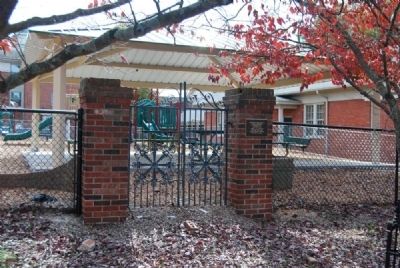
Photographed by Brian Scott, November 8, 2011
2. Anderson Presbyterian Church Cemetery Marker
Whitner was born on April 13, 1799 near Pendleton Village of Joseph and Elizabeth Shackleford Whitner. He was brought up in Pendleton Court House, however. Whitner was 61 years old in 1860. His face was dominated by a proboscis behind which lay large, pensive eyes. Joseph Whitner had been a state representative (1826-1830) and senator (1830-1835). While there, he helped pass legislation creating Anderson District from part of Pendleton District. After his years in the general assembly, the judge became Solicitor of the Western District and eventually a major general of cavalry in the militia.
In his younger years, however, Whitner sometimes had been on the other side of the law. One day while at school in Union village, Joseph Whitner was visited by the deputy sheriff of the district on some relatively minor matter. Apparently unknown to the officer, young Joseph Whitner carried a pistol to school. The deputy intended to arrest him, and the future solicitor pulled his firearm out, jokingly telling the officer
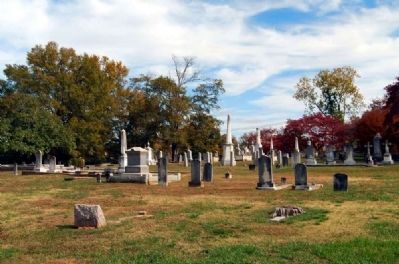
Photographed by Brian Scott, November 8, 2011
3. Anderson Presbyterian Church Cemetery
Whitner continued his education, however, and after graduating from South Carolina College in 1818, he learned the law by reading it. Elected a law judge of 1850, he left his excitable temper outside the courtroom. On the bench his demeanor made him a lawyer's dream com true: the judge was conscientious, patient, kind, and courteous to the attorneys before him. Sometimes Judge Whitner's fear of making an unfair ruling made him appear hesitant and doubtful. (Source: Rebellion in the Temple of Justice: The Federal and State Courts in South Carolina During the War Between the States by William Moise (2003) pg 94.)
A supporter of slavery, Whitner believed that slavery humanizes the character of the master only when it comes up to biblical standards. He owned close to sixty slaves. Many took the name Whitner upon their emancipation. (Source: The Most Boisterous Passions: Southern Responses to Thomas Jefferson’s Critique of Slavery by Eugene D. Genovese.)
— Submitted November 13, 2011, by Brian Scott of Anderson, South Carolina.
2.
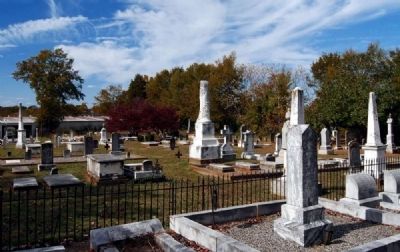
Photographed by Brian Scott, November 8, 2011
4. Anderson Presbyterian Church Cemetery
James Lawrence Orr, a Representative from South Carolina; born in Craytonville, Anderson County, S.C., May 12, 1822; attended the public schools, and was graduated from the University of Virginia at Charlottesville in 1842; studied law; was admitted to the bar and commenced practice in Anderson, S.C., in 1843; engaged in newspaper work; member of the State house of representatives 1844-1847; elected as a Democrat to the Thirty-first and to the four succeeding Congresses (March 4, 1849-March 3, 1859); chairman, Committee on Indian Affairs (Thirty-third Congress); Speaker of the House of Representatives (Thirty-fifth Congress); was not a candidate for renomination in 1858; resumed the practice of law at Craytonville; member of the southern rights convention held in Charleston, S.C., in 1851; delegate to the Democratic National Convention at Charleston in 1860; member of the secession convention in 1860; one of three commissioners sent to Washington, D.C., to treat with the Federal Government for the surrender of the forts in Charleston Harbor; Member of the Confederate Senate in 1861; served in the Confederate
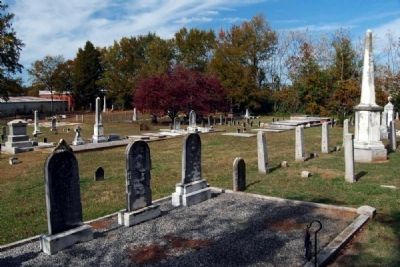
Photographed by Brian Scott, November 8, 2011
5. Anderson Presbyterian Church Cemetery
— Submitted November 16, 2011, by Brian Scott of Anderson, South Carolina.
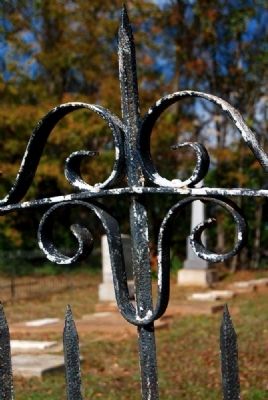
Photographed by Brian Scott, November 8, 2011
6. Cemetery Ironwork
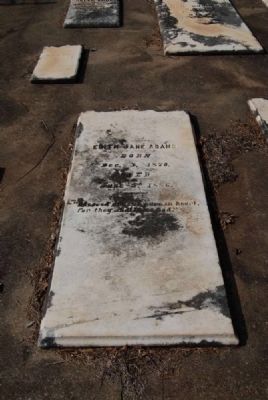
Photographed by Brian Scott, November 8, 2011
7. Edith Jane Adams Tombstone
Dec. 3, 1780
Died
June 5, 1886
-----
"Blessed are the pure in heart,
for they shall see God."
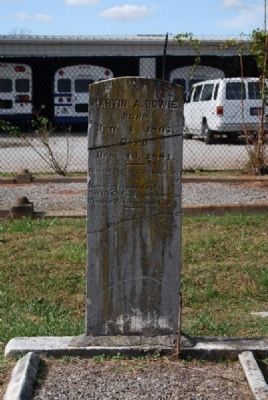
Photographed by Brian Scott, November 8, 2011
8. Martin A. Bowie Tombstone
Jan. 4, 1807
Died
Dec. 13, 1881
-----
Dearest Father, thou hast left us
Here they loss we deeply feel;
But tis God who hath bereft us
He can all our sorrows heal.
-----
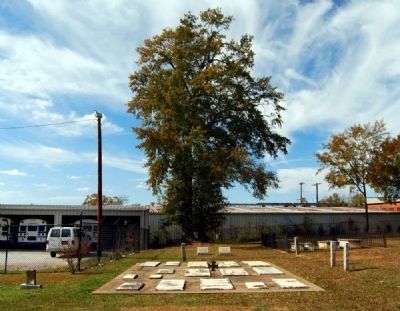
Photographed by Brian Scott, November 8, 2011
9. Cooley Family Plot
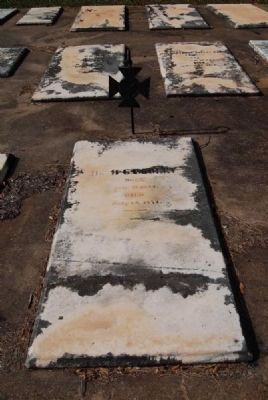
Photographed by Brian Scott, November 8, 2011
10. Dr. A.G. Cooley Tombstone
July 21, 1832
Died
July 13, 1873
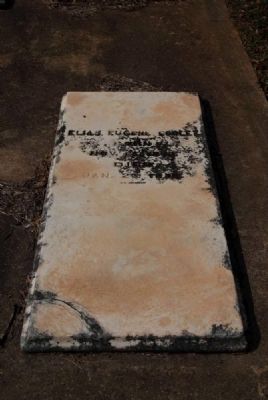
Photographed by Brian Scott, November 8, 2011
11. Elias Eugene Cooley Tombstone
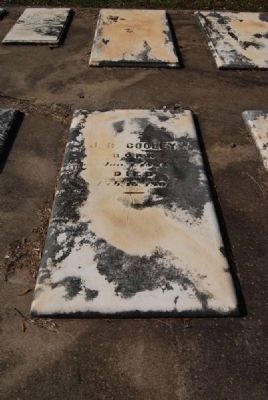
Photographed by Brian Scott, November 8, 2011
12. J.B. Cooley Tombstone
Jan. 1, 1864
Died
Feb. 16, 1901
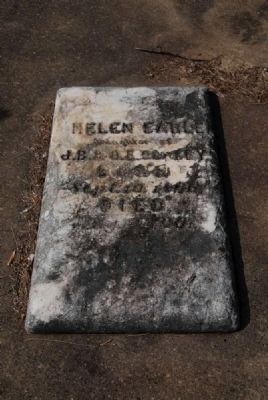
Photographed by Brian Scott, November 8, 2011
13. Helen Earle Cooley Tombstone
J.B. & D.E. Cooley
Born
Sept. 19, 1896
Died
Aug. 2, 1901
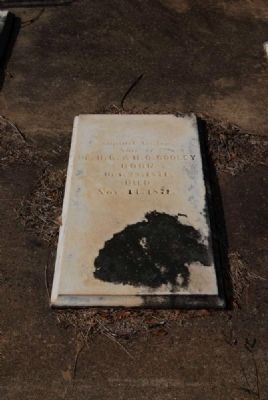
Photographed by Brian Scott, November 8, 2011
14. Samuel Newton Cooley Tombstone
Dr. H.C. & H.C. Cooley
Born
Oct. 28, 1871
Died
Nov. 14, 1871
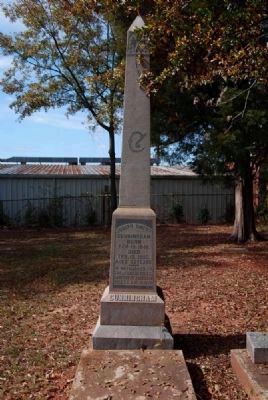
Photographed by Brian Scott, November 8, 2011
15. Joseph Gibert Cunningham Tombstone
Feb. 15, 1848
Died
Feb. 15, 1900
Aged 52 Years
-----
He was married to
Sarah, Dau. of Col. F.E.
Harrison of Andersonville
S.C., Aug. 19, 1879
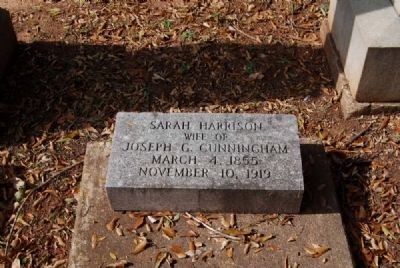
Photographed by Brian Scott, November 8, 2011
16. Sarah Harrison Tombstone
Joseph G. Cunningham
March 4. 1855
November 10. 1919
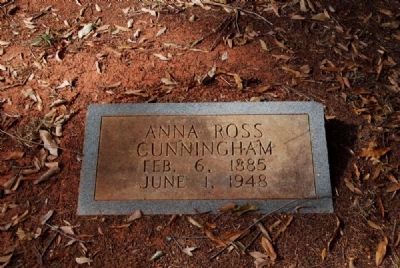
Photographed by Brian Scott, November 8, 2011
17. Anna Ross Cunningham Tombstone
June 1, 1948
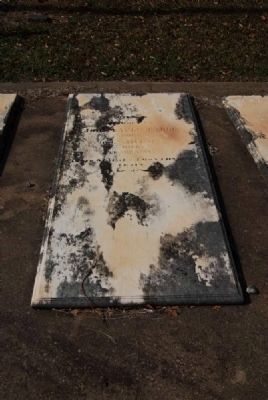
Photographed by Brian Scott, November 8, 2011
18. John Baylis Earle Tombstone
1803
Died
1871
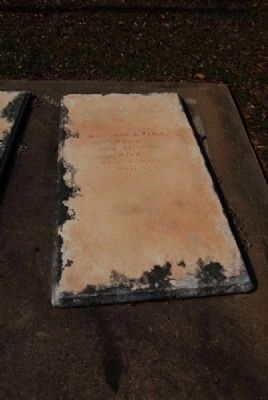
Photographed by Brian Scott, November 8, 2011
19. Jane A Earle Tombstone
May 11, 1818
Died
Nov. 4, 1894 -- > > > --
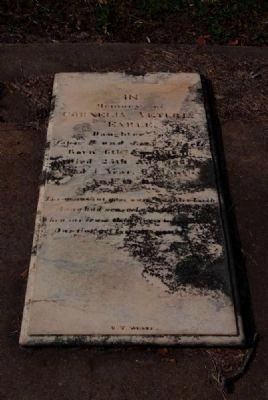
Photographed by Brian Scott, November 8, 2011
20. Cornelia Veturia Earle Tombstone
John B. and Jane A. Earle
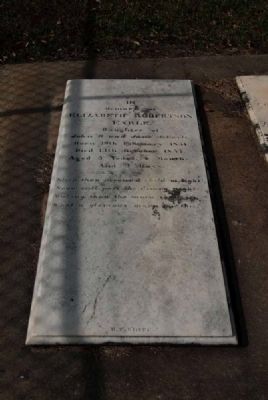
Photographed by Brian Scott, November 8, 2011
21. Elizabeth Robertson Earle Tombstone
John B and Jane A. Earle
Born 19th February 1831
Died 13th October 1835
Aged 5 Years, 4 Months
and 3 Days
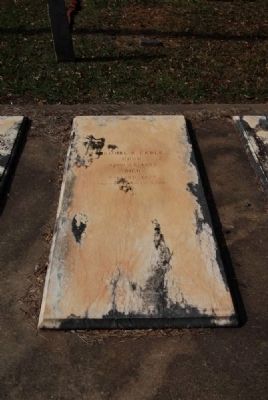
Photographed by Brian Scott, November 8, 2011
22. Samuel R. Earle Tombstone
April 23, 1853
Died
Sept. 26, 1878
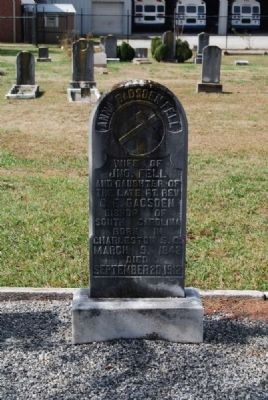
Photographed by Brian Scott, November 8, 2011
23. Anna Gadsden Fell Tombstone
John Fell
and Daughter of
the Late Rt. Rev.
C.E. Gadsden
Bishop of
South Carolina
Born in
Charleston S.C.
March 9, 1842
Died
September 20, 1912
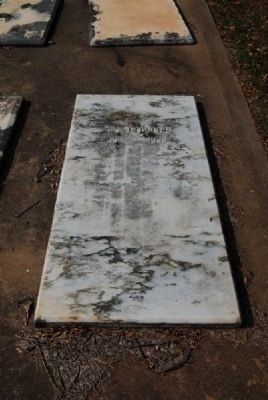
Photographed by Brian Scott, November 8, 2011
24. J.S. Fowler Tombstone
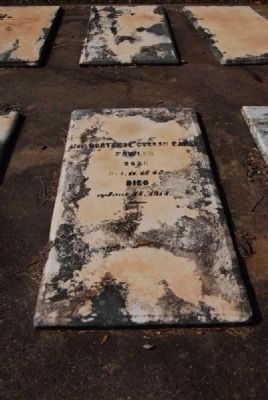
Photographed by Brian Scott, November 8, 2011
25. Hortense Curran Earle Fowler Tombstone
Oct. 11, 1842
Died
June 18, 1913
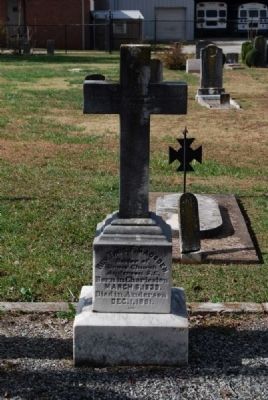
Photographed by Brian Scott, November 8, 2011
26. Rev. Thomas F. Gadsden Tombstone
Front
Front
Grace Church
Anderson S.C.
Born in Charleston
March 6, 1839
Died in Anderson
Dec. 1, 1891
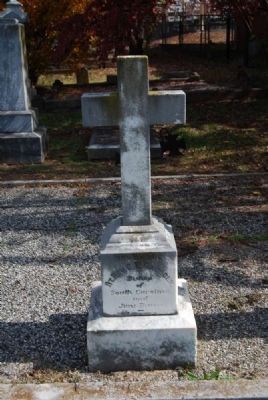
Photographed by Brian Scott, November 8, 2011
27. Rev. Thomas F. Gadsden Tombstone
Reverse
Reverse
Rt. Rev. C.E. Gadsden
Bishop
of
South Carolina
and
Jane Dewees
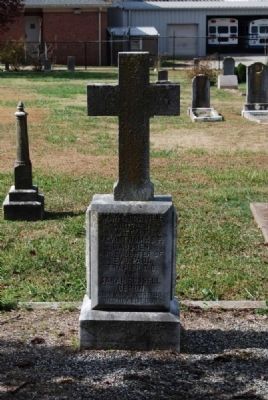
Photographed by Brian Scott, November 8, 2011
28. Mary Trapier Gadsden Tombstone
Rev. Thomas F.
Gadsden
and Daughter of
Rev. Paul
Trapier, D.D.
and
Sarah Russell
Dehon
Born March 20th 1840
Died Nov. 21st 1909
Photographed by Brian Scott, November 8, 2011
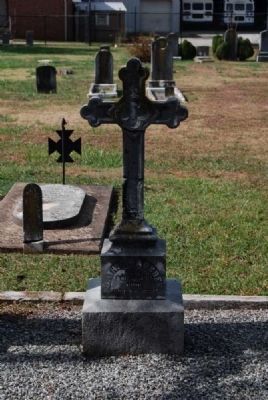
29. Catherine E. Gadsden Tombstone
Front
Front
Feb. 17, 1881
Died
Oct. 24, 1881
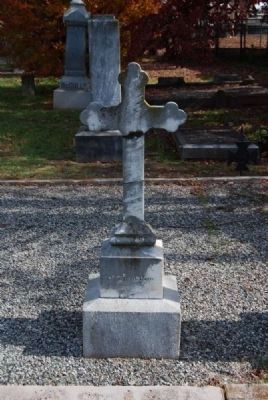
Photographed by Brian Scott, November 8, 2011
30. Catherine E. Gadsden Tombstone
Reverse
Reverse
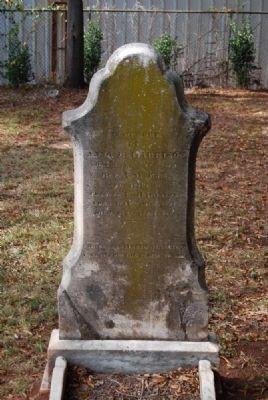
Photographed by Brian Scott, November 8, 2011
31. Anna E. Harrison Tombstone
Rev. A.W. Bass
and Wife of
Frances G. Harrison
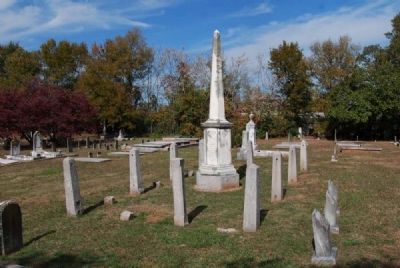
Photographed by Brian Scott, November 8, 2011
32. Children of James W & Mary J Harrison Monument
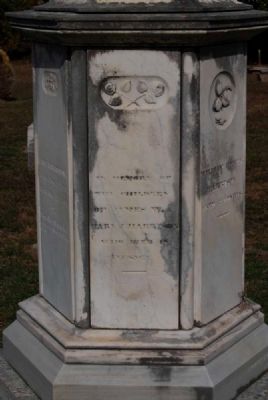
Photographed by Brian Scott, November 8, 2011
33. Children of James W & Mary J Harrison Monument
the Children
of James W. &
Mary J. Harrison
who Died in
Infancy
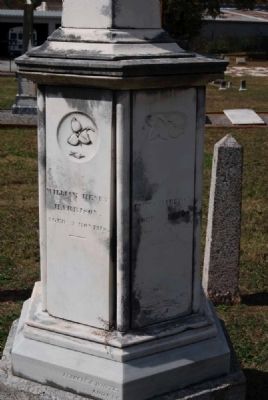
Photographed by Brian Scott, November 8, 2011
34. Children of James W & Mary J Harrison Monument
Harrison
Aged 2 Months
-----
James Harrison
Aged 2 Years
and 10 Days
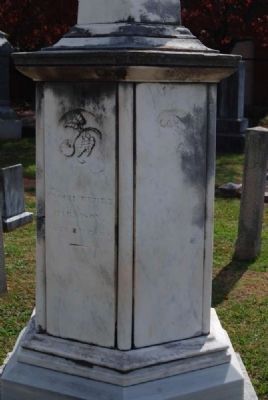
Photographed by Brian Scott, November 8, 2011
35. Children of James W & Mary J Harrison Monument
Harrison
Aged 2 Years
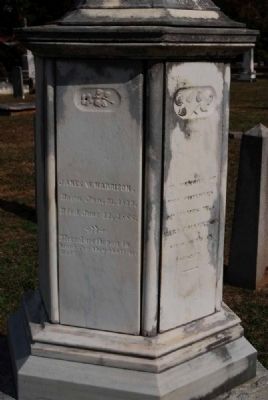
Photographed by Brian Scott, November 8, 2011
36. Children of James W & Mary J Harrison Monument
Born Jan. 21, 1819
Died June 11, 1888
-----
Blessed are the pure in
heart for they shall see
God.
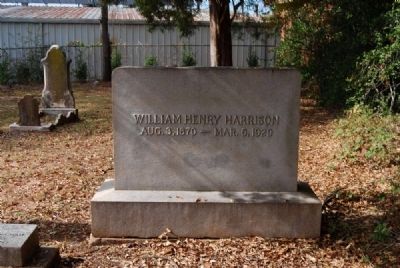
Photographed by Brian Scott, November 8, 2011
37. William Henry Harrison Tombstone
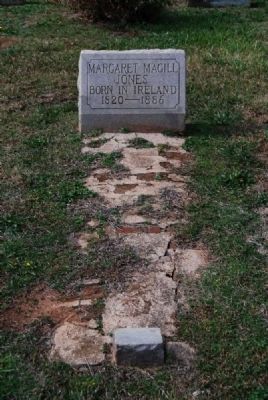
Photographed by Brian Scott, November 8, 2011
38. Margaret Magill Jones Tombstone
1820 - 1886
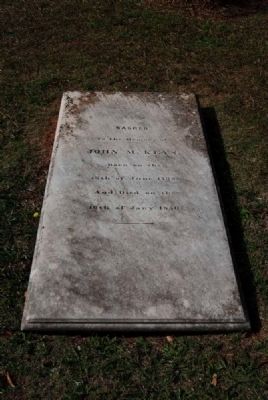
Photographed by Brian Scott, November 8, 2011
39. John Keys Tombstone
18th of June 1798
And Died on the
19th of Jany 1850
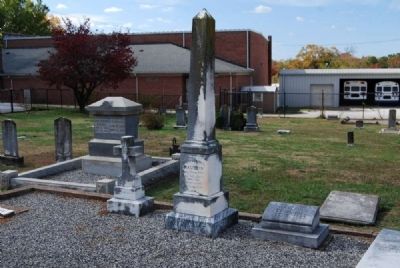
Photographed by Brian Scott, November 8, 2011
40. Rev. Benjamin Franklin Mauldin Tombstone
Died July 4, 1886
-----*-----
Blessed are the pure in heart
for they shall see God.
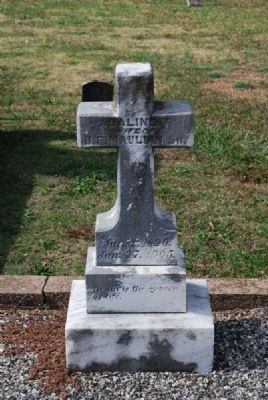
Photographed by Brian Scott, November 8, 2011
41. Adaline T. Mauldin Tombstone
B.F. Mauldin, Sr.
Jan. 1, 1820
Jan. 27, 1905
Death is the crown
of life.
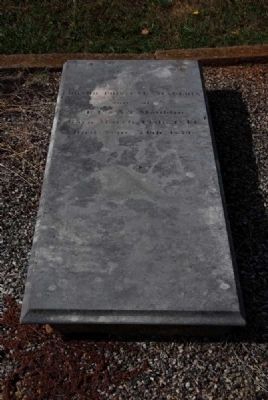
Photographed by Brian Scott, November 8, 2011
42. Edward B. Mauldin Tombstone
B.F. & A.T. Mauldin
Born March 14th 1844
Died Sept. 24th 1859
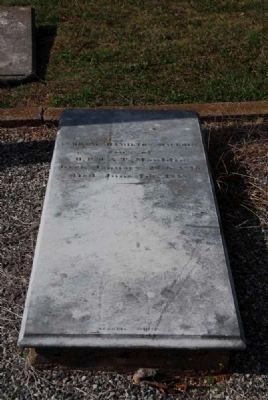
Photographed by Brian Scott, November 8, 2011
43. Andrew Hamilton Mauldin Tombstone
B.F. & A.T. Mauldin
born January 26th 1846
died June 7th, 1868
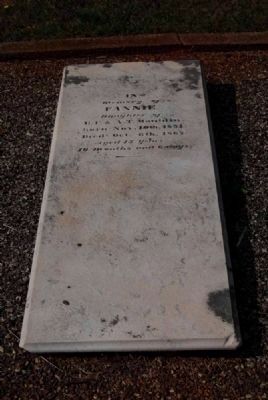
Photographed by Brian Scott, November 8, 2011
44. Fannie Mauldin Tombstone
B.F. & A.T. Mauldin
Born Nov. 10th 1851
Died Oct. 6th 1867
Aged 15 Years,
10 Months and 6 Days
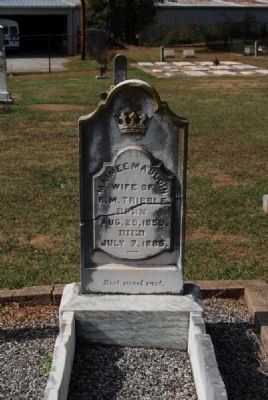
Photographed by Brian Scott, November 8, 2011
45. Sallie Hamilton Mauldin Tombstone
B.F. & A.T. Mauldin
Born
March 3, 1853
Died
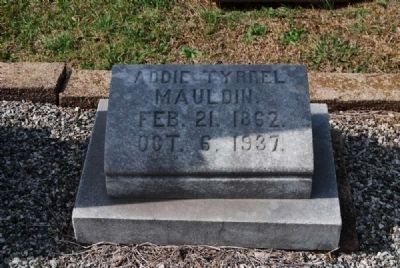
Photographed by Brian Scott, November 8, 2011
46. Addie Tyrrel Mauldin Tombstone
Oct. 6, 1937
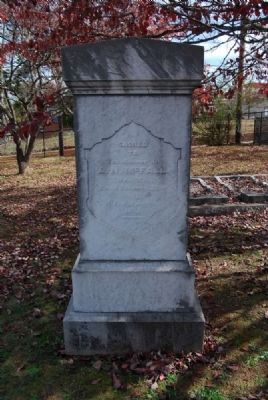
Photographed by Brian Scott, November 8, 2011
47. A.N. McFall Tombstone
Born October 29th
1800
Died May 5th
1860
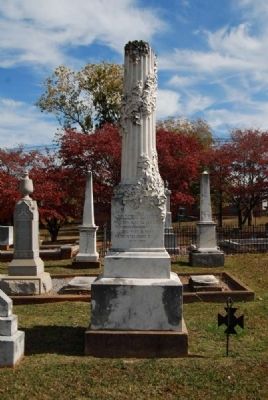
Photographed by Brian Scott, November 8, 2011
48. James L. Orr Tombstone
West Inscription
West Inscription
In Anderson County So Ca.
Died May 5, 1873
At St. Petersburg Russia
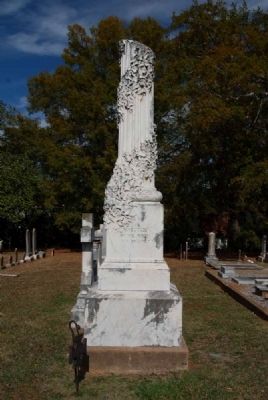
Photographed by Brian Scott, November 8, 2011
49. James L. Orr Tombstone
South Inscription
South Inscription
by his widow
and children.
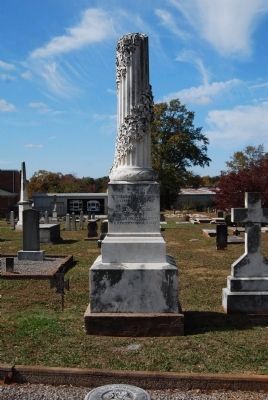
Photographed by Brian Scott, November 8, 2011
50. James L. Orr Tombstone
East Inscription
East Inscription
Governor of S.C. 1865-68
Grand Master
Of the A.F.M. of S.C. 1865-68
Judge of
8th Judicial Circuit 1868-72
U.S. Minister to Russia 1872-73
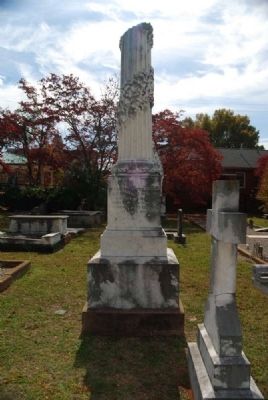
Photographed by Brian Scott, November 8, 2011
51. James L. Orr Tombstone
North Inscription
North Inscription
S.C. Legislature, 1844-48
U.S. Congress, 1848-59
Speaker of 85th Congress
Colonel of Orr's Regiment
Of Rifles, 1861
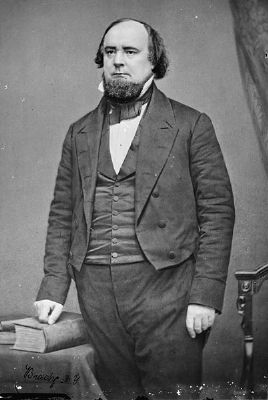
Prints and Photographs Division. Brady-Handy Photograph Collection, circa 1860
52. James Lawrence Orr
May 12, 1822 – May 5, 1873
May 12, 1822 – May 5, 1873
Photographed by Brian Scott, November 8, 2011
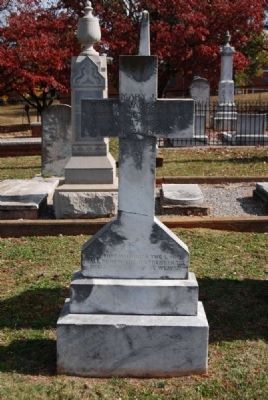
53. Mary J. Orr Tombstone
Daughter of Dr. Samuel Marshall
Nov. 27, 1826
Sept. 21, 1898
Photographed by Brian Scott, November 8, 2011
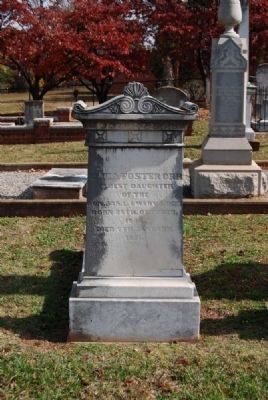
54. Elia Foster Orr Tombstone
of the
Hon. Jas. L. & Mary J. Orr
Born 25th October,
1844
Died 7th January,
1851
Photographed by Brian Scott, November 8, 2011
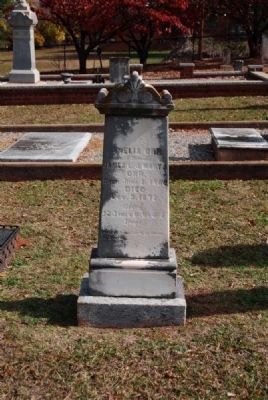
55. Amelia Orr Tombstone
James L & Mary J.
Orr
Born June 1, 1860
Died
Dec. 5, 1874
Aged
12 Years 6 Mths 4
Days
Photographed by Brian Scott, November 8, 2011
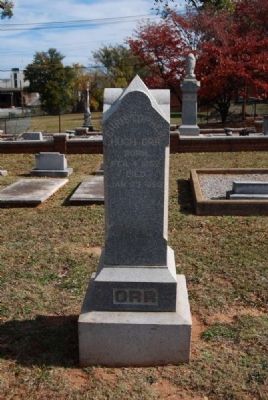
56. Christopher Hugh Orr Tombstone
Feb. 4, 1862
Died
Jan. 23, 1896
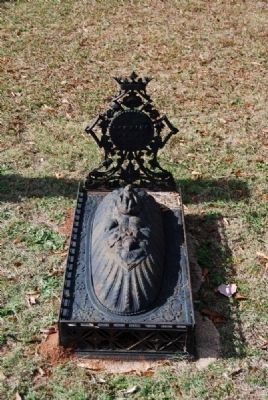
Photographed by Brian Scott, November 8, 2011
57. Helen Orr Tombstone
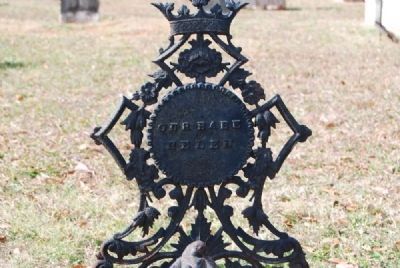
Photographed by Brian Scott, November 8, 2011
58. Helen Orr Tombstone
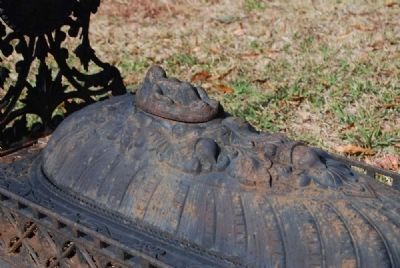
Photographed by Brian Scott, November 8, 2011
59. Helen Orr Tombstone
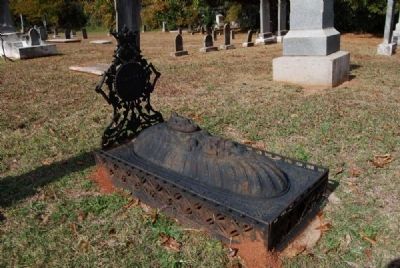
Photographed by Brian Scott, November 8, 2011
60. Helen Orr Tombstone
Photographed by Brian Scott, November 8, 2011
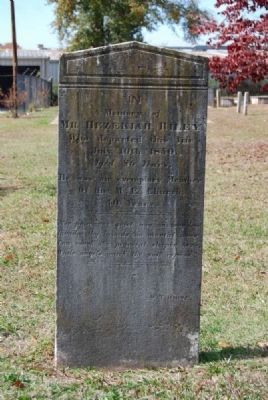
61. Hezekiah Riley Tombstone
Carved by W.T. White
Carved by W.T. White
July 10th 1850
Aged 86 Years
He was an exemplary Member
of the M.E. Church
40 Years
-----
"Nor pain, nor grief, nor anxious fear
Invades thy bounds, no mortal woes
Can reach the peaceful sleeper here,
While angels watch the soft repose."
-----
Credits. This page was last revised on October 14, 2020. It was originally submitted on November 13, 2011, by Brian Scott of Anderson, South Carolina. This page has been viewed 1,708 times since then and 66 times this year. Photos: 1, 2, 3, 4, 5, 6, 7, 8, 9, 10, 11, 12, 13, 14, 15. submitted on November 13, 2011, by Brian Scott of Anderson, South Carolina. 16. submitted on November 14, 2011, by Brian Scott of Anderson, South Carolina. 17. submitted on November 13, 2011, by Brian Scott of Anderson, South Carolina. 18, 19. submitted on November 14, 2011, by Brian Scott of Anderson, South Carolina. 20, 21. submitted on November 13, 2011, by Brian Scott of Anderson, South Carolina. 22, 23, 24, 25, 26, 27, 28, 29, 30, 31, 32, 33, 34, 35, 36, 37, 38, 39, 40, 41, 42, 43, 44, 45, 46, 47. submitted on November 14, 2011, by Brian Scott of Anderson, South Carolina. 48, 49, 50, 51, 52, 53. submitted on November 16, 2011, by Brian Scott of Anderson, South Carolina. 54. submitted on November 15, 2011, by Brian Scott of Anderson, South Carolina. 55. submitted on November 14, 2011, by Brian Scott of Anderson, South Carolina. 56. submitted on November 15, 2011, by Brian Scott of Anderson, South Carolina. 57, 58, 59, 60, 61. submitted on November 16, 2011, by Brian Scott of Anderson, South Carolina.
