Near Brooksville in Hernando County, Florida — The American South (South Atlantic)
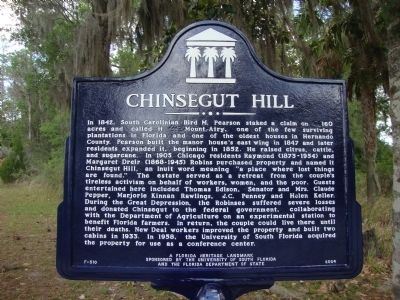
Chinsegut Hill
Photographed by Tim Fillmon, May 8, 2012
1. Chinsegut Hill Marker
this page online
Erected 2004 by The University of South Florida and the Florida Department of State. (Marker Number F-510.)
Topics. This historical marker is listed in these topic lists: Agriculture • Charity & Public Work • Education • Settlements & Settlers. A significant historical year for this entry is 1842.
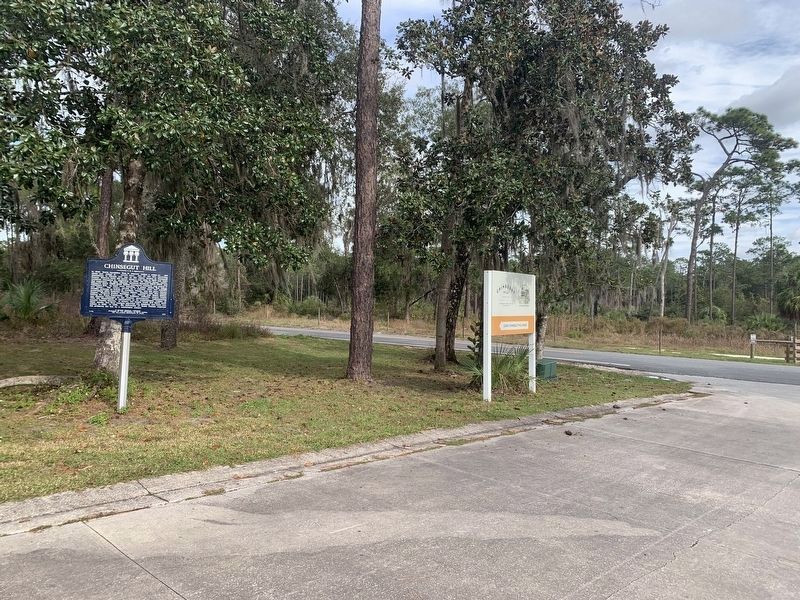
Location. Marker has been permanently removed. It was located near 28° 36.896′ N, 82° 21.57′ W. Marker was near Brooksville, Florida, in Hernando County. It was at the intersection of Chinsegut Hill Road and Snow Memorial Highway, on the right when traveling west on Chinsegut Hill Road. Touch for map. Marker was in this post office area: Brooksville FL 34601, United States of America.
We have been informed that this marker is no longer there and will not be replaced. This page is an archival view of what was.
Regionally, this marker was on the Gulf Coast and on Tampa Bay. It was also in the American South and on the Gulf Coast. Globally, it was in the North Atlantic Region, North America, a Gulf of Mexico state, the Western Hemisphere, the

Photographed by Tim Fillmon
2. Chinsegut Hill Marker
Other nearby markers. At least 8 other markers are within 5 miles of this location, measured as the crow flies: A different marker also named Chinsegut Hill (approx. 0.4 miles away); City of Brooksville (approx. 4.4 miles away); Hernando County Global War on Terrorism Memorial (approx. 4½ miles away); Hernando County War Memorial (approx. 4½ miles away); Hernando County (approx. 4½ miles away); Hernando County Confederate Monument (approx. 4½ miles away); The Grave of Charlotte Wynn Pyles Crum (approx. 4.8 miles away); Historic Sidewalk (approx. 4.8 miles away). Touch for a list and map of all markers in Brooksville.
More about this marker. Marker removed on 11/14/25. It will be replaced with an updated version soon.
Photographed by Tim Fillmon, April 1, 2011
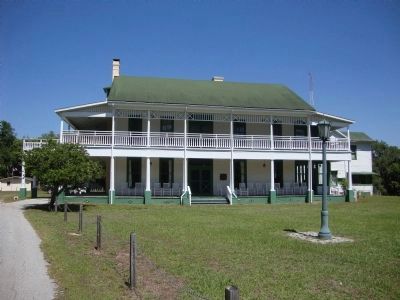
3. Chinsegut Hill
Photographed by Tim Fillmon, April 1, 2011
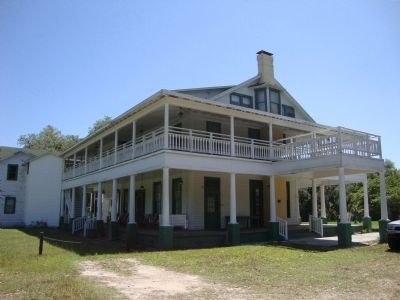
4. Chinsegut Hill
Credits. This page was last revised on November 14, 2025. It was originally submitted on July 25, 2013, by Tim Fillmon of Webster, Florida. This page has been viewed 1,840 times since then and 129 times this year. Photos: 1. submitted on July 25, 2013, by Tim Fillmon of Webster, Florida. 2. submitted on November 25, 2021, by Tim Fillmon of Webster, Florida. 3, 4. submitted on July 25, 2013, by Tim Fillmon of Webster, Florida. • Bill Pfingsten was the editor who published this page.
