Pensacola in Escambia County, Florida — The American South (South Atlantic)
The End of the Colonial Era in Florida
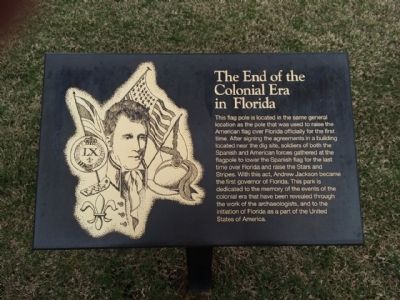
Photographed by Mark Hilton, January 1, 2015
1. The End of the Colonial Era in Florida Marker
Erected by the City of Pensacola, the University of West Florida & the Historic Pensacola Preservation Board.
Topics and series. This historical marker is listed in these topic lists: Colonial Era • Settlements & Settlers. In addition, it is included in the Former U.S. Presidents: #07 Andrew Jackson series list.
Location. Marker has been permanently removed. It was located near 30° 24.523′ N, 87° 12.766′ W.
this page online
We have been informed that this marker is no longer there and will not be replaced. This page is an archival view of what was.
Regionally, this marker was on the Florida Panhandle. It was also in the American South, specifically in the Deep South, and on the Gulf Coast. Globally, it was in the North Atlantic Region, North America, a Gulf of Mexico state, the Western Hemisphere, the Western World, and the Anglosphere. Historically, it found itself in what was once New Spain, the territory of the Mississippian Culture, one of the Confederate States of America, and the Antebellum South.

Other nearby markers. At least 8 other markers are within walking distance of this location: Stop and Smell the Roses (a few steps from this marker); Archaeology in Pensacola (a few steps from this marker); Transfer of Spanish Florida to the United States
Photographed by Mark Hilton, January 1, 2015
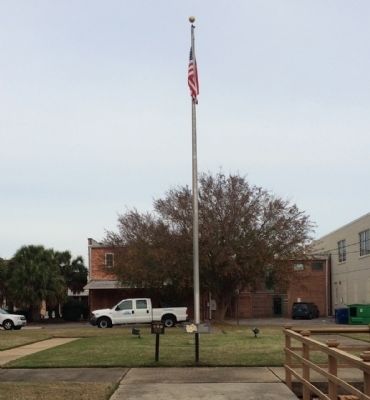
2. The End of the Colonial Era Flagpole
Related marker. Click here for another marker that is related to this marker.
Also see . . .
1. History of Pensacola - Wikipedia article. (Submitted on January 7, 2015, by Mark Hilton of Montgomery, Alabama.)
2. The Colonial Archaeological Trail. (Submitted on January 7, 2015, by Mark Hilton of Montgomery, Alabama.)
Additional commentary.
1. Markers replaced with interpretive markers.
All the markers on this page have been replaced with newer interpretive markers, in some cases combining information and adding new information. The whole plaza has been renovated and no longer looks the same.
— Submitted October 9, 2021, by Mark Hilton of Montgomery, Alabama.
Photographed by Mark Hilton, January 1, 2015
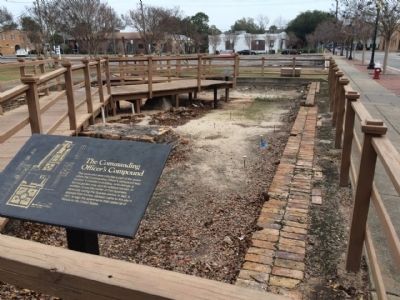
3. Archaeological dig site
Photographed by Mark Hilton, January 1, 2015
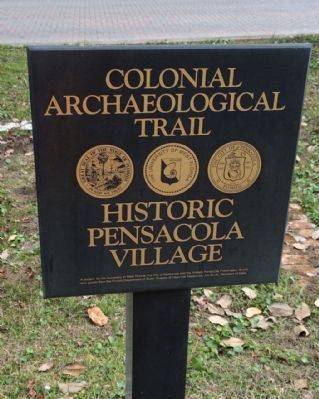
4. Historic Pensacola Village Colonial Archaeological Trail
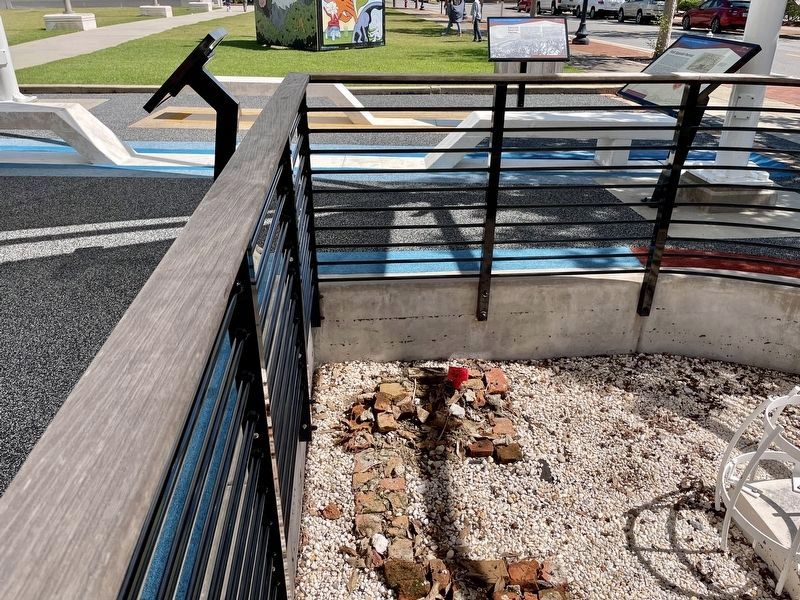
Photographed by Mark Hilton, October 9, 2021
5. Only portion of dig site left and new interpretive replacement markers.
Credits. This page was last revised on October 9, 2021. It was originally submitted on January 7, 2015, by Mark Hilton of Montgomery, Alabama. This page has been viewed 812 times since then and 39 times this year. Photos: 1, 2, 3, 4. submitted on January 7, 2015, by Mark Hilton of Montgomery, Alabama. 5. submitted on October 9, 2021, by Mark Hilton of Montgomery, Alabama.
