Near Midway in San Bernardino County, California — The American West (Pacific Coastal)
Mojave Road
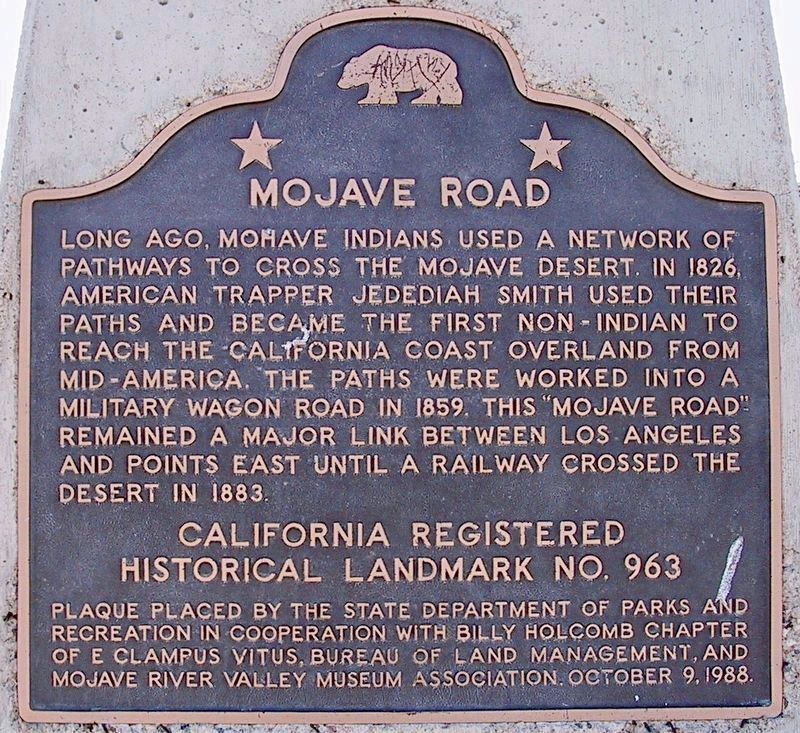
Photographed by Michael Kindig, April 24, 2009
1. Mojave Road Marker
Erected 1988 by State Department of Parks and Recreation, Billy Holcomb Chapter No. 1069 E Clampus Vitus, Bureau of Land Management, and Mojave River Valley Museum Association. (Marker Number 963.)
Topics and series. This historical marker is listed in these topic lists: Exploration • Indigenous Peoples and Communities • Roads & Vehicles. In addition, it is included in the California Historical Landmarks, the E Clampus Vitus, and the Mojave Road (Old Government Road) series lists. A significant historical year for this entry is 1826.
Location. 35° 1.906′ N, 116° 28.22′ W. Marker is near Midway, California, in San Bernardino County. It is on Interstate 15 34 miles north of Barstow, on the right when traveling
this page online

Regionally, this marker is in Greater Los Angeles, in the Mojave Desert, in the Peninsular Ranges, and specifically in the Transverse Ranges. It is also in the American Southwest. Globally, it is in North America, on the Ring of Fire, in the Pacific Rim, in the Western Hemisphere, in the Western World, and in the Anglosphere. Historically, it finds itself in what was once New Spain and also Mexico’s Alta California.
Other nearby markers. At least 7 other markers are within 12 miles of this marker, measured as the crow flies: The Mojave Desert (within shouting distance of this marker); Bonnie Keebler Harris Grave (approx. 6 miles away); Camp Cady (approx. 9½ miles away); Harvard Reservoir (approx. 11.7 miles away); Harvard Mill (approx. 11.8 miles away); a different marker also named Camp Cady (approx. 12 miles away); Historic Mojave River Road (approx. 12 miles away).
Regarding Mojave Road. Until the coming
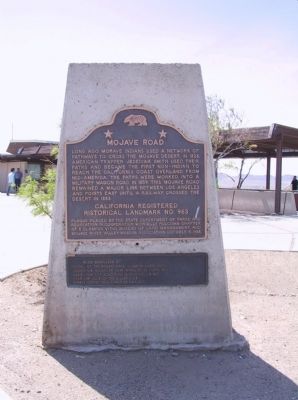
Photographed by Michael Kindig, April 24, 2009
2. Mojave Road Marker
Also sponsored by: Friends of the Mojave Road (Road Restoration), California Assoc. of Four Wheel Drive Clubs, Inc., California Off-Road Vehicle Association, Inc., Phantom Duck of the Desert Club, Sports Committee District 37 AMA, Inc.
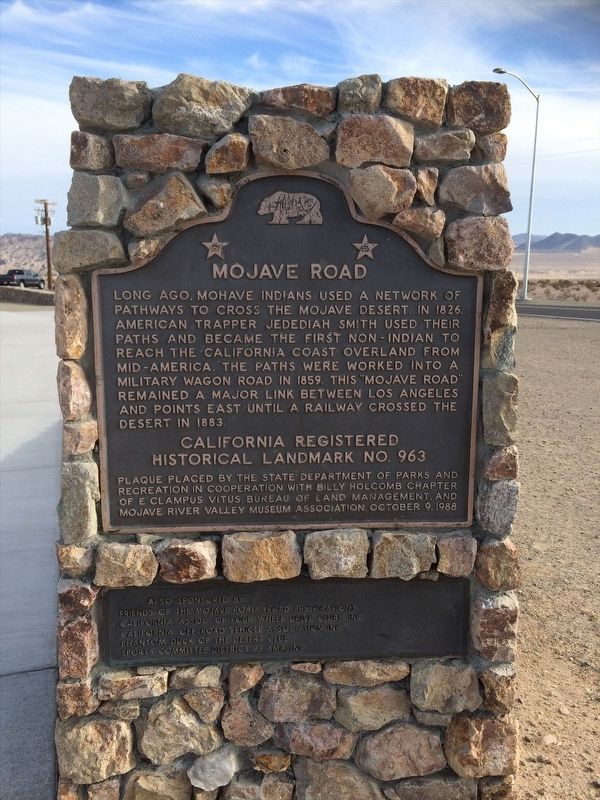
Photographed by Adam Margolis, December 4, 2015
3. Mojave Road Marker
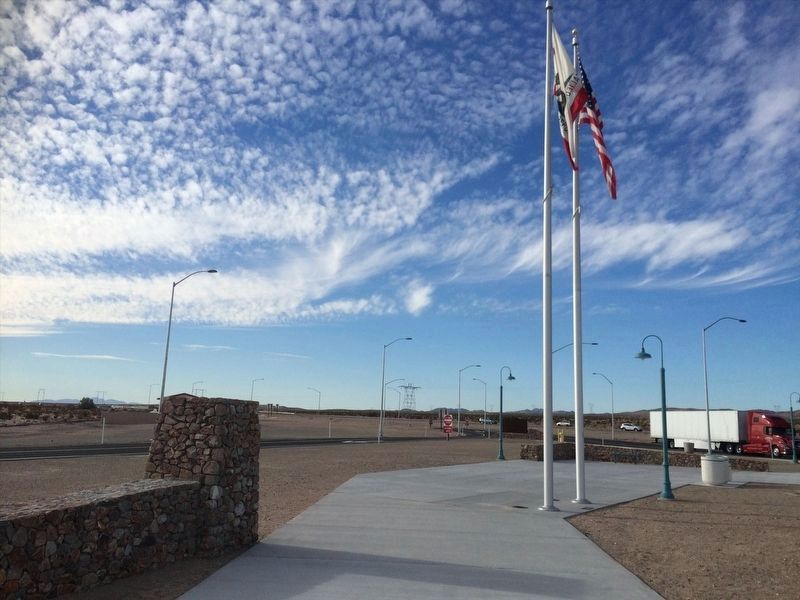
Photographed by Adam Margolis, December 4, 2015
4. Mojave Road Marker
The marker's reverse can be seen on the left in this view.
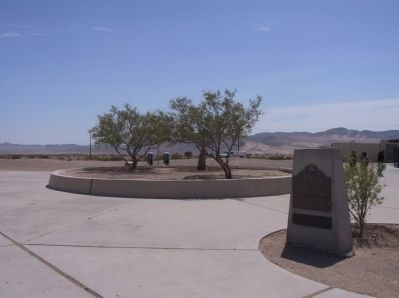
Photographed by Michael Kindig, April 24, 2009
5. Mojave Road Marker
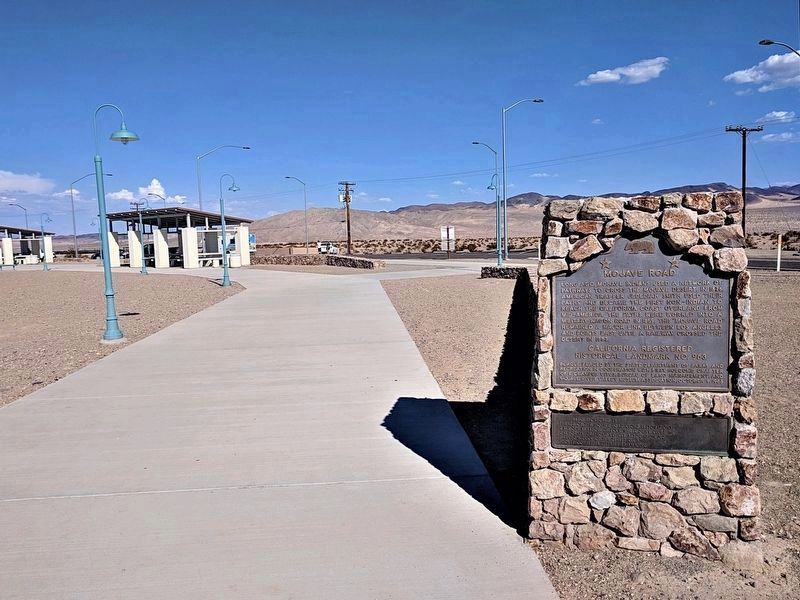
Photographed by Craig Baker, 2020
6. Mojave Road Marker
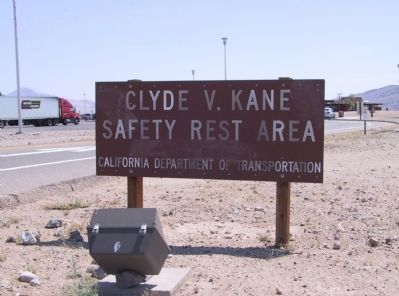
Photographed by Michael Kindig, April 24, 2009
7. Clyde V. Kane Safety Rest Area
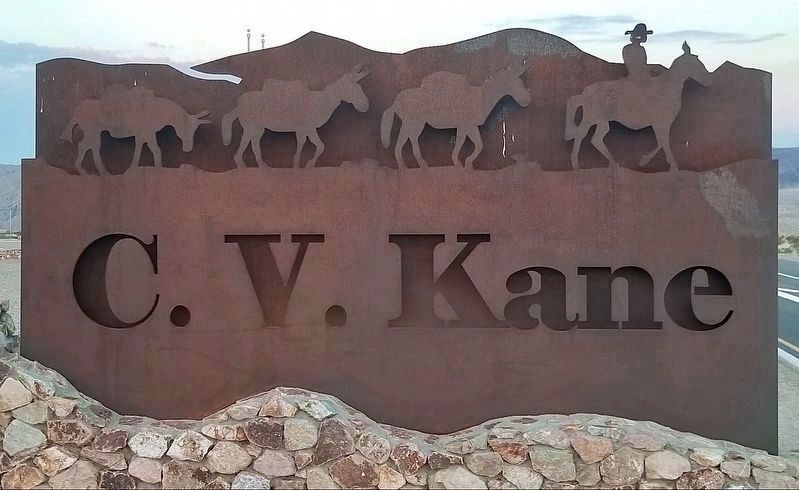
Photographed by Craig Baker, 2020
8. Rest Area Sign
Photographed by Michael Kindig, August 7, 2016
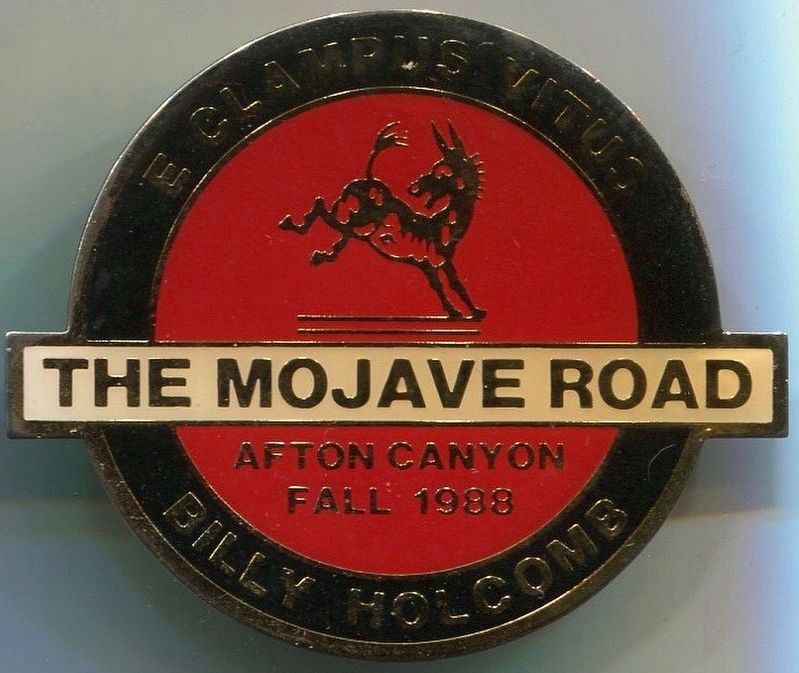
9. Commemorative Pin
Afton Canyon - Fall 1988
E Clampus Vitus - Billy Holcomb
Photographed by Michael Kindig, October 9, 1988
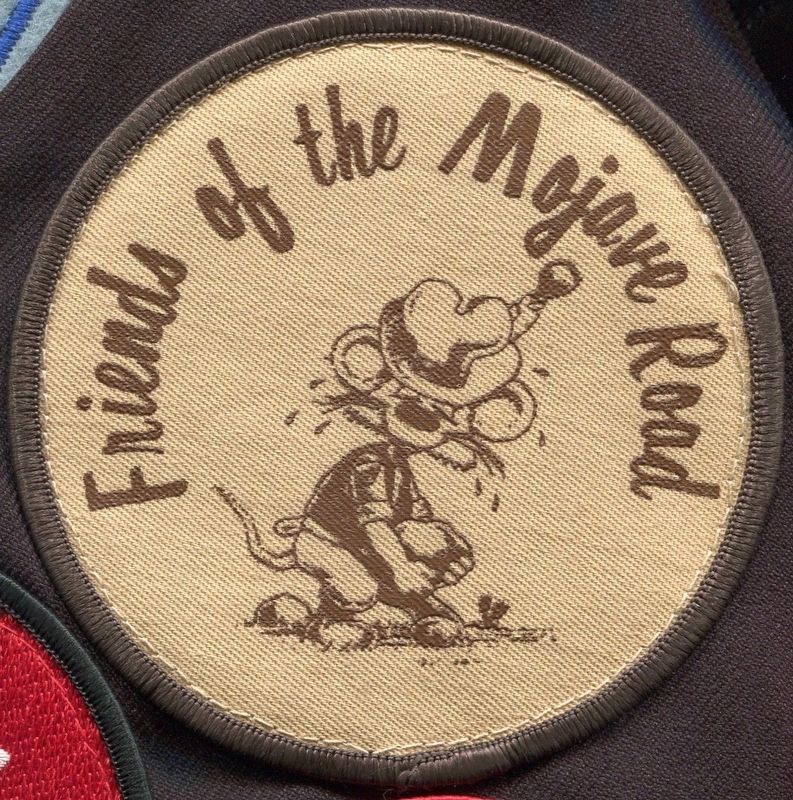
10. Friends of the Mojave Road
Credits. This page was last revised on February 17, 2022. It was originally submitted on December 18, 2011, by Michael Kindig of Elk Grove, California. This page has been viewed 1,380 times since then and 61 times this year. Last updated on August 8, 2016, by Michael Kindig of Elk Grove, California. Photos: 1. submitted on October 21, 2021, by Craig Baker of Sylmar, California. 2. submitted on December 18, 2011, by Michael Kindig of Elk Grove, California. 3, 4. submitted on February 16, 2022, by Adam Margolis of Mission Viejo, California. 5. submitted on December 24, 2011, by Michael Kindig of Elk Grove, California. 6. submitted on October 27, 2021, by Craig Baker of Sylmar, California. 7. submitted on December 24, 2011, by Michael Kindig of Elk Grove, California. 8. submitted on October 27, 2021, by Craig Baker of Sylmar, California. 9, 10. submitted on August 8, 2016, by Michael Kindig of Elk Grove, California. • Syd Whittle was the editor who published this page.
