Dumas in Desha County, Arkansas — The American South (West South Central)
Arkansas Indians
Photographed by Mark Hilton, August 26, 2017
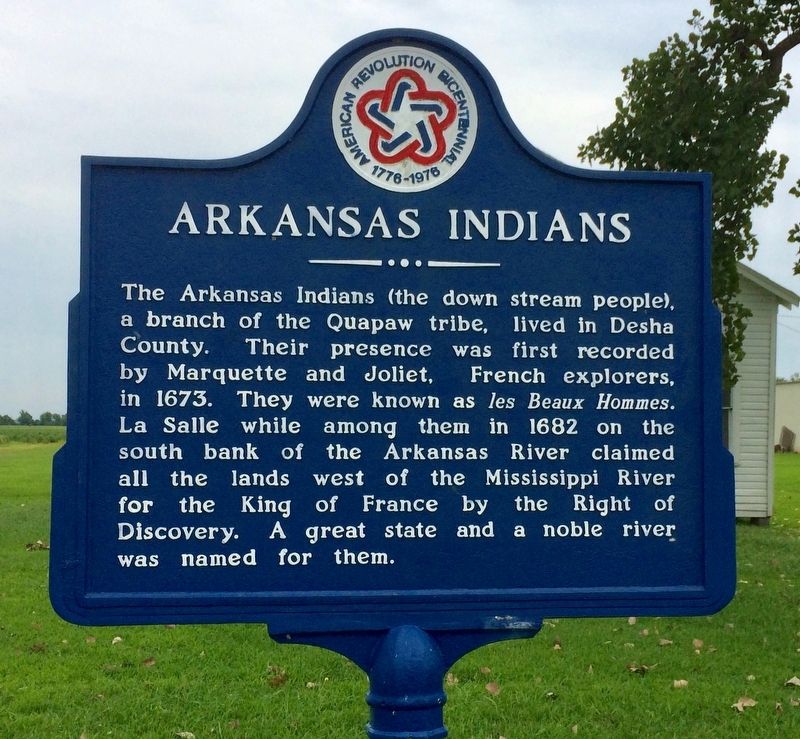
1. Arkansas Indians Marker
The Arkansas Indians (the down stream people), a branch of the Quapaw tribe, lived in Desha County. Their presence was first recorded by Marquette and Joliet, French explorers, in 1673. They were known as les Beaux Hommes. La Salle while among them in 1682 on the south bank of the Arkansas River claimed all the lands west of the Mississippi River for the King of France by the Right of Discovery. A great state and a noble river was named for them.
Erected 1976 by the Desha County Historical Society.
Topics and series. This historical marker is listed in these topic lists: Exploration • Indigenous Peoples and Communities • Waterways & Vessels. In addition, it is included in the The Spirit of ’76, America’s Bicentennial Celebration series list. A significant historical year for this entry is 1673.
Location. 33° 52.945′ N, 91° 27.983′ W. Marker is in Dumas, Arkansas, in Desha County. It is on Pickens Street (U.S. 165) east of Jack Dante Drive, on the right when traveling east. Located at the Desha County Museum. Touch for map. Marker is at or near this postal address: 264 US-165, Dumas AR 71639, United States of
this page online

Regionally, this marker is in the Arkansas Delta, in the Mississippi Alluvial Plain, and in the Quapaw Homeland. It is also in the American South, specifically in the Deep South, in the Upper South, in the Mississippi Delta, in the Piney Woods, and in the Great River Road Region. Globally, it is in North America, the Western Hemisphere, the Western World, and the Anglosphere. Historically, it finds itself in what was once the Viceroyalty of New France, the territory of the Mississippian Culture, the Louisiana Purchase, one of the Confederate States of America, and the Antebellum South.
Other nearby markers. At least 8 other markers are within 12 miles of this marker, measured as the crow flies: The American Era (approx. 11½ miles away); Republican France (approx. 11½ miles away); American Townsite (approx. 11.6 miles away); The Post under Spain (approx. 11.6 miles away); The French Period (approx. 11.6 miles away); Stone from Ruins of Old Bank (approx. 11.6 miles away); First Post of Arkansas (approx. 11.6 miles away); The European Settlement (approx. 11.6 miles away).
Also see . . .
1. Marquette-Joliet Expedition.
Photographed by Mark Hilton, August 26, 2017
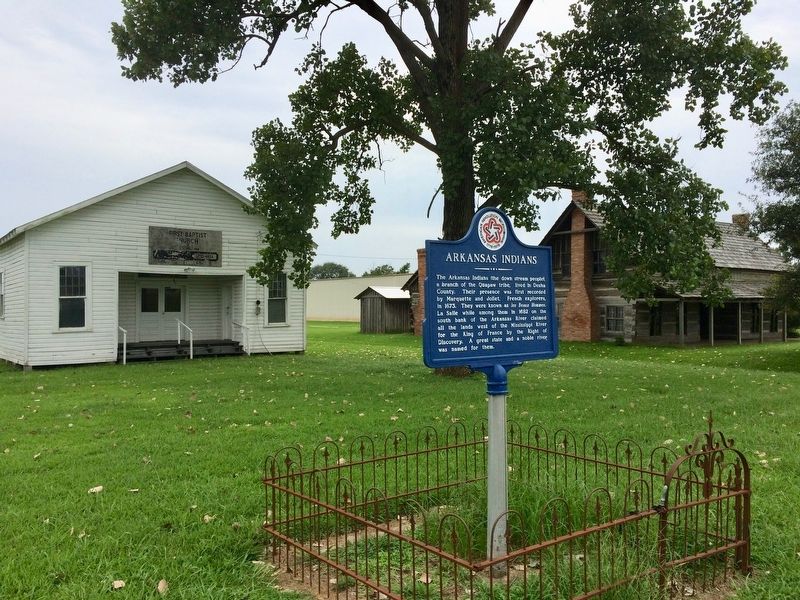
2. Arkansas Indians marker at Desha County Museum.
2. Quapaw Indians. Encyclopedia of Arkansas entry (Submitted on September 1, 2017, by Mark Hilton of Montgomery, Alabama.)
Photographed by Mark Hilton, August 26, 2017
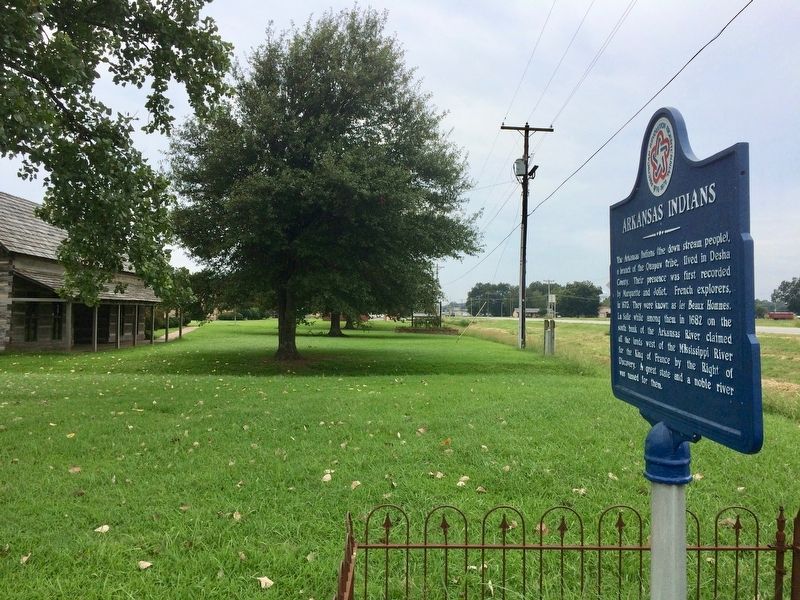
3. View of marker looking west on US-165 (AR-54).
Public domain
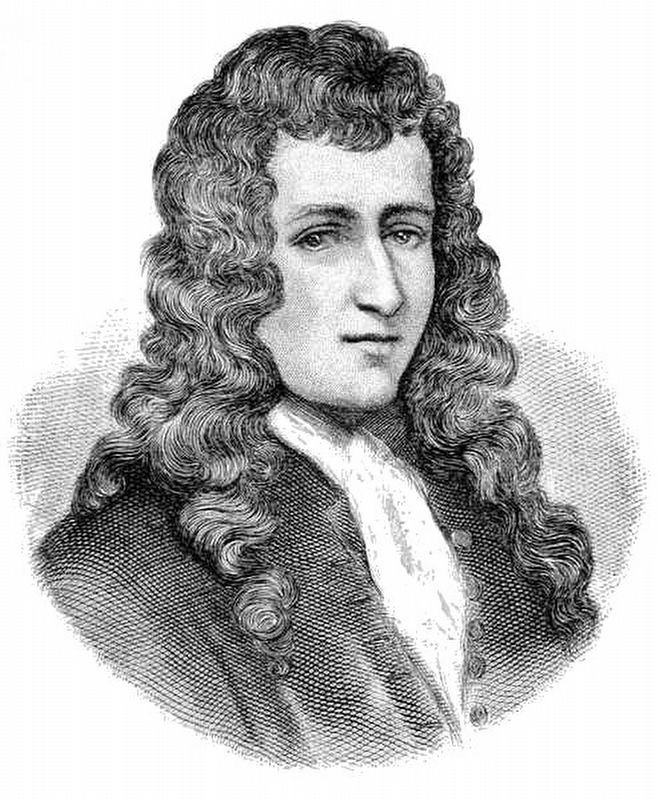
4. French Explorer René-Robert Cavelier, Sieur de La Salle
Credits. This page was last revised on March 14, 2021. It was originally submitted on September 1, 2017, by Mark Hilton of Montgomery, Alabama. This page has been viewed 1,009 times since then and 67 times this year. Photos: 1, 2, 3, 4. submitted on September 1, 2017, by Mark Hilton of Montgomery, Alabama.
