Midtown in Nashville in Davidson County, Tennessee — The American South (East South Central)
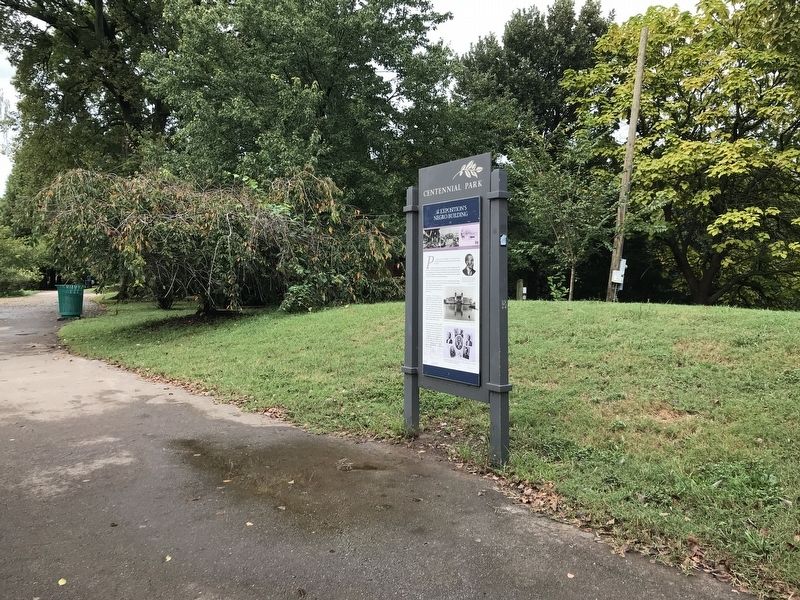
The Exposition's Negro Building
Photographed by Duane and Tracy Marsteller, September 18, 2021
1. The Exposition's Negro Building Marker
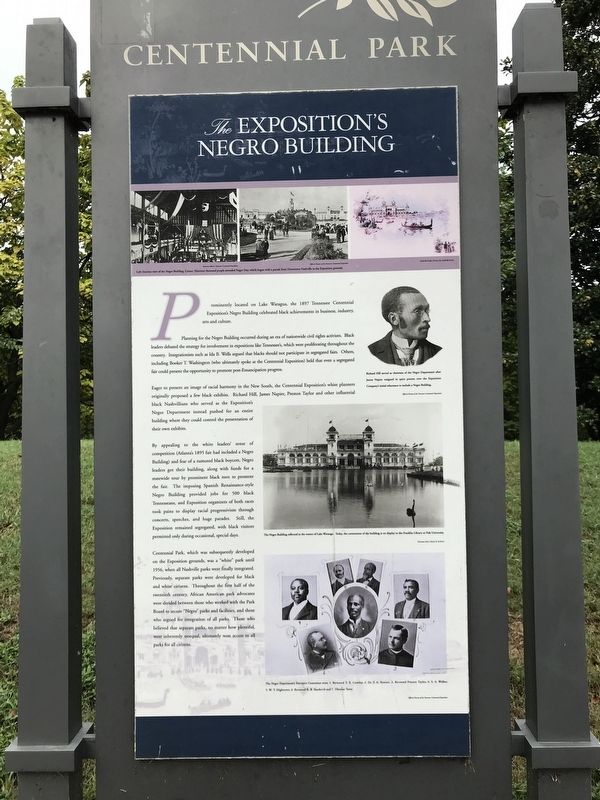
Planning for the Negro Building occurred during an era of nationwide civil rights activism. Black leaders debated the strategy for involvement in expositions like Tennessee's, which were proliferating throughout the country. Integrationists such as Ida B. Wells argued that blacks should not participate in segregated fairs. Others, including Booker T. Washington (who ultimately spoke at the Centennial Exposition) held that even a segregated fair could present the opportunity to promote post-Emancipation progress.
Eager to present an image of racial harmony in the New South, the Centennial Exposition's white planners originally proposed a few black exhibits. Richard Hill, James Napier, Preston Taylor and other influential black Nashvillians who served as the Exposition's Negro Department instead pushed for an entire building where they could control the presentation of their own exhibits.
By appealing to the white leaders' sense of competition (Atlanta's 1895
this page online
Centennial Park, which was subsequently developed on the Exposition grounds, was a “white” park until 1956, when all Nashville parks were finally integrated. Previously, separate parks were developed for black and white citizens. Throughout the first half of the twentieth century, African American park advocates were divided between those who worked with the Park Board to secure “Negro” parks and facilities, and those who argued for integration of all parks. Those who believed that separate parks, no matter how plentiful, were inherently unequal, ultimately won access to all parks for all citizens.
Captions
(Top) Left:
Photographed by Duane and Tracy Marsteller, September 18, 2021
2. The Exposition's Negro Building Marker detail
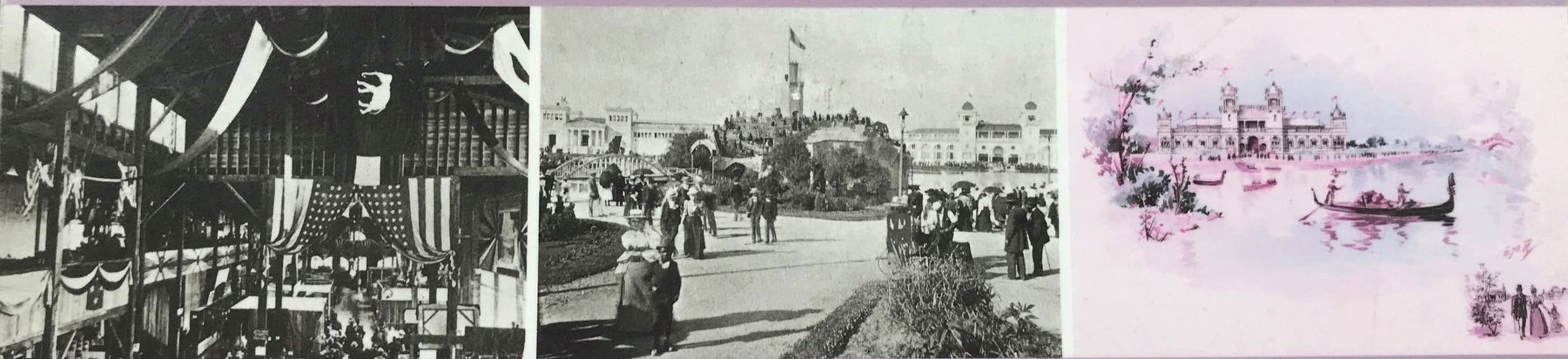
Left: The Negro Building's interior. Center: Negro Day attracted more than 19,000 people. Right: An artist rendering of the Negro Building and Lake Watauga.
(Right column, top to bottom)
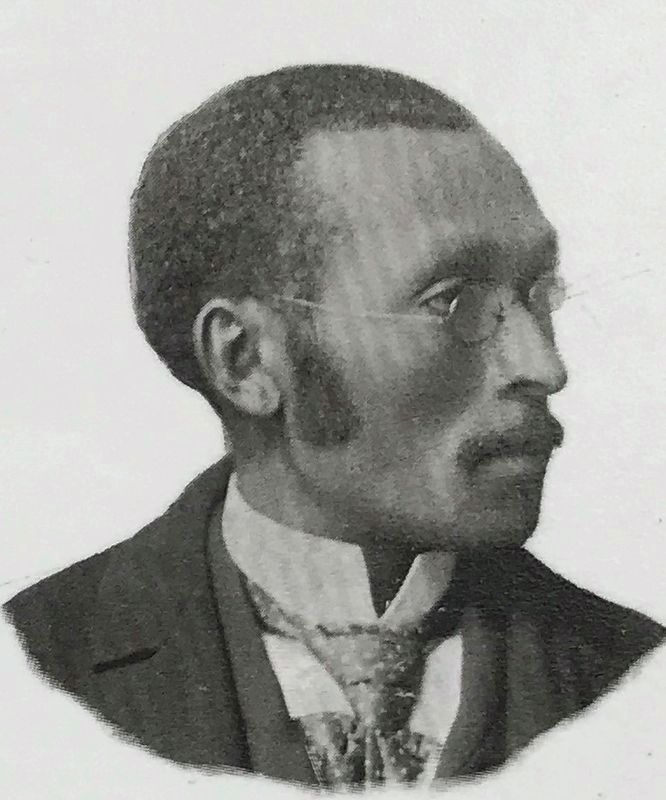
• Richard Hill served as chairman of the Negro Department after James Napier resigned in quiet protest over the Exposition Company's initial reluctance to include a Negro Building. Official History of the Tennessee Centennial Exposition
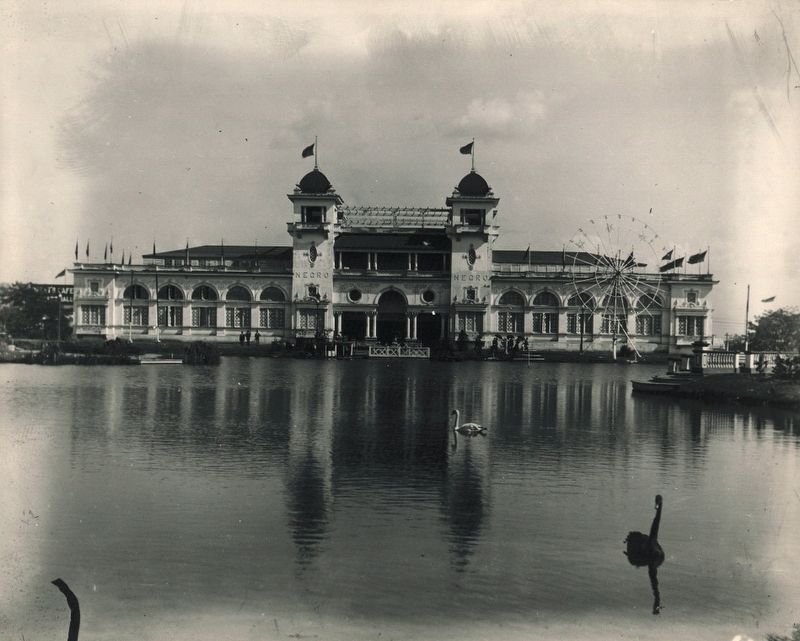
• The Negro Building reflected in the waters of Lake Watauga. Today, the cornerstone of the building is on display in the Franklin Library at Fisk University. Tennessee State Library & Archives
• The Negro Department's Executive Committee were: 1. Reverend T. E Crawley, 2. Dr. E A. Stewart, 3. Reverend Preston Taylor, 4. S. A. Walker, 5. W. T Hightower, 6. Reverend R. B. Vandervil and 7. Thomas Tyree. Official History of the Tennessee Centennial Exposition
Topics. This historical marker is listed in these topic lists: African Americans
Photographed by Duane and Tracy Marsteller, September 18, 2021
3. The Exposition's Negro Building Marker detail
Richard Hill succeed James Napier as chairman of the Exposition's Negro Department after Napier's resignation.
Location. 36° 9.065′ N, 86° 48.737′ W. Marker is in Nashville, Tennessee, in Davidson County. It is in Midtown. It can be reached from 26th Avenue South, on the right when traveling west. Marker is on the Lake Watauga Loop Trail in Centennial Park. Touch for map. Marker is at or near this postal address: 276 25th Ave N, Nashville TN 37203, United States of America. Touch for directions.

Regionally, this marker is in Middle Tennessee. It is also in the American South and specifically in the Upper South. Globally, it is in North America, the Western Hemisphere, the Western World, and the Anglosphere. Historically, it finds itself in what was once the territory of the Mississippian Culture, one of the Confederate States of America, and the Antebellum South.
Other nearby markers. At least 8 other markers are within walking distance of this marker: Major Wilbur Fisk Foster (within shouting distance of this marker); The Exposition Ends, Centennial Park Begins (within shouting distance of this marker); Nineteenth Amendment To The United States Constitution
via Tennessee State Library & Archives
4. The Exposition's Negro Building Marker detail (original)
The Negro Building with Lake Watauga in front.
Related markers. Click here for a list of markers that are related to this marker.
Also see . . . Tennessee Centennial Exposition: The African American Community (PDF). Overview by Reavis L. Mitchell, Jr. as part of the 1997 Nashville Conference on Afro-American Culture and History. (Submitted on September 19, 2021, by Duane and Tracy Marsteller of Murfreesboro, Tennessee.)
Photographed by Duane and Tracy Marsteller, September 18, 2021
5. The Exposition's Negro Building Marker
Credits. This page was last revised on August 13, 2025. It was originally submitted on September 19, 2021, by Duane and Tracy Marsteller of Murfreesboro, Tennessee. This page has been viewed 2,544 times since then and 202 times this year. Photos: 1, 2, 3, 4, 5. submitted on September 19, 2021, by Duane and Tracy Marsteller of Murfreesboro, Tennessee.
