
Near Bridgetown in Annapolis County, Nova Scotia — The Atlantic Provinces (North America)
Bloody Creek
Photographed by David Graff, May 2, 2022
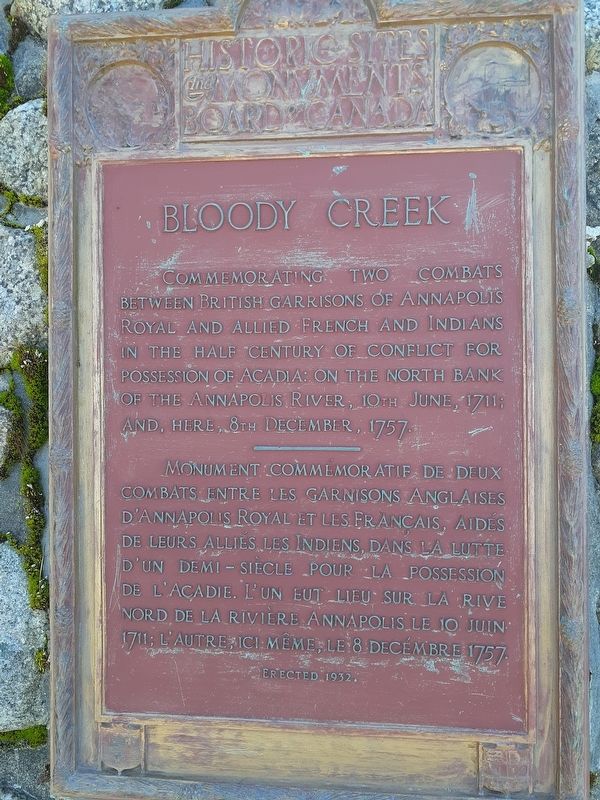
1. Bloody Creek Marker
Monument commémoratif de deux combats entre les garnisons Anglaises d'Annapolis Royal et les Français, aides del leurs alliés les Indiens dans la lutte d'un demi-siècle pour la possession de l'Acadie. L'un eut lieu sur la rive nord de la rivière Annapolis, le 10 juin 1711; l'autre ici, le 8 décembre 1757.
Erected 1932 by Historic Sites and Monuments Board of Canada.
Topics and series. This historical marker is listed in these topic lists: Colonial Era • Indigenous Peoples and Communities • Wars, Non-US. In addition, it is included in the Canada, Historic Sites and Monuments Board series list. A significant historical date for this entry is June 10, 1711.
Location. 44° 49.344′ N, 65° 18.582′ W. Marker is near Bridgetown, Nova Scotia, in Annapolis County. It is on County Route 201 0.8 kilometers west of Rice Road, on the left when traveling west. There is a pulloff on the road
this page online

Regionally, this marker is on Nova Scotia’s Evangeline Trail. It is also in the Maritimes and in Atlantic Canada. Globally, it is in the North Atlantic Region, North America, the Western Hemisphere, the Western World, and the Anglosphere. Historically, it finds itself in what was once a British colony, the Viceroyalty of New France, and Acadia.
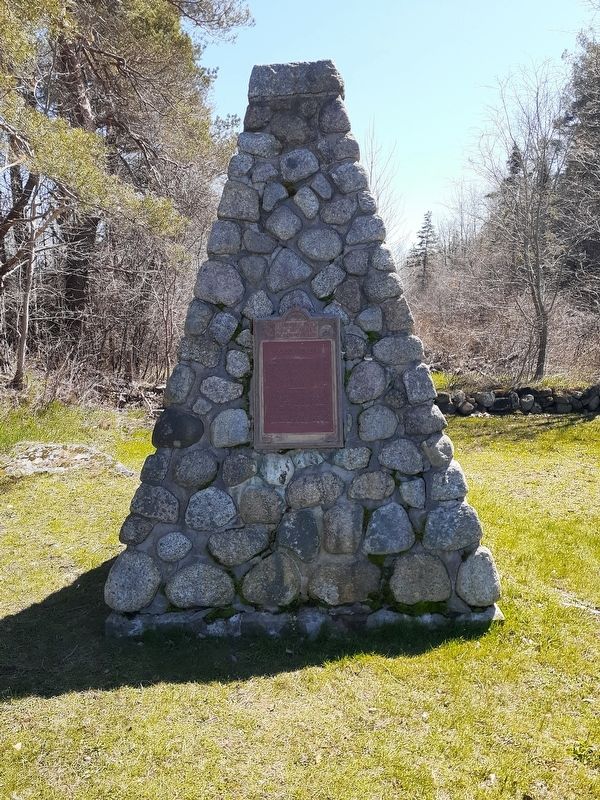
More about this marker. The marker consists of a wooden plaque mounted on a stone cairn or pyramid. The location is designated as a National Historic Site.
Also see . . . Bloody Creek National Historic Site of Canada. This page provides a detailed description of the battles that occurred here in 1711 and 1757.
Excerpt: Bloody Creek was designated a national historic site of Canada in 1930. It is designated because: it commemorates the two combats between(Submitted on May 2, 2022, by David Graff of Halifax, Nova Scotia.)British garrisons of Annapolis Royal and allied French and Aboriginal peoples in the half century of conflict for possession of Acadia.Photographed by David Graff, May 2, 20222. Bloody Creek Marker Cairn
Photographed by David Graff, May 2, 2022
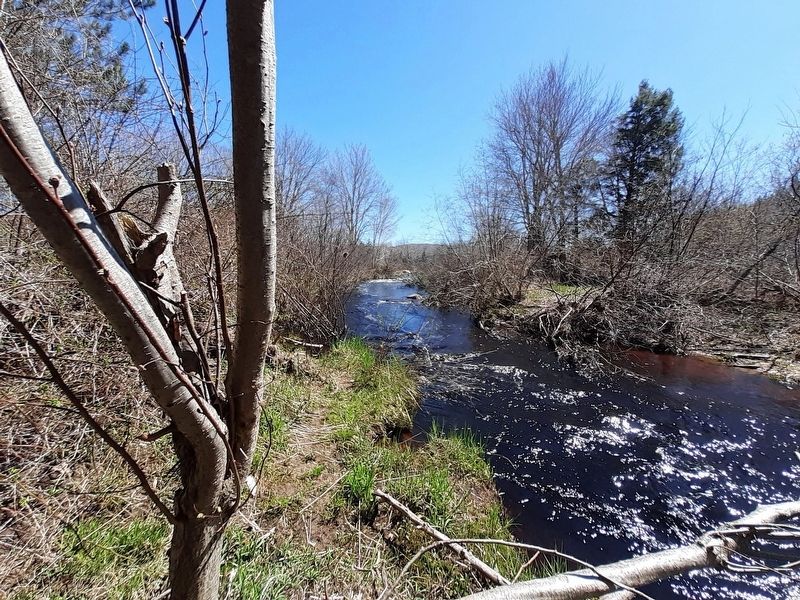
3. Bloody Creek
Looking upsteam beside Bloody Creek from a trail near the monument.
Photographed by David Graff, May 2, 2022
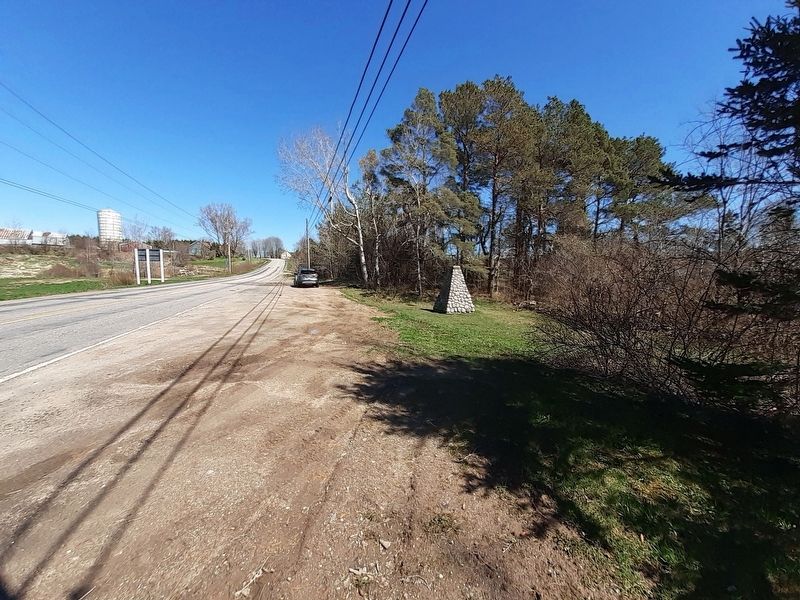
4. Bloody Creek National Historic Site
Showing the pulloff and the small green space.
Credits. This page was last revised on March 13, 2025. It was originally submitted on May 2, 2022, by David Graff of Halifax, Nova Scotia. This page has been viewed 786 times since then and 77 times this year. Photos: 1, 2, 3, 4. submitted on May 2, 2022, by David Graff of Halifax, Nova Scotia.
