Kingston, Ontario — Central Canada (North America)
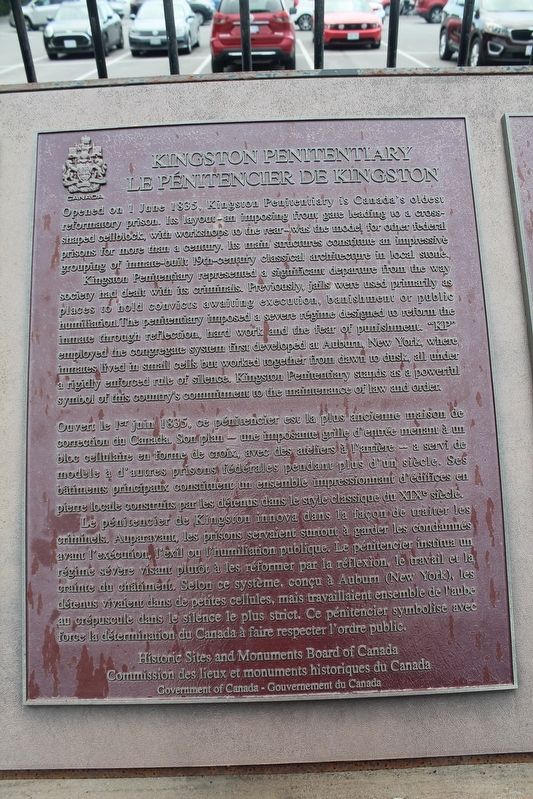
Kingston Penitentiary
⎯⎯⎯
Le Penitencier de Kingston
Photographed by Robert Rusaw, August 29, 2022
1. Kingston Penitentiary Marker

this page online
Erected by Historic Sites and Monuments Board of Canada.
Topics and series. This historical marker is listed in this topic list: Law Enforcement. In addition, it is included in the Canada, Historic Sites and Monuments Board series list. A significant historical date for this entry is June 1, 1835.
Location. 44° 13.265′ N, 76° 30.739′ W. Marker is in Kingston, Ontario. It is on King Street West close to Sir John A Macdonald Blvd, on the right when traveling east. Touch for map. Marker is in this post office area: Kingston ON K7L 2X8, Canada. Touch for directions.

Regionally, this marker is in Eastern Ontario and specifically in Southeastern Ontario. It is also in Central Canada. Globally, it is in North America, on the Great Lakes, in the Western Hemisphere, in the Western World, and in the Anglosphere. Historically, it finds itself in what was once
Photographed by Robert Rusaw, August 29, 2022
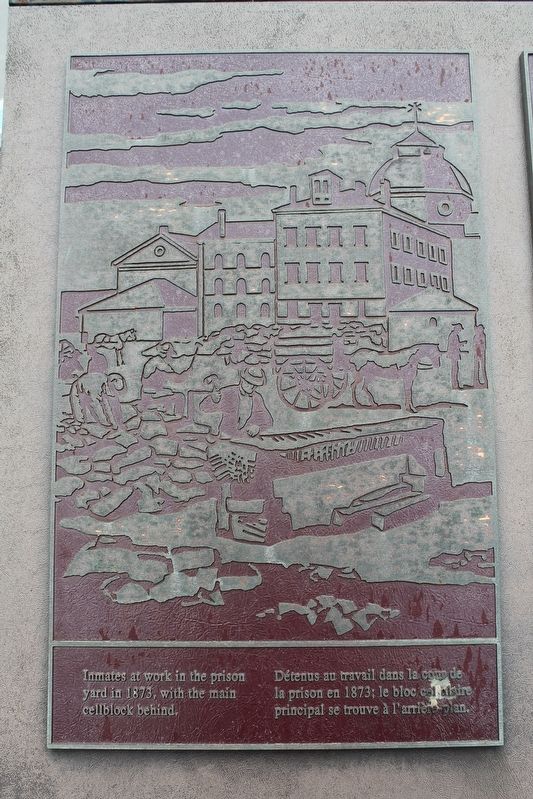
2. Kingston Penitentiary / Le Penitencier de Kingston Marker
Other nearby markers. At least 8 other markers are within walking distance of this marker: 1976 Olympic Cairn (approx. half a kilometer away); Roselawn / La Maison Roselawn (approx. half a kilometer away); Donald Gordon Centre / Le Centre Donald Gordon (approx. half a kilometer away); Bellevue House / Villa Bellevue (approx. 0.7 kilometers away); The Coach House / La Remise (approx. 0.7 kilometers away); Professors' Walk (approx. 1.4 kilometers away); Queen's University's Royal Charter (approx. 1.5 kilometers away); University Avenue Beautification (approx. 1.5 kilometers away). Touch for a list and map of all markers in Kingston.
More about this marker. Kingston is independent from the surrounding Frontenac County.
Photographed by Robert Rusaw, August 29, 2022
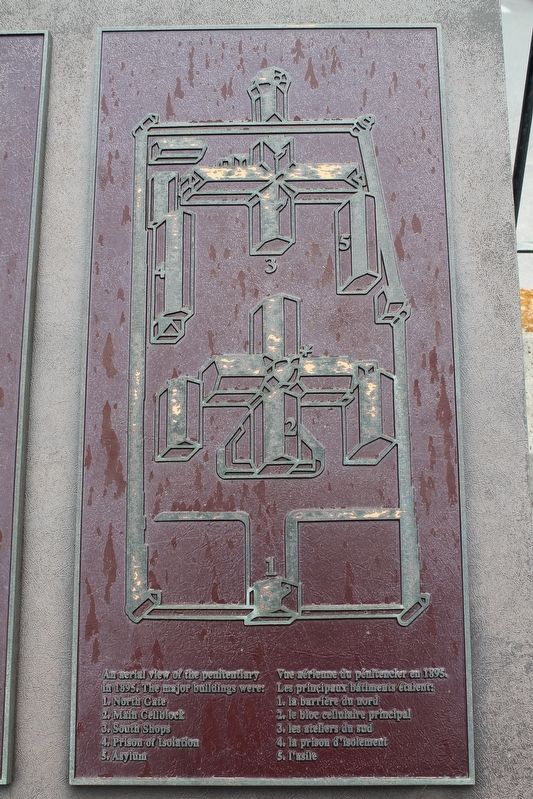
3. Kingston Penitentiary / Le Penitencier de Kingston Marker
Photographed by Robert Rusaw, August 29, 2022
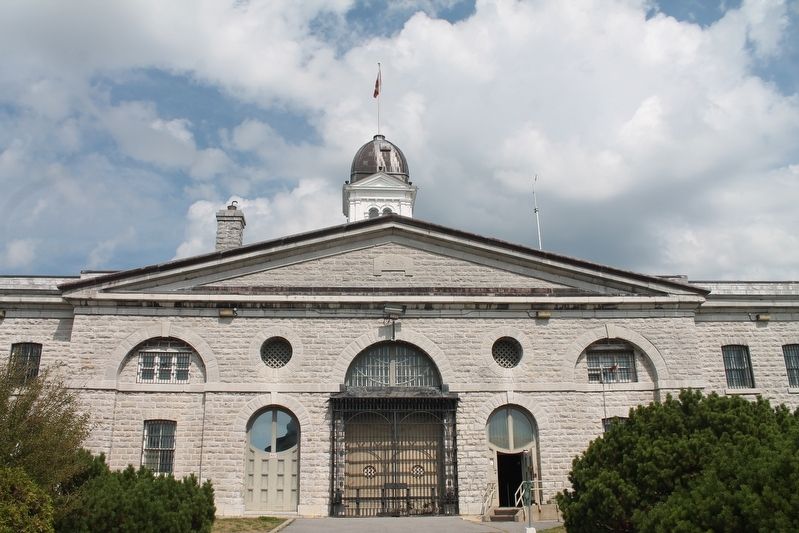
4. Kingston Penitentiary / Le Penitencier de Kingston Marker
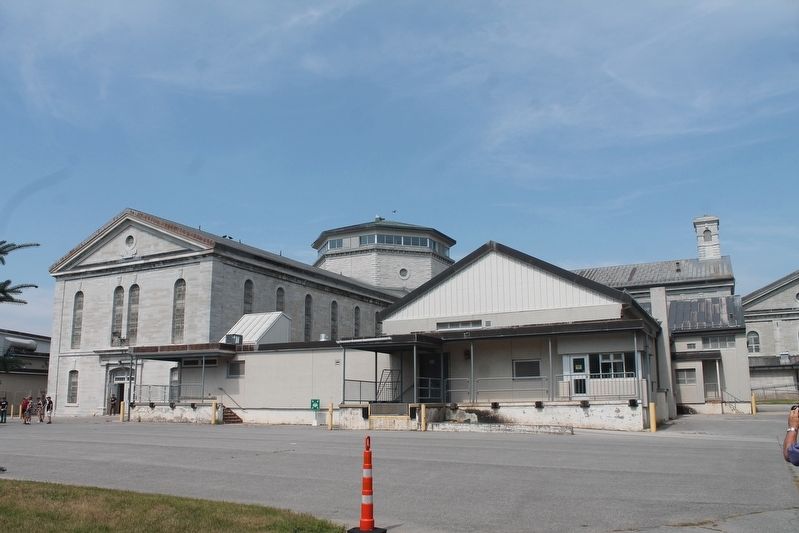
Photographed by Robert Rusaw, August 29, 2022
5. Kingston Penitentiary / Le Penitencier de Kingston Marker
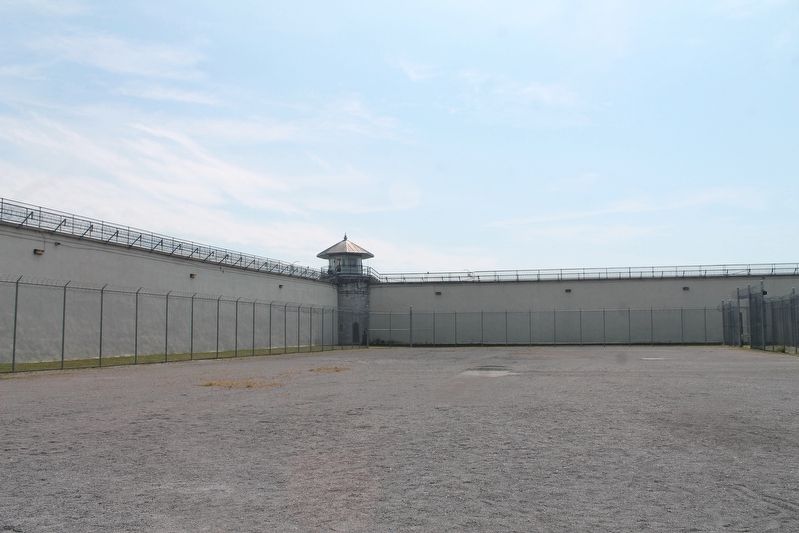
Photographed by Robert Rusaw, August 29, 2022
6. Kingston Penitentiary / Le Penitencier de Kingston Marker
Credits. This page was last revised on March 27, 2024. It was originally submitted on August 30, 2022, by Robert Rusaw of Massena, New York. This page has been viewed 359 times since then and 68 times this year. Photos: 1, 2, 3, 4, 5, 6. submitted on August 30, 2022, by Robert Rusaw of Massena, New York. • Andrew Ruppenstein was the editor who published this page.
