
Tzintzuntzan, Michoacán, Mexico — The Pacific Coast (and Central Highlands)
Tzintzuntzan: Politics and Government
Photographed by J. Makali Bruton, December 2, 2022
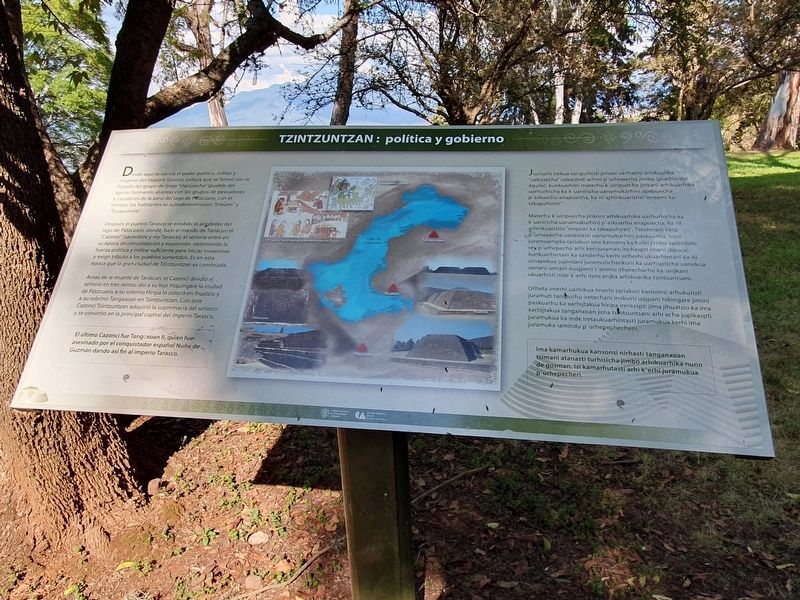
1. Tzintzuntzan: Politics and Government Marker

Desde aquí se ejercia el poder politico, military religioso del imperio Tarasco, cultura que se formó con la llegada del grupo de linaje "Uacusecha" (pueblo del águila) formando alianzas con los grupos de pescadores y cazadores de la zona del lago de Patzcuaro; con el tiempo, los habitantes se autodenominaron "Eneami"y Tzcapuhireti.
Después el pueblo Tarasco se estableció alrededor del lago de Pátzcuaro, donde, bajo el mando de Tariácuri el "Cazonci" (sacerdote y rey Tarasco), el señorío entró en su época de consolidación y expansión, obteniendo la fuerza política y militar suficiente para iniciar invasiones y exigir tributo a los pueblos sometidos. Es en esta época que la gran ciudad de Tzintzuntzan es construida.
Antes de la muerte de Tariácuri, el Cazonci dividió el señorío en tres reinos: dio a su hijo Hiquingare la ciudad de Pátzcuaro, a su sobrino Hiripa lo colocó en Ihuatzio y a su sobrino Tangaxoan en Tzintzuntzan. Con este Cazonci Tzintzuntzan adquirió la supremacía del señorío y se convirtió en la principal capital del imperio Tarasco.
El último Cazonci fue Tangaxoan II, quien fue asesinado por el conquistador español Nuño de Guzmán dando así fin al imperio Tarasco.
Jucharhi irekua tangurhisti Jimani uerhatini arhikualika "uakusecha" uekasindi arhini p'urhepecha jimbo (pueblo del águila), kunkuarhini materhu k'uiripuecha jinkani arhikuarhika uarhurhicha ka k'uaniricha uanamukarhini apapuecha p´askuarhu anapuecha, ka isi arhirikuaristisi "eneaml ka tzkapuhireti".
Materhu k'uiripuecha jinkoni arhikuarhika uarhurhicha ka k'uaniricha uanamukurhini p'askuarhu anapuecha, ka isi arhirikuaristisi "eneami ka tzkapuhireti". Tatsemani ireta p urhepecha uaxastasti uanamukurhini paskuarhu, nani juramuampka tariakuri ima kansons ka turisï jimbo sacerdote rey p´urhepecha arhi keri-juramati inchaspti imani (época) kunkuarhintani ka sanderhu kerhi echerhi ukuarhintani ka isi uinapekua jupintani juramutichankuni ka uarhipiticha uanekua uenani uenani euajpeni t'animu irhetecharhu ka ianjkani ukuarhisti inde k´erhi ireta enjka arhikuarika tsintsuntsani.
Orheta imerhi uarhikua imerhi tariakuri kansonsi arhukuristi juramuti taniburhu iretechani inskusti uajpani hikingare jimini paskuarhu ka xarhijtakua hiripa irerasspti jima jihuatsio ka ima xarhijtakua tanganxoan jima tsintsuntsani arhi acha jupikaspti juramukua ka inde iretaukuarhintasti juramukua kerhi ima juramuka iamindu p'urhepechechani.
Ima kamarhukua kansonsi nirhasti tanganxoan tsimani atanasti turhisïcha jimbo arhikuarhika nuno de gusman. Isi kamarhutasti arhi k´erhi juramukua p'urhepecheri.
Tzintzuntzan: politics and government
From here the political, military-religious power of the Tarascan empire was exercised, a culture that was formed with the arrival of the lineage group "Uacusecha" (people of the eagle) forming alliances with the groups of fishermen and hunters of the area of Lake Patzcuaro; over time, the inhabitants called themselves "Eneami" and Tzcapuhireti.
After the Tarasco people settled around Lake Patzcuaro, where, under the command of Tariácuri el "Cazonci" (priest and king Tarascan), the lordship entered its era of consolidation and expansion, obtaining sufficient political and military strength to initiate invasions and demand tribute from the subject peoples. It is at this time that the great city of Tzintzuntzan is built.
Before the death of Tariácuri, the Cazonci divided the lordship into three kingdoms: he gave his son Hiquingare the city of Pátzcuaro, his nephew Hiripa was placed in Ihuatzio and his nephew Tangaxoan in Tzintzuntzan. With this Cazonci Tzintzuntzan acquired the supremacy of the lordship and became the main capital of the Tarascan empire.
The last Cazonci was Tangaxoan II, who was killed by the Spanish conquistador Nuño de Guzmán thus ending the Tarascan empire.
Erected by Instituto
this page online
Topics. This historical marker is listed in these topic lists: Colonial Era • Indigenous Peoples and Communities • Settlements & Settlers.
Location. 19° 37.473′ N, 101° 34.312′ W. Marker is in Tzintzuntzan, Michoacán. It can be reached from Avenida Las Yácatas, on the left when traveling west. The marker is on the grounds of the Tzintzuntzan Archeological Site. Touch for map. Marker is in this post office area: Tzintzuntzan MIC 58446, Mexico. Touch for directions.

Regionally, this marker is in Western Mexico, in the Bajío, and on the Pacific Coast. Globally, it is in North America, specifically in Mesoamerica, on the Ring of Fire, in the Pacific Rim, and in the Western Hemisphere. Historically, it finds itself in what was once New Spain, a Spanish colony, and the Aztec Empire.
Other nearby markers. At least 8 other markers are within walking distance of this marker: Tzintzuntzan: Space and Distribution (within shouting distance of this marker); Architecture of Farmers and Petroglyphs of Hunters (within shouting distance of this
Photographed by J. Makali Bruton, December 2, 2022
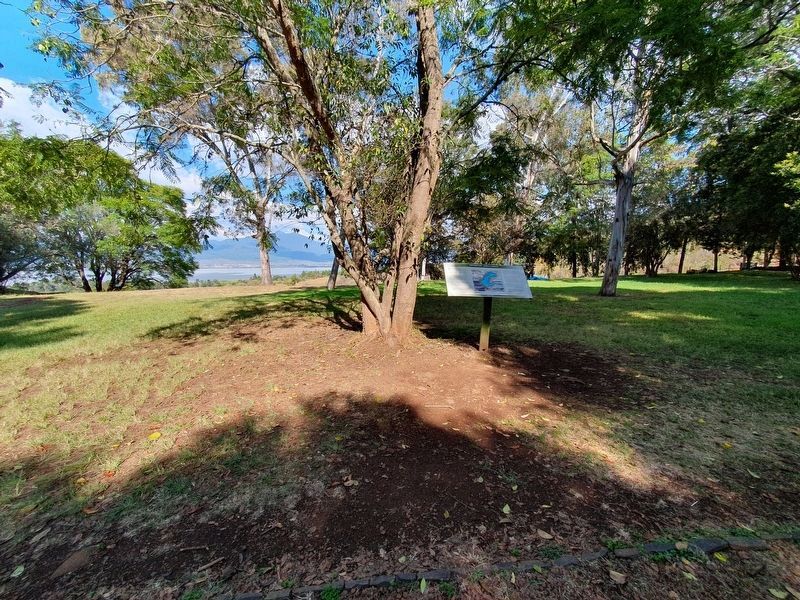
2. Tzintzuntzan: Politics and Government Marker
Credits. This page was last revised on April 4, 2025. It was originally submitted on March 17, 2023, by J. Makali Bruton of Washington, District of Columbia. This page has been viewed 153 times since then and 14 times this year. Photos: 1, 2. submitted on March 17, 2023, by J. Makali Bruton of Washington, District of Columbia.
