Near McConnells in York County, South Carolina — The American South (South Atlantic)
Brattonsville
Photographed by Michael Sean Nix, November 14, 2009
1. Brattonsville Marker
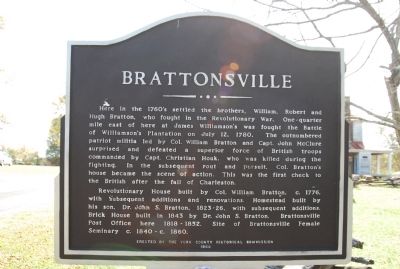
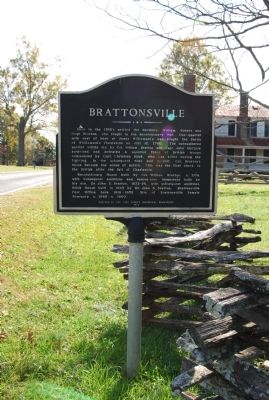
Here in the 1760's settled the brothers, William, Robert, and Hugh Bratton, who fought in the Revolutionary War. One-quarter mile east of here at James Williamson's was fought the Battle of Williamson's Plantation on July 12, 1780. The outnumbered patriot militia led by Col. William Bratton and Capt. John McClure surprised and defeated a superior force of British troops commanded by Capt. Christian Houk, who was killed during the fighting. In the subsequent rout and pursuit, Col. Bratton's house became the scene of action. This was the first check to the British after the fall of Charleston.
Revolutionary House built in by Col. William Bratton, c. 1776, with subsequent additions and renovations. Homestead built by his son, Dr. John S. Bratton, 1823-26, with subsequent additions. Brick House built in 1843 by Dr. John S. Bratton. Brattonsville Post Office here 1818-1852. Site of Brattonsville Female Seminary c. 1840 - c. 1860.
Erected 1960 by York County Historical Commission.
Topics. This historical marker is listed in these topic lists: Education • Notable Places • Settlements & Settlers •
this page online
Location. 34° 51.876′ N, 81° 10.53′ W. Marker is near McConnells, South Carolina, in York County. It is at the intersection of Brattonsville Road and Percival Road, on the right when traveling south on Brattonsville Road. Touch for map. Marker is at or near this postal address: 1444 Brattonsville Rd, Mc Connells SC 29726, United States of America. Touch for directions.

Regionally, this marker is in the Midlands and in the Olde English District. It is also in the American South and specifically in the Deep South. Globally, it is in North America, the Western Hemisphere, the Western World, and the Anglosphere. Historically, it finds itself in what was once the original Cherokee Nation, the territory of the Mississippian Culture, one of the original Thirteen Colonies, one of the Confederate States of America, and the Antebellum South.
Other nearby markers. At least 10 other markers are within walking distance of this marker: The Brattonsville Store (a few steps from this marker); Brick House / Lynching of Jim Williams (within shouting distance of this marker);
Photographed by Michael Sean Nix, November 14, 2009
2. Brattonsville Marker
Other markers no longer nearby. The Homestead (was within shouting distance of this marker but has been replaced with another marker now near it); Brick Kitchen (was about 300 feet away, measured in a direct line but has been replaced with another marker now near it); The Battle of Huck’s Defeat (was about 300 feet away but has been replaced with another marker now near it).
Also see . . .
1. Brattonsville Website. Experience living history, including the African American story, at this 775-acre Revolutionary War site. (Submitted on November 14, 2009, by Michael Sean Nix of Spartanburg, South Carolina.)
2. Historic Brattonsville. Historic Brattonsville is a 775-acre American Revolution living history site and is a member of the Culture & Heritage Museums of York County, South Carolina. (Submitted on November 14, 2009, by Michael Sean Nix of Spartanburg, South Carolina.)
3. National Register Properties in South Carolina - Brattonsville. Brattonsville is a small but important area of York County significant for its architectural record of South Carolina development. (Submitted on November 16, 2009, by Mike Stroud of Bluffton, South Carolina.)
4. Battle of Williamson's Plantation (Huck's Defeat). Huck’s Defeat or the Battle of Williamson's Plantation was an engagement of the American
Photographed by Michael Sean Nix, November 14, 2009
3. Bratton House
5. The Battle of Williamson's Plantation (Huck's Defeat). The Battle of Huck's Defeat was a significant turning point for the back country during the American Revolution. (Submitted on January 10, 2010, by Brian Scott of Anderson, South Carolina.)
Additional commentary.
1. Bratton House
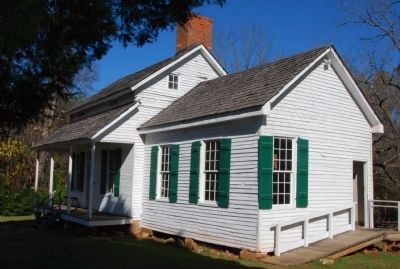
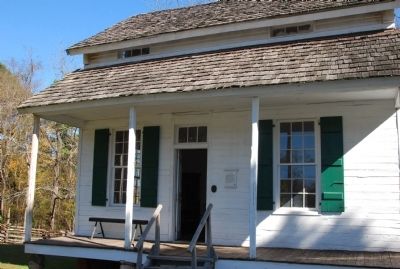
The original log house had one room downstairs and one upstairs. The Brattons had eight children, farmed, owned slaves, and were members in the Presbyterian Church. William served as Colonel in the militia during the Revolutionary War and fought at the Battle of Huck's Defeat. He also served as a local judge, district sheriff, and state legislator. Taking advantage of the home's location at the junction of several important roads, the family opened a tavern here in 1786. The main house is now furnished as a tavern where folks might find a hearty meal and lodging. In 1839, William's
Photographed by Michael Sean Nix, November 14, 2009
4. Bratton House
— Submitted November 14, 2009, by Michael Sean Nix of Spartanburg, South Carolina.
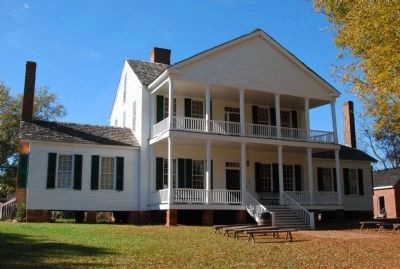
2. The Homestead
Built between 1823 and 1826 as home to John and Harriet Bratton. A wealthy and influential family, their home and possessions reflected their high social prominence. The side wings and porch were later additions. The bricks used on site were made by slaves on the plantation. The house is now furnished to reflect 1840s taste and styles; many of the furnishings were crafted in the Carolina Piedmont and show a distinctive southern furniture heritage.
A gathering place for family and friends, the parlor was another expression of wealth. The furnishings, many Bratton family pieces, are
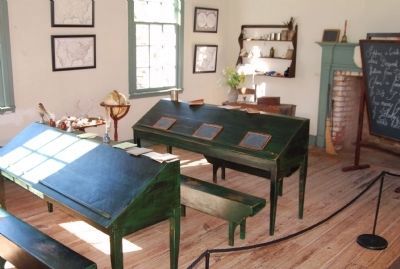
Photographed by Michael Sean Nix, November 14, 2009
5. Bratton House
Dr. John Simpson Bratton may have used a room in the house for his medical practice. Formal medical training was uncommon in the early 1800s and John Bratton likely apprenticed with a neighbor, Dr. James Simpson. Combining a knowledge of traditional remedies and current medical treatments, Bratton doctored people in the community, including slaves of local planters. His sons, John, Samuel and Rufus, also pursued medical careers and attended South Carolina Medical College in Charleston. Courtesy of Brattonsville Vistor's Guide
— Submitted November 14, 2009, by Michael Sean Nix of Spartanburg, South Carolina.
3. Brick House
Completed around 1845, the house served as a residence, store, and post office for many
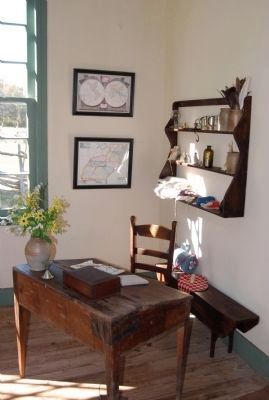
Photographed by Michael Sean Nix, November 14, 2009
6. Bratton House
— Submitted November 14, 2009, by Michael Sean Nix of Spartanburg, South Carolina.
4. Brattonsville
Scenes from the movie The Patriot were filmed at Brattonsville.
— Submitted November 14, 2009, by Michael Sean Nix of Spartanburg, South Carolina.
5. Brattonsville Historic District
Brattonsville Historic District includes three distinctive homes built by a prominent York County family, the Brattons, between 1776 and 1855. The two oldest buildings, greatly in need of repair, have been leased by the York County Historical Association which hopes to restore them as house museums. The third house is being privately renovated as the country home of a member of the South Carolina General Assembly.
(1) The Revolutionary House, built 1776 by Colonel William Bratton, was originally a one room log house with small porch centered by wooden door. Main room with large seven-foot fireplace (one of three in house) and enclosed stairway leading to room above. Side-wing and back room later added to original structure. Other innovations included clapboard over original logs, interior plaster and window panes.
(2) The Homestead, second house built at Brattonsville (c. 1830) was home of Dr. John S. Bratton. This stately, twelve room, 2 1/2 story ante-bellum mansion adheres to Greek prototypes. Entrance has recessed transom and sidelights flanked on both sides by a pair of shuttered windows. Large central window with transom and sidelights is on second level above main entrance,
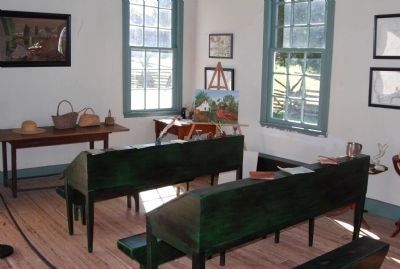
Photographed by Michael Sean Nix, November 14, 2009
7. Bratton House
(3) The Brick House, built 1855, has two-story brick facade with end chimneys, first floor porch and second floor portico supported by white stucco-over-brick columns, triangular pediment above second floor portico centered with half-round window, two-story wooden wing at back. Extremely thick Common Bond brick walls, original shutters assembled with pegs and hung on long hand-made hinges, most of original window glass intact. Brick section of house has one room on either side of central hallway above and below. Circular stairway in wooden wing leads to second floor. Adam mantels; wide-board, short-leaf heart pine floors; antique, rectangular iron locks.
Significance
Brattonsville is a small but important area of York County significant for its architectural record of South Carolina development and for its association with the
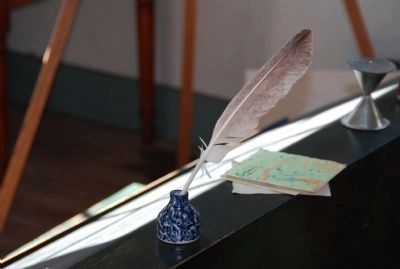
Photographed by Michael Sean Nix, November 14, 2009
8. Bratton House
Since completion of the Revolutionary House in 1776, Brattonsville has witnessed almost two centuries of South Carolina history. Battle of Williamson's Plantation (July 12, 1780), one of first victories of American militia over British Cavalry took place nearby when Colonel William Bratton, builder of the Revolutionary House, attacked several hundred Tories led by Captain Christian Huck. Forty Britishers, including Huck, were killed. On the evening before the battle, Tories came to the Revolutionary House threatening to kill Martha Bratton, Colonel William Bratton's wife, unless she revealed her husband's route. She refused, but her life was spared when another Britisher intervened.
The Homestead, built 1830 by Dr. John S. Bratton, was significant as center of an 8500 acre agricultural complex.
The Brick House, initially used as a private boarding school for girls and later as a Bratton residence, was built in 1855 and remains in excellent condition.
Brattonsville had considerable connection with the Confederate and Reconstruction history through Dr. James Rufus
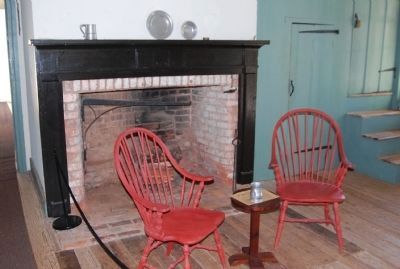
Photographed by Michael Sean Nix, November 14, 2009
9. Bratton House
Architecturally, the small rural area displays three distinct styles: the pioneer simplicity of the Revolutionary House; ante-bellum elegance with adherence to Greek prototypes in the Homestead (its columned double piazzas were later destroyed by tornado); and Georgian, with minor variations, in the Brick House. (Source: National Register nomination form.)
— Submitted January 10, 2010, by Brian Scott of Anderson, South Carolina.
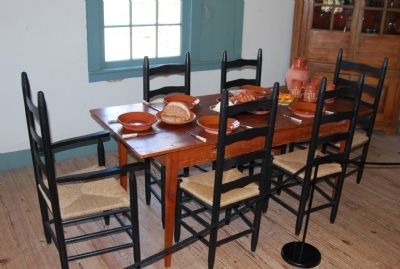
Photographed by Michael Sean Nix, November 14, 2009
10. Bratton House
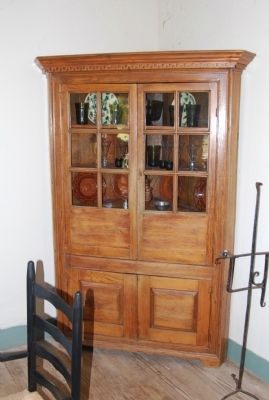
Photographed by Michael Sean Nix, November 14, 2009
11. Bratton House
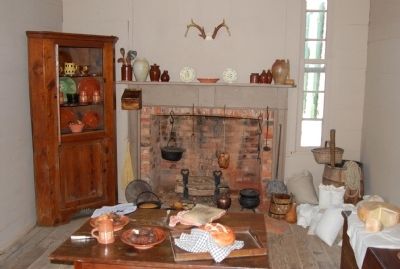
Photographed by Michael Sean Nix, November 14, 2009
12. Bratton House
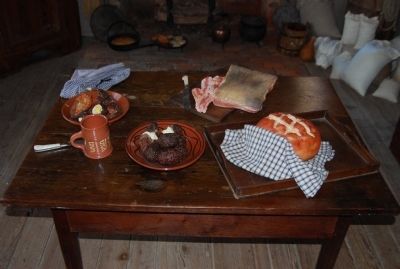
Photographed by Michael Sean Nix, November 14, 2009
13. Bratton House
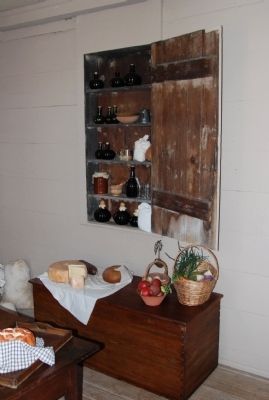
Photographed by Michael Sean Nix, November 14, 2009
14. Bratton House
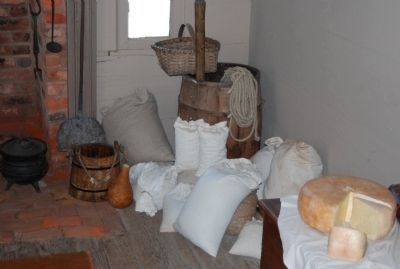
Photographed by Michael Sean Nix, November 14, 2009
15. Bratton House
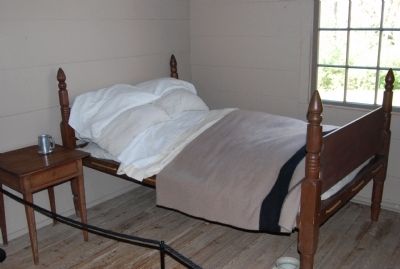
Photographed by Michael Sean Nix, November 14, 2009
16. Bratton House
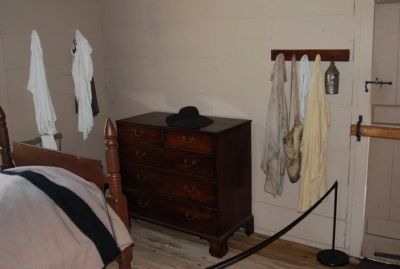
Photographed by Michael Sean Nix, November 14, 2009
17. Bratton House
Photographed by Michael Sean Nix, November 14, 2009
18. The Homestead
Built between 1823 and 1826 as home to John and Harriet Bratton.
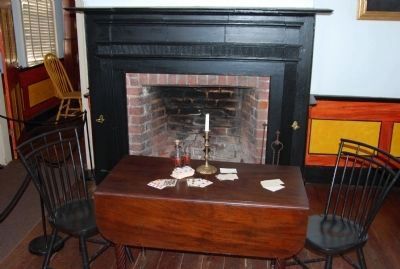
Photographed by Michael Sean Nix, November 14, 2009
19. The parlor fireplace in the Homestead
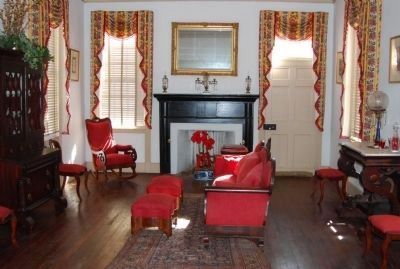
Photographed by Michael Sean Nix, November 14, 2009
20. The parlor in the Homestead
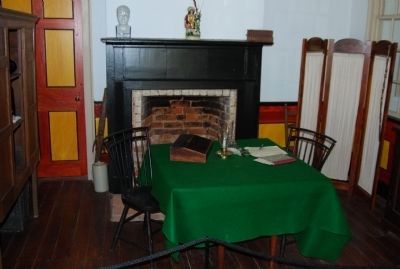
Photographed by Michael Sean Nix, November 14, 2009
21. Doctor's study in the Homestead
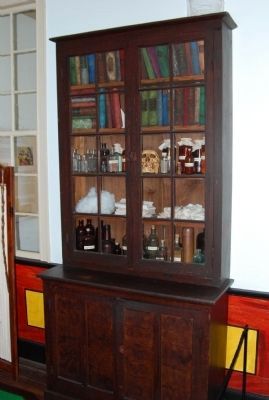
Photographed by Michael Sean Nix, November 14, 2009
22. In the Doctor's study of the Homestead
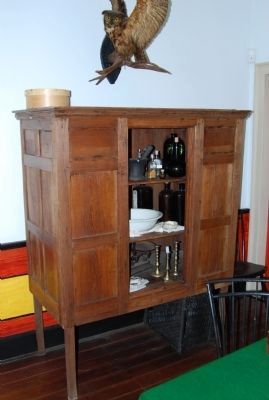
Photographed by Michael Sean Nix, November 14, 2009
23. More in the Doctor's study at the Homestead
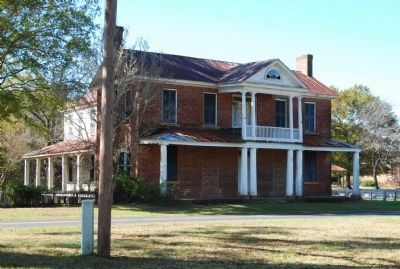
Photographed by Michael Sean Nix, November 14, 2009
24. Brick House
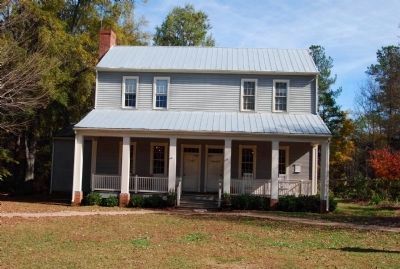
Photographed by Michael Sean Nix, November 14, 2009
25. Brattonsville Vistor Center
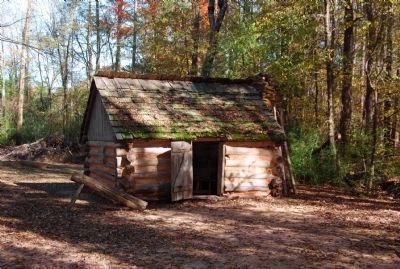
Photographed by Michael Sean Nix, November 14, 2009
26. Backwoods Cabin
Settlers traveled hundreds of miles to seek land, freedom and opportunity in the Carolina Backcountry. They brought the basic tools, clothing, supplies and livestock needed to survive, and found here a wealth of natural resources-hardwood trees, native fruits, wildlife and water. The first home, though likely crude and small like this one, gave shelter to a family. Furnishings were mostly handmade from natural materials. Precious items, such as a rifle, ironware and tools, were brought with them or obtained by selling deerskins or livestock.
Click for more information.
Click for more information.
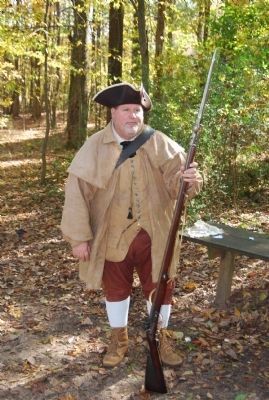
Photographed by Michael Sean Nix, November 14, 2009
27. Reenactor with musket and bayonet
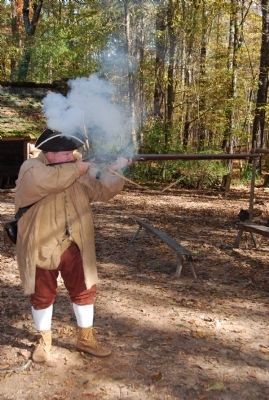
Photographed by Michael Sean Nix, November 14, 2009
28. Reenactor firing the musket.
Photographed by Michael Sean Nix, November 14, 2009
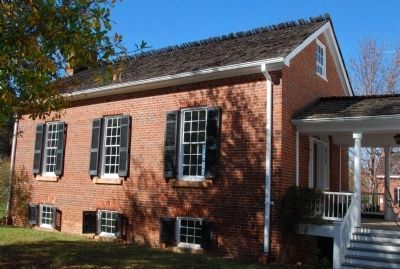
29. Dining Hall
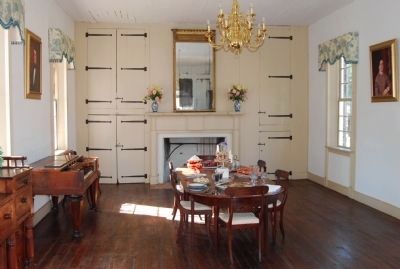
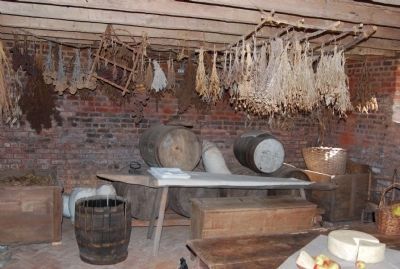
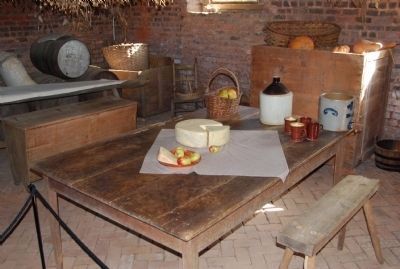
Built between 1828 and 1840. Used for formal dining, concerts, parties and dances. The basement was likely used for food preservation and storage, and as a work area.
Photographed by Michael Sean Nix, November 14, 2009
30. Dining Hall
Photographed by Michael Sean Nix, November 14, 2009
31. Dining Hall Basement
Photographed by Michael Sean Nix, November 14, 2009
32. Dining Hall Basement
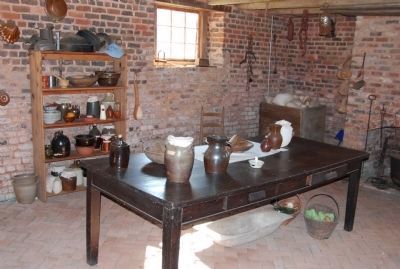
Photographed by Michael Sean Nix, November 14, 2009
33. Dining Hall Basement
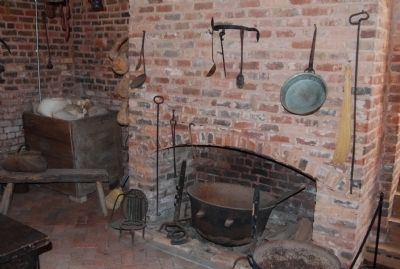
Photographed by Michael Sean Nix, November 14, 2009
34. Dining Hall Basement
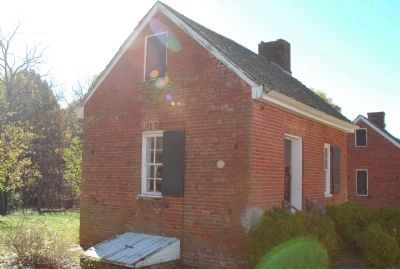
Photographed by Michael Sean Nix, November 14, 2009
35. Brick Dependency
The original use of the first floor is unknown; the basement possibly housed the dairy. This structure is original to the plantation.
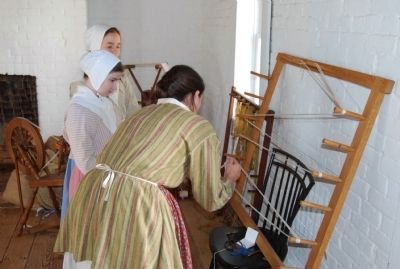
Photographed by Michael Sean Nix, November 14, 2009
36. Reenactor working with yarn
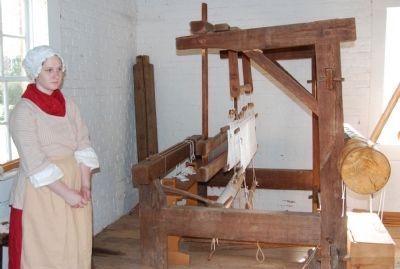
Photographed by Michael Sean Nix, November 14, 2009
37. Loom
Photographed by Michael Sean Nix, November 14, 2009
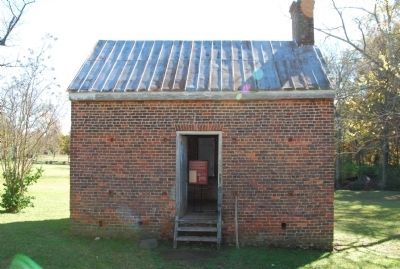
38. Slave House
One of the original brick structures on site.
Photographed by Michael Sean Nix, November 14, 2009
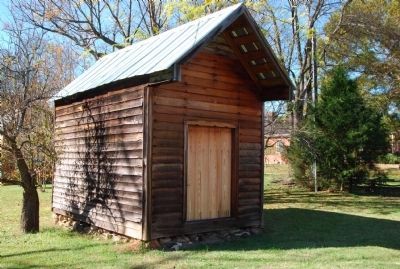
39. Smokehouse
Photographed by Michael Sean Nix, November 14, 2009
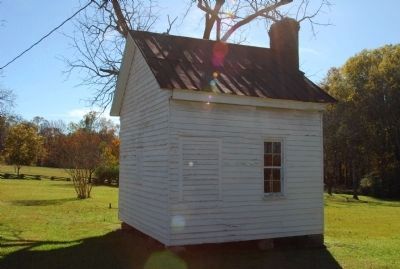
40. Dependency
Built in the 1800's, this frame building may have been a kitchen.
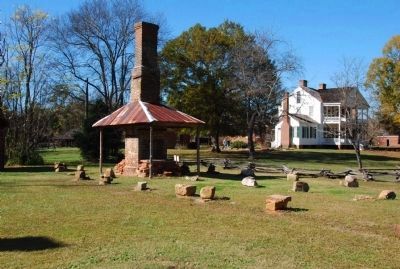
Photographed by Michael Sean Nix, November 14, 2009
41. Bratton Store Site
Around 1885, Napolean Bratton built a new store beside his home. The Bratton Store, in operation until about 1915, carried a variety of goods, sold mostly on credit to local residents. The building was destroyed by fire in January 2004.
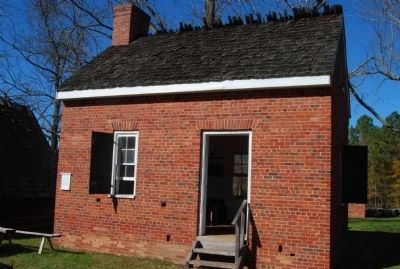
Photographed by Michael Sean Nix, November 14, 2009
42. Brick Kitchen
The center for food preparation for the family; Harriet Bratton may have supervised the planning and presentation of meals. Even as slaves, plantation cooks held a position of importance-serving fine food to guests heightened the family's social status and perhaps insured the cook a priviledged place among the plantation slaves. Outside, slaves cooked on open fires, dried and preserved foods, washed an dried clothes, and tended children.
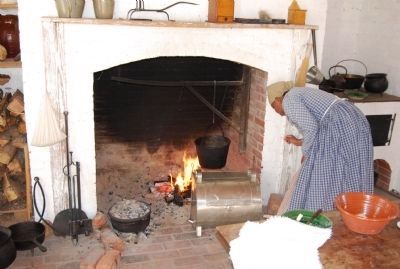
Photographed by Michael Sean Nix, November 14, 2009
43. Reenactor cooking in the kitchen
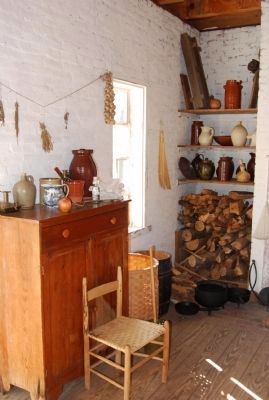
Photographed by Michael Sean Nix, November 14, 2009
44. Brick Kitchen
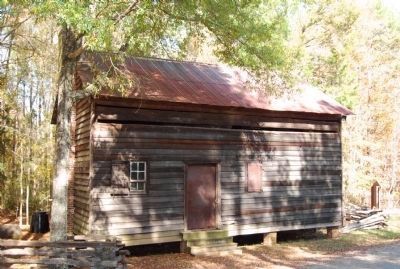
Photographed by Michael Sean Nix, November 14, 2009
45. McGill Store
A mid-1800s general store moved from the McGill Plantation.
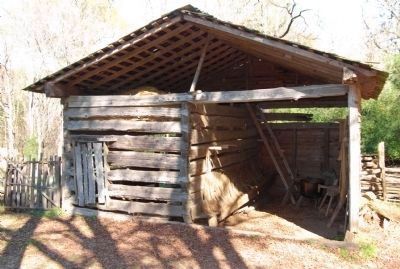
Photographed by Michael Sean Nix, November 14, 2009
46. Milk Barn
Moved from McGill Plantation in western York County. Dates mid-1800s.
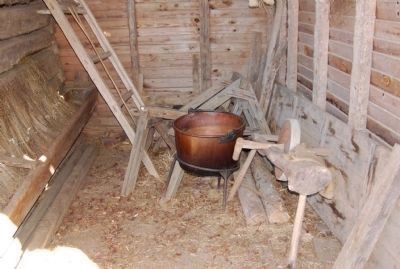
Photographed by Michael Sean Nix, November 14, 2009
47. Milk Barn
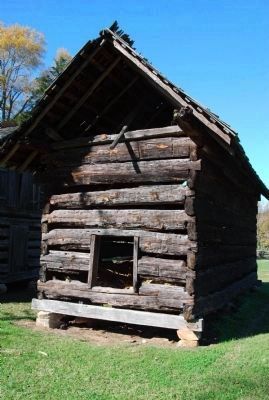
Photographed by Michael Sean Nix, November 14, 2009
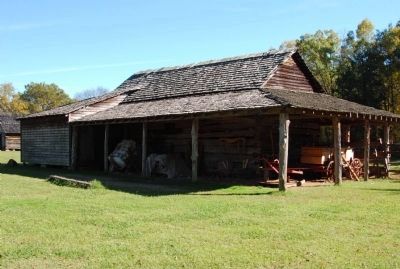
48. Corn Crib
Moved from McGill Plantation in western York County, South Carolina
Photographed by Michael Sean Nix, November 14, 2009
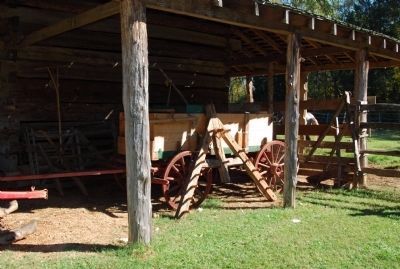
49. McGill Barn
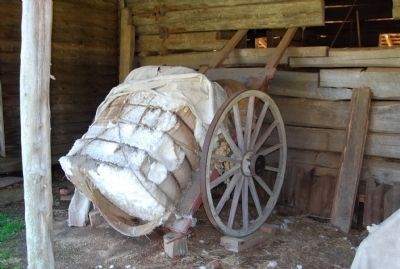
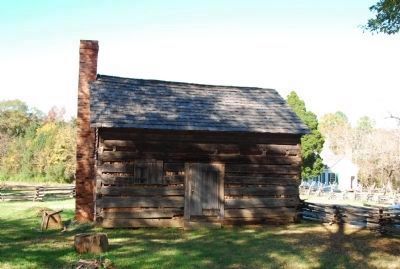
Moved from McGill Plantation in western York County, South Carolina. Used to stable animals and to store feed, tack and fodder.
Photographed by Michael Sean Nix, November 14, 2009
50. McGill Barn
Photographed by Michael Sean Nix, November 14, 2009
51. McGill Barn
Photographed by Michael Sean Nix, November 14, 2009
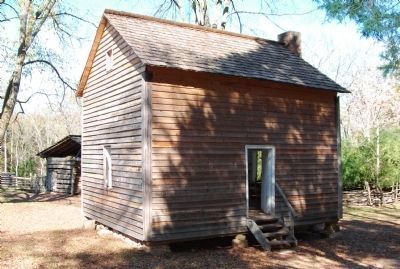
52. Slave House
Moved from McGill plantation, this log structure is being restored to portray the type of house occupied by many Bratton Slaves.
Photographed by Michael Sean Nix, November 14, 2009
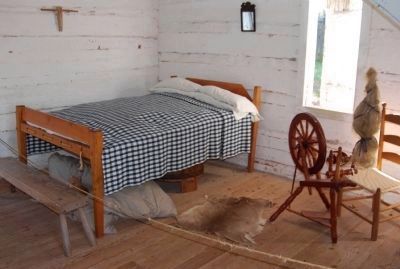
53. McConnell House
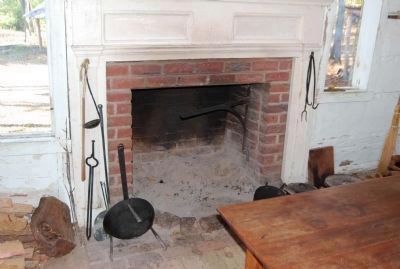
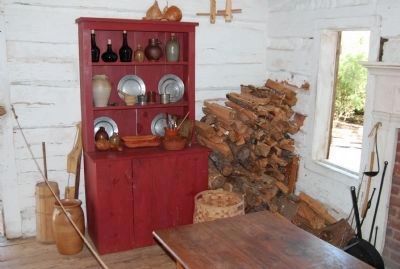
By the late 1700s and early 1800s, many families had lived here for a generation or more and their homes reflected an improvement in living standards. This house, made from hewn logs, was covered with clapboard on the outside and whitewashed inside. The owners were farmers who raised corn, wheat, oats, flax, tobacco and cotton, and tended livestock like hogs and cattle for their own use and to sell. People sold livestock, tobacco, hides, goose feathers, beeswax and hemp to buy gunpowder, salt and furnishings such as chairs, ironware, pottery, and blankets. This circa 1820s house was moved from present day McConnells, South Carolina.
Photographed by Michael Sean Nix, November 14, 2009
54. McConnell House
Photographed by Michael Sean Nix, November 14, 2009
55. McConnell House
Photographed by Michael Sean Nix, November 14, 2009
56. Inside the McConnell House
Photographed by Michael Sean Nix, November 14, 2009
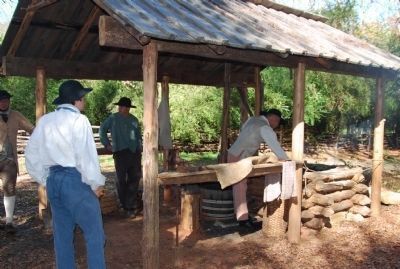
57. Blacksmith Forge
Photographed by Michael Sean Nix, November 14, 2009
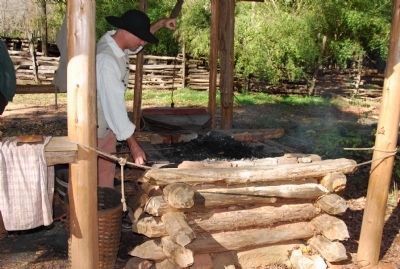
58. Blacksmith Forge
Photographed by Michael Sean Nix, November 14, 2009
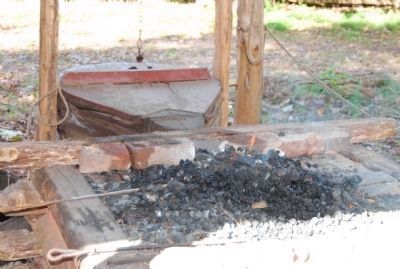
59. Blacksmith Forge
Photographed by Michael Sean Nix, November 14, 2009
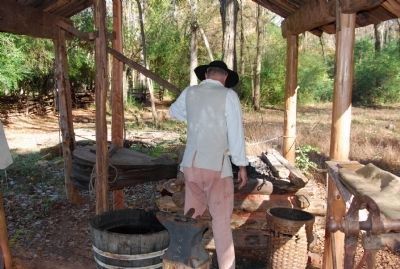
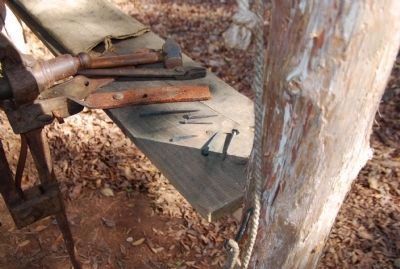
60. Blacksmith Forge
Photographed by Michael Sean Nix, November 14, 2009
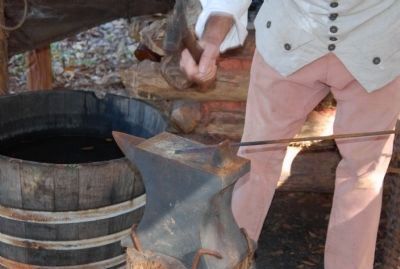
61. Blacksmith Forge
Nails made at the forge
Photographed by Michael Sean Nix, November 14, 2009
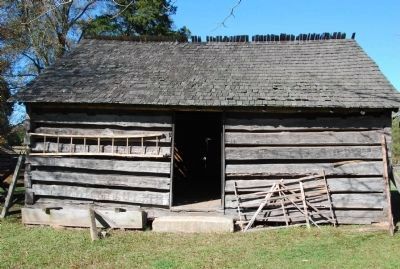
62. Blacksmith Forge
Making a hook at the forge
Photographed by Michael Sean Nix, November 14, 2009
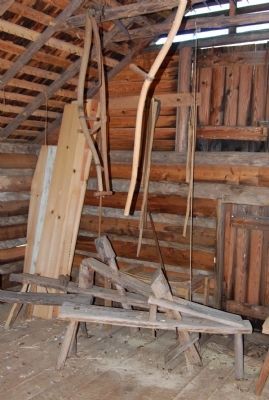
63. Work Barn
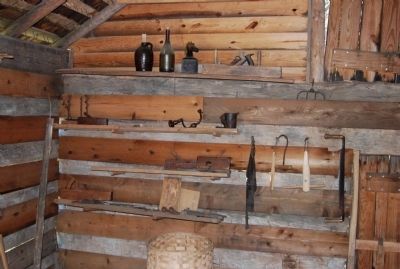
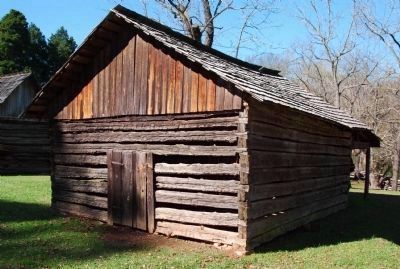
Moved from near Hightower Hall and restored for display of hand tools and for demonstrations of woodworking, leather-working and other skills.
Photographed by Michael Sean Nix, November 14, 2009
64. Work Barn
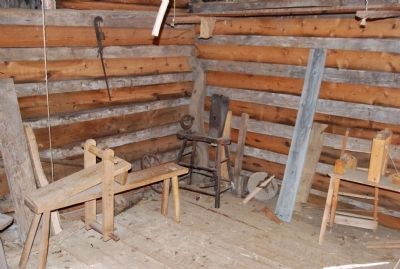
Photographed by Michael Sean Nix, November 14, 2009
65. Work Barn
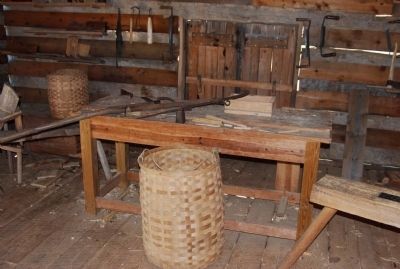
Photographed by Michael Sean Nix, November 14, 2009
66. Work Barn
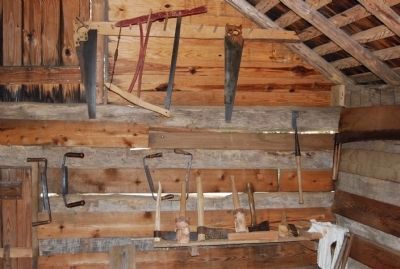
Photographed by Michael Sean Nix, November 14, 2009
67. Work Barn
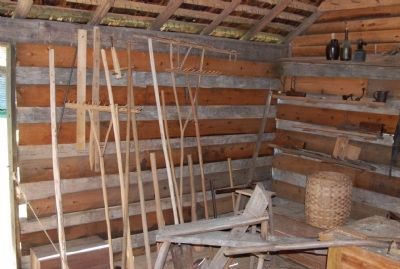
Photographed by Michael Sean Nix, November 14, 2009
68. Work Barn
Photographed by Michael Sean Nix, November 14, 2009
69. Work Barn
Photographed by Michael Sean Nix, November 14, 2009
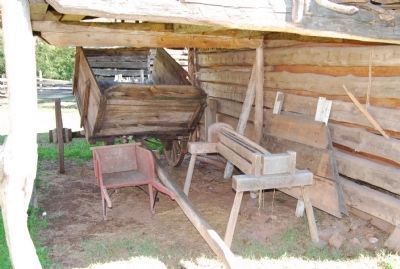
70. Tool Shed
Moved from a farm south of Rock Hill, South Carolina
Photographed by Michael Sean Nix, November 14, 2009
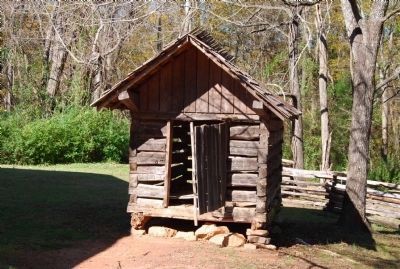
71. Tool Shed
Photographed by Michael Sean Nix, November 14, 2009
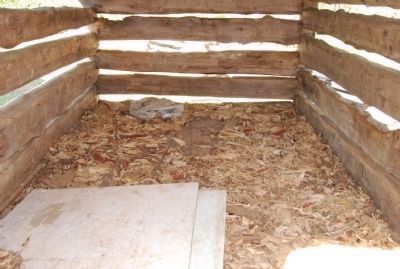
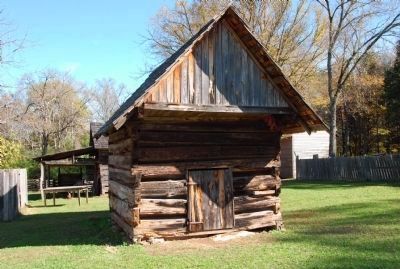
72. Corn Crib
Moved from a York County farm and used for storage of dried corn
Photographed by Michael Sean Nix, November 14, 2009
73. Corn Crib
Photographed by Michael Sean Nix, November 14, 2009
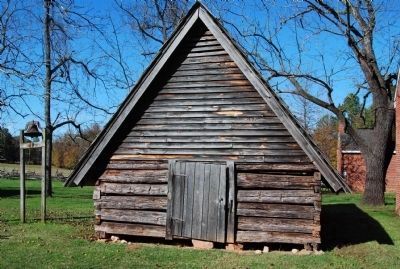
74. Smokehouse
Moved from the Alexander W. Love farm in Cherokee County, South Carolina.
Photographed by Michael Sean Nix, November 14, 2009
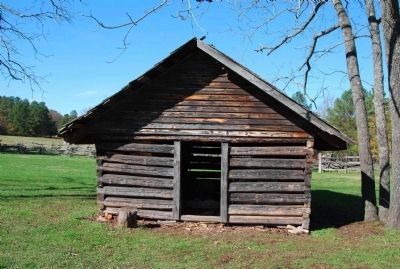
75. Storage Shed
Moved from James Love farm north of York, South Carolina
Photographed by Michael Sean Nix, November 14, 2009
76. Wood Shed
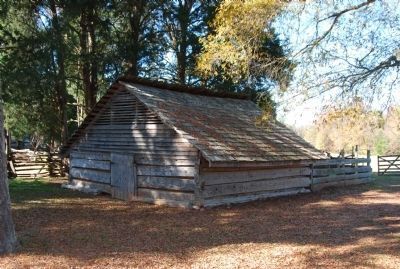
Photographed by Michael Sean Nix, November 14, 2009
77. Poultry Barn
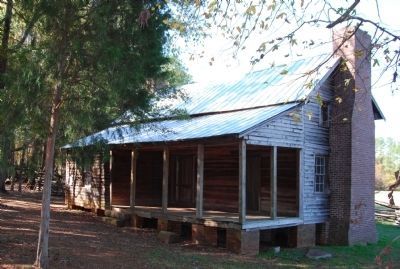
Photographed by Michael Sean Nix, November 14, 2009
78. Smith House
Log home,circa 1820s, moved from Bowling Green, South Carolina
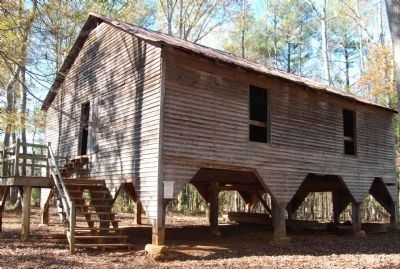
Photographed by Michael Sean Nix, November 14, 2009
79. Gin House
Moved from a local farm, this gin house occupies the site of the Bratton's original gin house. Powered by mules, the gin (inside) seperated cotton lint from seeds. In 1850, the plantation produced 240 bales of ginned cotton, each weighing about 400 pounds.
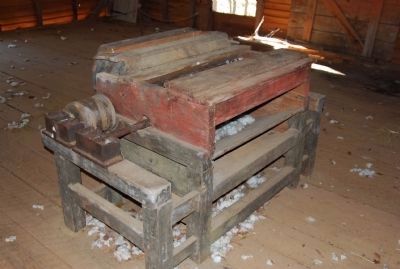
Photographed by Michael Sean Nix, November 14, 2009
80. Cotton Gin
Photographed by Michael Sean Nix, November 14, 2009
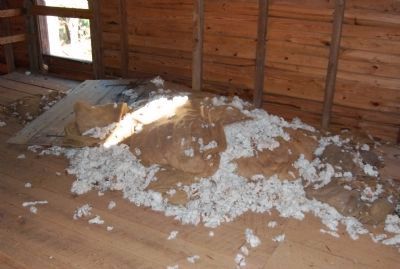
81. Cotton
Photographed by Michael Sean Nix, November 14, 2009
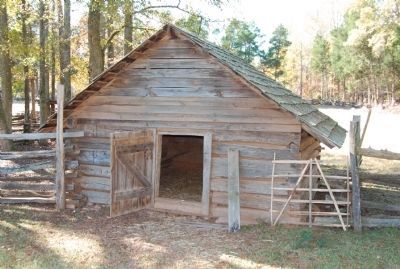
82. Chicken Coop
Photographed by Michael Sean Nix, November 14, 2009
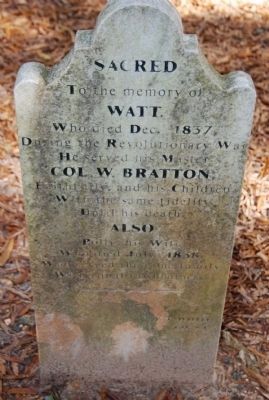
83. Grave marker of Bratton family slave
Sacred
To the memory of
Watt
Who died Dec. 1837, During the Revolutionary War he served his master Col. W. Bratton faithfully and his children with the same fidelity until his death.
Also
Polly, his wife who died July 1838, who served the same family with equal faithfulness.
Photographed by Michael Sean Nix, November 14, 2009
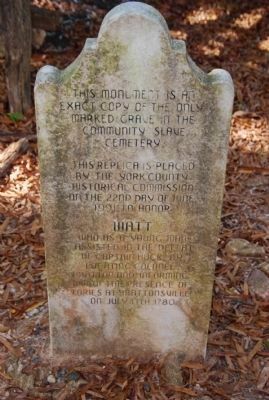
84. Grave marker of Bratton family slave
This monument is an exact copy of the only marked grave in the community slave cemetery.
This replica is placed by the York County Historical Commission on the 22nd day of June, 1991 to honor
Watt
who as a young man assisted in the defeat of Captain Huck, by locating Colonel Bratton and informing him of the presence of tories at Brattonsville on July 11th, 1780.
This replica is placed by the York County Historical Commission on the 22nd day of June, 1991 to honor
Credits. This page was last revised on June 16, 2016. It was originally submitted on November 14, 2009, by Michael Sean Nix of Spartanburg, South Carolina. This page has been viewed 3,455 times since then and 216 times this year. Photos: 1, 2, 3, 4, 5, 6, 7, 8, 9, 10, 11, 12, 13, 14, 15, 16, 17, 18, 19, 20, 21, 22, 23, 24, 25, 26, 27, 28, 29, 30, 31, 32, 33, 34, 35, 36, 37, 38, 39, 40, 41, 42, 43, 44, 45, 46, 47, 48, 49, 50, 51, 52, 53, 54, 55, 56, 57, 58, 59, 60, 61, 62, 63, 64, 65, 66, 67, 68, 69, 70, 71, 72, 73, 74, 75, 76, 77, 78, 79, 80, 81, 82, 83, 84. submitted on November 14, 2009, by Michael Sean Nix of Spartanburg, South Carolina. • Kevin W. was the editor who published this page.
