Main/Military Plaza in San Antonio in Bexar County, Texas — The American South (West South Central)
San Antonio River Walk
Photographed by R. C.
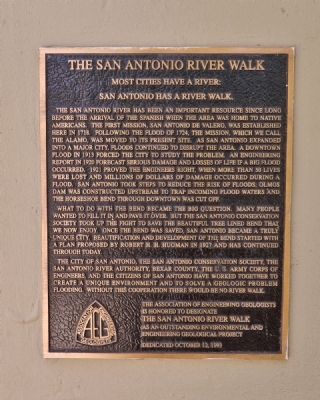
1. San Antonio River Walk Marker
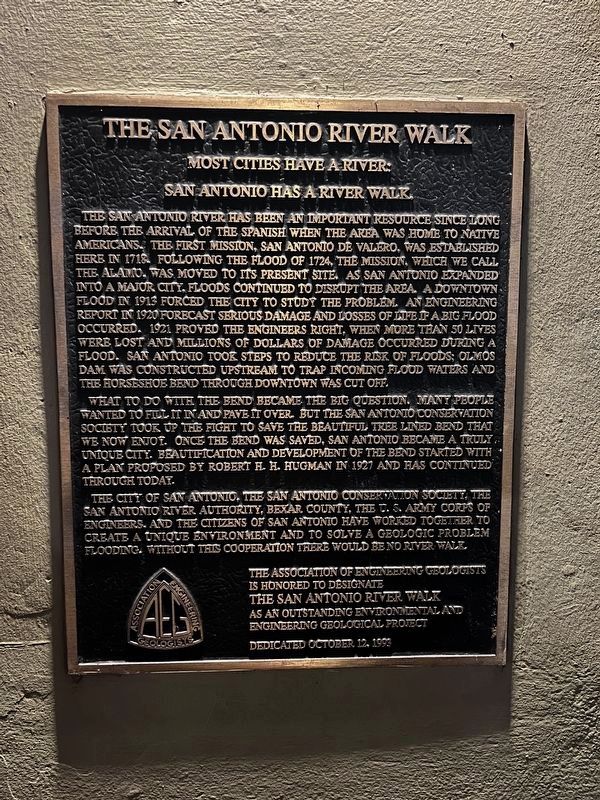
San Antonio has a river walk.
The San Antonio river has been an important resource since long before the arrival of the Spanish when the area was home to Native Americans. The first mission, San Antonio de Valero, was established here in 1718. Following the flood of 1724, the mission, which we call the Alamo, was moved to its present site. As San Antonio expanded into a major city, floods continued to disrupt the area. A Downtown flood in 1913 forced the city to study the problem. An engineering report in 1920 forecast serious damage and losses of life if a big flood occurred. 1921 proved the engineers right, when more than 50 lives were lost and millions of dollars of damage occurred during a flood. San Antonio took steps to reduce the risk of floods; Olmos Dam was constructed upstream to trap incoming flood waters and the horseshoe bend through downtown was cut off.
What to do with the bend became the big question. Many people wanted to fill it in and pave it over. But the San Antonio Conservation Society took up the fight to save the beautiful tree lined bend that we now enjoy. Once the bend
this page online
The City of San Antonio, the San Antonio Conservation Society, the San Antonio River Authority, Bexar County, the U.S. Army Corps of Engineers, and the Citizens of San Antonio have worked together to create a unique environment and to solve a geologic problem flooding. Without this cooperation, there would be no river walk.
Erected 1993 by Association of Engineering Geologists.
Topics. This historical marker is listed in these topic lists: Bridges & Viaducts • Colonial Era • Waterways & Vessels. A significant historical year for this entry is 1718.
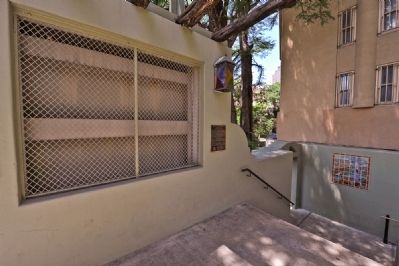
Location. 29° 25.508′ N, 98° 29.534′ W. Marker is in San Antonio, Texas, in Bexar County. It is in Main/Military Plaza. It is on W. Market Street. The plaque is located on the north flood control bridge over the San Antonio River. Touch for map. Marker is in this post office area: San Antonio TX 78205, United States of America. Touch for directions.

Regionally, this marker is in South Texas.
Photographed by R. C.
2. San Antonio River Walk Marker
Other nearby markers. At least 8 other markers are within walking distance of this marker: Twin Cypress Mexican Sniper Tree (here, next to this marker); John Twohig Lived on These Grounds (here, next to this marker); San Antonio's River Walk and Flood Control System (a few steps from this marker); The First Protestant Church Service in San Antonio (within shouting distance of this marker); Twohig House (within shouting distance of this marker); Perote Prisoners (within shouting distance of this marker); Gen. Robert E. Lee (about 300 feet away, measured in a direct line); Main Plaza - Plaza de las Islas (about 300 feet away). Touch for a list and map of all markers in San Antonio.
Photographed by R. C.
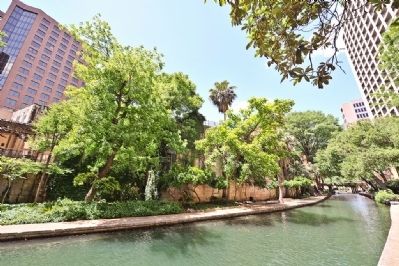
3. Typical Scene along the San Antonio River Walk
Photographed by R. C.
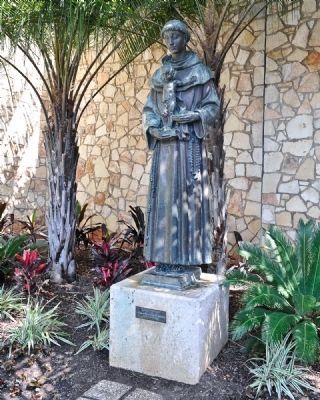
4. Saint Antonio Statue on the San Antonio River Walk
Photographed by R. C.
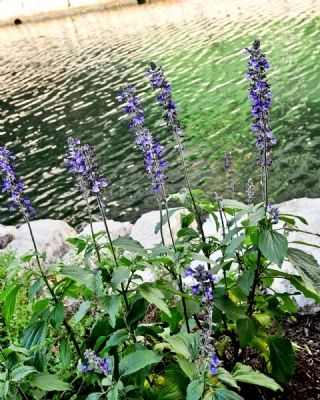
5. Wild Flowers Thrive along the San Antonio River Walk
Photographed by R. C.
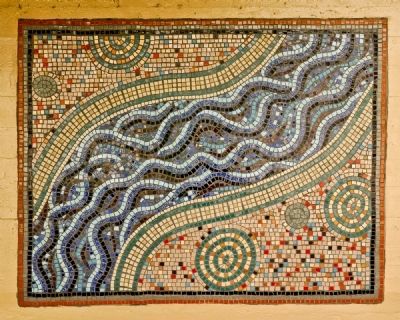
6. Outdoor Mosaic Artwork along the San Antonio River Walk Retaining Wall
Photographed by R. C.
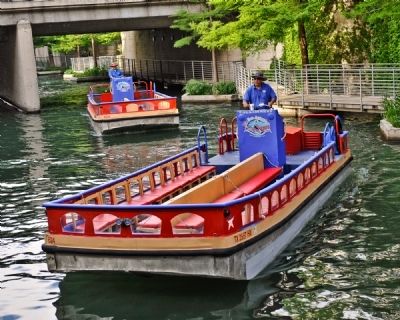
7. Shallow Barges Ferry Passengers along the San Antonio River
Photographed by R. C.
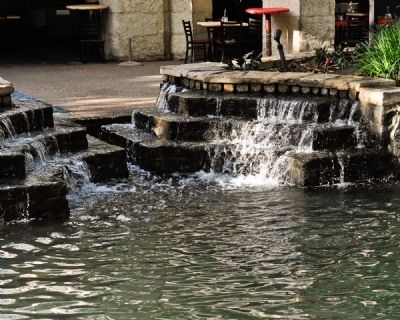
8. The San Antonio River Walk Has Many Fountains to Oxygenate the Water
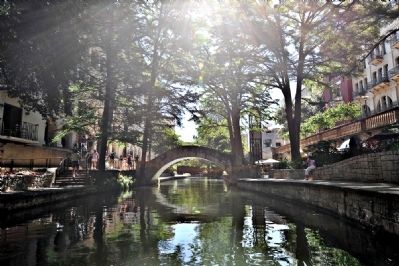
Photographed by R. C.
9. The San Antonio River Walk is Lined with Many Bars, Hotels, and Restaurants
Photographed by R. C.
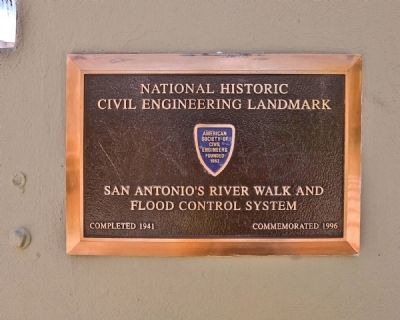
10. National Historic Civil Engineering Landmark Plaque on Opposite Side of Bridge
Photographed by Adam Margolis, April 8, 2024
11. San Antonio River Walk Marker
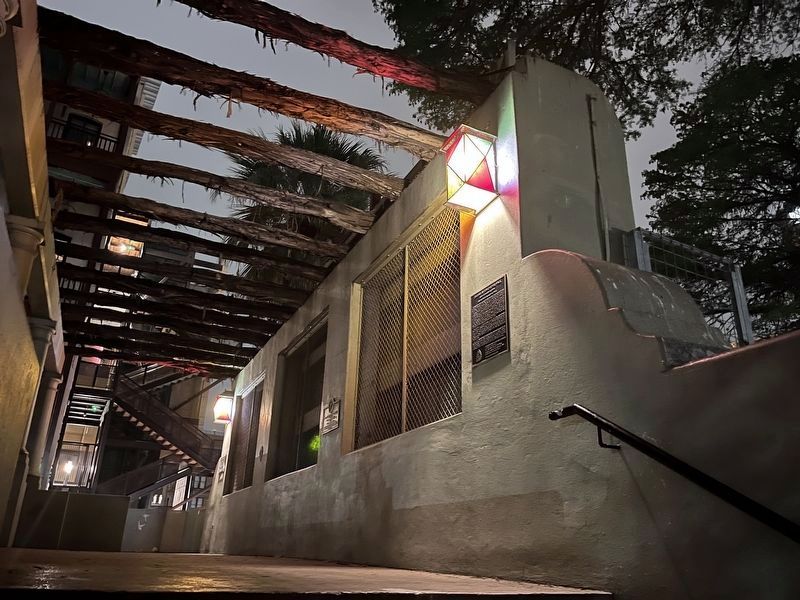
Photographed by Adam Margolis, April 8, 2024
12. San Antonio River Walk Marker
Credits. This page was last revised on July 14, 2024. It was originally submitted on May 11, 2010, by Ronald Claiborne of College Station, Texas. This page has been viewed 3,065 times since then and 59 times this year. Photos: 1, 2, 3, 4, 5, 6, 7, 8, 9, 10. submitted on May 11, 2010, by Ronald Claiborne of College Station, Texas. 11, 12. submitted on July 14, 2024, by Adam Margolis of Mission Viejo, California. • Bill Pfingsten was the editor who published this page.
