Lucan in Lucan Biddulph in Middlesex County, Ontario — Central Canada (North America)
Sauble Hill - Wilberforce Cemetery
| — | Middlesex Heritage Trail | — |
Photographed by Tim Boyd, August 14, 2026
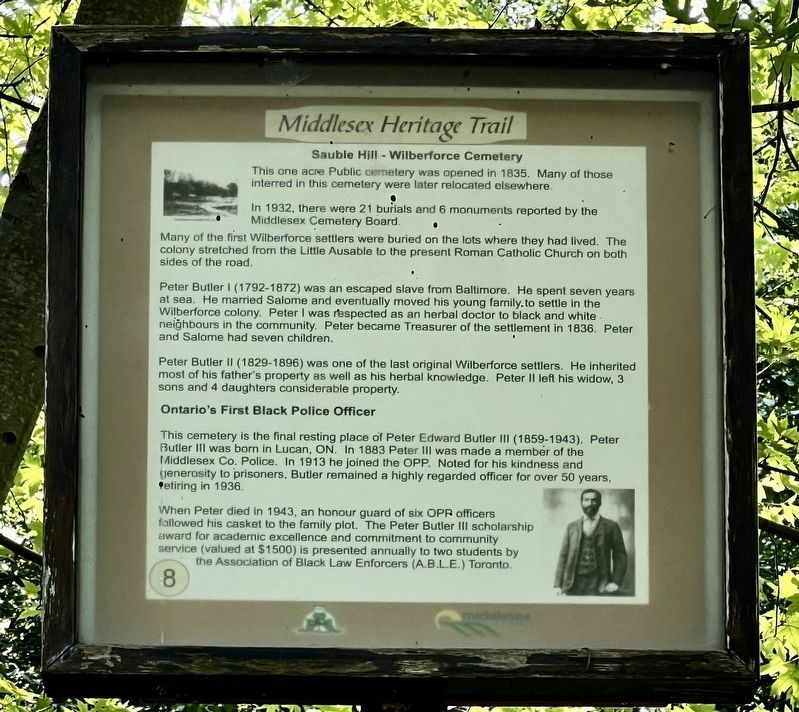
1. Sauble Hill - Wilberforce Cemetery Marker
This one acre Public cemetery was opened in 1835. Many of those interred in this cemetery were later relocated elsewhere.
In 1932, there were 21 burials and 6 monuments reported by the Middlesex Cemetery Board.
Many of the first Wilberforce settlers were buried on the lots where they had lived. The colony stretched from the Little Ausable to the present Roman Catholic Church on both sides of the road.
Peter Butler I (1792-1872) was an escaped slave from Baltimore. He spent seven years at sea. He married Salome and eventually moved his young family to settle in the Wilberforce colony. Peter I was respected as an herbal doctor to black and white neighbours in the community. Peter became Treasurer of the settlement in 1836. Peter and Salome had seven children.
Peter Butler II (1829-1896) was one of the last original Wilberforce settlers. He inherited most of his father's property as well as his herbal knowledge. Peter I left his widow, 3 sons and 4 daughters considerable property.
Ontario's First Black Police Officer
This cemetery is the final resting place of Peter Edward Butler III (1859-1943). Peter Butler
this page online
When Peter died in 1943, an honour guard of six OPP officers followed his casket to the family plot. The Peter Butler III scholarship award for academic excellence and commitment to community service (valued at $1500) is presented annually to two students by the Association of Black Law Enforcers (A.B.L.E.) Toronto.
Erected by Middlesex County. (Marker Number 8.)
Topics. This historical marker is listed in these topic lists: African Americans • Cemeteries & Burial Sites • Law Enforcement • Settlements & Settlers. A significant historical year for this entry is 1835.
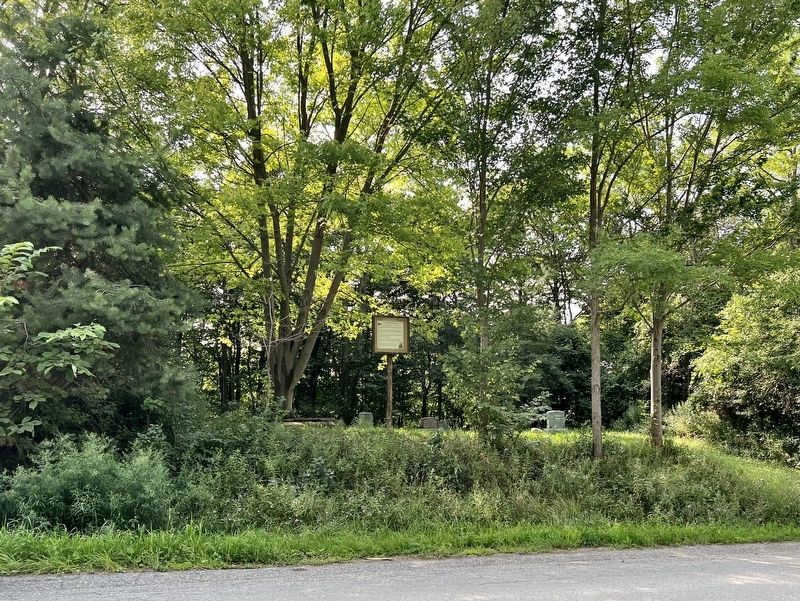
Location. 43° 11.965′ N, 81° 25.545′ W. Marker is in Lucan Biddulph, Ontario, in Middlesex County. It is in Lucan. It is on Coursey Line 0.2 kilometers north of Richmond Street (Highway 4), on the left when traveling north. Touch for map. Marker is at or near this postal address: 34241 Coursey Line, Lucan
Photographed by Tim Boyd, August 14, 2026
2. Sauble Hill - Wilberforce Cemetery Marker

Regionally, this marker is in the Southwest Ontario Area and in Southwestern Ontario. It is also in Central Canada. Globally, it is in North America, the Western Hemisphere, the Western World, and the Anglosphere. Historically, it finds itself in what was once a British colony, the Viceroyalty of New France, the Haudenosaunee (Iroquois) Confederacy, and Rupert’s Land.
Other nearby markers. At least 8 other markers are within 3 kilometers of this marker, measured as the crow flies: St. James Anglican Church & Cemetery (approx. 0.7 kilometers away); Lieut-Col. James Hodgins (approx. 0.7 kilometers away); The Wilberforce Settlement / L’Établissement Wilberforce (approx. 2.1 kilometers away); The “Donnelly” Log Cabin (approx. 2.1 kilometers away); C. Frederick McLean 1875-1942 (approx. 2.1 kilometers away); The Ivan Hearn Barn (approx. 2.2 kilometers away); The Founding of Lucan (approx. 2.2 kilometers away); Wilberforce Colony (approx. 2.2 kilometers away). Touch for a list and map of all markers in Lucan Biddulph.
Also see . . . The Wilberforce Colony (Wikipedia).
Photographed by Tim Boyd, August 14, 2026
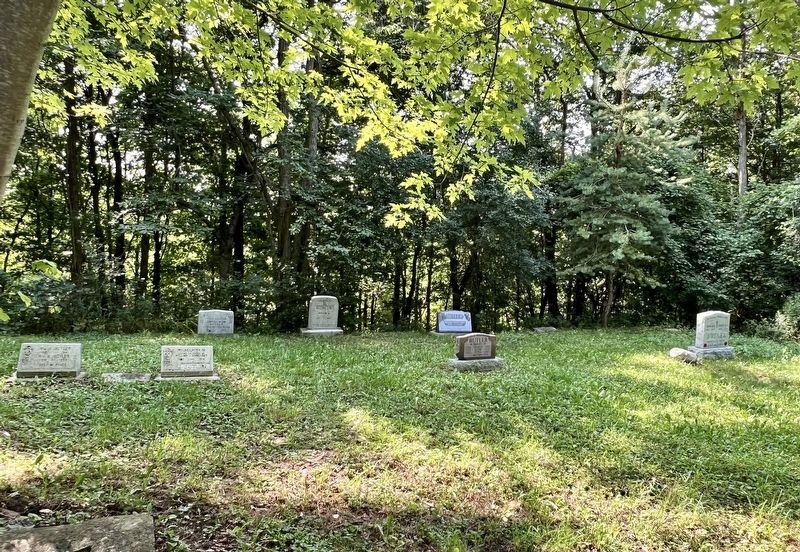
3. The Butler Cemetery (former Wilberforce Cemetery) in 2026
Wilberforce Colony was a colony established in the year 1829 by free African American citizens, north of present-day London, Ontario, Canada. It was an effort by African-Americans to create a place where they could live in political freedom.(Submitted on August 19, 2026, by Tim Boyd of Hamilton, Ontario.)
When African-American communities favoured emigration (and many did not), they preferred going to a country where free Black people could hold full political control over their destiny. The establishment of what became the Wilberforce Colony in Canada was one such movement. It was planned by Black Americans from Cincinnati, Ohio who emigrated following passage of discriminatory laws in the year 1828 and a destructive riot against them by White Americans in 1829.
Credits. This page was last revised on August 19, 2026. It was originally submitted on August 19, 2026, by Tim Boyd of Hamilton, Ontario. This page has been viewed 11 times since then. Photos: 1, 2, 3. submitted on August 19, 2026, by Tim Boyd of Hamilton, Ontario. • Andrew Ruppenstein was the editor who published this page.
