Anacostia in Southeast Washington in Washington, District of Columbia — The American Northeast (Mid-Atlantic)
The Sage of Anacostia
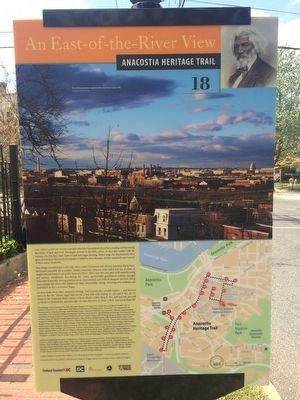
An East-of-the River View
| — | Anacostia Heritage Trail | — |
Photographed by J. Makali Bruton, September 5, 2015
1. The Sage of Anacostia Marker
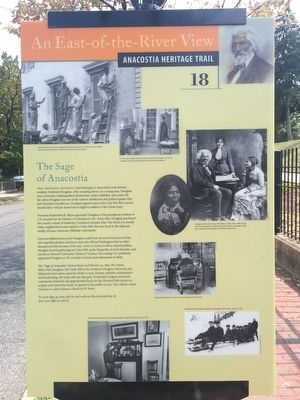
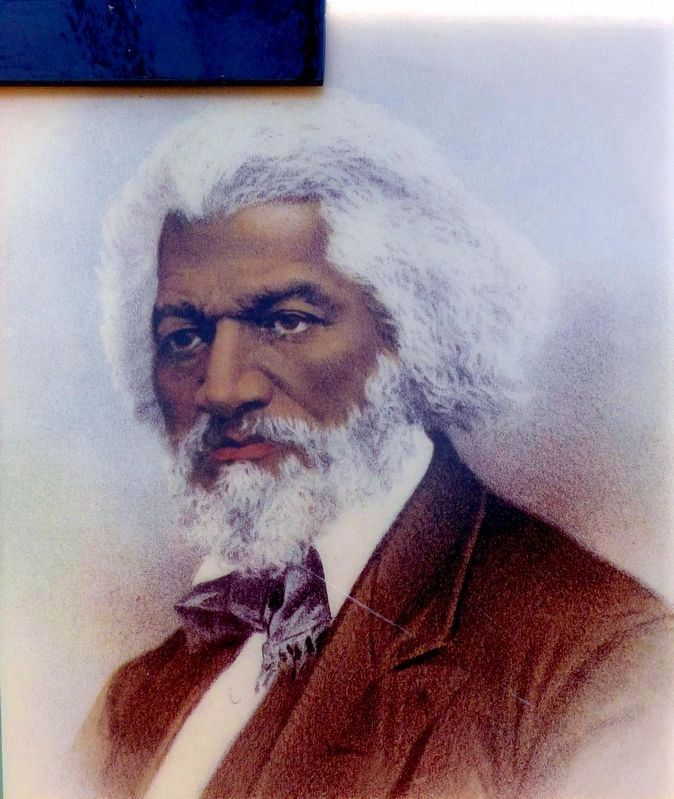
This imposing property once belonged to Anacostia’s most famous resident: Frederick Douglass. After escaping slavery as a young man, Douglass rose to become a distinguished abolitionist, writer, publisher, and orator. By the 1860s Douglass was one of the nation’s intellectual and political giants who had President Lincoln’s ear. Douglass argued early in the Civil War that Lincoln should allow African Americans to fight as soldiers in the Union army.
President Rutherford B. Hayes appointed Douglass to the prestigious position of U.S. marshal for the District of Columbia in 1877. Soon after, Douglass purchased the country retreat of bankrupt Uniontown founder John Van Hook in a mostly white neighborhood and named it Cedar Hill. His sons lived in the adjacent, mostly African-American, Hillsdale community.
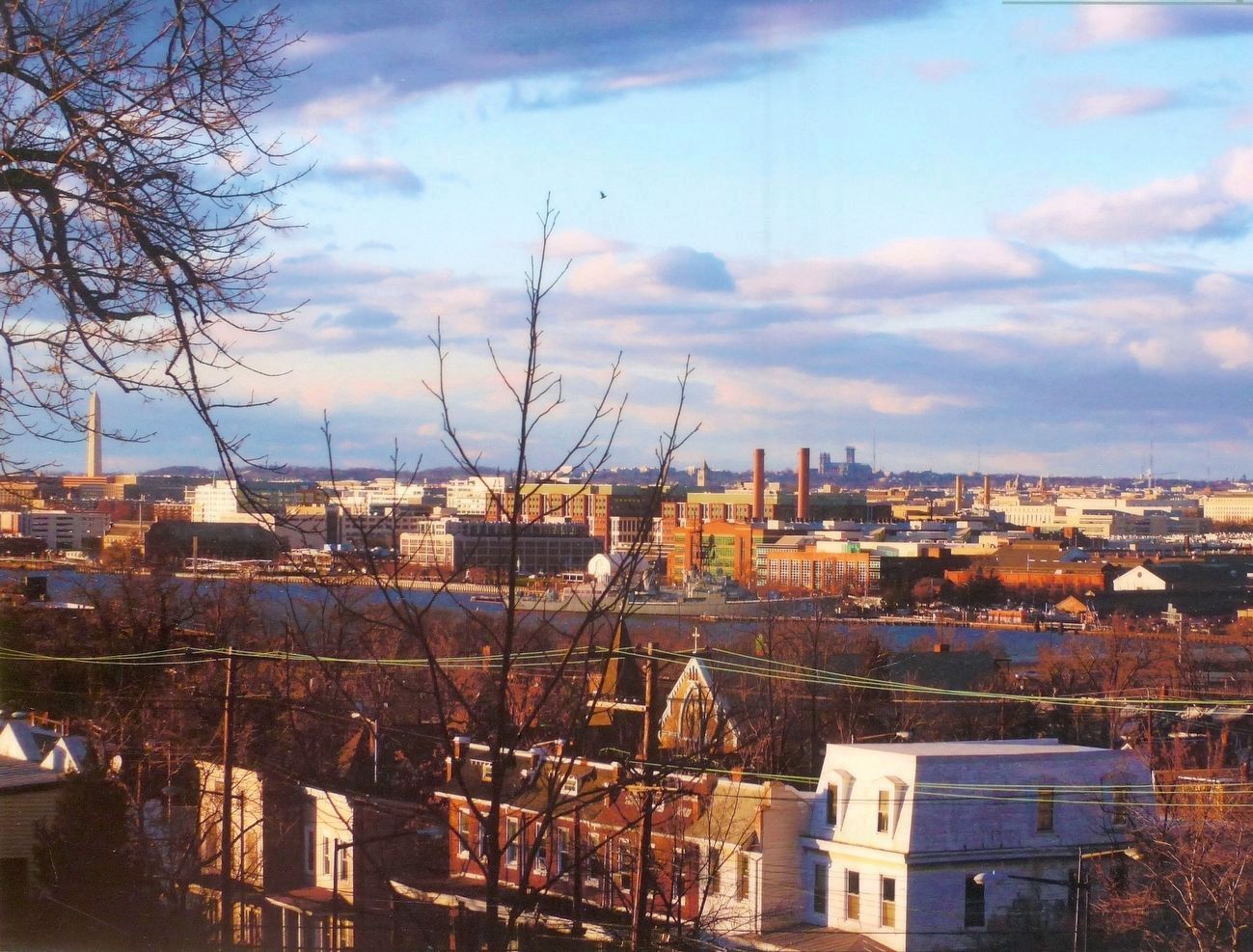
From his hilltop porch Douglass could look out across his acres of fruit and vegetable gardens and down upon the official Washington that so often disrespected him because of his race. Active in local as well as national affairs, Douglass hosted gatherings at Cedar Hill, spoke frequently at local churches, and served on
this page online
The “Sage of Anacostia” died at home on February 20, 1895. His widow, Helen Pitts Douglass, left Cedar Hill to the Frederick Douglass Memorial and Historical Association upon her death in 1903. Despite volunteer maintenance and fundraising, the house fell into disrepair. Eventually Congress answered community demands and appropriated funds for the National Park Service to acquire and restore the home. It opened to the public in 1972. The visitors’ center entrance is a short distance ahead on W Street.
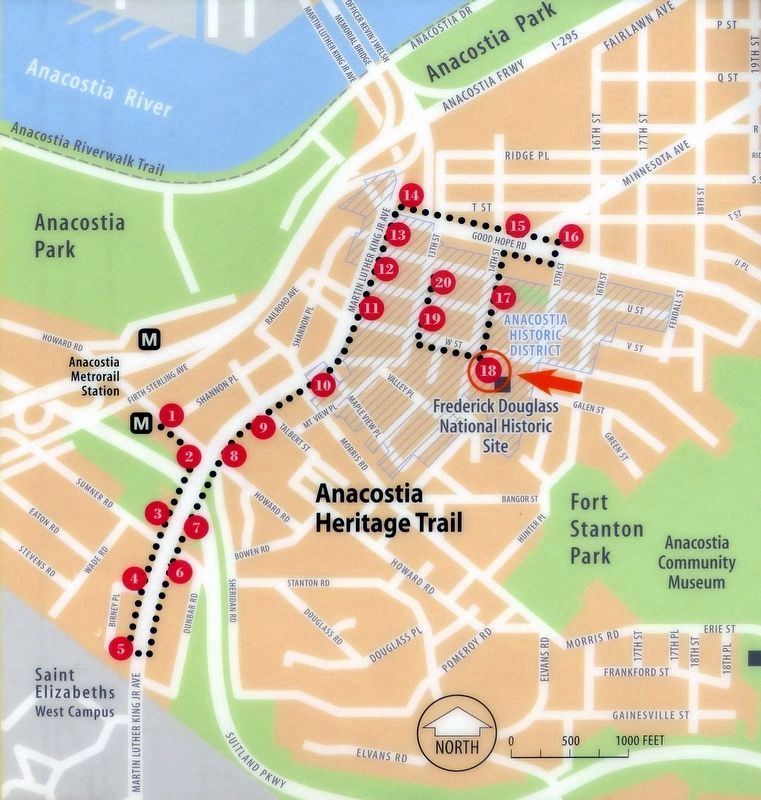
To reach Sign 19, cross 14th St. and walk one block downhill on W, then turn right on 13th St.
Erected 2013 by Cultural Tourism DC. (Marker Number 18.)
Topics and series. This historical marker is listed in these topic lists: Abolition & Underground RR • African Americans • Anthropology & Archaeology • Government & Politics. In addition, it is included in the Anacostia Heritage Trail, the Former U.S. Presidents: #16 Abraham Lincoln, and the Historically Black Colleges and Universities
Photographed by J. Makali Bruton, September 5, 2015
2. The Sage of Anacostia Marker Reverse
Location. 38° 51.846′ N, 76° 59.135′ W. Marker is in Southeast Washington in Washington, District of Columbia. It is in Anacostia. It is at the intersection of W Street Southeast and 14th Street Southeast, on the right when traveling east on W Street Southeast. Touch for map. Marker is in this post office area: Washington DC 20020, United States of America. Touch for directions.

Regionally, this marker is in the Washington Metropolitan Area. It is also in the American Northeast, in the Upper South, in the Mid-Atlantic, in the Tidewater, and in the Chesapeake Bay Region. Globally, it is in North America, the Western Hemisphere, the Western World, and the Anglosphere.
Other nearby markers. At least 8 other markers are within walking distance of this marker: Frederick Douglass National Historic Site (about 300 feet away, measured in a direct line); Frederick Douglass's Rustic Retreat (about 500 feet away); Uniontown, DC's First Suburb (about 500 feet away); New Covenant Baptist Church (about 600 feet away); Mother Churches and Their Daughters (about 700 feet away);
Photographed by J. Makali Bruton, September 5, 2015
3. The Sage of Anacostia Marker
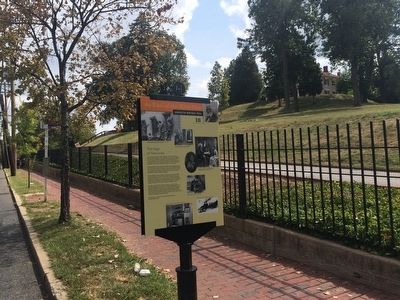
Looking east on W St. The Frederick Douglass home is on the hill to the right.
Another marker is no longer nearby. The Growlery (was about 500 feet away but has been replaced with another marker now near it).
Additional commentary.
1. Photo captions
Neighborhood volunteers organized by the Anacostia Coordinating Committee joined federal laborers to maintain Cedar Hill over the years.
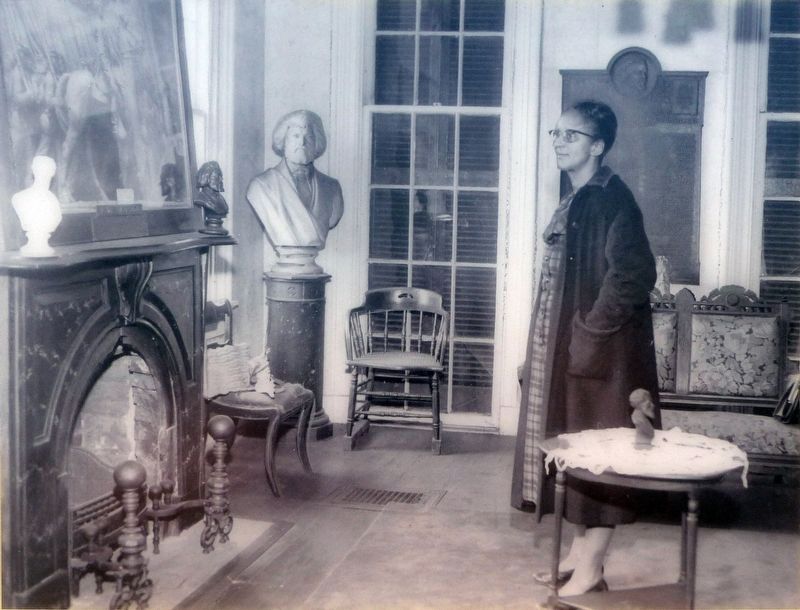
For 34 years Gladys Parham, seen in Cedar Hill’s parlor, served as the caretaker while campaigning for the home’s restoration.
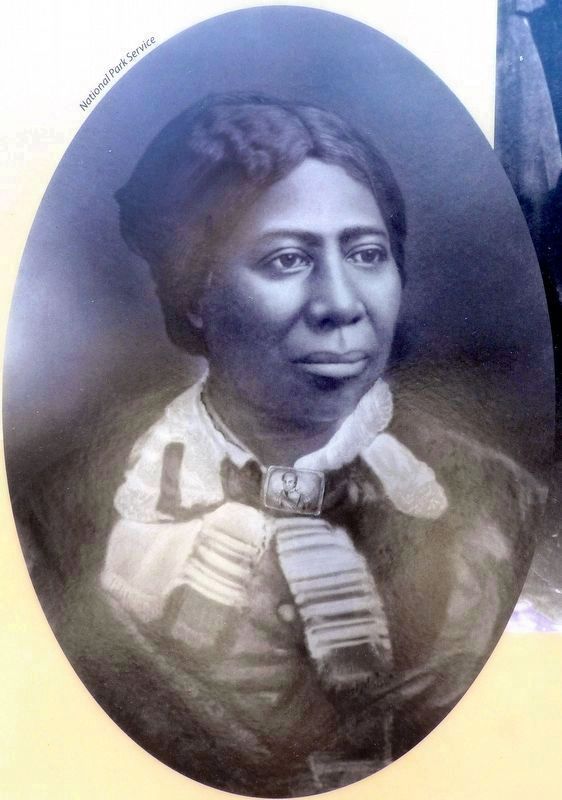
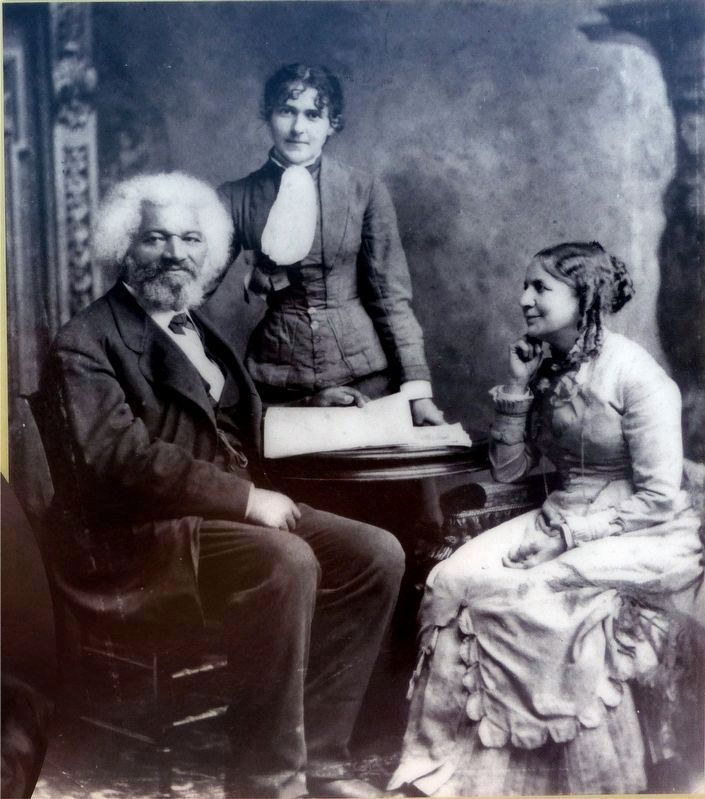
Douglass’s first wife, Anna, left, died at Cedar Hill in 1882 at age 69. Two years later he married his former clerk, suffragist Helen Pitts (seated with Douglass and Helen’s sister Eva).
Frederick Douglass at work in the west parlor of Cedar Hill.
Neighborhood children prepare to toboggan down W St. around 1920.
National Park Ranger Gentry Davis describes Cedar Hill’s dining room, 1972.
— Submitted May 19, 2020, by Devry Becker Jones of Washington, District of Columbia.
Photographed by J. Makali Bruton, September 5, 2015
4. The Sage of Anacostia Marker
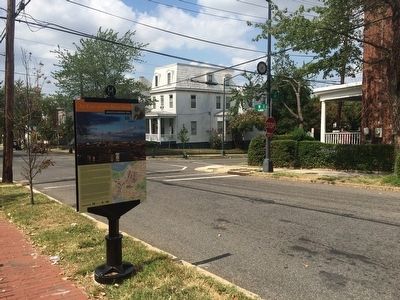
Looking west on W St.
Photographed by Allen C. Browne, June 26, 2016
5. Frederick Douglass
The Sage of Anacostia
The Sage of Anacostia
Photographed by Allen C. Browne, June 26, 2016
6. Anna Douglass
Photographed by Allen C. Browne, June 26, 2016
7. Frederick Douglass, Helen Pitts Douglass & Eva Pitts
Douglass’s first wife, Anna, (Photo #8), died at Cedar Hill in 1882 at age 69. Two years later he married his former clerk, suffragist Helen Pitts (seated with Douglass and Helen’s sister Eva). Close-up of photo on marker
Photographed by Allen C. Browne, June 26, 2016
8. Gladys Parham
For 34 Years Gladys Parham, seen in Cedar Hill's parlor, served as caretaker while campaigning for the home's restoration. close-up of photo on marker
Photographed by Allen C. Browne, June 26, 2016
9. The View from Cedar Hill
Photographed by Allen C. Browne, June 26, 2016
10. You Are Here
Credits. This page was last revised on June 5, 2024. It was originally submitted on September 17, 2015, by J. Makali Bruton of Washington, District of Columbia. This page has been viewed 1,831 times since then and 70 times this year. Photos: 1, 2, 3, 4. submitted on September 17, 2015, by J. Makali Bruton of Washington, District of Columbia. 5, 6, 7. submitted on July 21, 2016, by Allen C. Browne of Silver Spring, Maryland. 8, 9, 10. submitted on August 7, 2016, by Allen C. Browne of Silver Spring, Maryland.
