North Merritt Island in Brevard County, Florida — The American South (South Atlantic)
Haulover Canal
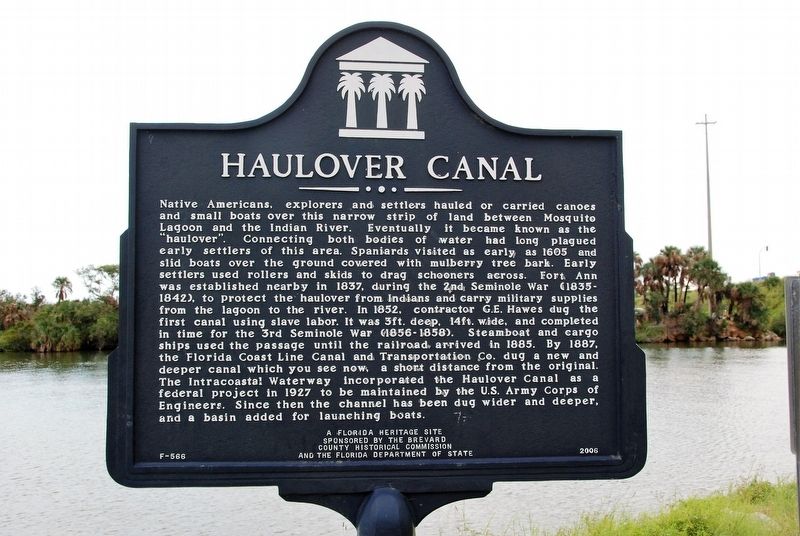
Photographed by Jay Kravetz, September 4, 2017
1. Haulover Canal Marker
this page online
Erected 2006 by Brevard County Historical Commission And The Florida Department Of State. (Marker Number F-566.)
Topics. This historical marker is listed in these topic lists: Colonial Era • Indigenous Peoples and Communities • Waterways & Vessels. A significant historical year for this entry is 1605.
Location. 28° 44.238′ N, 80° 45.264′ W. Marker is on North Merritt Island, Florida, in Brevard County. It can be reached from Courtenay Parkway North (State Road 3). Touch for map. Marker is in this post office area: Mims FL 32754, United States of America. Touch for directions.

Regionally, this marker is in Florida’s Space Coast. It is also in the American South and on the Eastern Seaboard. Globally, it is in the North Atlantic Region, North America, a Gulf of Mexico state, the Western Hemisphere, the Western World, and the Anglosphere. Historically, it finds itself in what was once New Spain, the territory of the Mississippian Culture, one of the Confederate States of America, and the Antebellum
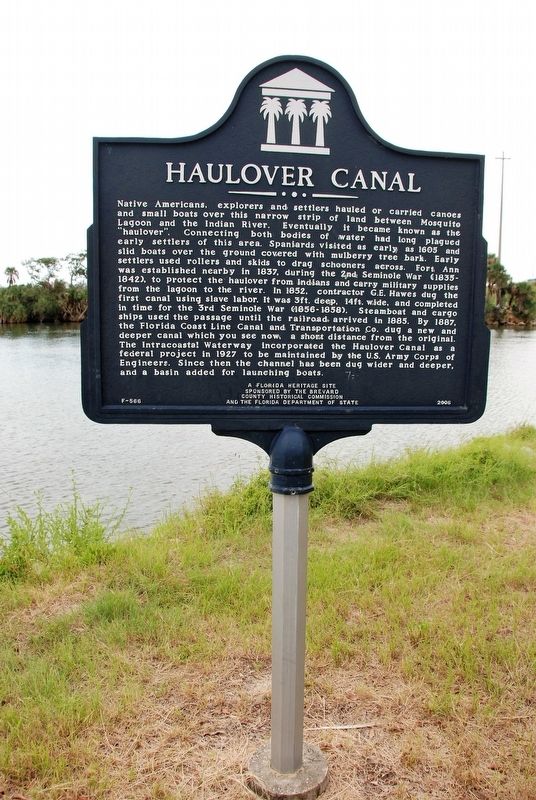
Photographed by Jay Kravetz, September 4, 2017
2. Haulover Canal Marker
Other nearby markers. At least 8 other markers are within 8 miles of this marker, measured as the crow flies: The Clifton Colored School (approx. 1.3 miles away); Douglas Dummett - Dummett Grove (approx. 2.4 miles away); William Bartram Trail (approx. 6.1 miles away); The Ultimate Sacrifice (approx. 7 miles away); Address by President Lincoln (approx. 7 miles away); Sky Soldiers (approx. 7.1 miles away); Korean Service Memorial (approx. 7.1 miles away); From The Bivouac of The Dead (approx. 7.2 miles away).
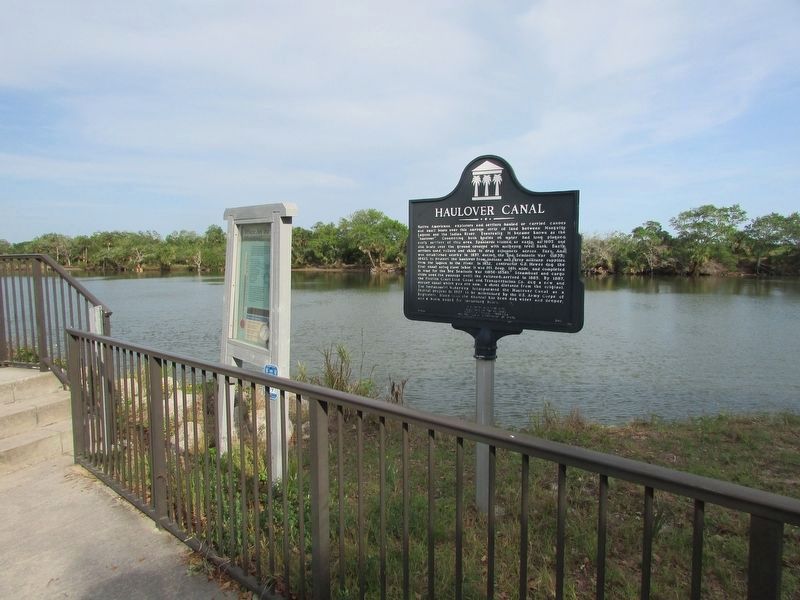
Photographed by Bill Coughlin, April 1, 2025
3. Haulover Canal Marker
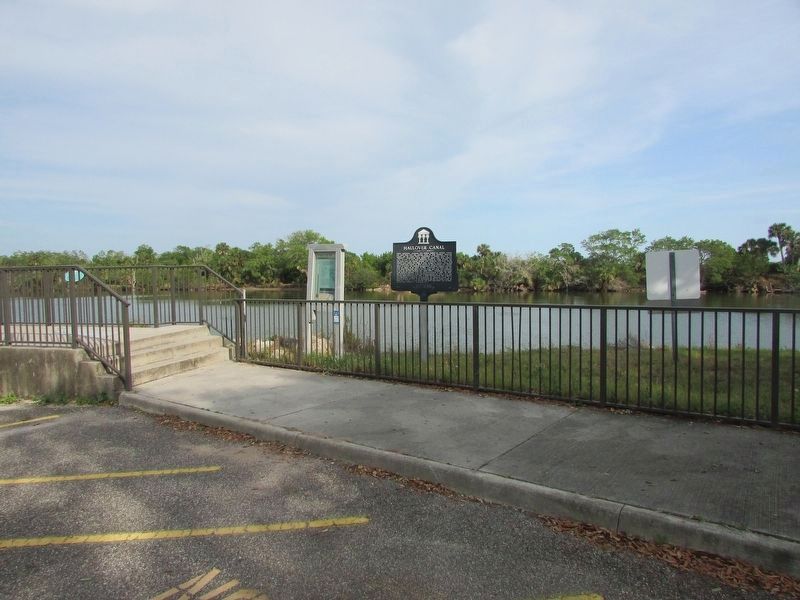
Photographed by Bill Coughlin, April 1, 2025
4. Haulover Canal Marker
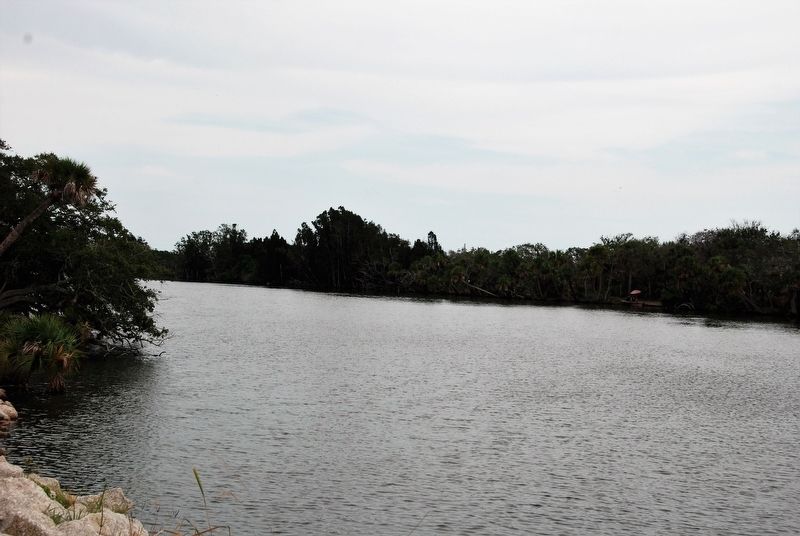
Photographed by Jay Kravetz, September 4, 2017
5. Haulover Canal Marker
Credits. This page was last revised on April 25, 2025. It was originally submitted on September 5, 2017, by Jay Kravetz of West Palm Beach, Florida. This page has been viewed 1,210 times since then and 152 times this year. Photos: 1, 2. submitted on September 5, 2017, by Jay Kravetz of West Palm Beach, Florida. 3, 4. submitted on April 16, 2025, by Bill Coughlin of Woodland Park, New Jersey. 5. submitted on September 5, 2017, by Jay Kravetz of West Palm Beach, Florida. • Bill Pfingsten was the editor who published this page.
